
49 Days to New Beginnings: One Sunday Hour That Plans Your Whole Family Week
Forgotten PE kits, unsigned permission slips and no plan for dinner come from things you knew about but never wrote down. One hour on Sunday puts them all in one place.

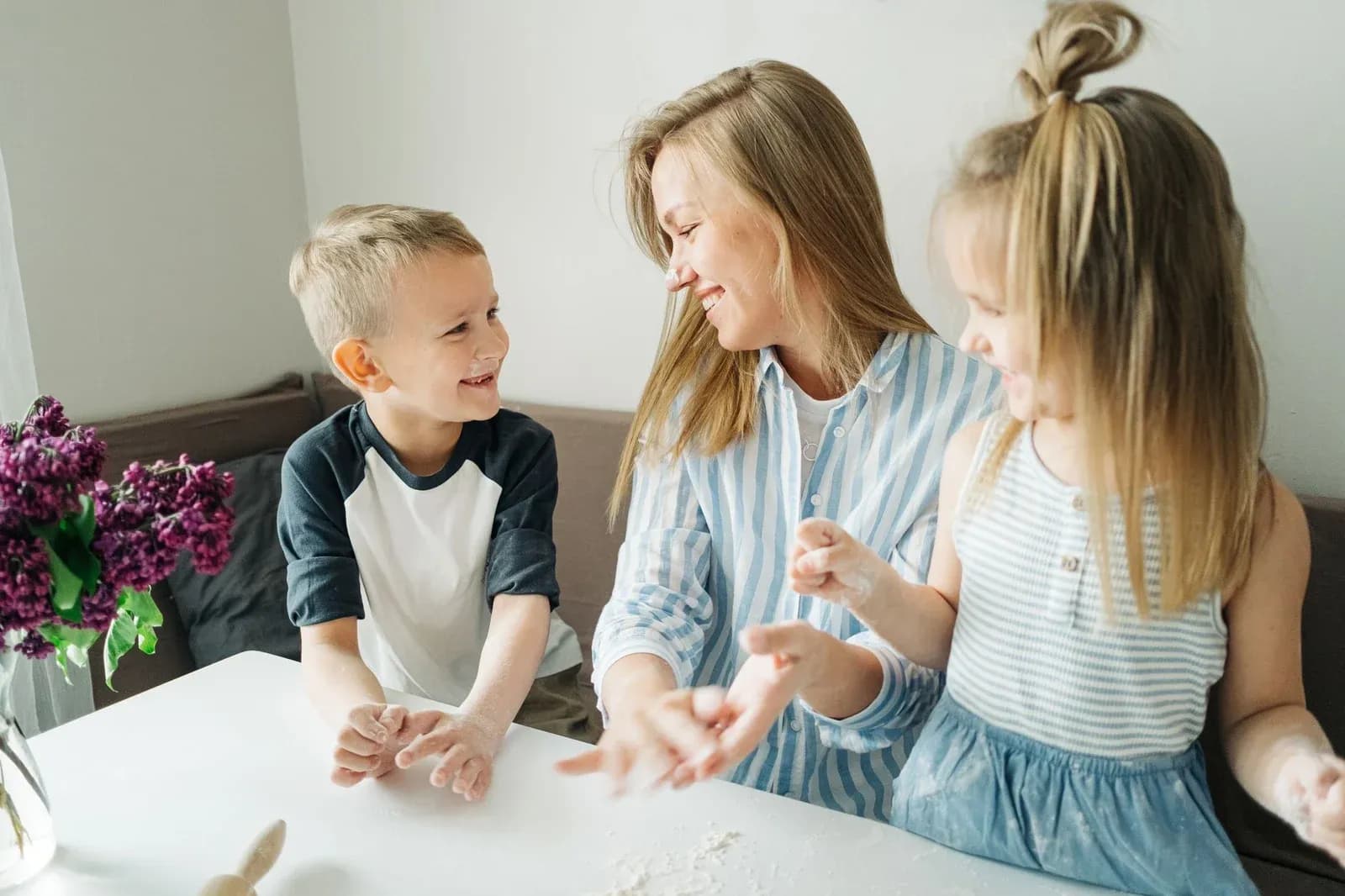
Photo: Ivan S / Pexels
It is ten past eight on Monday morning, and you are on your knees at the washing machine, pulling out a damp PE top. Your daughter mentions, for the first time, that today is non-uniform day and she needs £1 for the charity collection. Your son cannot find the permission slip for Thursday's trip. Nobody has decided who is collecting your youngest from football tonight, and dinner will be whatever is left in the freezer. By the time you close the front door, the week already feels as if it has beaten you.
Almost none of it was a surprise. The PE day, the trip and the football were all in an email, a letter or a message somewhere, and every one of them lived in your head instead of on paper. Carrying a whole family's week in your memory is exhausting, and it is the reason Sunday evenings can feel heavy before the week has even started.
One hour on Sunday changes that. On Day 49 of this series, you build a weekly planning hour that gathers every date, lift, meal and piece of kit in one place before Monday arrives. It fits onto yesterday's method of habit stacking: attach the hour to something you already do every Sunday, and it soon becomes a habit.
Why a Weekly Plan Calms the Whole House
Every unfinished task you carry in your head keeps pulling at your attention, even while you are doing something else. You do not have to finish a task to stop that pull. Writing down a specific plan for when and how you will do it is enough to free your mind, and that is how a plan made on Sunday makes Monday feel lighter before anything is done.
Your children gain as much as you do. Predictable routines help children feel secure, and children who know what each day holds cope with changes and disappointments more easily. A child who knows on Sunday that Wednesday is swimming day packs a towel instead of panicking at the door.
Choose the Same Hour Every Sunday
Pick an hour you can protect every week, such as late Sunday afternoon once lunch has been cleared away. A fixed time works better than 'whenever there is a moment', and attaching the hour to an existing habit, such as your Sunday afternoon cup of tea, makes it easier to keep.
Sit somewhere with space to spread out. The kitchen table is ideal.
Gather Everything Into One Pile
Before you plan, collect everything that holds a date: school emails and letters, club messages, party invitations, your work calendar, your partner's work calendar and anything stuck to the fridge door. Read each one once and note every date, deadline and item to bring.
Clear the fridge door as you go. Paper that stays up for weeks stops being read.
Keep One Family Calendar Everyone Can See
Use one calendar for the whole family, not one in your phone, one on the fridge and one in your partner's head. A large paper wall planner in the kitchen works well with younger children, as they can see it and point to their own days. A shared digital calendar suits families with teenagers and two working parents, as everyone sees changes straight away.
Give each person a colour, so that anyone can see at a glance who has what on.
Walk Through the Week Day by Day
Go through Monday to Sunday in order. For each day, write down who goes where, who drops off, who collects and what needs to go in the bag: PE kit, swimming things, a musical instrument, a packed lunch, or money for a school trip or a non-uniform day.
Decide who does each job now, with your partner if you have one, rather than on the morning itself. Splitting the week's jobs out loud on Sunday stops you carrying the mental load of the family alone.
Plan the Evening Meals
Write down five evening meals for the week and turn them into a shopping list straight away. Match the meals to the days: a slow cooker meal on the late day, a quick pasta on the swimming night and something you enjoy cooking at the weekend. Fifteen minutes of Sunday meal planning saves you the nightly question of what to eat.
Pack Ahead for the Hardest Day
Every week has one day that is harder than the rest, with an early start, two clubs or a late meeting. Find it on the calendar and prepare for it on Sunday evening: pack the bags, lay out the kit and put anything that needs signing by the front door.
Bring the Children In at the End
Spend the last fifteen minutes of the hour with the children. Each child tells you what is happening in their week and one thing they are looking forward to, and older children can write their own entries on the calendar. Younger children can stick small pictures on the planner for swimming, a birthday party or a visit to their grandparents.
Children who help plan the week follow it with fewer reminders, as the plan feels partly theirs.
Put Something Good in Every Week
Before you close the calendar, add one thing for the family to look forward to: a film night, a walk to the park with a flask of hot chocolate, a visit to friends or pancakes on Saturday morning. Looking forward to something pleasant lifts your mood in the days before it happens, so a good plan on Sunday brightens Tuesday and Wednesday as well as the day itself.
On Day 48 tomorrow, the one-touch rule clears school forms, post and permission slips the moment they arrive.
A Monday That Belongs to You
Picture next Monday. The PE kit is dry and folded in the bag, the permission slip is signed and waiting by the door, and everyone knows who is collecting whom from football. Nobody in your family will thank you for it, as nobody notices the chaos that never happened.
You will notice. You will drink your tea while it is still hot, you will hear about your son's spelling test on the way to school instead of hunting for his shoe, and you will close the front door feeling that the week belongs to you. One hour at the kitchen table on Sunday buys that feeling every week, and this Sunday is a good place to start.
Enjoying this article?
Subscribe to our newsletter and never miss a story. No spam, ever.

Editor-in-Chief
Editor-in-Chief of Rich Woman Magazine, founder of Sovereign Magazine, author of many books, Dr Marina Nani is a social edification scientist coining a new industry, Social Edification. Passionately advocating to celebrate your human potential, she is well known for her trademark "Be Seen- Be Heard- Be You" running red carpet events and advanced courses like Blog Genius®, Book Genius®, Podcast Genius®, the cornerstones of her teaching. The constant practitioner of good news, she founded MAKE THE NEWS ( MTN) with the aim to diagnose and close the achievement gap globally. Founder of many publications, British Brands with global reach Marina believes that there is a genius ( Stardust) in each individual, regardless of past and present circumstances. "Not recognising your talent leaves society at loss. Sharing the good news makes a significant difference in your perception about yourself, your industry and your community."