8 A-ha Moments for Your Garden This Week
Mid-November rewards small jobs done at the right time. Eight things to do in your garden this week, from lifting pots off the ground to pruning your apple tree.
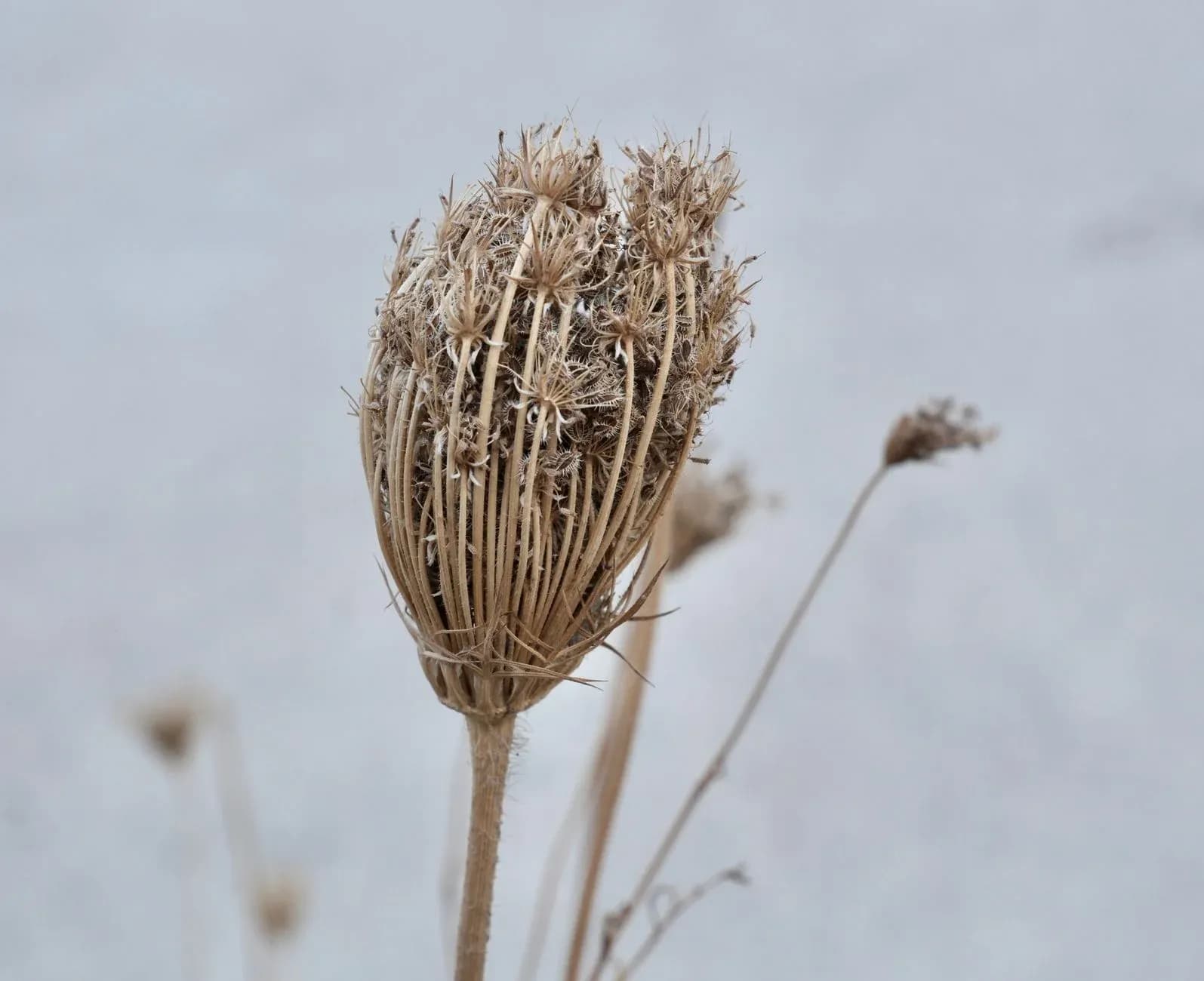
Photo: Doğan Alpaslan Demir / Pexels
The garden looks as if it has stopped, but the week starting Monday 9th November is one of the most useful of the year. The soil is still warm enough for roots to grow, the first hard frosts are arriving and most plants are slipping into dormancy. Small jobs done now decide how well your garden comes through the winter and how early it wakes in spring. Seven weeks before the year turns, ten minutes outside each day is also one of the simplest routines you can give yourself: daylight, fresh air and a task you can finish.
Pot Feet for Your Containers
Pots sitting flat on a patio cannot drain. Winter rain fills the compost, the water freezes and expands, roots rot in the cold wet and terracotta pots crack. Lift every container onto pot feet, bricks or slim pieces of wood so water runs straight out of the base.
Group pots together against a house wall, where the brickwork releases warmth at night. Tender plants in pots, such as agapanthus and salvias, also benefit from a fleece wrap on the coldest nights.
Seedheads Left Standing
You do not need to cut everything down. Seedheads of teasels, sedums, echinaceas, grasses and alliums feed goldfinches and other seed-eating birds through the winter, and hollow stems shelter ladybirds and solitary bees until spring.
They also give your garden structure in winter. On a frosty morning, seedheads rimed in white turn a bare border into one of the most beautiful sights of the year. Cut them back in late winter, when new growth starts to appear at the base.
Fresh Water and Clean Feeders
Birds struggle more to find water than food in a hard frost. Put out a shallow dish of fresh water every morning, and float a small ball in a birdbath to slow ice forming.
Clean your feeders and birdbath with hot soapy water every week or two, then rinse and dry them. Dirty feeders spread disease between birds, and finches are especially vulnerable. Fat balls, sunflower hearts and nyjer seed give the most energy as the nights lengthen.
Dahlias After the First Frost
Once the first frost blackens dahlia leaves, the tubers need protection. If your soil drains well and you live somewhere mild, cut the stems down to about 15cm and cover the crown with a deep mulch of compost or bark to keep the frost out.
On heavy, wet soil, or in a colder area, lift the tubers. Cut the stems short, turn the tubers upside down for a few days so water drains from the hollow stems, then store them in dry compost in a frost-free shed or garage until April.
Apple and Pear Pruning
Apple and pear trees can be pruned from now until late February, while they are dormant and you can see their shape clearly without leaves. Remove dead, diseased and crossing branches first, then open the centre of the tree so air and light reach the fruit next summer.
Leave plums, cherries and other stone fruit alone. Pruning them in winter lets in silver leaf and other diseases, so prune those in summer instead.
Sweet Peas Sown Now
Sweet peas sown in November flower earlier and grow stronger, deeper roots than those sown in spring. Sow two seeds to a deep pot or root trainer, keep them in a cold frame, cold greenhouse or sheltered spot, and protect them from mice.
When the young plants have three or four pairs of leaves, pinch out the growing tip. Each plant will branch out and give you more stems of scented flowers from late spring.
Shrubs Moved While Dormant
If a shrub is in the wrong place, this is the moment to move it. Deciduous shrubs can be moved safely from November to March, and the soil is still warm enough this month for new roots to start growing before winter.
Water the shrub well the day before, dig a wide root ball, and replant at the same depth in a hole you have already prepared. Water it in and add a mulch over the root area.
Frosted Lawns Left Alone
Walking on a frosted lawn breaks the frozen blades, and you will see brown footprints for weeks afterwards. Keep off the grass until the frost has lifted.
If you mow again this year, raise the blades to their highest setting and only mow when the grass is dry. Rake fallen leaves off the lawn regularly: a layer left lying blocks light and lets moss and disease take hold.
At a Glance
- Containers: raise onto pot feet and group against a warm wall
- Borders: leave seedheads standing for birds and insects
- Birds: fresh water every morning, clean feeders every week or two
- Dahlias: mulch on well-drained soil, lift on heavy soil
- Fruit: prune apples and pears now, leave plums and cherries until summer
- Sowing: sweet peas in deep pots, pinch out at three or four pairs of leaves
Enjoying this article?
Subscribe to our newsletter and never miss a story. No spam, ever.