A Plastics Chemical Used to Replace Phthalates Is Linked to Smaller Babies in a Large US Study
Researchers who looked at 6,617 pregnancies found that the more DINCH a woman had in her urine, the lighter her baby tended to be, and at least half the women had measurable levels of it.


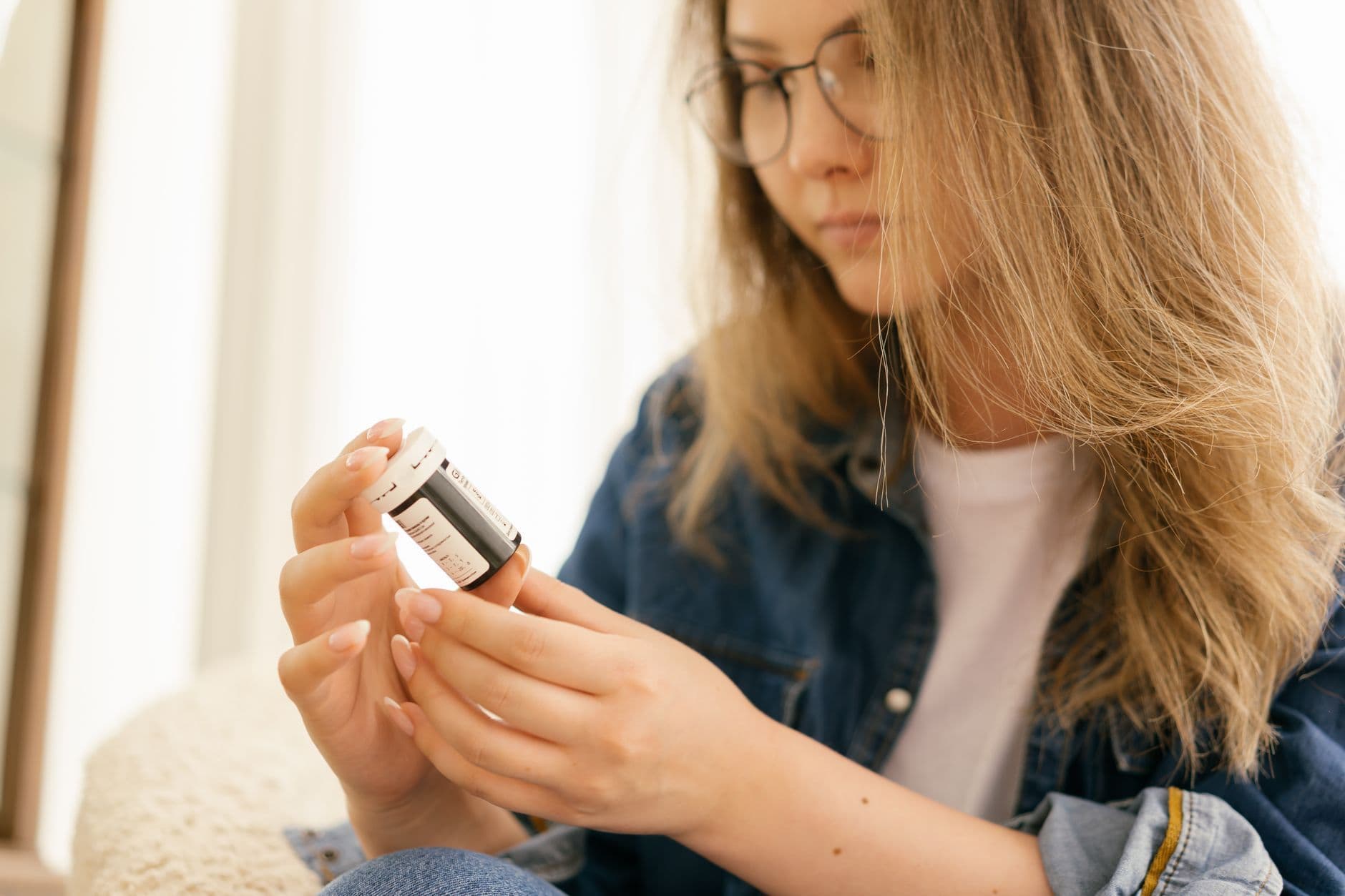
Photo: Matilda Wormwood / Pexels
A chemical that plastics makers began using as a safer substitute for phthalates has been linked to smaller babies in one of the largest studies yet on DINCH and pregnancy. Researchers led by NYU Langone Health looked at 6,617 pregnancies across the US and found that women with higher levels of DINCH in their urine tended to have lighter, smaller newborns.
Each tenfold increase in a mother's DINCH exposure went with a 27-gram drop in her baby's birth weight, just under an ounce. Babies of mothers with higher levels were also more likely to be born small for gestational age. Between 50 and 70 percent of the pregnant women in the study had a measurable DINCH by-product in their urine.
"Our findings suggest that a chemical promoted as a safer replacement for phthalates and other plasticizers may affect how babies grow in the womb," said Leonardo Trasande, MD, the study's lead author and a professor of pediatrics at NYU Grossman School of Medicine.
"Even small differences in birth size can matter because fetal growth problems can raise the risk for heart disease, learning difficulties, obesity, and other issues that can echo into adolescence and adulthood," Trasande said.
The researchers published their results online on Oct. 4 in the journal Environment International. They used data from the National Institutes of Health's Environmental Influences on Child Health Outcomes (ECHO) program, which includes mothers from many racial, ethnic and economic backgrounds across the country.
Exposure Late in Pregnancy Was Most Strongly Tied to Lower Birth Weight
Some women gave more than one urine sample, so the team could follow their DINCH levels from one trimester to the next. The researchers say it is the first study to measure DINCH at different points in pregnancy. Exposure in the third trimester was more strongly tied to lower birth weight than exposure earlier on.
In boys, the biggest differences were in birth length, while girls were more likely to be born small for gestational age. Children of Hispanic mothers and of mothers with less education were more likely to be affected, which the authors said raises concerns about unequal exposure and health effects.
Trasande said lab studies in animals and human cells suggest that when DINCH breaks down in the body, its by-products can interfere with the hormones that guide a baby's development and trigger inflammation that may affect how nutrients and oxygen reach the baby. The researchers caution that their analysis shows a link and cannot prove that DINCH causes smaller babies. Next, they plan to study how DINCH may slow a baby's growth in the womb, and to look at other chemicals now used in place of phthalates.
DINCH Has Been Sold as the Safer Alternative Since 2002
Phthalates, the chemicals used to make plastic more flexible, have been tied to premature birth, infertility and other problems, and manufacturers have been swapping them for newer chemicals. DINCH, short for diisononyl cyclohexane-1,2-dicarboxylate, came on the market in 2002 as a safer alternative plasticizer, according to a 2021 peer-reviewed study of the chemical. It is used in food packaging, children's toys and medical devices, and its use is growing: Europe makes more than 10,000 tons of it a year, and researchers in Germany have recorded rising levels of its by-products in people's urine over the years.
In 2015, researchers at the McGill University Health Centre in Montreal, who had been using DINCH as a control in their experiments because they believed it was safe, found in lab tests on rat fat tissue that one of its by-products affected how fat cells develop.
"These results underscore the need for stronger oversight of chemicals used in food packaging and other household products by requiring they be tested before they are introduced to the market, instead of after they are connected to health concerns," Trasande said, adding that "the global plastics treaty now under negotiation at the United Nations offers a key opportunity to establish such policies."
Plastics Marked 3, 6 or 7 Are the Most Likely to Contain Phthalates and Other Additives
Trasande's general advice for cutting exposure to plastic additives is to make one or two small changes and "do not stress about perfection." In his tips, he points out that plastic containers marked 3, 6 or 7 in the recycling symbol on the bottom are especially likely to contain phthalates and other additives. He also suggests choosing personal care products labeled "fragrance-free," because the word "fragrance" on a label can hide several chemicals, and products labeled "unscented" may still contain fragrance. For families worried about plastic additives, Trasande also suggests talking with a healthcare provider.
FAQ
What does it mean for a baby to be "small for gestational age"?
Did the study find a link between DINCH and preterm birth?
Has DINCH been approved for use with food?
Enjoying this article?
Subscribe to our newsletter and never miss a story. No spam, ever.

Editor-in-Chief
Editor-in-Chief of Rich Woman Magazine, founder of Sovereign Magazine, author of many books, Dr Marina Nani is a social edification scientist coining a new industry, Social Edification. Passionately advocating to celebrate your human potential, she is well known for her trademark "Be Seen- Be Heard- Be You" running red carpet events and advanced courses like Blog Genius®, Book Genius®, Podcast Genius®, the cornerstones of her teaching. The constant practitioner of good news, she founded MAKE THE NEWS ( MTN) with the aim to diagnose and close the achievement gap globally. Founder of many publications, British Brands with global reach Marina believes that there is a genius ( Stardust) in each individual, regardless of past and present circumstances. "Not recognising your talent leaves society at loss. Sharing the good news makes a significant difference in your perception about yourself, your industry and your community."