
How to Stress Less When in Italy
A clear, practical guide to travelling in Italy with less stress, built around three real Italian habits and the psychology of why they work.

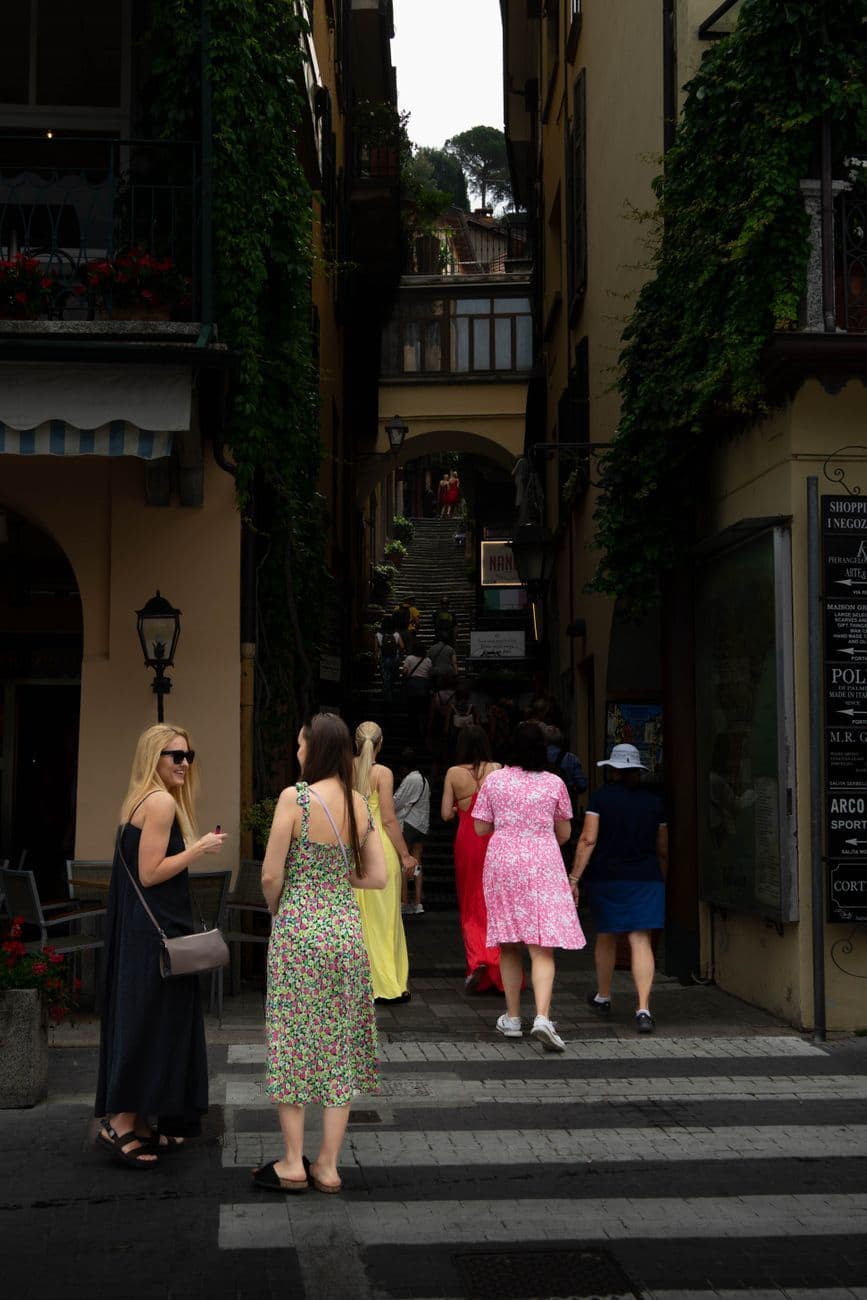
Photo: Husam Wafaei / Pexels
A traveller checks a train timetable in a small Ligurian station and notices it is now eleven minutes past the printed departure time. A small, familiar spike of anxiety follows. Around them, nobody else has noticed. A shopkeeper is finishing a conversation about a grandson's football match. The train, when it arrives, arrives anyway. Nothing was actually wrong. Only one person's sense of time was.
That gap, between a traveller's expectations and the pace of the place they are standing in, is where nearly all travel stress in Italy actually comes from. Psychologists studying cultural adjustment have tracked this since the 1950s, and a 2015 study following more than 2,500 exchange students across fifty countries confirmed the pattern with one useful detail: how quickly the discomfort fades depends less on the destination than on whether a person resists the unfamiliar pace or works with it. Italy makes an unusually good test case, because its slowness is not disorganisation. It is a set of specific, deliberate habits. Three of them, understood correctly, are the difference between a stressful trip and a restful one.
Piano Piano
This article is for members only
Become a member to unlock this article and all premium content.