

Kath Orman spent more than 30 years as a certified financial planner in Australia. She ran her own practice (Goals & Dreams Financial Planning) from 2001, working with clients on everything from investments to retirement. But when she sat down to write her first book, she didn’t start with spreadsheets.
Attitude, Abundance & Action, self-published in June 2024 while Orman was still running her practice, opens with a question most finance books skip entirely: what did your parents teach you about money? Not the practical bits (how to budget, where to invest) but the emotional stuff. The assumptions. The anxiety. The silence.
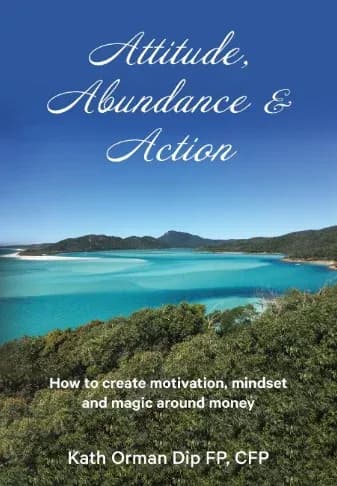
Featured Book
Attitude, Abundance & Action
by Kath Orman
In Attitude, Abundance & Action, Kath Orman draws on more than 30 years as a financial planner to explore the emotional patterns that shape how we handle money. Using the metaphor of a jigsaw puzzle, she walks readers through the mindset shifts, inherited beliefs and practical steps needed to break free from the financial cycles passed down by parents and family.
Author's WebsiteWe may earn a commission from purchases made through this link.
The jigsaw puzzle that starts with mindset
Orman uses a jigsaw puzzle as her central metaphor. Financial planning, she argues, looks overwhelming when all the pieces are scattered across the table. But once you sort the edges (your mindset, your inherited beliefs, your actual relationship with money) the picture starts to come together. The book walks through each piece: attitude first, then abundance as something you cultivate, then the practical actions that follow naturally once the first two are in place.
Orman watched this play out across three decades of client meetings: clients would come in with some knowledge of what they should be doing but hadn’t done it. They also learned what they didn’t know about options, strategies and their own belief patterns and fears. The book reads like the conversation she had with those clients before getting into the numbers.
What your parents taught you without saying a word
The cycle Orman keeps returning to is specific: the inherited patterns from parents and family that most of us never examine. If your mother worried about money constantly, you probably absorbed that worry without realising it. If your father never discussed finances, you might carry that silence into your own relationships. Her argument is that changing your relationship with money starts with recognising these patterns, not only with a better savings and investment plan.
‘Empowering ourselves with increased knowledge and understanding creates a new energy,’ Orman writes. ‘You are then ready to attract the abundance you desire. The cycle of the past can be broken.’
That blend of financial rigour and holistic thinking shapes the book’s perspective entirely. Money and wellbeing aren’t separate problems in Orman’s view. They’re the same problem, experienced differently. And for anyone who has ever felt that their relationship with money runs deeper than their bank balance, her book makes a quiet case for looking there first.
In case you were wondering…
What is the money abundance mentality?
What are the four money beliefs?
What is blocking my abundance?
Enjoying this article?
Subscribe to our newsletter and never miss a story. No spam, ever.