Kenso Soai Spent Eight More Years on One Reaction: The Patience Behind a Nobel Prize
A chemist from Hiroshima turned a two per cent head start into a reaction that only life itself had managed before. What the 2026 Nobel laureate teaches you about patience and small advantages.

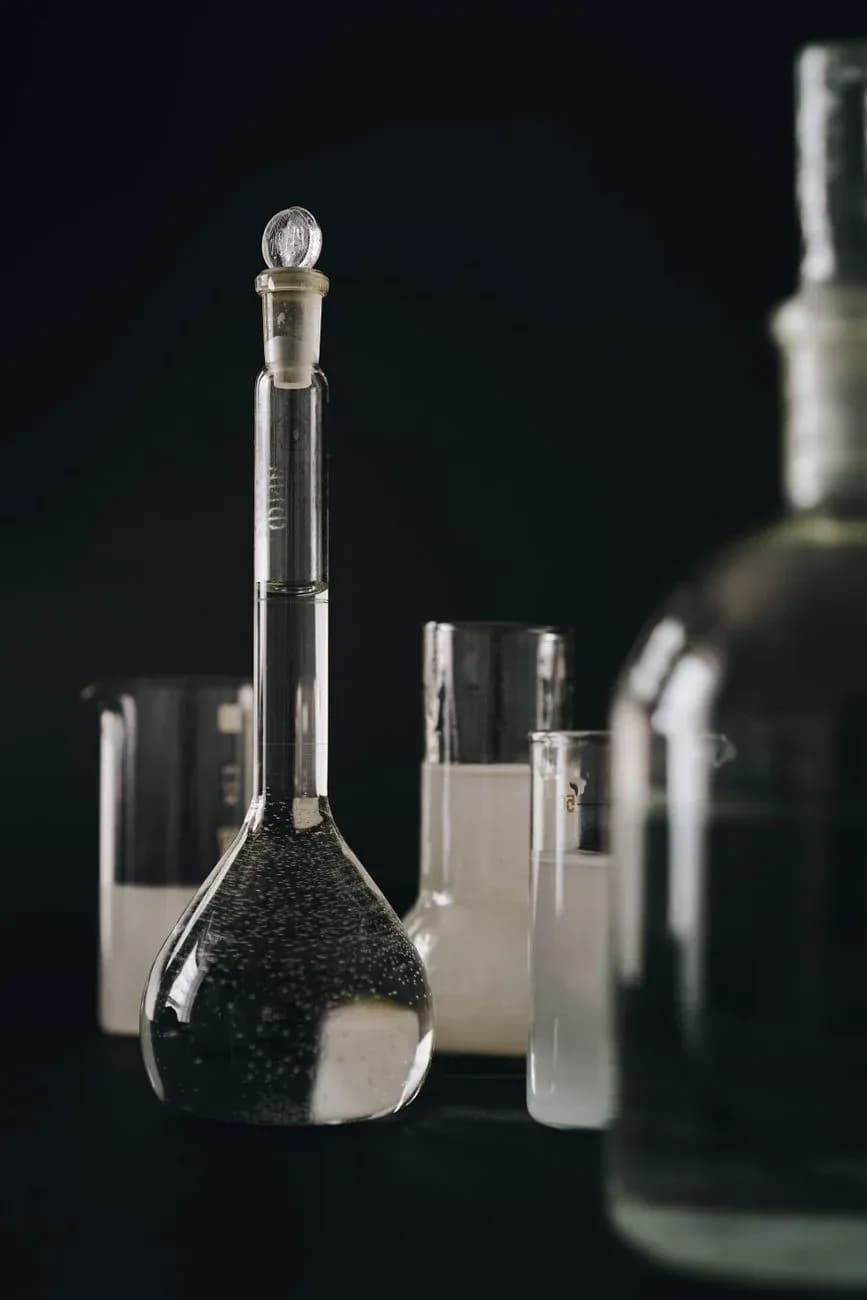
Photo: olia danilevich / Pexels
Kenso Soai's first interview as a Nobel laureate lasted only a few minutes. Halfway through, he politely apologised. Japan's prime minister was about to call him, at 7.45am Tokyo time.
It was a fitting interruption for a man whose life's work is about small things that grow very large. Soai, Professor Emeritus at the Tokyo University of Science, shares the 2026 Nobel Prize in Chemistry with Henri Kagan of France, 'for the discovery of non-linear effects and autocatalysis in asymmetric organic synthesis'.
From Hiroshima to the Origin of Life
Soai was born in Hiroshima in 1950, and earned his doctorate at the University of Tokyo in 1979. His work addresses one of the oldest puzzles in science. Many of life's molecules come in two mirror-image forms, like left and right hands, yet living things use only one. In the laboratory, reactions always produced an even mix of both. So how did life come to choose one hand?
Louis Pasteur wondered about this in the 19th century, Soai reminded his interviewer, and even tried to make it happen. In 1953, a Bristol physicist, Charles Frank, set out three conditions a reaction would need. One of them was that the product must make more copies of itself, a process called autocatalysis.
A Small Head Start
Inspired by Kagan's discovery, Soai noticed that the catalyst and the product of one reaction looked remarkably alike. Perhaps, he thought, he could design a reaction in which the product made itself. Nobody had ever achieved an autocatalytic reaction that also favoured one mirror image.
He experimented with molecule after molecule, by trial and error, until he found one that worked. In 1995 he published the result. He started with a two per cent excess of one form, and ended with an excess of 87 per cent. The reaction fed on itself.
It was a triumph, but it was not yet perfect. Soai kept going for another eight years. In 2003, he presented the reaction that made his name. It started from molecules with no preference for either hand. By chance, slightly more of one form appeared, and that tiny excess took over the whole reaction until it made up as much as 99.99 per cent of the product. When he repeated it, sometimes the other hand won. The outcome depended entirely on what happened by chance at the very start.
The Nobel Committee calls the Soai reaction one of the most elegant chemical experiments ever conducted. Other than life itself, nobody had achieved it before.
What His Story Teaches You
Small advantages compound. A two per cent head start became 87 per cent. A barely visible excess became 99.99 per cent. Your own small hinges work the same way: ten minutes of daylight, one kind message, one page read before bed. Repeated, they take over the reaction of your life.
Patience is a method, not a mood. Soai had a publishable result in 1995 and kept going until 2003. If you are close to something good this year, ask whether eight more months, or eight more years, could make it great.
Trial and error is honourable. He found his molecule by testing many that failed. Every failed attempt this autumn is a molecule ruled out, not a mark against you.
Your start shapes your direction. In the Soai reaction, the first tiny imbalance shapes everything that follows. The first hour of your day, and the first weeks of a new habit, matter more than they seem.
Treat rivals as friends. Chemists all over the world now study his reaction. Soai calls them his scientific friends.
The Chemistry of a New Year
With 53 days left of 2026, you do not need a revolution. You need a small excess of something good, and the patience to let it copy itself. Kenso Soai showed that a tiny imbalance can grow until it fills everything. Choose yours this week.
Enjoying this article?
Subscribe to our newsletter and never miss a story. No spam, ever.

Editor-in-Chief
Editor-in-Chief of Rich Woman Magazine, founder of Sovereign Magazine, author of many books, Dr Marina Nani is a social edification scientist coining a new industry, Social Edification. Passionately advocating to celebrate your human potential, she is well known for her trademark "Be Seen- Be Heard- Be You" running red carpet events and advanced courses like Blog Genius®, Book Genius®, Podcast Genius®, the cornerstones of her teaching. The constant practitioner of good news, she founded MAKE THE NEWS ( MTN) with the aim to diagnose and close the achievement gap globally. Founder of many publications, British Brands with global reach Marina believes that there is a genius ( Stardust) in each individual, regardless of past and present circumstances. "Not recognising your talent leaves society at loss. Sharing the good news makes a significant difference in your perception about yourself, your industry and your community."
Related Articles
The Pay Gap Is 17% at the Top: 7 Ways to Close Yours

Lessons Learned From This Year's Challenges: Seven Self-Awareness Hacks

How to Finish the Year Strong: 8 Things Successful People Do in November