Iron Keeps Your Energy, Hair and Focus Strong: How to Eat More of It Every Day
Searches for low iron symptoms in women have soared this autumn. Here is how to spot the signs and keep your iron, and your energy, topped up all winter.

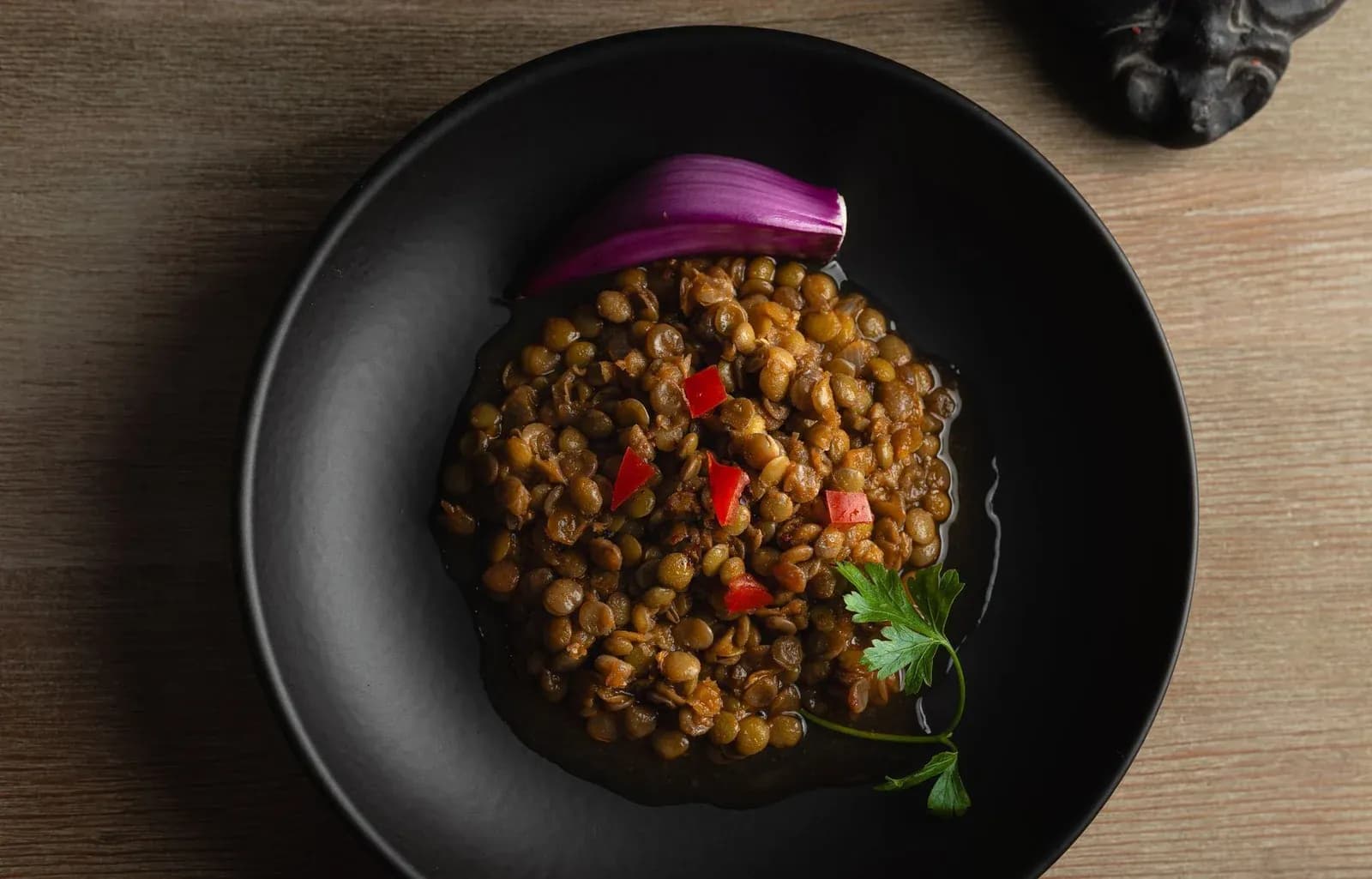
Photo: Vural Yavas / Pexels
If you spend your afternoons fighting to keep your eyes open, your iron levels are one of the first things worth looking at. Iron carries oxygen from your lungs to every cell in your body, from the muscles that carry the shopping to the brain that holds your whole family's diary. When your stores run low, your body has less oxygen to work with, and you feel it as tiredness, foggy concentration and a shorter fuse. Searches for low iron symptoms in women have climbed sharply this autumn, and for most women the answer starts on the plate.
Women need almost twice as much iron as men. From your teens until menopause, the NHS recommends 14.8mg a day, compared with 8.7mg for men, as you lose iron every month through your period. Heavy periods, a busy week that leaves meals to chance and a diet with little meat all make it harder to keep up.
Low iron tends to arrive slowly, so it is easy to blame a busy life. Look out for tiredness that sleep does not fix, pale skin, breathlessness on the stairs, a racing heartbeat, headaches, hair that sheds more than usual, brittle nails, cold hands and feet and restless legs at night. If several sound familiar, ask your GP for a blood test that checks your ferritin, your body's iron reserve. The test takes minutes and the result shows exactly where you stand.
Build iron into every meal. Your body absorbs the iron in red meat, chicken thighs, eggs and oily fish such as sardines and mackerel most easily. Plant foods add plenty more: lentils, chickpeas, beans, tofu, pumpkin and sesame seeds, cashews, dried apricots and figs, kale and fortified breakfast cereals. Fortified cereal with pumpkin seeds at breakfast, lentil soup at lunch and a beef or tofu stir-fry at dinner covers a large part of your daily need.
Pair iron with vitamin C. Vitamin C turns the iron in plant foods into a form your gut absorbs far more readily. Squeeze lemon over your greens, add red peppers or tomatoes to bean dishes or finish a meal with an orange, a kiwi or a handful of strawberries.
Move your tea and coffee. Tannins in tea and coffee bind to iron and stop much of it from being absorbed, so enjoy your cup an hour before or after a meal rather than with it. Calcium competes with iron too, so take any calcium supplement at a different time of day from your iron-rich meals.
Cook in cast iron. Simmering acidic dishes such as tomato sauce or chilli in a cast iron pan adds small amounts of iron to your food, and the pan lasts a lifetime.
Use supplements wisely. If your blood test shows you are low, your GP may suggest iron tablets for a few months. Take them only on medical advice, as too much iron can upset your stomach and harm your liver, and store them out of children's reach. A glass of orange juice with your tablet helps it absorb, and your GP can suggest a gentler form if tablets disagree with you.
Talk to your GP about heavy periods. If you need to change your pad or tampon every hour or two, pass clots larger than a 10p coin or bleed for more than seven days, your periods may be draining iron faster than food can replace it. Treatments work well and can transform how you feel.
Your iron stores take a few months to rebuild, so give your new habits time. The reward is more energy for the people and plans you love.
Enjoying this article?
Subscribe to our newsletter and never miss a story. No spam, ever.

Editor-in-Chief
Editor-in-Chief of Rich Woman Magazine, founder of Sovereign Magazine, author of many books, Dr Marina Nani is a social edification scientist coining a new industry, Social Edification. Passionately advocating to celebrate your human potential, she is well known for her trademark "Be Seen- Be Heard- Be You" running red carpet events and advanced courses like Blog Genius®, Book Genius®, Podcast Genius®, the cornerstones of her teaching. The constant practitioner of good news, she founded MAKE THE NEWS ( MTN) with the aim to diagnose and close the achievement gap globally. Founder of many publications, British Brands with global reach Marina believes that there is a genius ( Stardust) in each individual, regardless of past and present circumstances. "Not recognising your talent leaves society at loss. Sharing the good news makes a significant difference in your perception about yourself, your industry and your community."
Related Articles

Your Immune System Runs on Sleep, Food and Calm: How to Support It Through Cold and Flu Season

Stress Is Contagious

The 777 Rule Gives Busy Parents a Simple Plan for Staying Close as a Couple: How to Make It Work