A Sense of Purpose Shapes Your Health and Longevity
Across 488,765 people followed for up to 32 years, a strong sense of purpose went with a roughly 30% lower risk of early death and a healthier brain. Here is how you build it at any age.

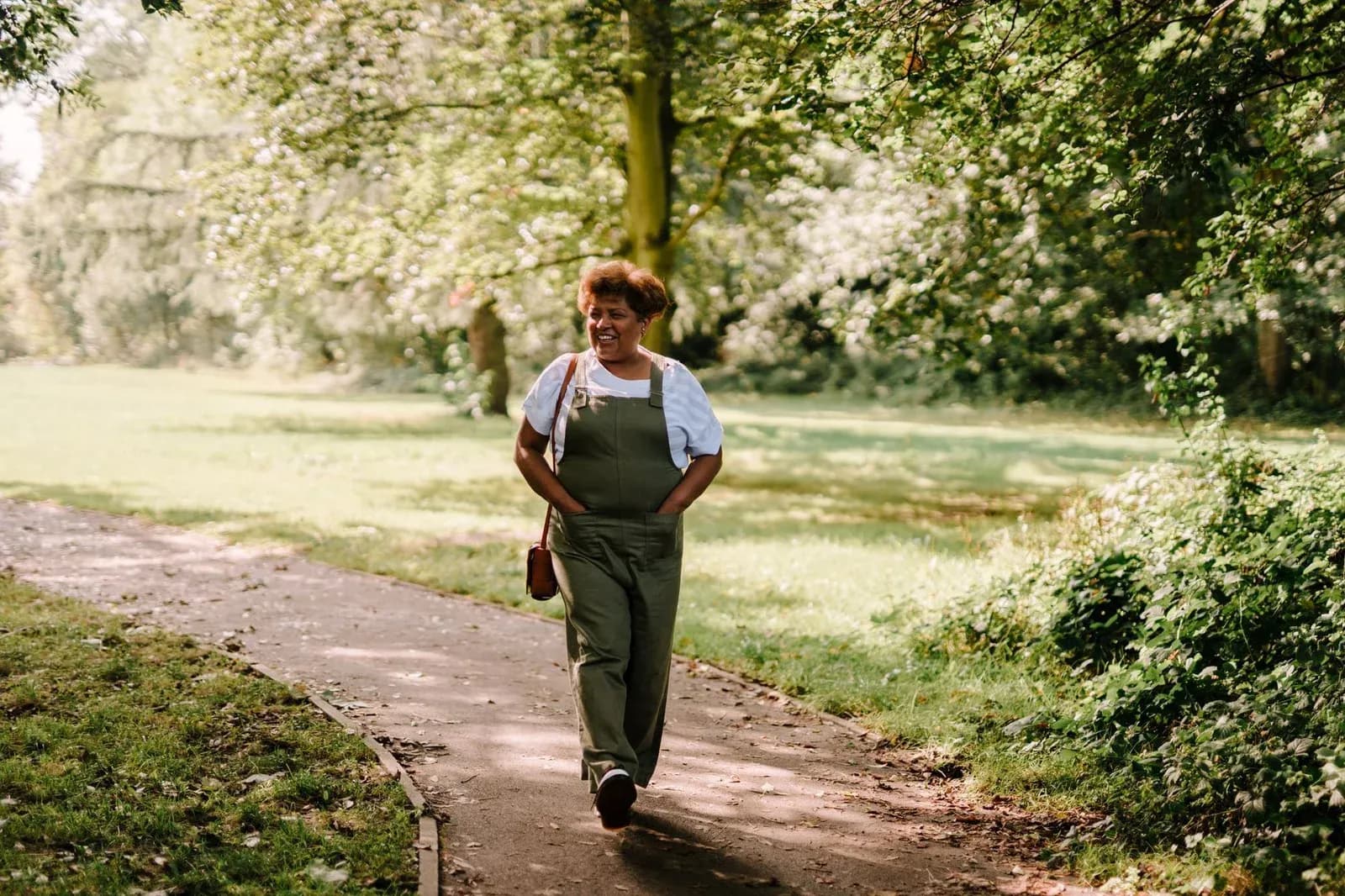
Photo: Centre for Ageing Better / Pexels
Most of us can point to the moment our sense of purpose wobbled. The last child leaves home. The leaving drinks close a 30-year career. A parent needs care, a marriage ends, or a long-awaited promotion feels smaller than the effort it took. Life carries on, but the reason to get up in the morning has become harder to name.
That loss reaches further than your mood. In July 2026, researchers pooled 25 long-running studies from the United States, Britain, continental Europe, Japan and Australia, covering 488,765 people, 48,928 deaths and up to 32 years of follow-up. People with a weak sense of purpose faced about a third higher risk of dying earlier than people with a strong one, a gap the researchers summarise as roughly 30%. It is the largest analysis of purpose and longevity ever published, and it updates a landmark review from ten years earlier that included fewer than a third as many people.
Several of the largest samples come from Japan, where the idea has its own word: ikigai, often translated as 'a life worth living'.
This article is for members only
Become a member to unlock this article and all premium content.
Related Articles

Birdwatching Sharpens Attention and Mood at Any Age, So Start Your Children Before They Turn 11

Young Adults Now Flourish Least, and Purpose Can Help

How Confident Are You Really? The 8-Question Check That Reveals How You Make Decisions