What It Feels Like To Be A Birth Mum: True Stories From Georgia’s Adoption Journeys
Birth mothers navigate grief, support and self-discovery as they choose adoption—highlighting emotional wellbeing, identity and lifelong healing

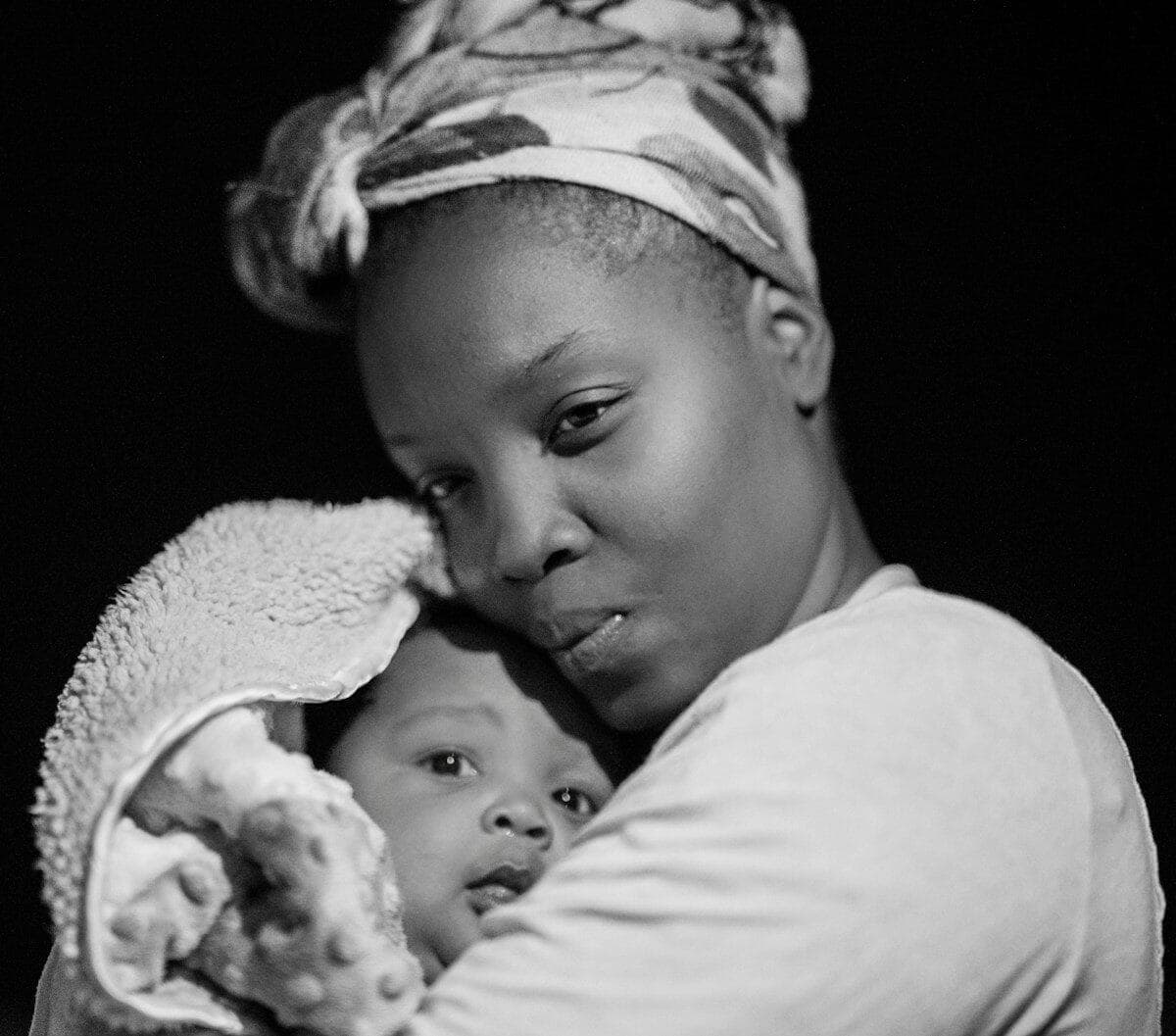
Sarah sits in the quiet counselling room at A Adoption Advocates of Georgia, her hands folded carefully in her lap as she processes the decision that will change her life forever. The twenty-two-year-old from Atlanta has been coming here for weeks, working through the complex emotions that come with choosing adoption for her unborn child. It’s a decision she never imagined making, yet here she is, surrounded by understanding voices who’ve walked this path with hundreds of other women over the past 15 years.
Sarah’s story mirrors that of countless birth mothers across Georgia who find themselves navigating one of life’s most emotionally challenging decisions. What many don’t realise is the intricate emotional territory these women traverse – not just in making the choice, but in living with it long after their child is placed with an adoptive family.
The Weight Of Choosing
The decision to place a child for adoption carries emotional complexities that extend far beyond the initial choice. For many birth mothers, the journey begins with fear, uncertainty and a profound sense of responsibility. According to research from adoption support organisations, women often experience a range of intense emotions including anxiety, grief and doubt throughout the process.
‘The hardest part isn’t just making the decision,’ explains one birth mother who worked with a Georgia agency. ‘It’s the months of wondering if you’re doing the right thing, then the years afterwards of processing what it all means.’ Her experience reflects what adoption counsellors see regularly – women grappling with identity, loss and hope simultaneously.
The emotions don’t follow a neat timeline. Birth mothers report feeling waves of grief, relief, pride and sadness that can surface unexpectedly months or even years after placement. Like many women who face difficult parenting decisions, learning to live with complex emotions becomes part of their ongoing journey.
What Real Support Looks Like
Ashley A. Byers, Executive Director of A Adoption Advocates of Georgia, describes their approach simply: ‘Our mission has always been simple: to serve children by helping create safe, loving families.’ But for birth mothers like Sarah, that mission translates into something much more personal – a lifeline during one of their most vulnerable periods.
The agency’s approach to birth parent counselling reflects a deeper understanding of what these women actually need. It’s not just about facilitating the adoption process; it’s about acknowledging the profound emotional journey that extends well beyond placement day. This includes providing access to counsellors who understand adoption-specific grief and the unique challenges birth mothers face.
Real support, according to birth mothers themselves, means having someone who won’t judge their decision, who understands the complexity of loving a child enough to place them elsewhere, and who recognises that healing doesn’t happen on a set schedule. Many agencies now provide counselling services for up to a year post-placement, acknowledging that ongoing emotional support is crucial for birth mothers’ wellbeing.
The Counselling Room
Inside the counselling sessions, birth mothers work through questions that have no easy answers. What will it feel like to not take this baby home? How do you explain this decision to family members who don’t understand? What happens on the child’s birthday each year? These are the conversations that happen behind closed doors, where women can be honest about their fears and hopes without judgment.
Counsellors trained in adoption work understand that birth mothers aren’t just ‘giving up’ a child – they’re making an active parenting decision. This changes everything about how support is provided and how birth mothers view themselves afterwards. The language used, the way their choice is framed, and the ongoing acknowledgment of their role as birth parents all contribute to healthier long-term outcomes.
The Years After
For agencies that have been operating for over a decade, like A Adoption Advocates of Georgia with its 15-plus years of service, there’s a unique perspective on what birth mothers need over time. The stories they share aren’t just about successful placements – they’re about women who’ve found peace with their decisions, who’ve built relationships with adoptive families, and who’ve discovered their own paths to healing.
The reality isn’t always straightforward. Birth mothers report that society often expects them to either regret their decision entirely or feel completely at peace with it. The truth, many say, is more nuanced. They can simultaneously feel proud of their choice and grief for what they’ve lost. They can love the adoptive family while still experiencing profound sadness on difficult days.
Much like other women who’ve faced profound loss, finding ways to move forward with grief becomes an ongoing process rather than a destination. Birth mothers who have access to ongoing counselling, peer support groups and understanding professionals report better emotional outcomes years after placement. They’re more likely to maintain healthy relationships with adoptive families and to view their decision as a positive, albeit difficult, choice.
The summer information sessions that A Adoption Advocates of Georgia hosts serve a dual purpose – they educate prospective adoptive parents and birth mothers exploring their options, but they also create opportunities for ongoing connection and support within the adoption community.
Creating Families Of All Kinds
With Father’s Day recently passed, there’s recognition that adoption creates fathers too – men who become dads through the courageous decisions of birth mothers. Yet the focus often remains on the joy of adoptive families while overlooking the complex emotions of birth parents. Agencies working ethically in this space understand that supporting birth mothers isn’t just about facilitating adoptions – it’s about recognising their ongoing role in the story.
Birth mothers frequently express that they want adoptive parents to understand what their decision cost them emotionally, not to create guilt, but to foster deeper appreciation and connection. When adoptive families truly understand the significance of what birth mothers have chosen, it often leads to more meaningful relationships and better outcomes for everyone involved, including the children at the centre of these decisions.
Finding Peace In Complexity
Back in that counselling room, Sarah continues her weekly sessions, working through the emotions that come with her approaching due date. Some days she feels confident in her decision; others bring doubt and fear. Her counsellor reminds her that both feelings can coexist – that choosing adoption doesn’t mean she loves her child any less, and that feeling sad about her decision doesn’t mean she’s making the wrong choice.
Much like women who’ve experienced difficult birth experiences, birth mothers often find that their feelings don’t fit into neat categories. There are no perfect emotions, no ‘right’ way to feel about placing a child for adoption. There’s only the messy, complicated, profoundly human experience of making one of life’s most difficult decisions and learning to live with it.
For women like Sarah, and the hundreds of others who’ve walked through similar doors across Georgia, the support doesn’t end with placement. It continues in the months and years that follow, acknowledging that birth mothers aren’t just part of an adoption story – they’re whole people whose lives continue, who deserve ongoing care and who often find their own unexpected forms of peace within the complexity of their choice.
The 15 years of stories held within the walls of agencies like A Adoption Advocates of Georgia represent more than successful adoptions or happy families. They represent women who’ve made impossible decisions with courage, who’ve been supported through their darkest moments, and who’ve found ways to carry both love and loss forward into their lives – often simultaneously, and always with profound strength.
Enjoying this article?
Subscribe to our newsletter and never miss a story. No spam, ever.

Editor-in-Chief
Editor-in-Chief of Rich Woman Magazine, founder of Sovereign Magazine, author of many books, Dr Marina Nani is a social edification scientist coining a new industry, Social Edification. Passionately advocating to celebrate your human potential, she is well known for her trademark "Be Seen- Be Heard- Be You" running red carpet events and advanced courses like Blog Genius®, Book Genius®, Podcast Genius®, the cornerstones of her teaching. The constant practitioner of good news, she founded MAKE THE NEWS ( MTN) with the aim to diagnose and close the achievement gap globally. Founder of many publications, British Brands with global reach Marina believes that there is a genius ( Stardust) in each individual, regardless of past and present circumstances. "Not recognising your talent leaves society at loss. Sharing the good news makes a significant difference in your perception about yourself, your industry and your community."