8 Garden Jobs for the Week Starting 16th November, From Planting Tulips to Pruning Your Apple Tree
Mid-November is the last good window for tulips and garlic and the first for bare-root roses. Eight jobs that set your garden up for spring, done in a few dry hours this week.
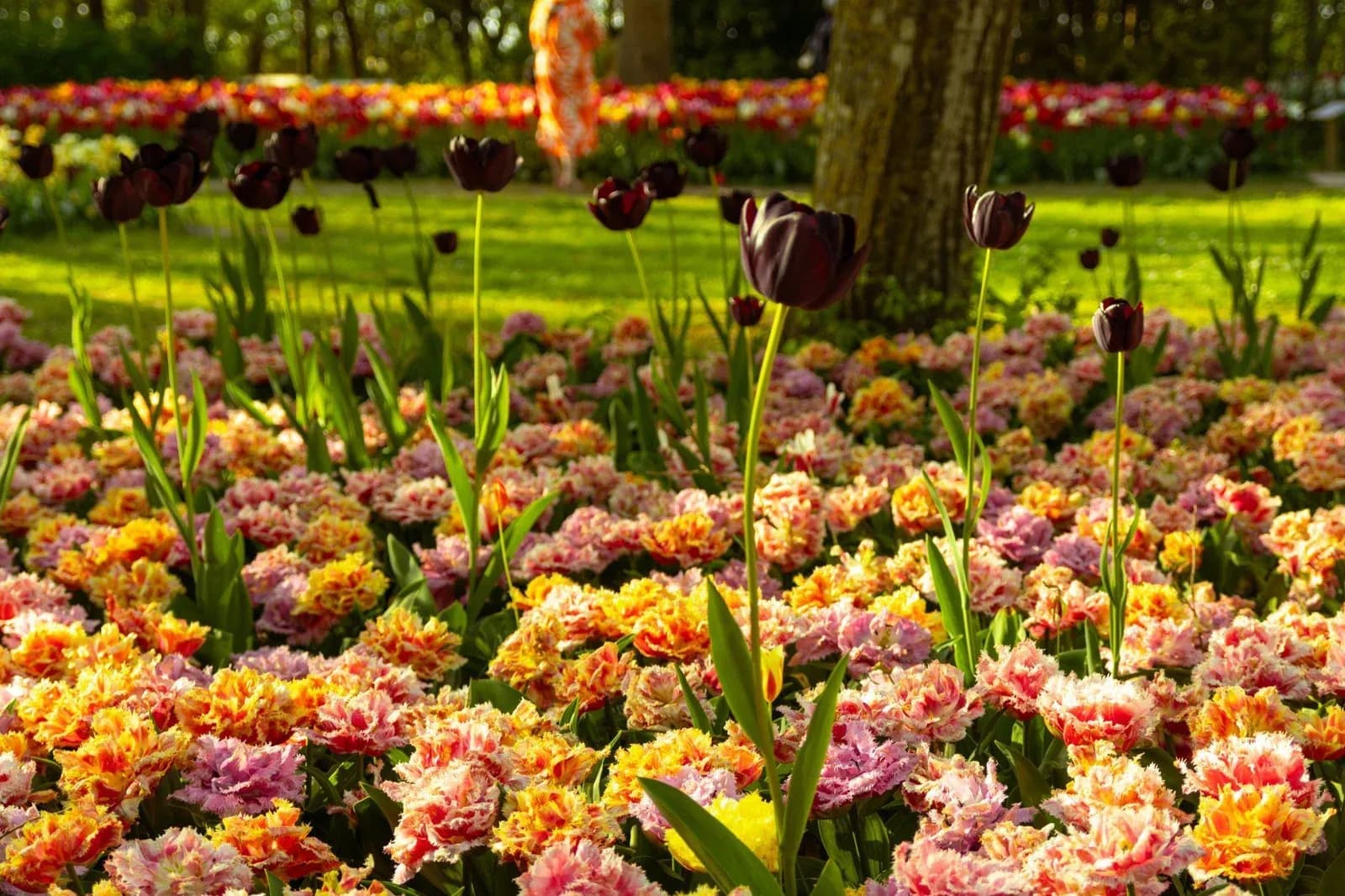
Photo: Vladislovas Sketerskis / Pexels
The garden slows down in November, but it does not stop. The soil is still warmer than the air, which gives new roots a head start, and the plants that have gone dormant are ready to be moved, planted and pruned. With London's daylight falling below nine hours this week, pick a dry afternoon and work through the list below.
Plant Tulip Bulbs Now
November is the best month to plant tulips. Cold soil reduces the risk of tulip fire, a fungus that spoils leaves and flowers, so bulbs planted now often do better than those planted in September. Set them at two to three times their own depth, pointed end up, in pots or in borders that drain well. Planted in groups of seven or more, they give a fuller show in April.
Put Garlic in the Ground
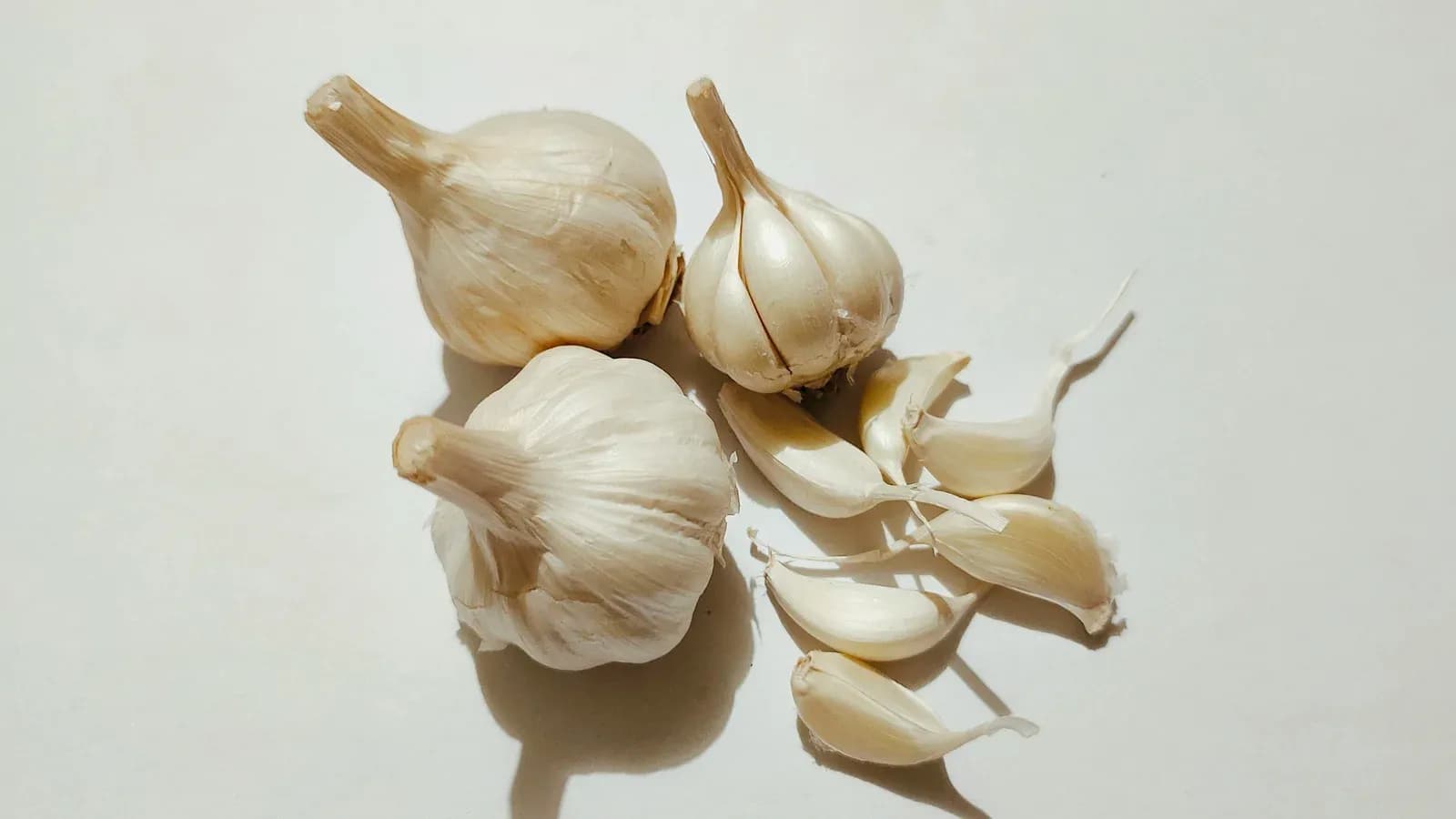
Garlic needs a spell of cold to split into separate cloves, and planting it before the end of November gives it that winter chill. Break a bulb into cloves, push each one into the soil with the pointed tip just below the surface, and space them about 15cm apart in a sunny spot.
Order and Plant Bare-Root Roses
The bare-root season runs from November to March, and roses, fruit trees and hedging plants sold this way cost less than those grown in pots. Soak the roots in a bucket of water for an hour before planting, dig a hole wide enough to spread the roots out, and plant so the point where the stems join the roots sits just below the soil.
Lift Your Pots Off the Ground
Pots that sit in cold water through winter crack when the water freezes, and the roots inside rot. Raise them on pot feet or a couple of bricks so the water can drain away. Group tender plants together against a sheltered wall, where they keep each other warmer.
Turn Fallen Leaves Into Leaf Mould
Leaves are free compost. Rake them off the lawn, where they block light and cause yellow patches, and pack them damp into black bin bags with a few holes pierced in the sides. Tie the bags and leave them behind the shed. In one to two years, the leaves break down into a dark, crumbly mulch that improves any soil.
Cut Back or Protect Your Dahlias
Once the first frost blackens dahlia leaves, cut the stems down to about 15cm. In mild areas with soil that drains well, you can leave the tubers in the ground under a thick layer of mulch. In colder or wetter gardens, lift them, let them dry upside down for a few days and store them in a box of dry compost in a frost-free shed or garage.
Prune Apple and Pear Trees
Apple and pear trees can be pruned from November to early March, while they are dormant and you can see the shape of the branches. Remove dead, damaged and crossing branches first, then open up the centre of the tree so light and air can reach the fruit next summer. Leave plums and cherries alone until summer, as winter cuts let in silver leaf disease.
Feed the Birds and Clean the Feeders
Natural food runs short from now until spring. Hang fat balls, sunflower hearts and peanuts in a mesh feeder, and put out fresh water every morning when there is frost. Scrub feeders and bird baths every couple of weeks with hot soapy water to stop disease spreading between birds.
A Few Hours Now, a Full Garden in Spring
None of these jobs takes long, and each one pays you back months later. The tulips you plant on a cold afternoon this week will open in April, the garlic will be ready in July, and the birds that visit your feeder through the dark weeks will be the ones singing in the garden when the light comes back.
Enjoying this article?
Subscribe to our newsletter and never miss a story. No spam, ever.