Aloha Was a Hawaiian Way of Life for Centuries Before Hawaiʻi Wrote It Into Law
Long before the 1986 Aloha Spirit Law, aloha was a shared breath, a family that never closed its doors and a love for the land that feeds you. Here is how to live it.

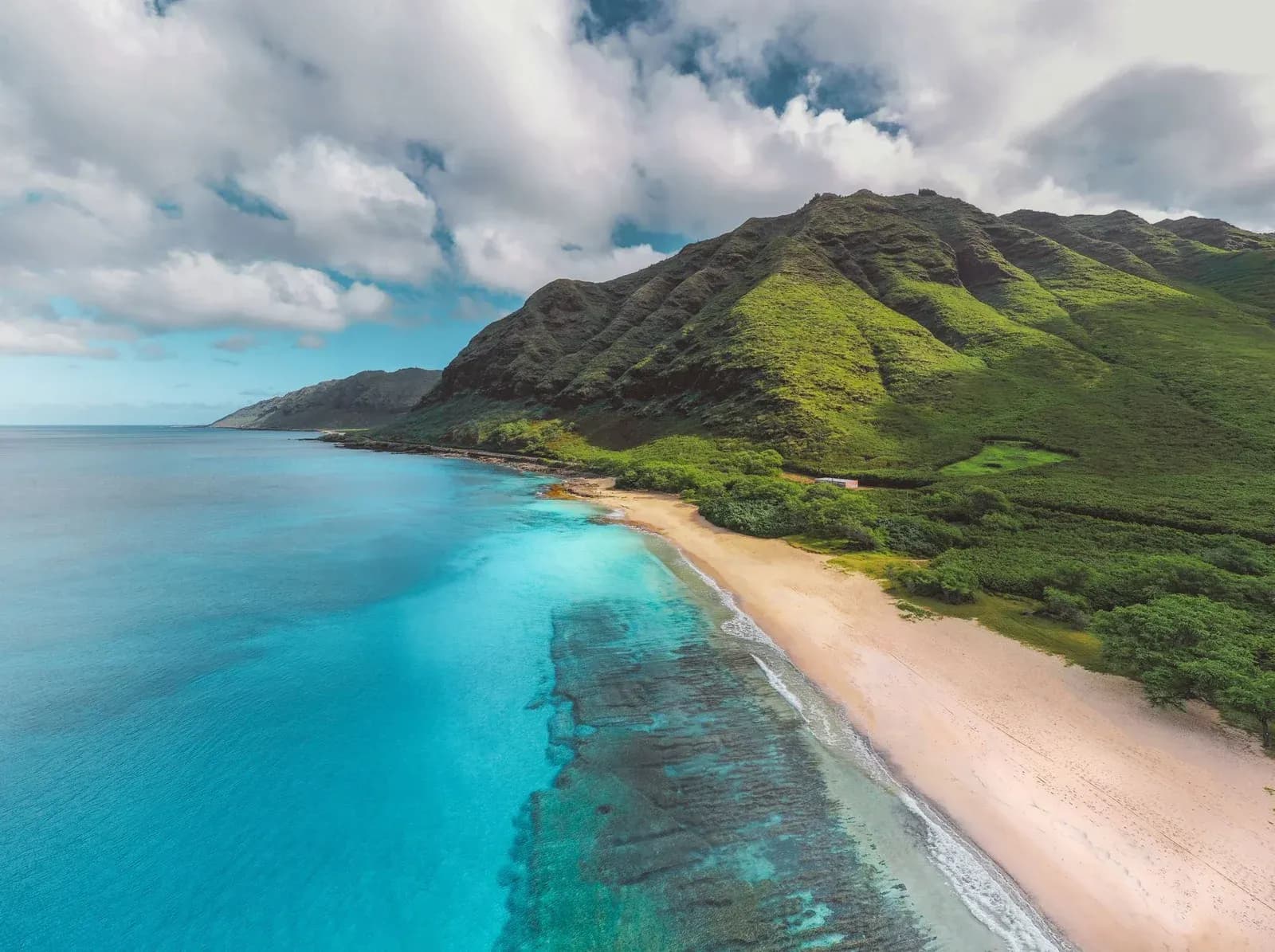
Photo: Jess Loiterton / Pexels
In Hawaiʻi, aloha usually reaches you before anyone says the word. An auntie at a roadside fruit stand slips an extra mango into your bag. A family on the beach waves you over to share their shade and the fish they have just grilled. A neighbour you met yesterday turns up with a pot of rice when she hears you are unwell. Nobody keeps score, and nobody expects to be paid back.
Visitors often leave thinking aloha means hello and goodbye. For Hawaiians it has always meant a way of living: you treat every person you meet, and the land beneath your feet, with care given freely. Generations lived by it long before anyone wrote it down.
Aloha begins with a shared breath
This article is for members only
Become a member to unlock this article and all premium content.
Related Articles
Checkout Chores Are Over: What Airbnb's New House Rules Mean for Your Next Stay

No Airport, No Railway, All Mountain: How to Plan a Meaningful Trip to Andorra

Autumn Equinox 2026: What You Expect From 23 September Now and What Changed Since the Greek Astronomer Hipparchus' Records?