No Airport, No Railway, All Mountain: How to Plan a Meaningful Trip to Andorra
Europe's highest capital has no runway and has never had a railway. Here is how to reach Andorra slowly, walk its UNESCO valley and travel lightly in the Pyrenees.

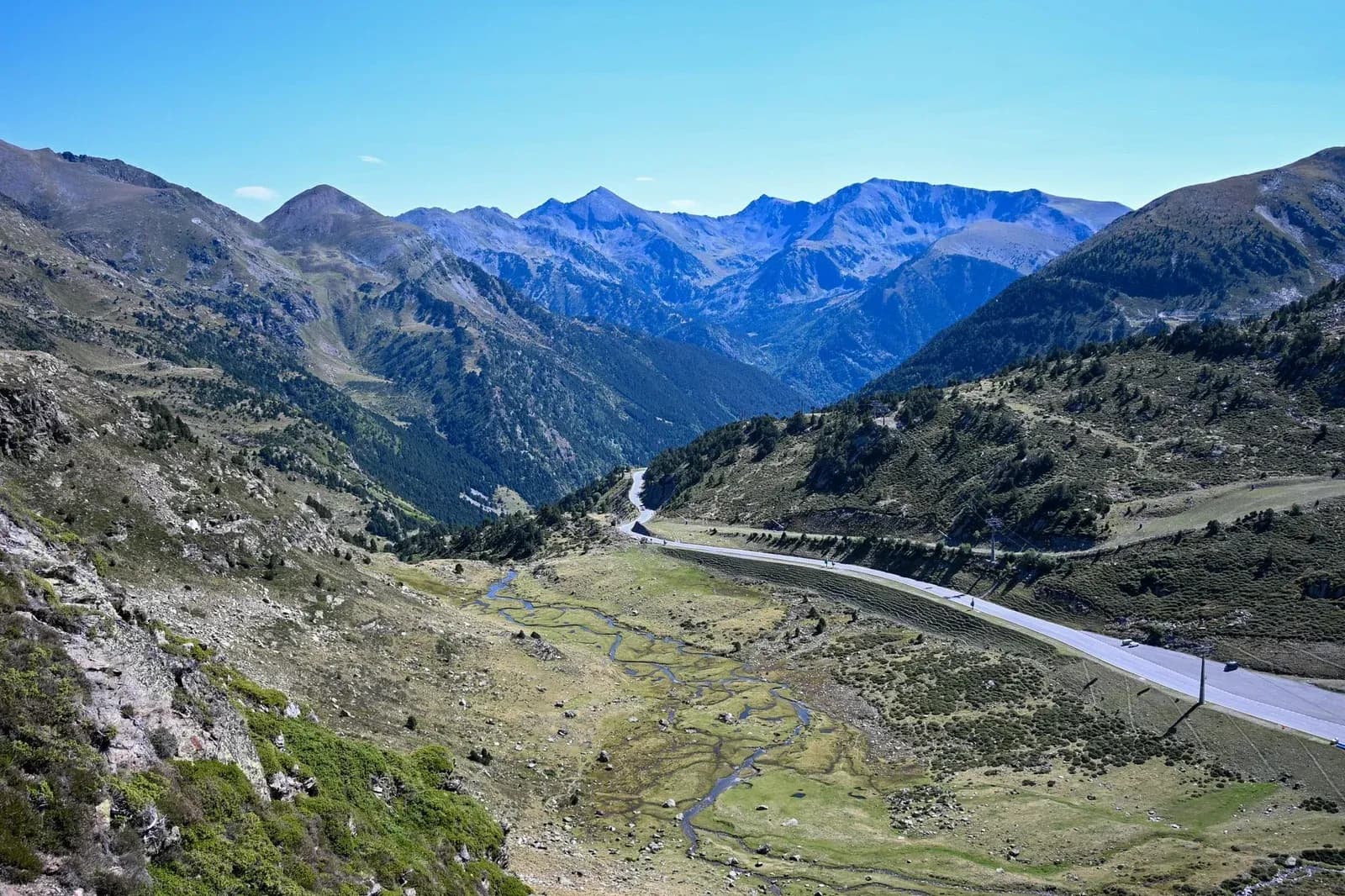
Photo: Beppe Camilleri / Pexels
There is no departures board in Andorra. No runway cuts across its valleys, and no train has ever pulled into one of its towns. Andorra is the only sovereign European country that is not an island and has never had a railway. Its capital, Andorra la Vella, sits at 1,023 metres, the highest in Europe, and the whole country covers just 468 square kilometres of the eastern Pyrenees between France and Spain.
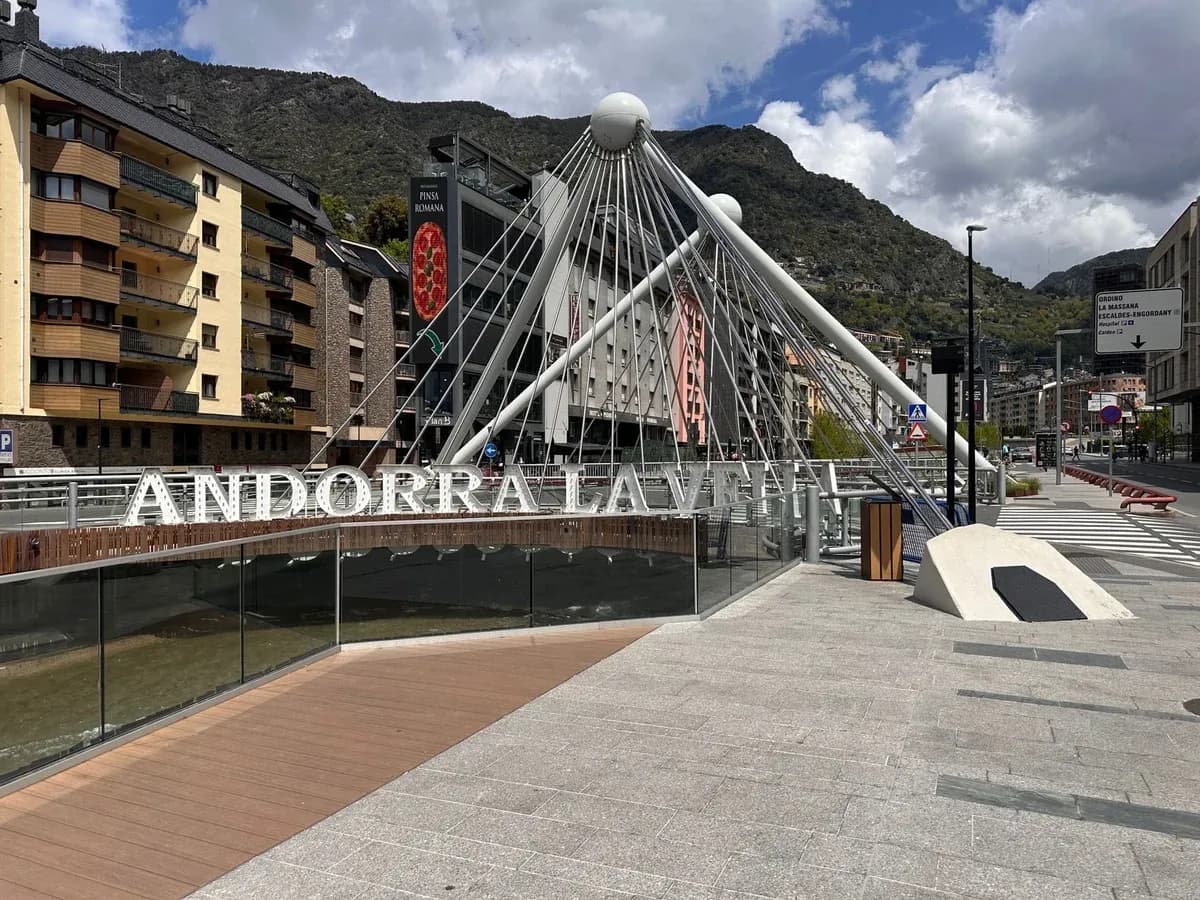
That absence shapes everything about a visit. You cannot land in Andorra; you have to arrive. The last stretch of every journey is a road climbing through the mountains, and the reward is a country where the sound you notice is water running off the peaks. In the week the European Union signed its new Association Agreement with Andorra, it is worth discovering why this small, independent state rewards travellers who take their time.
Arrive slowly, and the journey becomes part of the trip
The nearest airfield, Andorra-La Seu d'Urgell, lies just over the border in Spain, but most visitors fly to Barcelona or Toulouse and take a coach. There are hourly bus services from both airports, and the journey takes around three hours. Barcelona is the busier gateway, while Toulouse brings you in from the French side, over the Port d'Envalira, at 2,408 metres the highest paved pass in the Pyrenees, where heavy snow can close the road in winter.
If you would rather skip the plane altogether, you can reach the border by rail. From London, Eurostar takes you to Paris, and onward trains run to Toulouse. From there, six trains a day make the two-and-a-half-hour climb to Andorre-L'Hospitalet station in France, a few kilometres from the border. Connections from that remote mountain station are limited and change with the season, so check the onward bus or book a taxi before you travel. From Spain, high-speed trains from Madrid and Barcelona stop at Lleida-Pirineus, where coaches continue into the mountains.
Andorra is not part of the European Union or the Schengen area, but as you can only reach it through France or Spain, you will pass through Schengen on the way. Check the entry rules for your passport before you set off.
Leave the car behind once you arrive
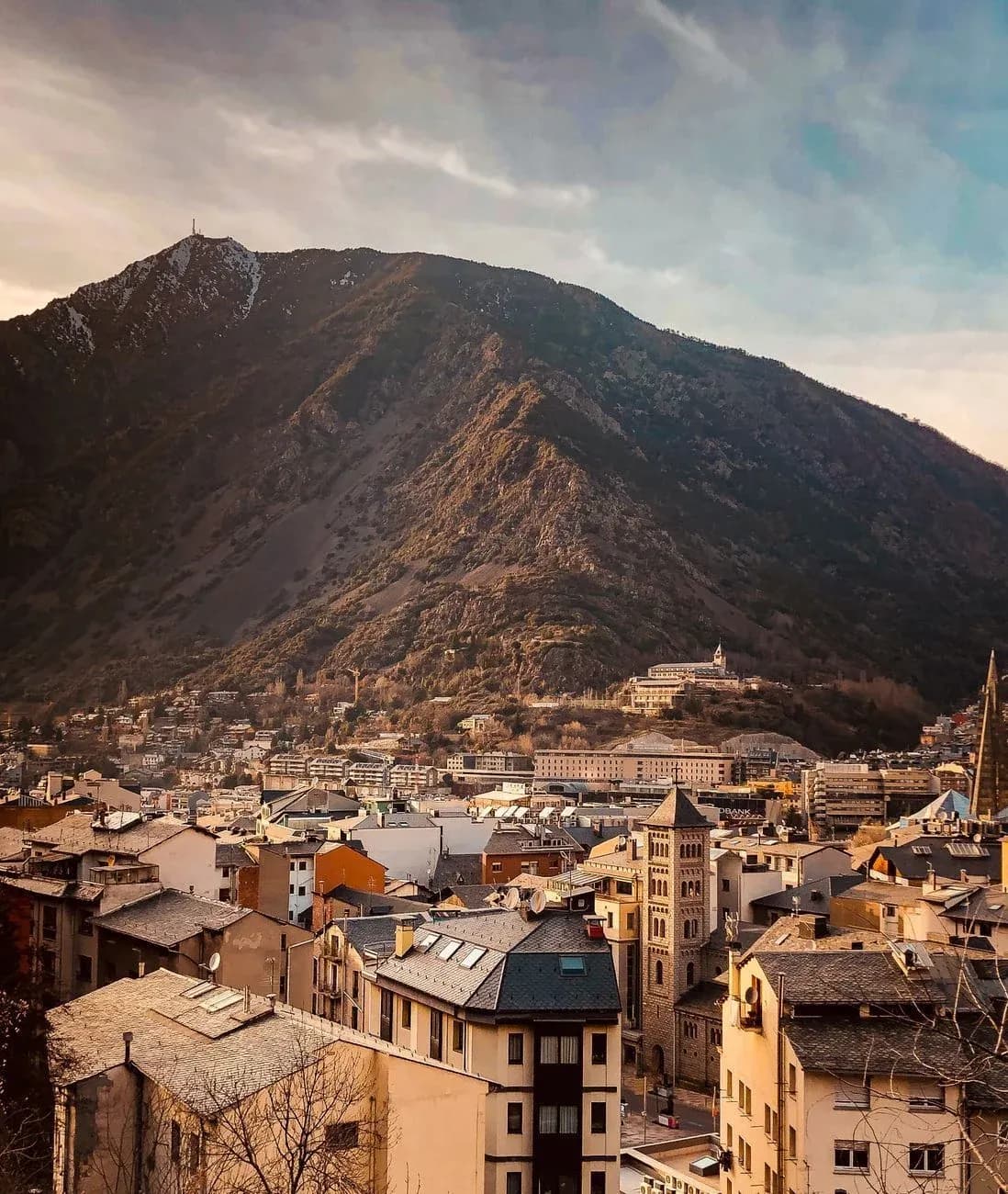
Andorra's roads carry heavy traffic in the main valleys, especially in ski season and on shopping weekends, so the way you travel inside the country makes a real difference. Six national bus lines link all seven parishes, from Andorra la Vella and Escaldes-Engordany to the ski villages, and in summer a tourist bus service follows set routes at a gentler pace. Base yourself near a bus stop and you can reach trailheads, villages and lakes without adding to the queues.
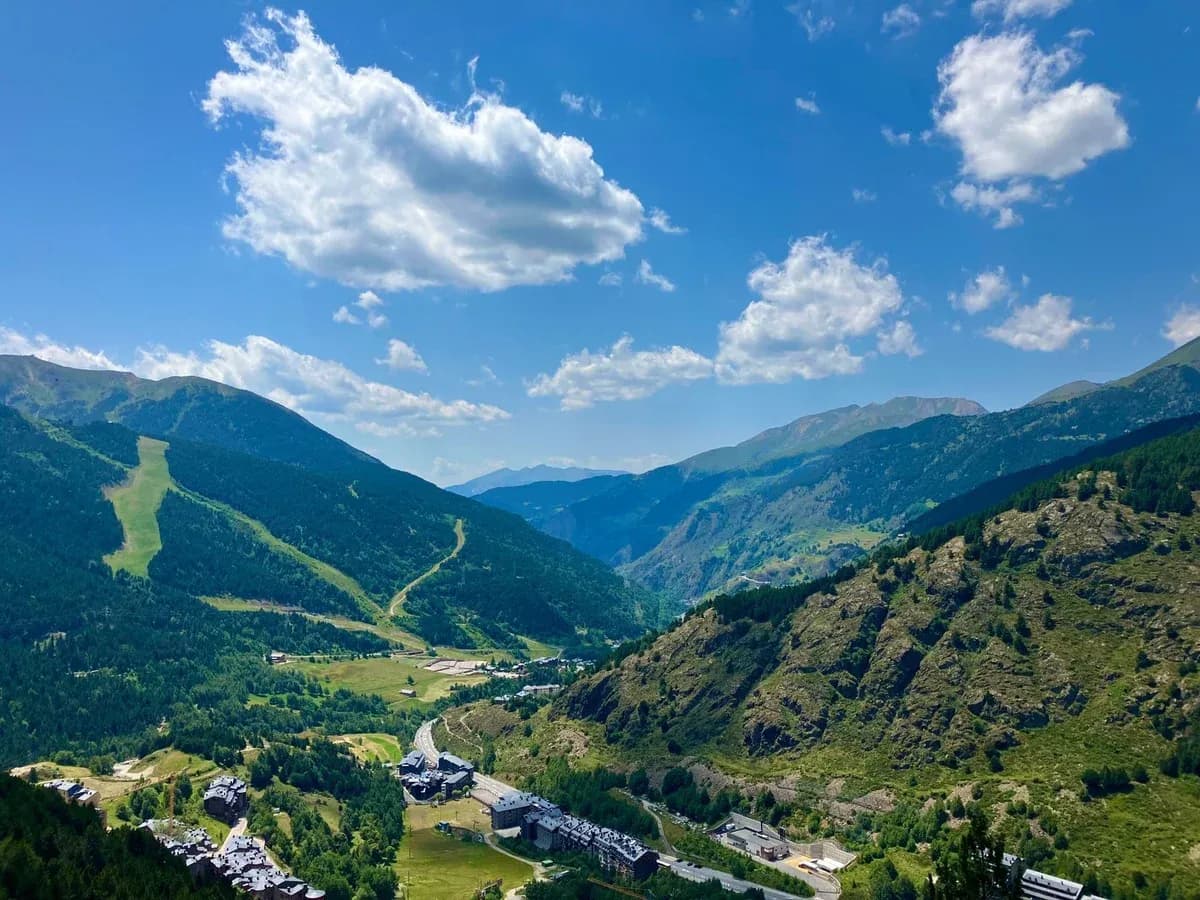
Walk into the valley with no road
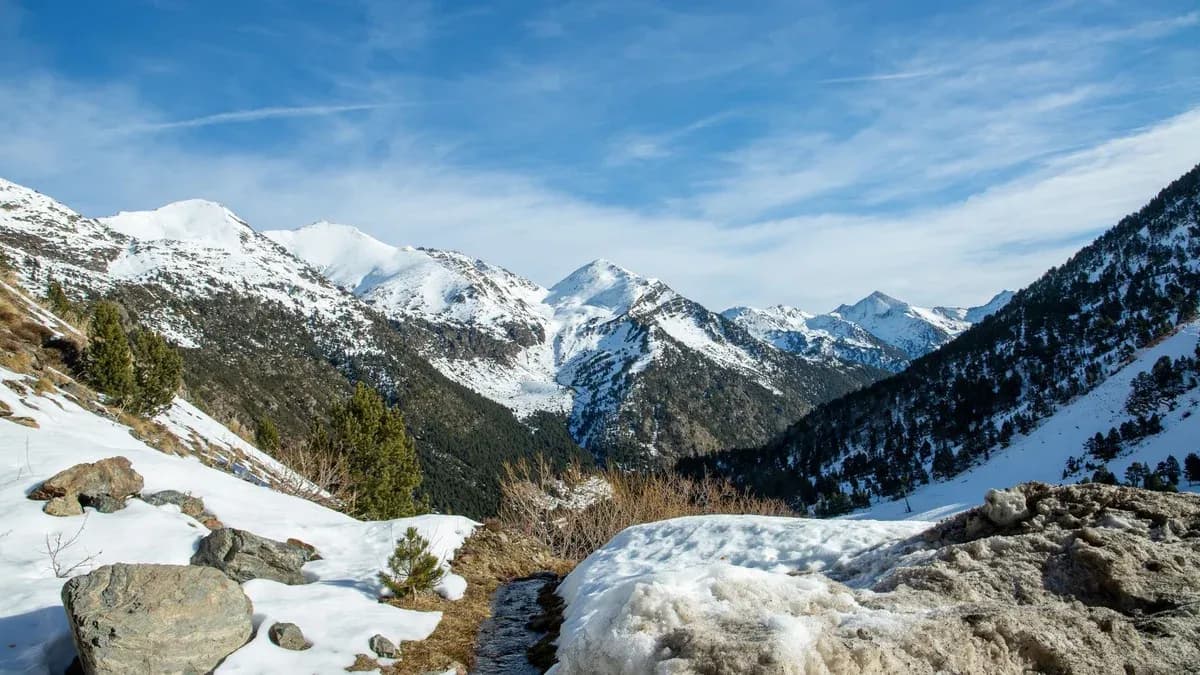
The most remarkable landscape in Andorra has no road into it at all. The Madriu-Perafita-Claror valley, inscribed by UNESCO as a World Heritage cultural landscape in 2004, covers roughly a tenth of the country. You walk in or you do not go.
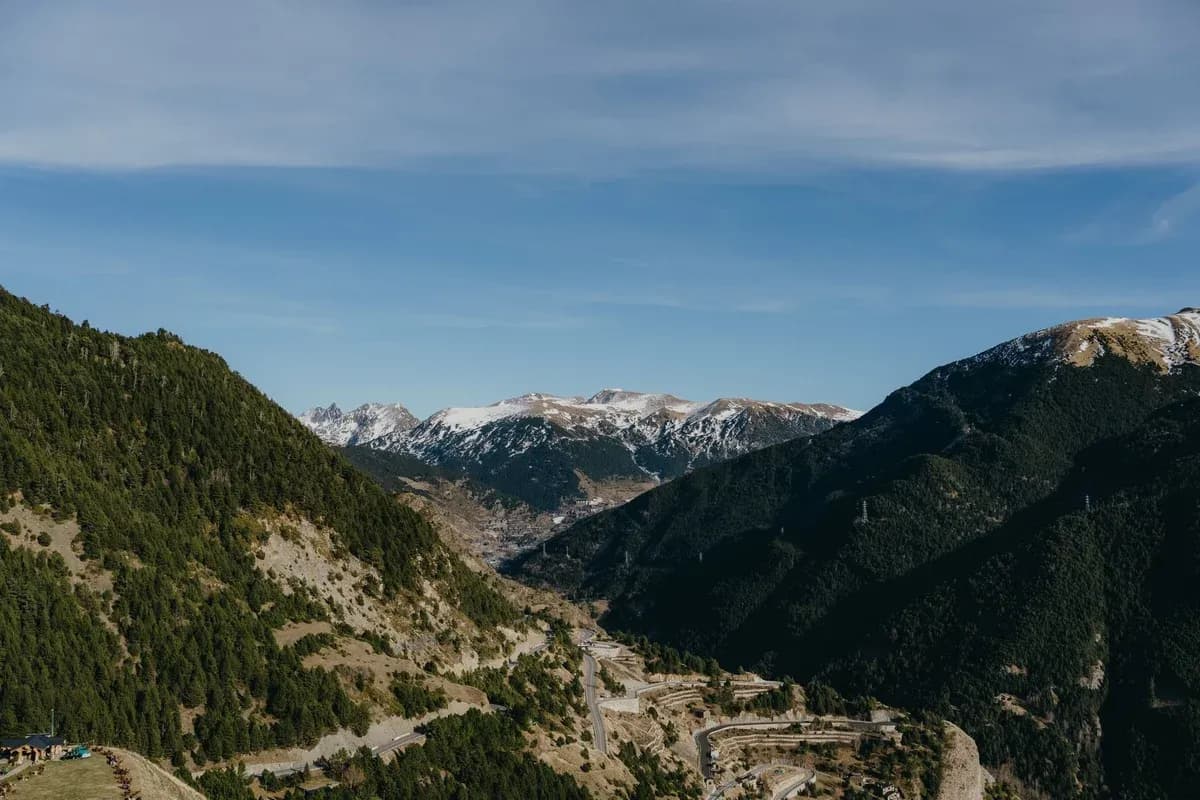
Inside, you find a working mountain landscape shaped over centuries: dry stone terraces, summer shepherds' huts, old paths, iron forges and high pastures where livestock still graze in summer. It is one of the clearest places in Europe to see how people and mountains have lived together, and it changes completely with the seasons. Go with good boots, a map and the weather forecast, and if you stay overnight, book a mountain refuge in advance.
Find the country's living heritage
Andorra's culture is older than most of the nations around it. The country has been a co-principality since 1278, with two co-princes, today the Bishop of Urgell and the President of France. Its official language is Catalan, and its valleys hold small Romanesque churches with stone bell towers that have watched over the same villages for almost a thousand years.
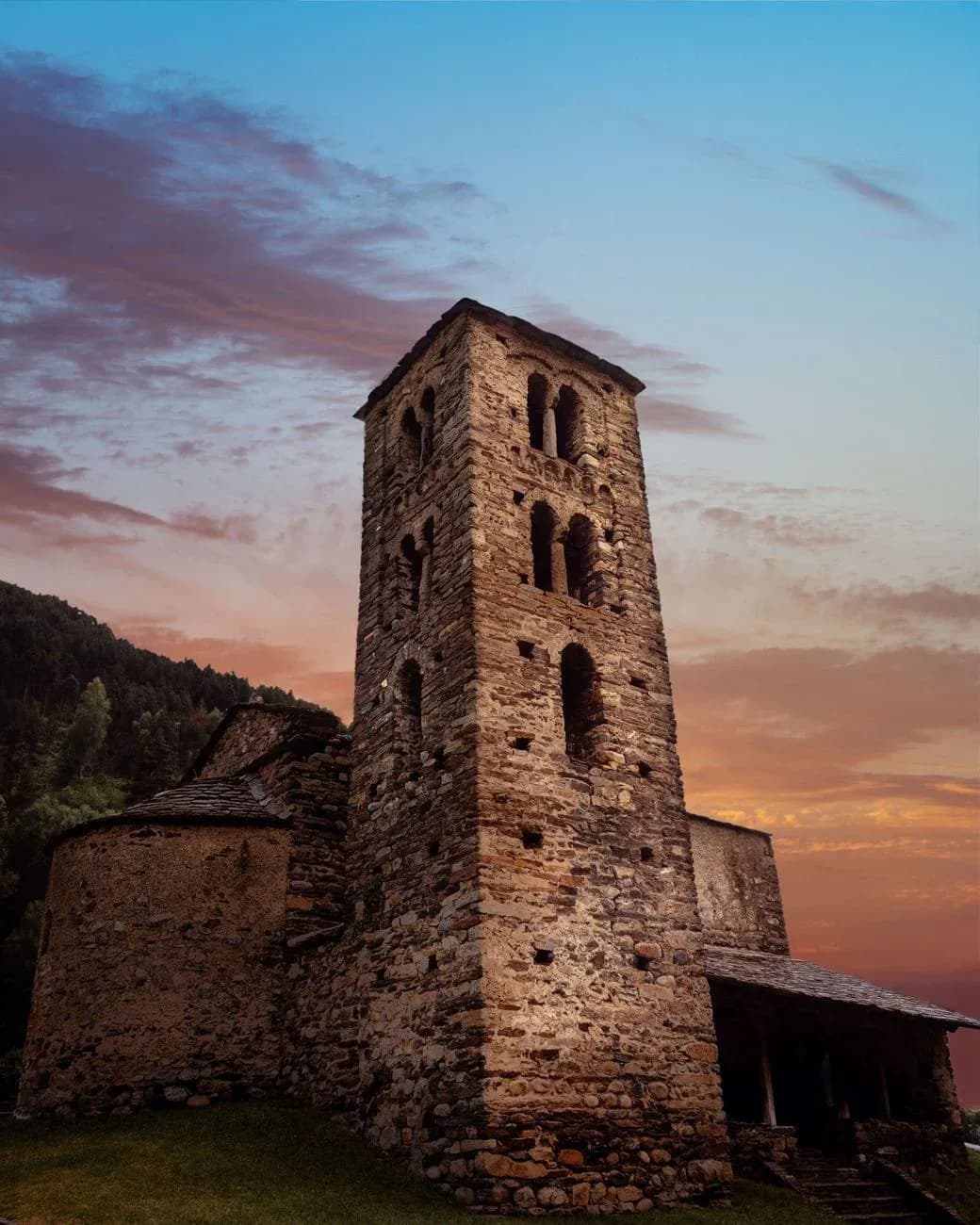
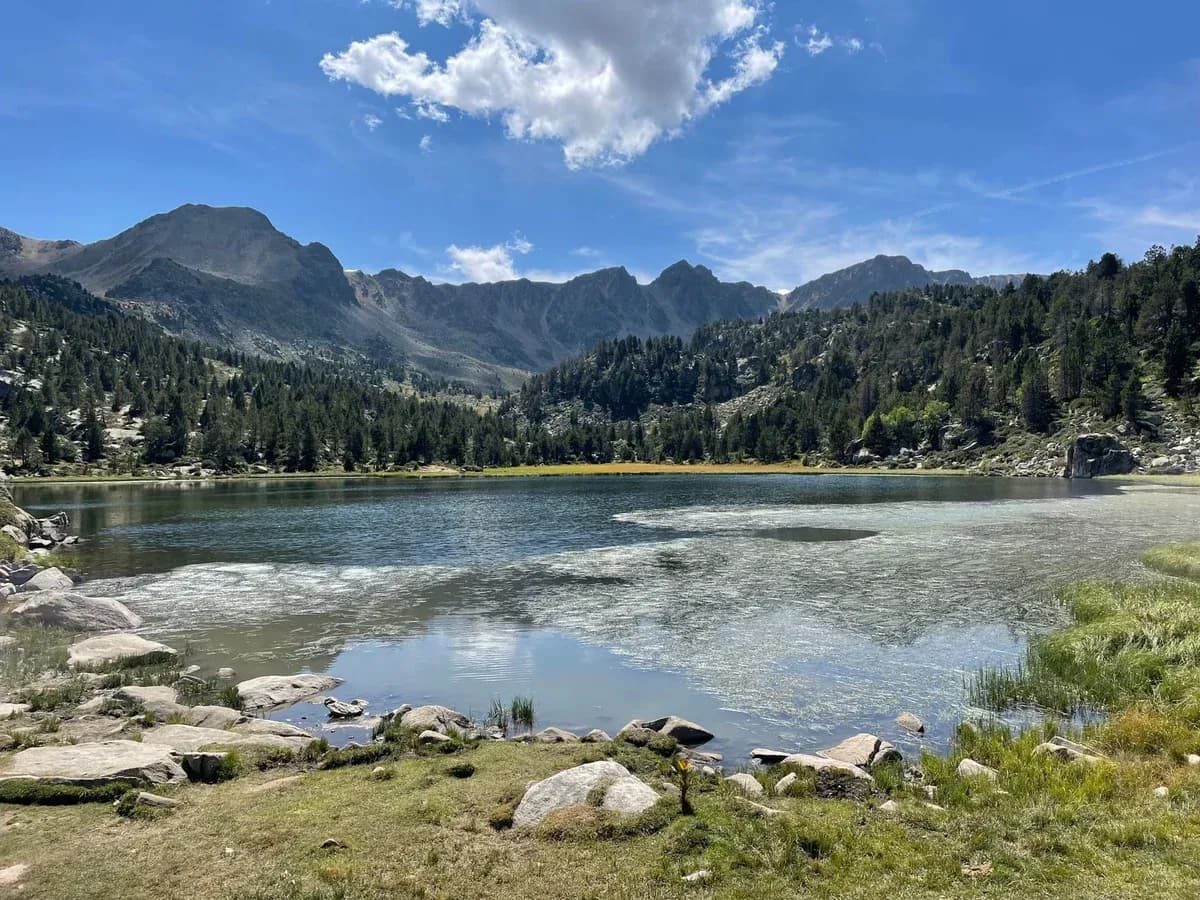
In 2020, UNESCO declared the Ordino valley a Biosphere Reserve, recognising the balance between human life and nature there. Andorra also shares in several of UNESCO's intangible heritage listings, including the summer solstice fire festivals of the Pyrenees, transhumance (the seasonal movement of livestock) and the art of dry stone walling. In the far north, the Tristaina lakes sit in a granite bowl beneath the peaks, and the country's highest summit, Coma Pedrosa, rises to 2,942 metres.
Make the trip meaningful, not just memorable
A meaningful trip leaves the place a little better for your visit. In Andorra, that starts with time. Stay longer in one valley rather than rushing between all seven parishes. Eat in family-run restaurants serving mountain dishes and buy cheese, honey and crafts from local producers. Stay on marked paths, take your rubbish home from the mountains and respect livestock and shepherds in the high pastures.
Choose your season with care too. Winter brings skiers to some of the largest ski areas in the Pyrenees. Late spring, summer and early autumn are the seasons for walkers, when the meadows flower, the refuges open and the valleys are at their most peaceful. And if you stop at the Caldea thermal spa in Escaldes-Engordany after a day on the trails, you will be soaking in water that rises naturally from the mountains, as it has for centuries.
The good news hidden in a small country
Andorra proves that a country does not need a runway to welcome the world. Its mountains force every visitor to slow down, and that slower pace is exactly what makes a trip there meaningful. As Andorra moves closer to the European Union through its new agreement, it remains what it has been for more than seven centuries: a small, proud country high in the Pyrenees, where the best way to arrive is on foot.
Your questions answered
Does Andorra have an airport?
Is there a bus from Toulouse to Andorra?
Is there a bus from Barcelona airport to Andorra?
Is Andorra in the Schengen area?
Enjoying this article?
Subscribe to our newsletter and never miss a story. No spam, ever.

Editor-in-Chief
Editor-in-Chief of Rich Woman Magazine, founder of Sovereign Magazine, author of many books, Dr Marina Nani is a social edification scientist coining a new industry, Social Edification. Passionately advocating to celebrate your human potential, she is well known for her trademark "Be Seen- Be Heard- Be You" running red carpet events and advanced courses like Blog Genius®, Book Genius®, Podcast Genius®, the cornerstones of her teaching. The constant practitioner of good news, she founded MAKE THE NEWS ( MTN) with the aim to diagnose and close the achievement gap globally. Founder of many publications, British Brands with global reach Marina believes that there is a genius ( Stardust) in each individual, regardless of past and present circumstances. "Not recognising your talent leaves society at loss. Sharing the good news makes a significant difference in your perception about yourself, your industry and your community."
Related Articles
Aloha Was a Hawaiian Way of Life for Centuries Before Hawaiʻi Wrote It Into Law
Checkout Chores Are Over: What Airbnb's New House Rules Mean for Your Next Stay

Autumn Equinox 2026: What You Expect From 23 September Now and What Changed Since the Greek Astronomer Hipparchus' Records?