Repeated Antibiotic Courses From Childhood Linked to Higher Odds of IBS by Age 24
In a Swedish study of 2,853 young people followed from the age of 9 to 11, the link was clearest at three or more prescriptions, though the lead author says children should still get antibiotics when they need them.


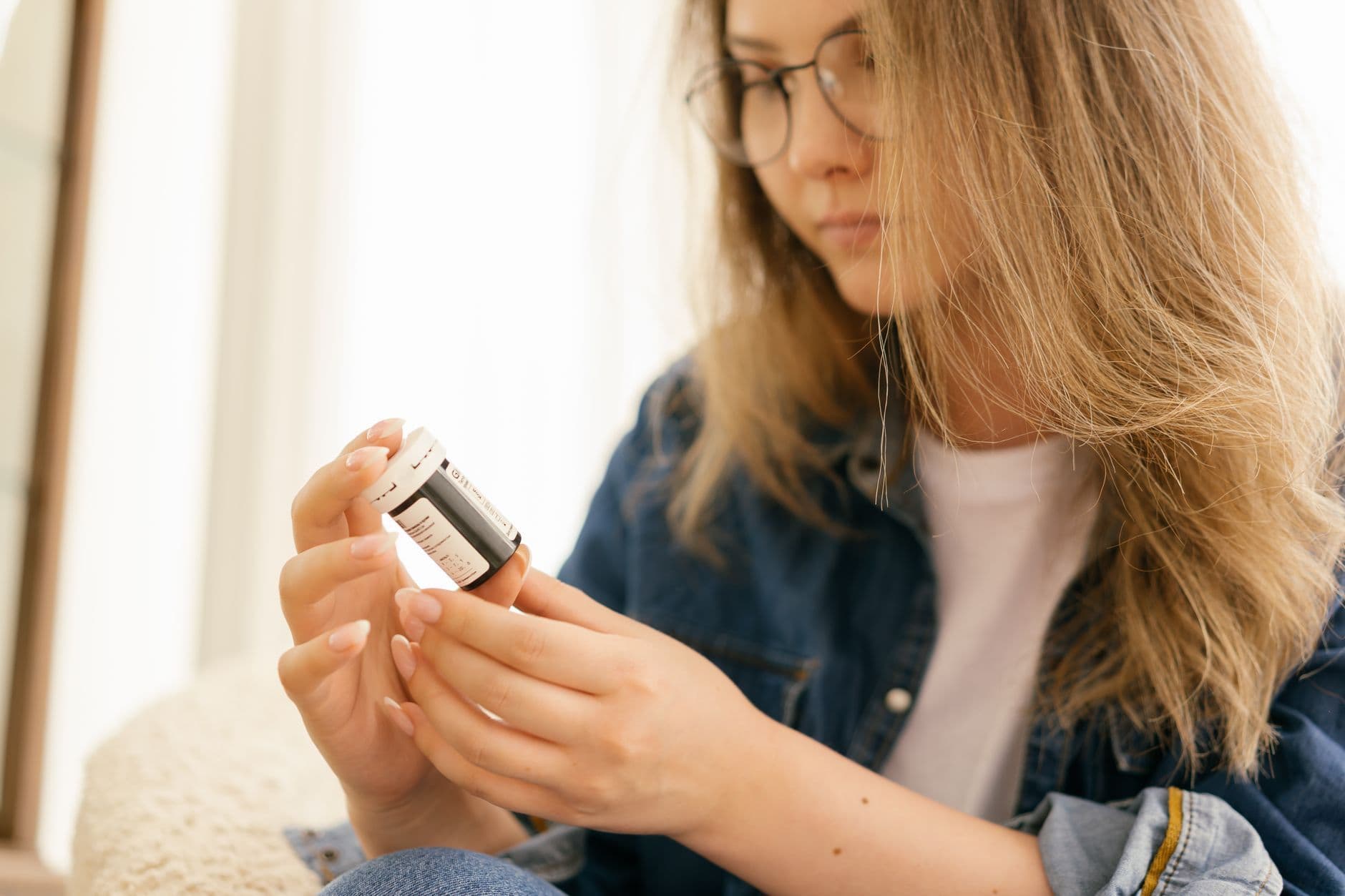
Photo: Tiger Lily / Pexels
Children and teenagers who took repeated courses of antibiotics were more likely to have irritable bowel syndrome (IBS) at 24, according to a Swedish study presented at UEG Week 2026 in Barcelona on 19 October. The more prescriptions a young person had, the higher the odds.
"Antibiotics remain an important treatment for bacterial infections, and our findings should not discourage their use when they are needed," said the lead researcher, Dr Jessica Sjölund. "Rather, they highlight the possibility of longer-term effects from repeated exposure and add to the reasons for avoiding unnecessary antibiotic prescribing."
The NHS says antibiotics do not work for viral infections such as colds, flu and most coughs, and that they are no longer routinely used to treat ear infections in children or sore throats. Its advice is to "take your doctor's advice on whether you need them or not."
Dr Sjölund, a research physician in gastroenterology at Sahlgrenska Academy, University of Gothenburg, and her team followed 2,853 young people from a long-running Swedish birth cohort. National prescription records gave them every antibiotic prescription each person filled from 2005, when the participants were 9 to 11, until a year before they were assessed for IBS at 24. By then one in ten had IBS. Of those, 87.8% had taken antibiotics at some point, compared with 80.2% of those without it.
Once the researchers allowed for sex and the family's social and economic circumstances, any antibiotic use was linked to 1.5 times the odds of IBS. The results come from a conference presentation and describe an association, and the study was not designed to prove that antibiotics cause IBS.
The Odds Rose Clearly Only From Three Prescriptions Upwards
Young people given one or two prescriptions over those years had 1.3 times the odds of IBS, but the range of likely values around that figure includes no extra risk at all, so the researchers could not show a clear link at that level. Three to five prescriptions carried 1.6 times the odds, and six or more carried 1.7 times.
When the researchers looked at types of antibiotic separately, tetracyclines and cephalosporins kept a clear association. Any use of tetracyclines was linked to 1.4 times the odds, and three or more prescriptions of cephalosporins were linked to six times the odds, though the likely range on that number runs from 1.9 to 18.8, too wide to say how large the true effect is.
The researchers did not study why the link exists, though Dr Sjölund suggested the gut microbiome as one possible route. "Previous studies have shown that antibiotics can alter the gut microbiome. As alterations to the gut microbiome are thought to play a role in IBS, this could be one pathway underlying the association observed."
Earlier Research Found the Strongest Link After Antibiotics for Gut Infections
Researchers at the University of Bologna pooled 31 studies covering 422,350 people in a meta-analysis published in the American Journal of Gastroenterology this year. IBS developed in 26% of people who had taken antibiotics and 20% of those who had not. The link was strongest in studies where the antibiotics were given for gut infections, at 1.71 times the rate.
A Rome Foundation working team reported in Gastroenterology in 2019 that about 10% of people develop IBS after an infectious gut illness. So in studies of antibiotics given for gut infections, part of the extra IBS may come from the infection itself rather than the antibiotic. The Bologna authors noted that the studies they pooled differed widely and called for more high-quality research.
Two in Three Teenagers With IBS at 16 No Longer Had It by 24
If your child already has IBS, an earlier study of the same Swedish cohort by researchers from Gothenburg and Karolinska Institutet found that two out of three 16-year-olds with IBS no longer met the criteria for it by 24. Teenagers with at least one parent who had IBS were more likely to still have it at 24. "For many, symptoms improve over time, and at the same time we can now better identify those at a greater risk of persistent problems," Dr Sjölund said of that work.
More on UEG Week 2026 is at ueg.eu.
FAQ
What is IBS?
What else is linked to IBS in young people?
What are tetracyclines and cephalosporins usually prescribed for?
Enjoying this article?
Subscribe to our newsletter and never miss a story. No spam, ever.

Editor-in-Chief
Editor-in-Chief of Rich Woman Magazine, founder of Sovereign Magazine, author of many books, Dr Marina Nani is a social edification scientist coining a new industry, Social Edification. Passionately advocating to celebrate your human potential, she is well known for her trademark "Be Seen- Be Heard- Be You" running red carpet events and advanced courses like Blog Genius®, Book Genius®, Podcast Genius®, the cornerstones of her teaching. The constant practitioner of good news, she founded MAKE THE NEWS ( MTN) with the aim to diagnose and close the achievement gap globally. Founder of many publications, British Brands with global reach Marina believes that there is a genius ( Stardust) in each individual, regardless of past and present circumstances. "Not recognising your talent leaves society at loss. Sharing the good news makes a significant difference in your perception about yourself, your industry and your community."