
China Is Teaching Six Year Olds to Speak AI
While Western governments debate whether artificial intelligence belongs in the classroom at all, China has already made it compulsory from the age of six. The policy is less about teaching children to code than about building a generation that treats AI the way earlier generations treated arithmetic.

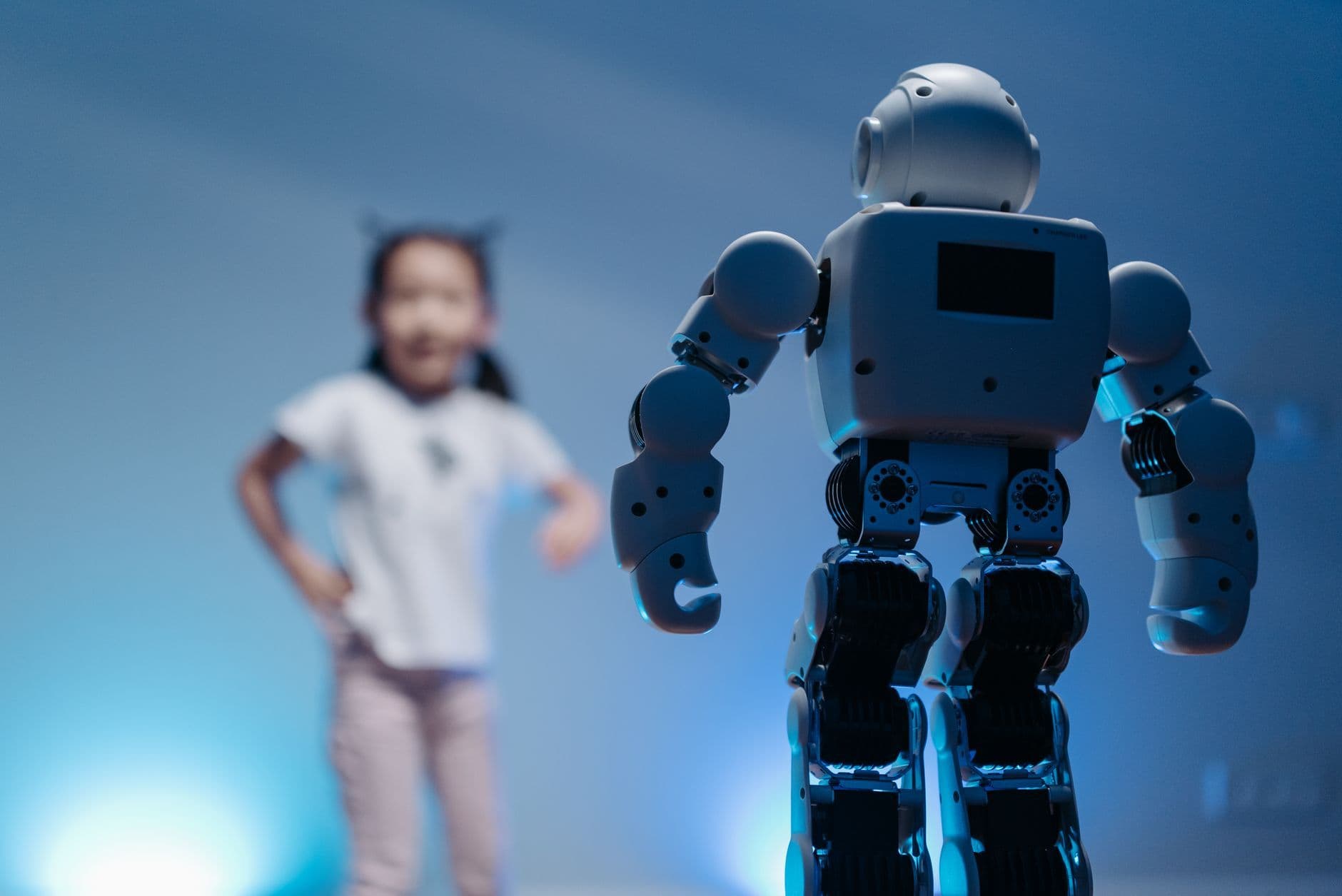
Photo: Pavel Danilyuk / Pexels
There is a particular kind of policy that reveals more about a government's ambitions than any white paper. China's Ministry of Education issued two guidelines in May 2025 that quietly did exactly that, converting artificial intelligence from an elective curiosity into compulsory infrastructure for every child in the country's school system, beginning at the age of six.
The mechanics are unglamorous by design. Beijing alone now requires more than 1,400 primary and secondary schools to deliver a minimum of eight hours of AI instruction a year, across every grade from first form to senior high. Third graders at Guangqumen Middle School, one of the capital's most closely watched pilot sites, encounter AI concepts folded into ordinary information technology lessons. By the upper grades, the same students are writing basic code. The stated ambition behind the whole structure, according to officials cited by NPR and other outlets, is for China to establish itself as a global leader in artificial intelligence within four years. A curriculum for six year olds is, on that reading, industrial policy with a longer time horizon than most industrial policy bothers to have.
What the curriculum actually contains
This article is for members only
Become a member to unlock this article and all premium content.
Related Articles

The Science of Self-Trust, and Why It Comes Before Trusting Anyone Else

Monday Mindset: Why Mondays Feel Hard and How to Reset

Death by Overwork: Sanae Takaichi, Japan's Prime Minister Now Sleeps Less Than Margaret Thatcher