
Destroying Books Is a Cultural Crime. Project Panama Destroyed Millions of Books with No Legal Consequence
Anthropic bought millions of books, cut them apart and pulped them after scanning. No court called it a crime. Destroying books is a cultural crime and no ruling changes that.


Photo: Brent Singleton / Pexels
In 1455, in the German city of Mainz, a man named Johann Fust sued his business partner for the return of a loan. The partner, Johannes Gutenberg, had spent years building the first printing press in Europe capable of reproducing a book by the hundred rather than by hand. The court found for Fust. Gutenberg lost his press, his type, his workshop and, within it, the future he had invented. Fust took Gutenberg's own chief craftsman, Peter Schoeffer, married him to his daughter and finished the print run without him, roughly 180 copies of what the world now calls the Gutenberg Bible, one of the most consequential objects ever made. Gutenberg died without the recognition or the money his invention was worth. The idea survived him. He did not survive the idea.
I begin here because the man who gave the world the printed book was destroyed by the very thing he created. Remember that. Then remember what a book actually is: not content that happens to be printed on paper, but a printed book that carries a civilisation's memory forward through time, one copy at a time, at real cost to make and real loss when it is gone. Destroying that book, deliberately and at scale, is a cultural crime. Full stop. Nothing about who does it, or why, changes that.
This article is for members only
Become a member to unlock this article and all premium content.
Related Articles
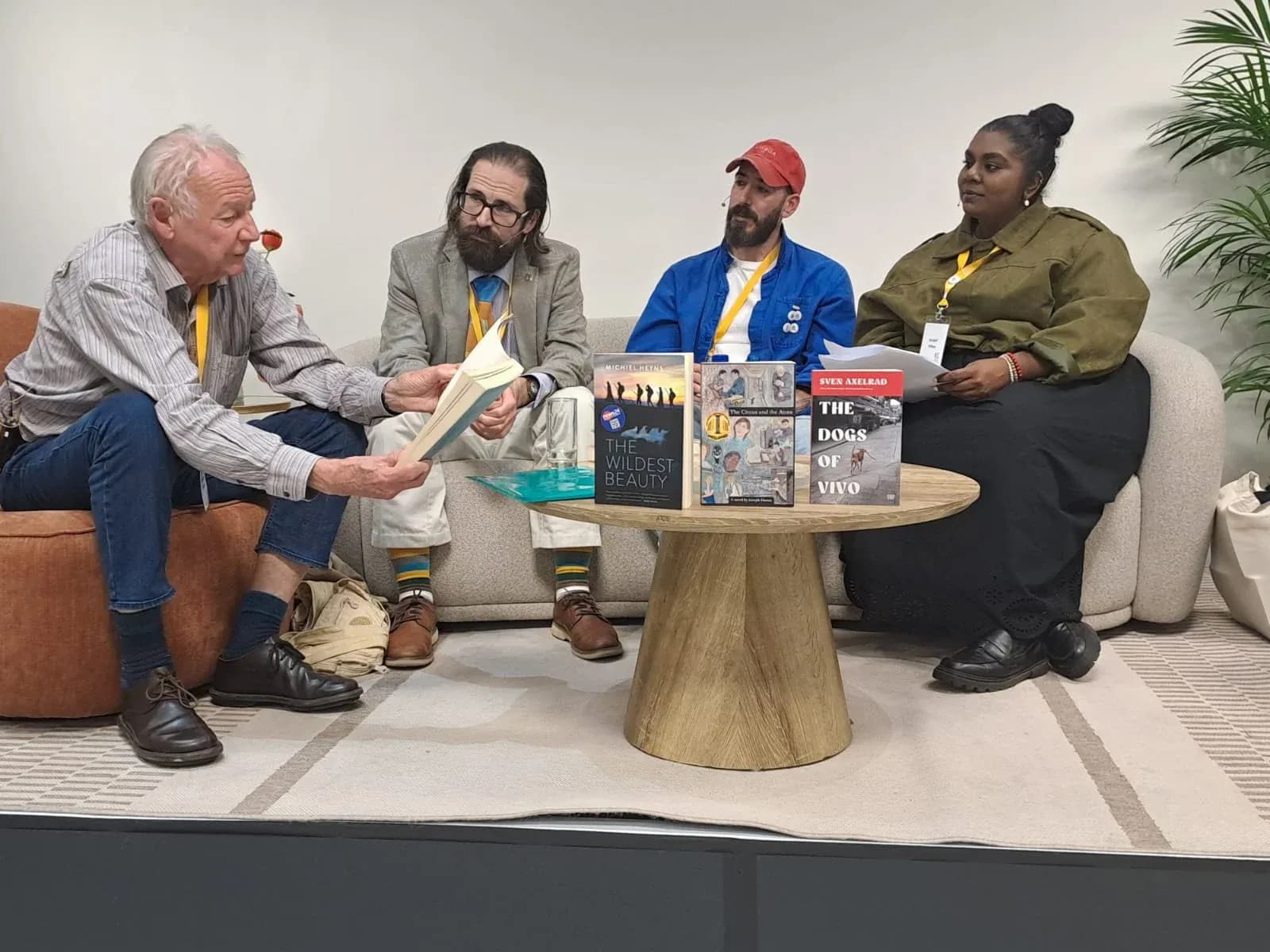
Joseph Howse's Soviet-Era Novel The Circus and the Atom Wins World Literature and Audiobook Fiction at the 2026 NYC Big Book Award

John Bissell's The Power of Negative Thinking Draws on 14 Years Rescuing Failing Businesses in Portland
The Book Lady: How Dolly Parton's Imagination Library Gifted 332 Million Books