
John Bissell's The Power of Negative Thinking Draws on 14 Years Rescuing Failing Businesses in Portland
The author lost a company of his own when a single client went bankrupt owing him 83% of his income, then coached more than 100 owners of failing businesses between 1986 and 2000. His practical guide argues that doubt and worry, used deliberately, are better preparation than forced positivity.

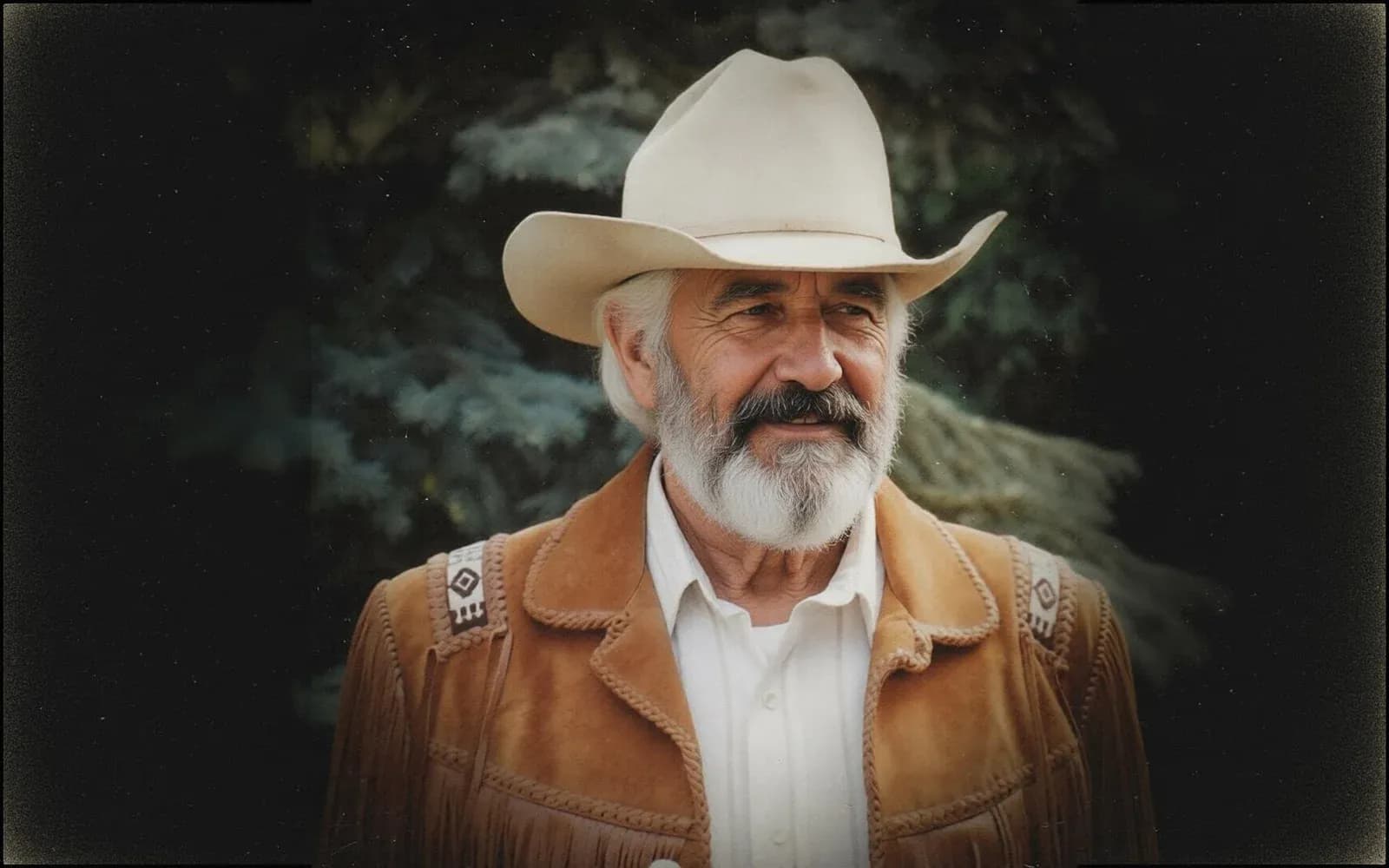
John Bissell, PhD, lost one of his businesses when his largest client filed for bankruptcy owing him 83% of the company's income. He recovered within two years by taking on many smaller clients instead of depending on one, and he says the lesson in contingency planning he took from that failure is the basis of his new book, The Power of Negative Thinking: A Practical Guide to the Strength Doubt and Worry Can Give You.
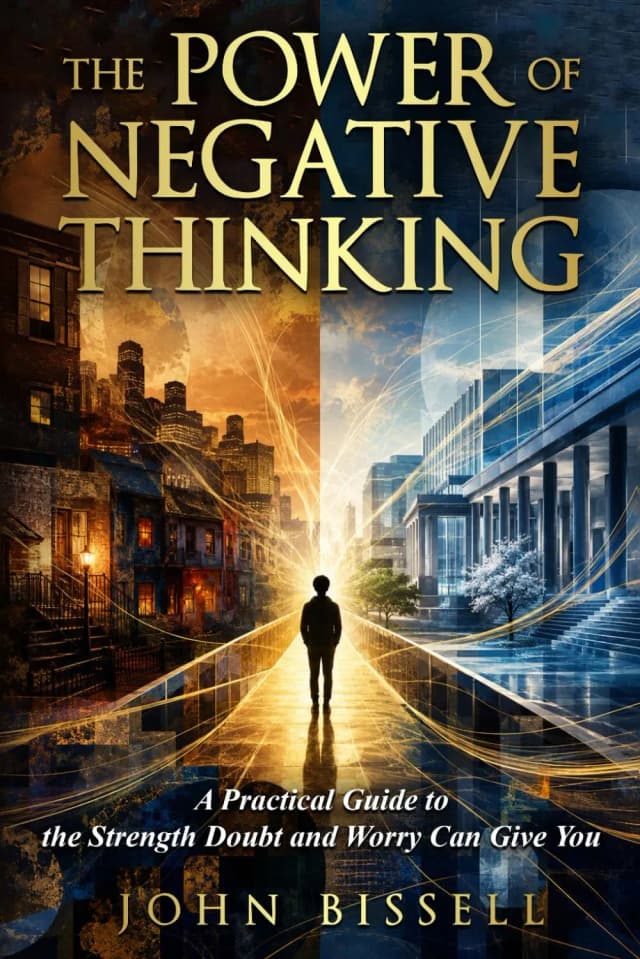
Featured Book
The Power of Negative Thinking
A Practical Guide to the Strength Doubt and Worry Can Give You
by John Bissell
John Bissell, PhD, challenges the assumption that positive thinking is always the strongest foundation for facing uncertainty. Rather than treating worry and doubt as weaknesses to eliminate, he presents them as resources for identifying risks, preparing for setbacks and approaching difficult circumstances with greater stability, an approach he calls prepared realism. The book introduces the Armor of Low Expectations, a ten-minute nightly reflection practice called the Evening Reckoning, methods for rehearsing failure before it happens, and ways to talk about fears without panic taking over. Written for anyone starting a new venture, relationship or change of direction, it draws on the author's years coaching owners of failing businesses in Portland, Oregon.
Amazon (Paperback)We may earn a commission from purchases made through this link.
The book is written for people starting something new, whether a business, a relationship or a change of direction, at the point where optimism alone leaves important questions unanswered. Rather than treating worry and doubt as weaknesses to eliminate, John presents them as resources for spotting risks, preparing for setbacks and facing difficult situations with more stability. He calls the approach prepared realism. Readers are shown how to examine their fears, separate genuine risks from anxious thoughts, and turn vague dread into concrete contingency plans. One of the book's ideas, the Armor of Low Expectations, asks the reader to name three realistic difficulties before starting any venture, so that when problems arrive they are recognizable rather than a shock. Another is a nightly reflection practice, the Evening Reckoning, that takes about ten minutes with pen and paper. Later chapters cover how to raise a fear with other people without panic taking over the conversation, how to tell an evidence-based risk from emotional noise, and how to apply the same habits to a career change, a relationship or a health scare.
“I wrote this book to counter the silly, Pollyanna, generally feckless 'little-engine-that-could-for-adults' mentality I've seen all my life.”
— John Bissell
John owned or managed businesses from his early twenties until he was 60. "Between 1986 and 2000, I coached more than 100 business owners in Portland, Oregon, while working to rescue failing businesses," he says. "Most were unprepared for economic changes, overspending, poor employee decisions, and a lack of contingency planning."
Fourteen Years Rescuing Failing Businesses in Portland, Oregon
The businesses John worked with in Portland were of every kind, and the owners had usually planned for the business working and not for a customer leaving, costs rising or the economy turning. He had made the same mistake himself, he says: "One failure came from relying on a single client, who filed bankruptcy owing me 83% of my business income. I resolved never to depend on one client again, and recovered within two years, a hard lesson in contingency planning." It is the lesson the book keeps coming back to.
A 2016 study in the Journal of Accounting and Economics found that where a company discloses a major customer, that customer accounts on average for about 31% of its sales, and that the more concentrated a company's customer base, the more it pays to borrow and raise equity, because investors price in the chance of losing the account. John's client was 83%.
A Career Spent Making Complex Information Easy to Understand
The businesses ran alongside four decades as a published researcher and professional investigator, work John describes as making complex information easy to understand. It was recognized by the Journal of the American Trial Lawyers Association and the American Medical Association.
The Power of Negative Thinking is his second book of 2026. In June he published Soul Survivor, a novel that retells the Book of Mormon in chronological order and took him two years to write, and his author site lists a third title, a novel called The Narc, as coming soon.
Defensive Pessimism and the Case Against Toxic Positivity
John is clear that he is not recommending pessimism for its own sake. Doubt, in his book, is a prompt to investigate, and worry is a reason to plan. The point of looking at what could go wrong is to do it while there is still time to prepare, so that admitting uncertainty leaves a person steadier rather than weaker. He gives a chapter to the tiredness of keeping up a confidence you do not feel, and argues that dropping the act is a strategy in itself rather than an admission of weakness.
His introduction opens with the Roman Stoics, who rehearsed hardship in advance so that it did not arrive as a surprise, and their observation that the people hit hardest are the ones who never let themselves imagine it was possible. Psychologists have had a name for the same strategy, defensive pessimism, since a 1986 study found that anxious people who set low expectations and rehearsed what could go wrong performed well, and did worse when told beforehand that they would be fine.
John writes as a business owner rather than a psychologist, one who watched forced positivity cost people who had signed leases, hired staff and borrowed money on a plan that only covered things going well.
The Power of Negative Thinking runs to 15 chapters and is available now in paperback, hardcover and Kindle editions. It is not related to the 2013 book of the same title by the basketball coach Bob Knight.
FAQ
Who is John Bissell?
What is The Power of Negative Thinking about?
What are the downsides of positive thinking?
Can you give me an example of defensive pessimism?
Enjoying this article?
Subscribe to our newsletter and never miss a story. No spam, ever.

Related Articles

Joseph Howse's Soviet-Era Novel The Circus and the Atom Wins World Literature and Audiobook Fiction at the 2026 NYC Big Book Award

The Book Lady: How Dolly Parton's Imagination Library Gifted 332 Million Books

The Best Upcoming Children's Books to Read This Autumn