
Gratitude Improves Your Sleep and Mood When You Practise It the Right Way: 7 Methods That Work
A gratitude habit can lift your mood and help you sleep, but a vague daily list soon loses its effect. These methods keep it fresh and specific.

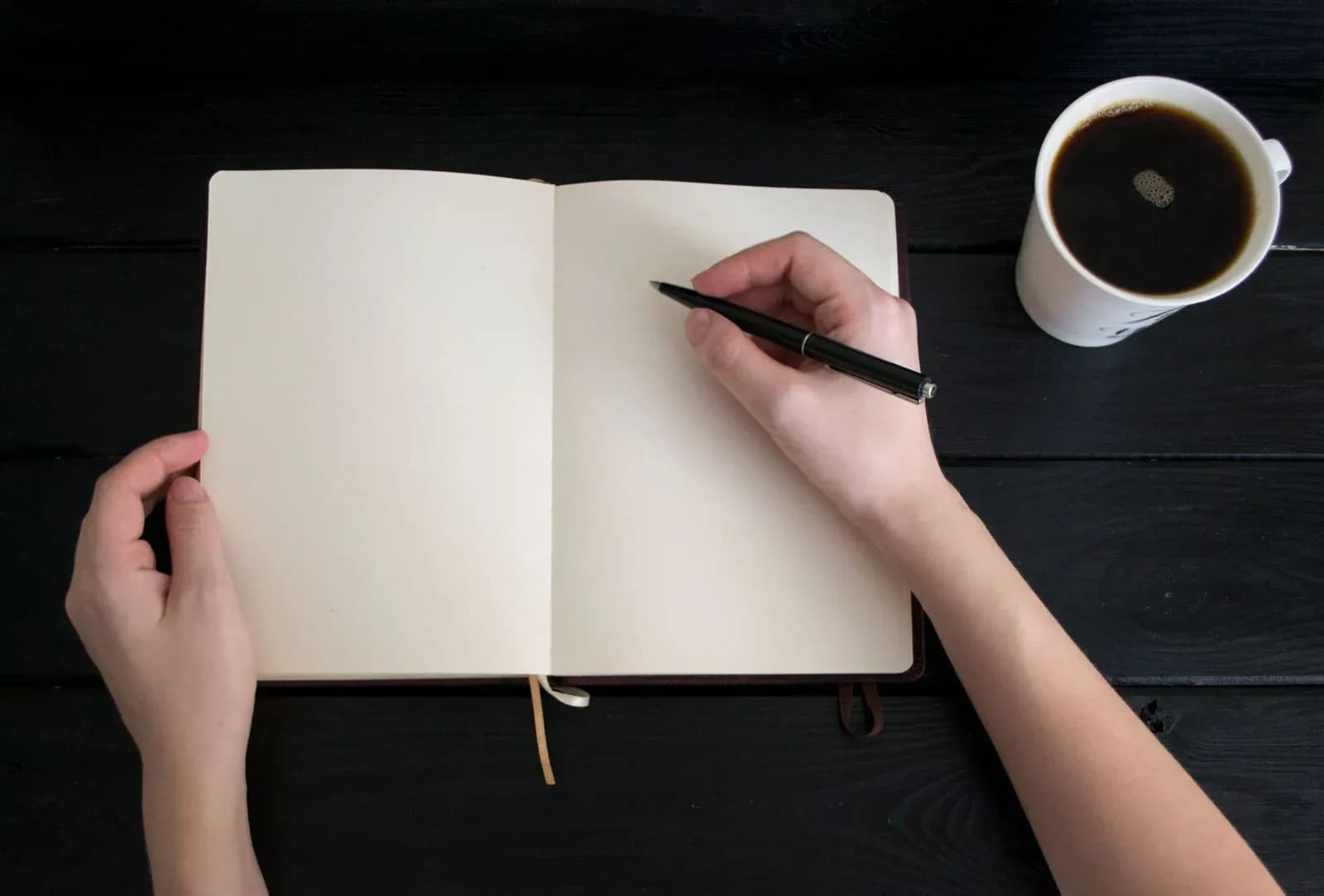
Photo: Maria Mileta / Pexels
Your mind is built to notice threats first. A worrying email, a sharp comment or a pain in your side grabs your attention far more easily than the hundred things that went well in a day. This bias kept our ancestors alive, but it also means your mind drifts towards problems unless you train it to notice what is good.
Gratitude is that training. When you regularly note what you appreciate, your attention widens to include the resources and people supporting you. People who practise gratitude report better moods, fewer symptoms of stress and more satisfaction with their relationships. They also fall asleep faster and sleep longer, as the thoughts filling their minds at bedtime are more pleasant and less anxious.
The method matters. A rushed list of the same three items each night soon becomes a chore and loses its effect. The practices below keep gratitude specific, fresh and connected to other people.
1. Write three specific things two or three times a week
Writing every day can turn gratitude into a routine you complete without feeling anything. Writing two or three times a week keeps it fresh. Make each entry specific. 'My family' tells you little, while 'my son rang to tell me about his exam' brings back the moment and the feeling.
2. Focus on people rather than possessions
Gratitude for people deepens your relationships and lasts longer than gratitude for things. Note what someone did, why it mattered to you and how it made you feel. Over time, you will notice how much support surrounds you.
3. Imagine life without something good
Pick something you value, such as your health, your home or a friendship, and spend two minutes imagining your life without it. This exercise breaks the habit of taking good things for granted, and it often brings a stronger feeling of gratitude than listing what you have.
4. Write a gratitude letter and read it aloud
Think of someone who changed your life for the better but whom you never properly thanked. Write them a letter of about 300 words describing what they did and how it shaped you. If you can, visit them and read it aloud. People who do this report a lift in happiness that lasts for weeks, and the person who receives the letter rarely forgets it.
5. End each day with one good moment
As you get into bed, recall one good moment from the day in as much detail as you can: where you were, who was there and what you felt. This replaces the last-minute worries that keep many people awake with a pleasant memory, and it helps you drift off more easily.
6. Thank people precisely at work
A precise thank you, such as 'your summary saved me an hour before the board meeting', motivates colleagues far more than a general 'thanks, everyone'. It also trains you to notice good work. Teams where people regularly thank each other report higher trust and lower stress.
7. Let gratitude sit beside hard feelings
Gratitude does not mean pretending everything is fine. If you are grieving, ill or under strain, forcing yourself to feel thankful can make you feel worse. You can feel sad about a loss and grateful for a friend who sat with you through it. Both feelings can be true on the same day.
Gratitude costs five minutes and a notebook. Start tonight with one specific moment from today and the person who made it possible.
Enjoying this article?
Subscribe to our newsletter and never miss a story. No spam, ever.

Editor-in-Chief
Editor-in-Chief of Rich Woman Magazine, founder of Sovereign Magazine, author of many books, Dr Marina Nani is a social edification scientist coining a new industry, Social Edification. Passionately advocating to celebrate your human potential, she is well known for her trademark "Be Seen- Be Heard- Be You" running red carpet events and advanced courses like Blog Genius®, Book Genius®, Podcast Genius®, the cornerstones of her teaching. The constant practitioner of good news, she founded MAKE THE NEWS ( MTN) with the aim to diagnose and close the achievement gap globally. Founder of many publications, British Brands with global reach Marina believes that there is a genius ( Stardust) in each individual, regardless of past and present circumstances. "Not recognising your talent leaves society at loss. Sharing the good news makes a significant difference in your perception about yourself, your industry and your community."
Related Articles

Christmas Stress Starts Building in November: 8 Ways to Reach January Rested

Wellbeing Horoscope for 2nd to 8th November 2026: Mercury and Venus Retrogrades Make This a Week for Review

Clutter Raises Stress and Splits Your Focus: 8 Science-Backed Ways to Declutter When You Are Busy