
The Clocks Went Back: 8 Bedtime Routines the Latest Sleep Science Supports
Sunday's clock change gave you brighter mornings for the weeks ahead. Here is how to use that light, and what to do in the hours before bed.

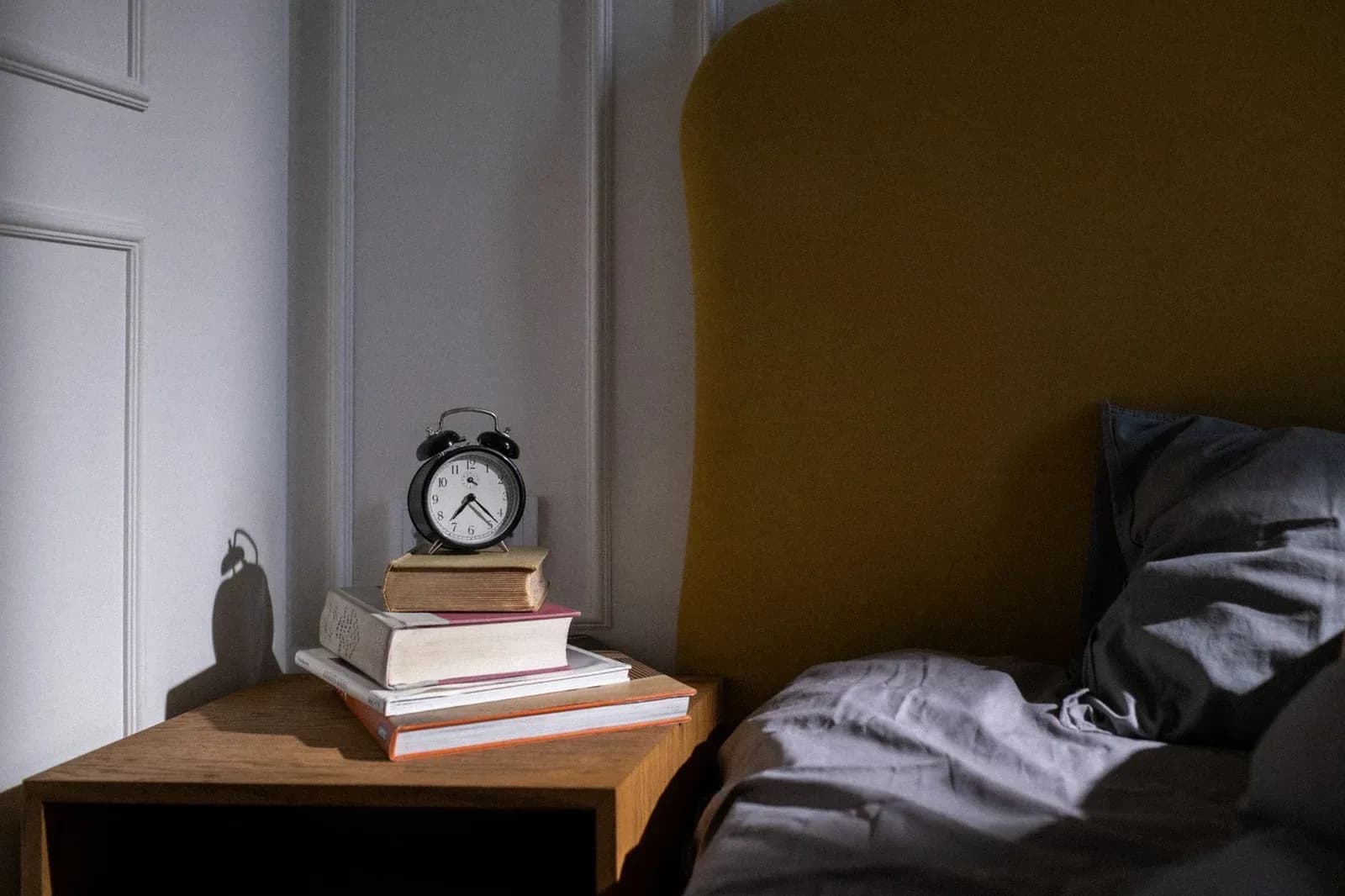
Photo: Ron Lach / Pexels
At 2am on Sunday 25th October, the clocks went back to 1am and Britain returned to Greenwich Mean Time. On paper, you gained an hour of sleep. The more valuable change arrived the next morning: for the coming weeks, daylight reaches you an hour earlier by the clock, and morning light is the strongest signal your body clock receives. Used well, it sets up better sleep for the whole winter.
The autumn change is far gentler on your body than the spring one
In March you lose an hour and have to wake before your body clock is ready. In October the hour is added to the night, and for a few days you simply wake a little earlier than the clock suggests. Two decades of Swedish hospital records showed a small fall in heart attacks on the Monday after the clocks went back, the reverse of the rise seen after the spring change. A larger analysis published in 2025 found no meaningful change in either direction, so treat the heart benefit as a possibility rather than a promise.
This article is for members only
Become a member to unlock this article and all premium content.