
Dr I. Fortune Glavee: Prevention, Community and Innovation
An NHS dentist for more than 29 years, Dr I. Fortune Glavee on stopping tooth decay in children before it starts, what families get wrong and the app she is developing.

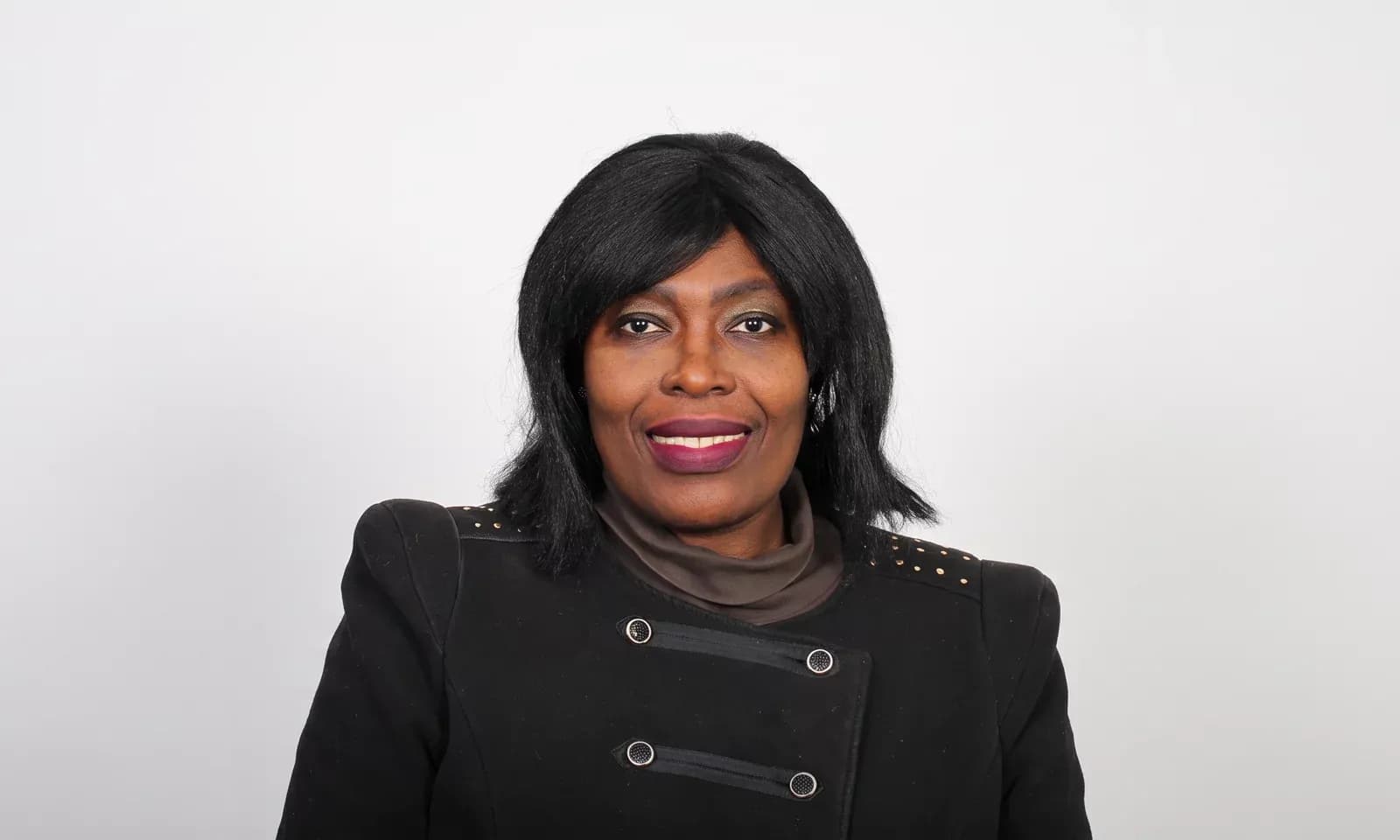
Dr I. Fortune Glavee has worked as an NHS dentist for more than 29 years, and her message to families is simple: dental prevention is better than cure. For children, that means stopping decay before it starts, rather than repairing it afterwards with fillings, crowns or, when a tooth cannot be saved, an extraction.
Prevention begins early and changes as a child grows, through the baby teeth, the mixed stage when a child has both baby and adult teeth, and the move to a full set of permanent teeth. NHS advice is to start brushing as soon as the first milk tooth comes through, usually at around six months. From the age of three, children should be offered fluoride varnish at least twice a year, and when the permanent back teeth arrive, at about six or seven and again between 11 and 14, dentists can seal their grooves against decay. NHS dental care is free for children, yet tooth decay is still the most common reason children aged five to nine are admitted to hospital in England.
Dr Glavee trained at the University of Ghana Medical School and King's College London, where she later completed a master's degree in community dental practice, and she says each stage taught her resilience and emotional intelligence. Her contribution to the field has been recognised with a Legacy Award from the Ghanaian Doctors and Dentists Association UK (GDDA-UK).
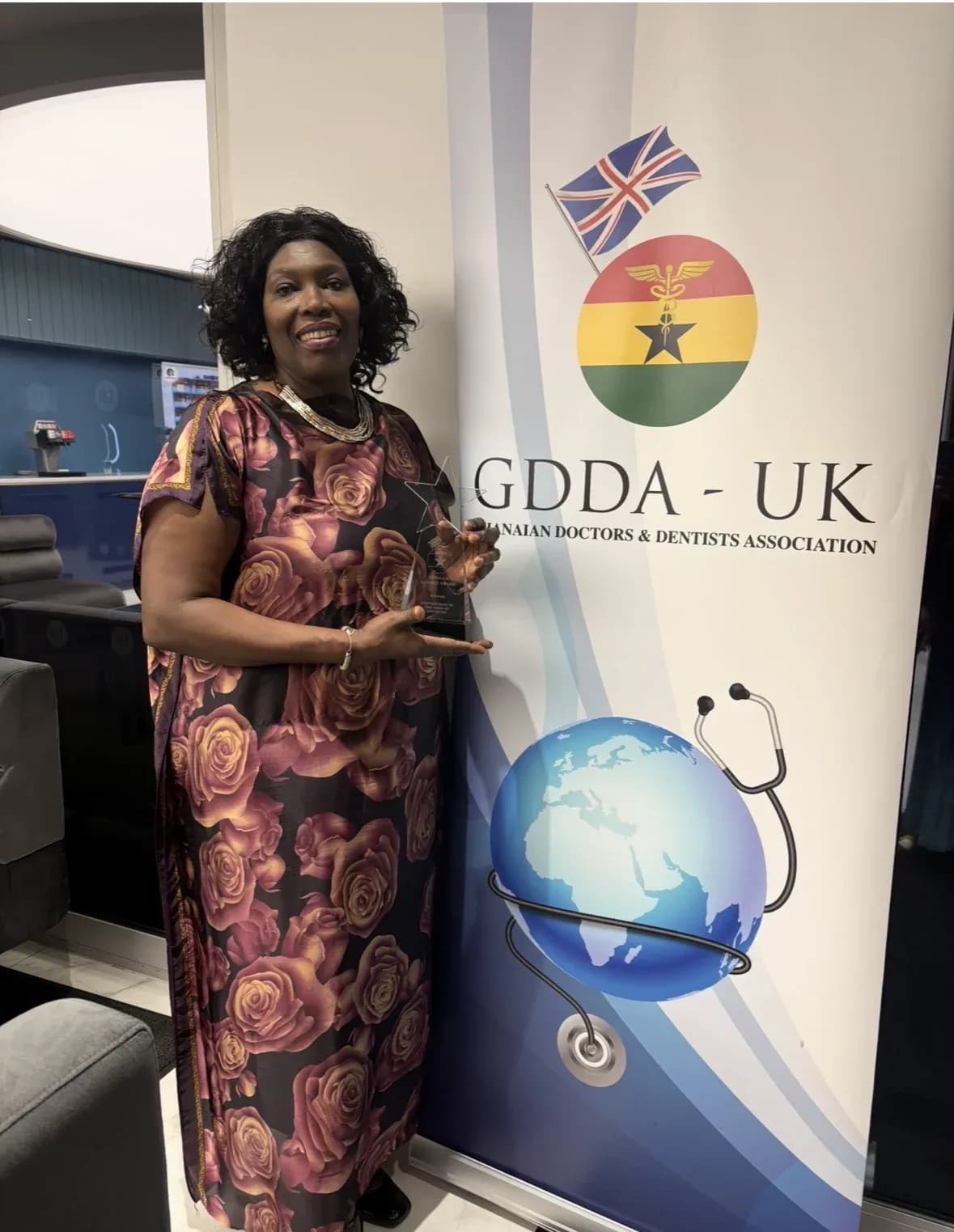
Alongside her practice, she is the author of three books, among them a book and audiobook for parents and children on tooth decay. She founded 10poundchallenges.com and is Mentoring Program Director at the One2One Mentoring Network.
She also writes poetry and makes art, and during lockdown she was part of a winning team in the AI versus Corona hackathon. Those sides of her life, she says, made her resilient and opened her eyes to all the possibilities in the world.
What drew you to dentistry, and to prevention in particular?
It was destiny. One day I went to work and noticed a lot of children being put to sleep to have teeth removed. Dental decay is a preventable disease.
Treating it in theatre is expensive, because you need anaesthetists, theatre staff, nurses, dental surgeons and other members of the team in theatre. Hospital Episode Statistics show that the health service spent about £74.8 million on tooth extractions for children and young people aged 0 to 19 in the year to March 2024, and the latest figures, published in February 2026, put the cost at £87.7 million, which means things have got worse.
For your master's degree, you evaluated a prevention scheme for families. What did you find?
I was asked to evaluate the impact of giving parents and carers a health prevention pack, and to write a report for the primary care trust with my recommendations.
I interviewed health visitors face to face, because they are in touch with parents as soon as a baby is born. I did quantitative and qualitative analysis with parents, and organised a face-to-face focus group with oral health promoters, parents and carers. Parents were shocked to hear that you can register a child with the dentist as soon as they cut their first teeth, from about six to nine months old.
I recommended health packs containing a feeder cup, oral health leaflets, a toothbrush and 1,450ppm toothpaste for the whole family, because that was what they were already doing. My job was to confirm they were doing well in this particular Sure Start area. Unfortunately, I learnt that the scheme has since stopped due to a lack of funds.
I was determined to continue to spread the message that dental prevention is better than cure. It saves money, increases access, decreases inequalities and means parents and carers do not have to take time off work to look after their children when they undergo general anaesthesia.
What do families most often get wrong about children's teeth?
1. Treating baby teeth as unimportant. They play a very important role by maintaining space and guiding the permanent teeth into position, except the first, second and third molars.
2. Waiting until about three years old before visiting the dentist. As soon as the first teeth show, register your child. I see children as young as six months old.
3. Underestimating the danger of bedtime feeding. As soon as the baby falls asleep, remove the breast or feeding bottle to prevent "nursing caries".
4. Leaving children to brush their own teeth. They lack the fine motor skills to brush effectively, so they need parents and carers to help. If a child reaches seven or eight and is still not brushing properly, parents can help them at times. If they are older and still struggling, use plaque disclosing tablets, supervised by parents or carers.
5. Ignoring the role of a sticky, sugary diet. It is not only the amount but the frequency, and dried fruit sticks to the grooves of the teeth for hours.
6. Not using a toothpaste with fluoride. Some do not know that fluoride helps repair the teeth, especially if there are early signs of tooth decay, so the tooth may not need to be drilled and filled.
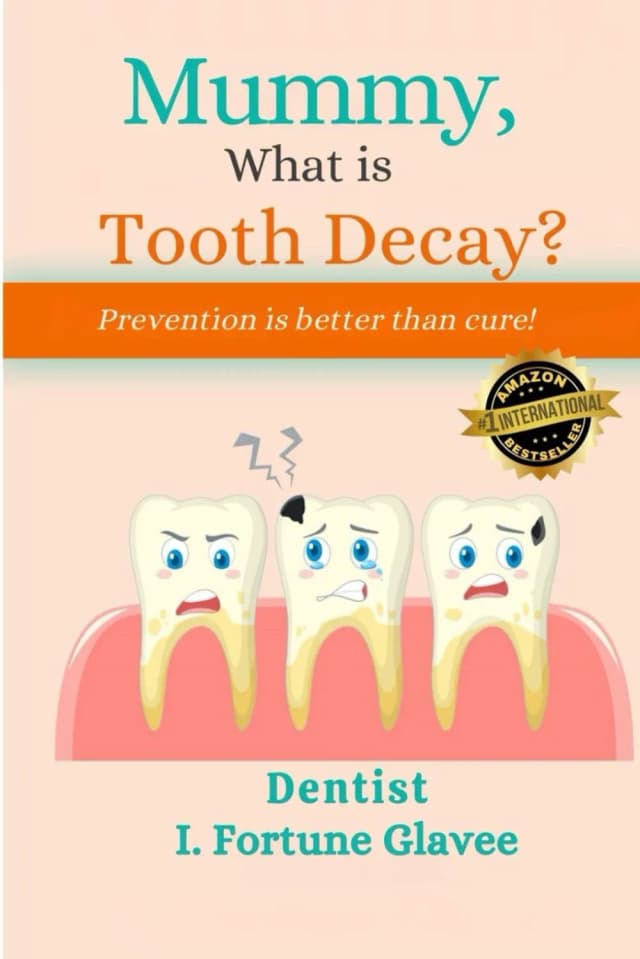
Featured Book
Mummy What is Tooth Decay?
Prevention is better than cure!
by Dr I. Fortune Glavee
This book is for families, to help them have healthy teeth, healthy gums and confident smiles. It is an interactive book that uses simple language to explain what causes tooth decay and how to prevent it. Dental decay is preventable! Read and share to help others and make a difference.
AmazonWhy did you write Mummy What is Tooth Decay?, and why as an audiobook as well as in print?
I wrote it to help parents. There is a printed version and an audiobook, so that parents can listen with their children, and for accessibility.
It was the third book I wrote. My first was Positive Work-Life Balance: How to Transform from a Tired, Exhausted and Drained (T.E.D.) Individual to a Happy, Empowered and Fulfilled (H.E.F.) Individual. My second is Book of Poetry: Why I Create!
As a result of the YouTube Accelerator programme, I also started a channel to educate parents and carers.
What does good dental health look like across a whole community, and who is being left behind?
Oral health outcomes are equitable, the community is engaged, and oral health promotion starts early.
Those left behind are families in socially deprived areas. That is why I built an app with a team that uses artificial intelligence and the camera on your smartphone to screen for early signs of tooth decay and track your risk, in the comfort of your home.
Tell us about 10poundchallenges.com. What is it, and how does it connect to your work?
I believe what we eat affects our risk of developing tooth decay, which is why I founded 10poundchallenges.com. It is a community-driven public health initiative that links preventive dental care with affordable nutrition. It is a movement challenging families to prepare food from scratch using £10 to buy the ingredients, and to be creative with the meals they prepare. You are less likely to add a lot of sugar to food.
Did you know that during the Second World War, because of sugar rationing, there was less tooth decay? It was also a time when people cooked healthy, wholesome meals from scratch. You are welcome to swap recipes and help one another in the community.
What do you most want to pass on to the people you mentor?
I am currently mentoring two mentees, which has taken me out of my comfort zone. The first is in an innovative perfume business, and the second is involved in different things but would like to build up promoting events and doing voiceovers.
What I want to pass on is based on my philosophy of making a difference which becomes a ripple effect to inspire the next generation.
What is next for you?
Next for me is working on my minimum viable product, testing, regulatory processes and scaling from an idea to a global phenomenon which solves a problem in the world. I would appreciate collaborating with someone who has done the same, and would love to have a mentor to help with the business side. As clinicians, we are taught to be good healthcare professionals, but most of us lack business acumen.
Going forward, I would like to focus on my AI innovation and on dental prevention. My vision is for policymakers, stakeholders, parents, carers and anyone who is passionate about dental prevention to come together and launch an oral health programme that addresses inequalities, saves money, increases access and motivates everyone who is anxious about visiting the dentist.
Enjoying this article?
Subscribe to our newsletter and never miss a story. No spam, ever.

Executive Contributor
Dr Neslyn business psychologist and Prof. Executive Coach serving CEOs, Directors and Aspiring Directors to: be their best in their leadership, achieve high performance, achieve excellence and transform their business and life with integrity, passion, vision and emotional intelligence. Neslyn received the award of: Women of the Decade in Community Leadership & Social Change from Women Economic Forum May 2017. Dr Neslyn speaks Internationally on Leadership.
Related Articles
Repeated Antibiotic Courses From Childhood Linked to Higher Odds of IBS by Age 24

Talk Therapy for Depression in Pregnancy Is Linked to Differences in Babies' Brains

A Plastics Chemical Used to Replace Phthalates Is Linked to Smaller Babies in a Large US Study