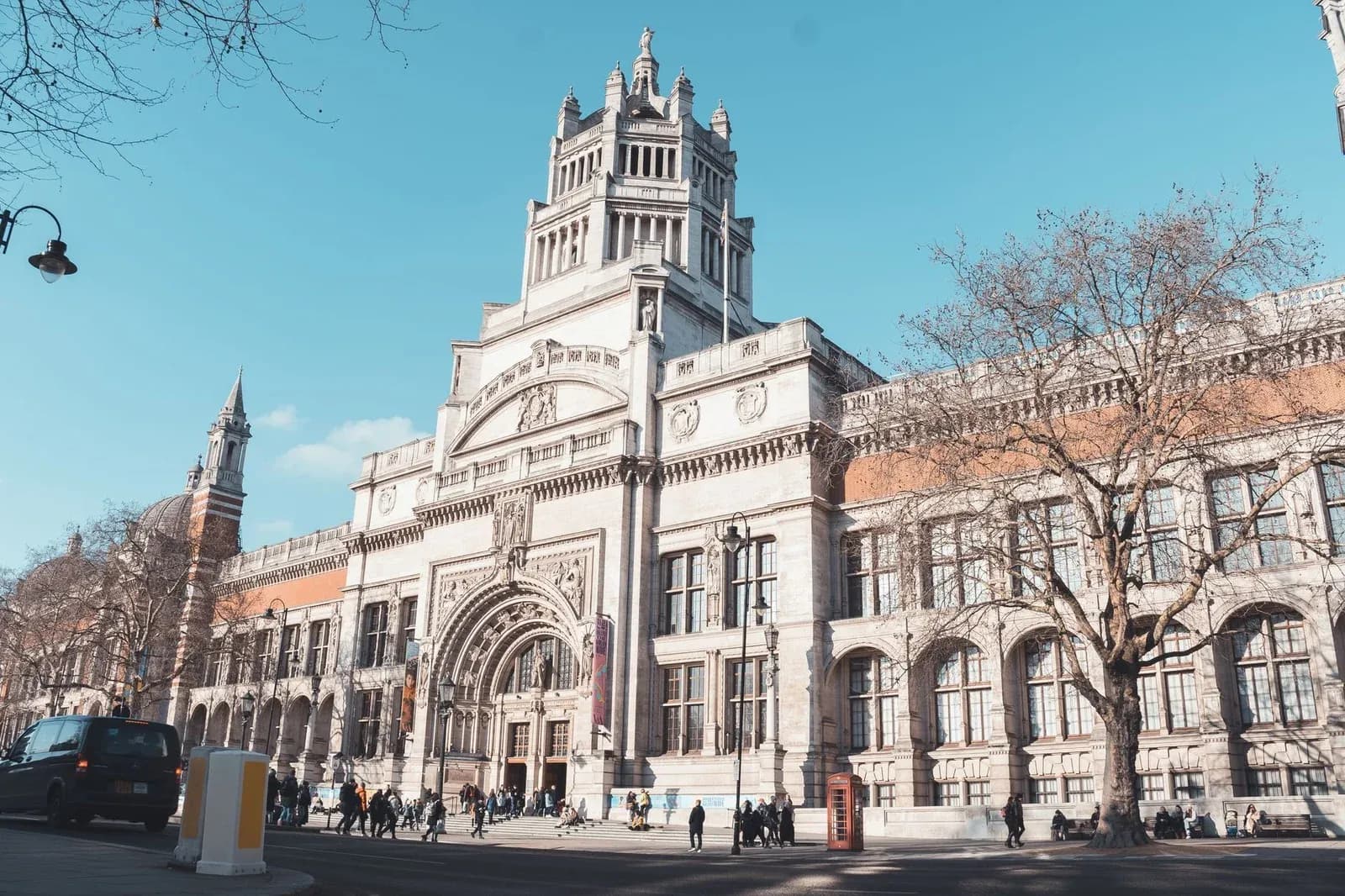
Punjabi Princess Sophia Duleep Singh Fought for the Vote and Nursed Indian Soldiers: See Her Story at Kensington Palace Before 8th November
Queen Victoria's goddaughter sold The Suffragette outside her own royal home, marched on Black Friday and nursed wounded Indian soldiers. Her exhibition closes on Sunday.

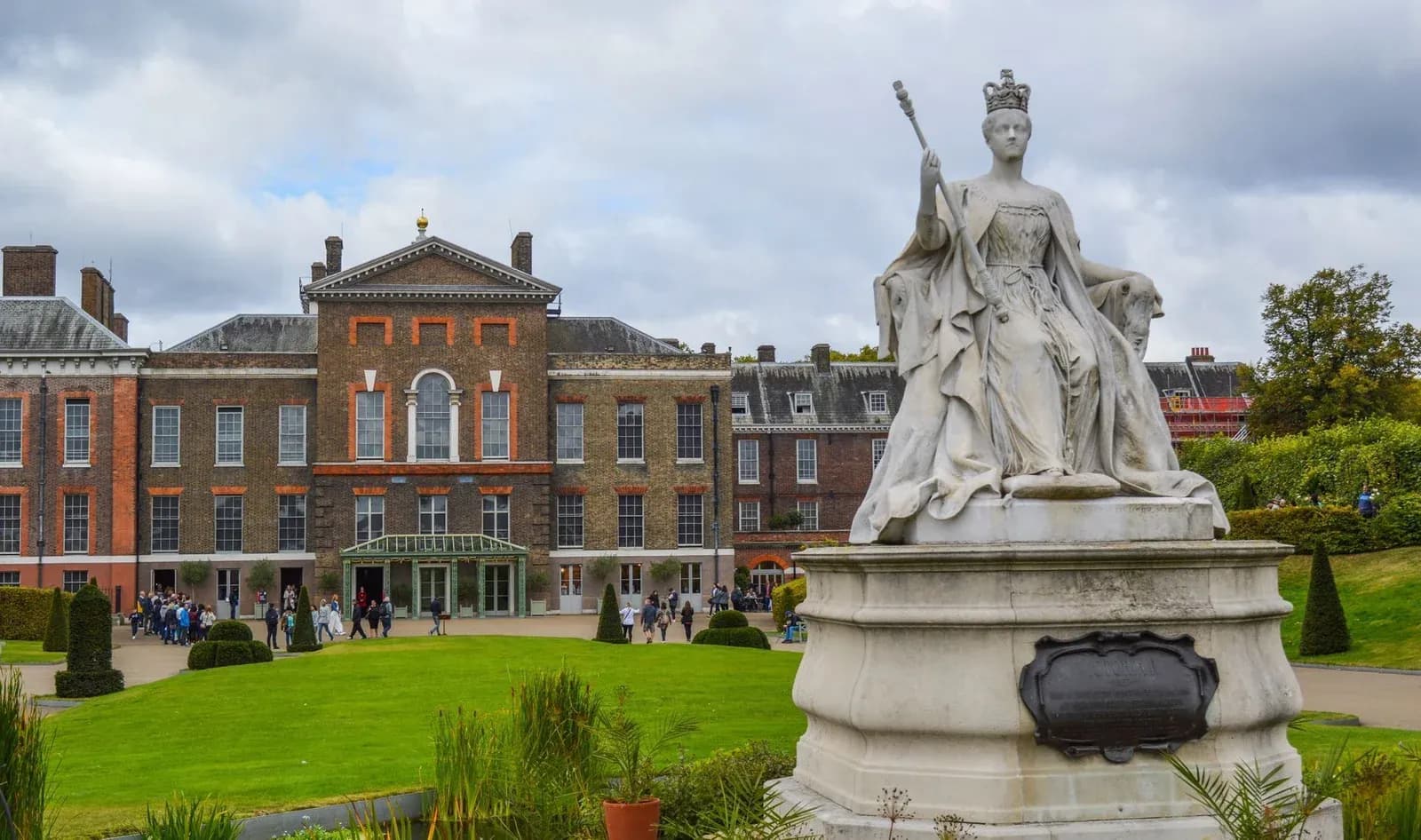
Photo: Gotta Be Worth It / Pexels
On 18th November 1910, more than 300 women marched from Caxton Hall in Westminster towards Parliament, demanding to see the Prime Minister about votes for women. Police and bystanders met them with hours of violence, and the day became known as Black Friday. Among the women at the front was a princess, the daughter of the last Maharaja of the Sikh Empire and the goddaughter of Queen Victoria.
Her name was Sophia Duleep Singh, and The Last Princesses of Punjab at Kensington Palace, created to mark 150 years since her birth, closes on Sunday 8th November. If you see one exhibition this weekend, make it this one.
A Maharaja's daughter raised in exile
Sophia's grandfather, Ranjit Singh, founded the Sikh Empire. Her father, Duleep Singh, became Maharaja as a five-year-old in 1843, with his mother, Jind Kaur, ruling as regent. After two wars with the East India Company, the boy was made to sign away the Punjab in 1849, aged ten, and to surrender the Koh-i-Noor diamond, which was sent to Queen Victoria. He was later brought to Britain, where he settled on the Elveden estate in Suffolk.
Sophia was born on 8th August 1876, the third daughter of Duleep Singh and his first wife, Bamba Müller. Queen Victoria became her godmother and took a close interest in the family. The comfort did not last. By 1887 Sophia's father had left the family and her mother had died. In 1898 Queen Victoria gave Sophia a grace-and-favour home at Faraday House, Hampton Court, and as a young woman she lived the life of a society princess, wearing Paris fashions, breeding prize-winning dogs, cycling and taking photographs.
A princess selling The Suffragette at the palace gates
A visit to India in the early 1900s changed her. Seeing the poverty of the country her family once ruled turned her towards politics, and after meeting the suffragette Una Dugdale she joined Emmeline Pankhurst's Women's Social and Political Union around 1909.
Sophia did not lend her title from a distance. She spoke at local branch meetings and sold copies of The Suffragette newspaper outside Hampton Court Palace, in full view of the royal household that housed her. She joined the Women's Tax Resistance League, whose slogan 'No Vote, No Tax' meant refusing to pay taxes to a state that denied women a voice, and in 1911 she refused to fill in the census. On Black Friday she was arrested, though the charges were soon dropped.
A Red Cross nurse at the bedsides of Indian soldiers
When the First World War began, Sophia turned the same energy towards the soldiers of undivided India. In 1915 she joined a march of thousands of women demanding the right to serve in the war effort. She volunteered as a British Red Cross nurse and cared for wounded Indian soldiers brought back from the Western Front, including at the hospital set up inside the Royal Pavilion in Brighton. Sikh soldiers could barely believe that the granddaughter of Ranjit Singh sat at their bedsides in a nurse's uniform.
She raised money for them too. In 1916 she gathered Indian women in London to sell flags for an Indian soldiers' welfare fund, and the 'India Day' appeal she helped organise in September 1918 paid for 50,000 huts to shelter Indian troops serving across the world.
After 1918, when women over 30 won the vote, she joined the Suffragette Fellowship and stayed a member for the rest of her life. During the Second World War she took evacuee children from London into her home in Penn, Buckinghamshire. She died on 22nd August 1948.
Six women whose lives were shaped by empire
The exhibition does not follow Sophia alone. It sets her beside five women who shaped her: her sisters Catherine, also a suffragette, and Bamba, her mother Bamba Müller, her grandmother Jind Kaur, the regent who defied the British, and her godmother Queen Victoria. Each expressed womanhood, power and royalty in a different way, and the exhibition traces how empire transformed all six lives.
Inside, you will find personal letters, jewellery and textiles, an 1895 portrait of the three sisters dressed as debutantes and a 'No Vote, No Tax' banner from the suffrage campaign. The voices of British South Asian people today run through the rooms, responding to the themes of identity, expression and resistance that defined these women. Kensington Palace, where Queen Victoria spent her childhood, makes a fitting home for the story.
A princess at the bedside, on the weekend the nation remembers
The exhibition closes on Remembrance Sunday, the same day Sikh, Hindu and Jain families celebrate Diwali and Bandi Chhor Divas. Sophia stood at the meeting point of all of it: a Sikh princess, a goddaughter of the British Crown, a suffragette and a nurse to the Indian soldiers who fought for a country that denied her a vote. She never waited for permission to matter, and on a weekend of remembrance her story deserves your time.
Visiting before Sunday
Kensington Palace sits in Kensington Gardens, W8 4PX, and the exhibition is included in palace admission. Adult tickets cost £24.70, tickets for children aged 5 to 15 cost £12.40, and visitors on Universal Credit can enter for £1. The palace usually opens from 10am to 6pm, but check final-weekend times and book online before you travel. The V&A's Schiaparelli exhibition, which also closes on Sunday, is a short walk away.
The Last Princesses of Punjab at a glance
- Where: Kensington Palace, Kensington Gardens, W8 4PX
- Closes: Sunday 8th November 2026
- Tickets: adults £24.70, children 5 to 15 £12.40, Universal Credit £1
- Marks: 150 years since the birth of Sophia Duleep Singh on 8th August 1876
Enjoying this article?
Subscribe to our newsletter and never miss a story. No spam, ever.

Editor-in-Chief
Editor-in-Chief of Rich Woman Magazine, founder of Sovereign Magazine, author of many books, Dr Marina Nani is a social edification scientist coining a new industry, Social Edification. Passionately advocating to celebrate your human potential, she is well known for her trademark "Be Seen- Be Heard- Be You" running red carpet events and advanced courses like Blog Genius®, Book Genius®, Podcast Genius®, the cornerstones of her teaching. The constant practitioner of good news, she founded MAKE THE NEWS ( MTN) with the aim to diagnose and close the achievement gap globally. Founder of many publications, British Brands with global reach Marina believes that there is a genius ( Stardust) in each individual, regardless of past and present circumstances. "Not recognising your talent leaves society at loss. Sharing the good news makes a significant difference in your perception about yourself, your industry and your community."
Related Articles
London Calling: The Week Starting 2nd November 2026
The Lord Mayor's Show Returns to the Thames on 14th November as Bronek Masojada Becomes the City's 698th Lord Mayor

EFG London Jazz Festival Opens on 13th November With Ten Days Marking 100 Years of Miles Davis and John Coltrane