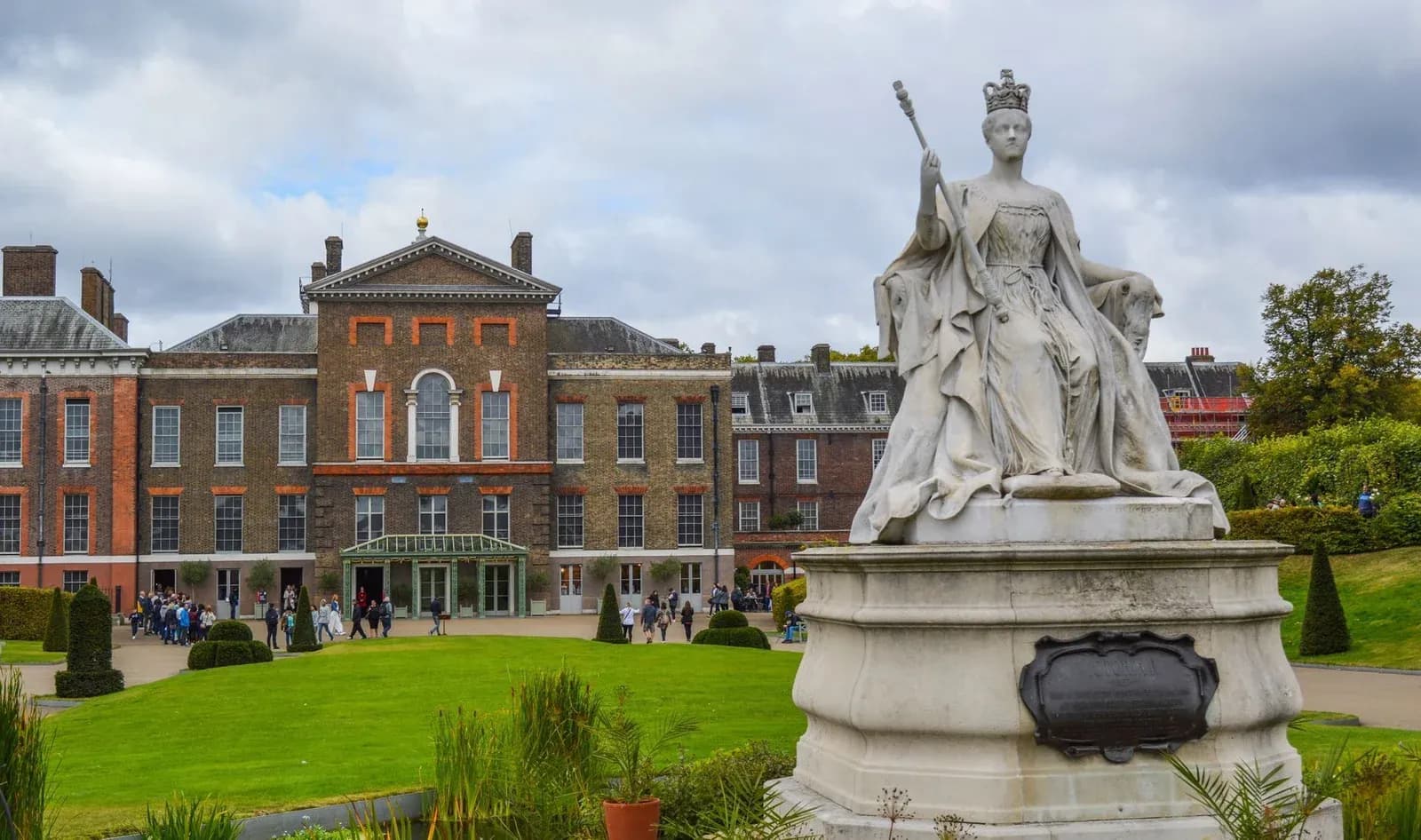
London Remembers at the Royal Albert Hall on 7th November, the Cenotaph on 8th November and in Silence on Armistice Day
Your guide to Remembrance in London: the Festival of Remembrance, the National Service of Remembrance at the Cenotaph and the two-minute silence on 11th November.

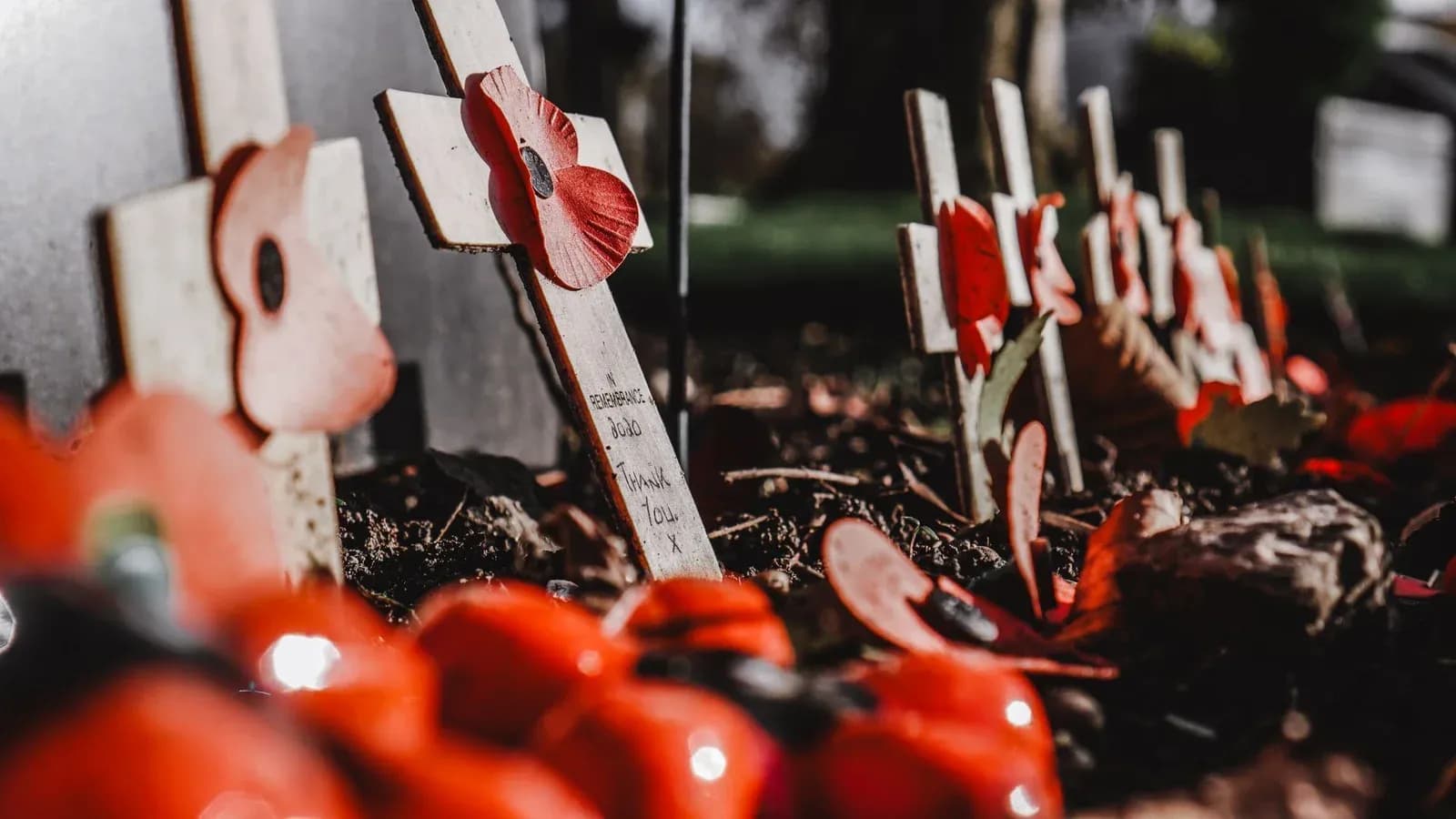
Photo: Nathan J Hilton / Pexels
Between Saturday 7th and Wednesday 11th November, London holds three acts of remembrance. The Royal British Legion's Festival of Remembrance fills the Royal Albert Hall on Saturday evening. On Sunday morning the country falls silent for two minutes at 11am and the National Service of Remembrance takes place at the Cenotaph in Whitehall. On Wednesday, Armistice Day, the silence returns at the hour the guns stopped in 1918.
The Festival of Remembrance fills the Royal Albert Hall on Saturday
The Royal British Legion stages the Festival of Remembrance every year on the eve of Remembrance Sunday, and members of the Royal Family traditionally attend. The evening combines military bands, music and personal stories from those who served and the families they left behind. Last year's Festival marked 80 years since the end of the Second World War.
One of its most moving moments is the Bereaved Families Walk, when relatives of servicemen and women named on the Roll of Honour walk through the hall in their memory. The evening ends as poppy petals fall from the roof of the hall during a two-minute silence. Tickets are hard to come by, and the Festival is traditionally broadcast on BBC One on the Saturday evening, so you can watch from home.
The order of the day at the Cenotaph on Sunday
The National Service of Remembrance begins at 11am on Sunday 8th November and honours British and Commonwealth servicemen and women, military and civilian, who served in the two world wars and later conflicts. The published timetable runs as follows:
- From 10.30am: all detachments form up at the Cenotaph
- From 10.50am: participants process out to the Cenotaph
- 11am: the King's Troop Royal Horse Artillery fires a gun on Horse Guards Parade to mark the start of the two-minute silence, and the service begins
- 11.25am: the service ends and the Royal British Legion's march past begins
After the silence, wreaths are laid on behalf of the nation by members of the Royal Family, political leaders and representatives of the Commonwealth. The march past that follows brings thousands of veterans along Whitehall, and for many people who attend it is the part of the morning they remember longest.
If you plan to go, arrive early. Whitehall fills well before 10am, a screen stands south of the Cenotaph on the corner of King Charles Street, and Great George Street is closed to the public for the day. Stations around Westminster will be busy before and after the service, so check Transport for London before you travel. If you stay at home, the service is broadcast on the BBC, ITV and Sky.
A temporary monument the public would not let go
Sir Edwin Lutyens designed the Cenotaph, whose name comes from the Greek for 'empty tomb'. The first version was a temporary structure of wood and plaster, built for the Victory Parade in July 1919. So many people came to lay flowers that the government commissioned a permanent memorial in Portland stone, unveiled on 11th November 1920.
Its inscription is three words long: 'The Glorious Dead'. Lutyens left off any religious symbol, so the memorial belongs to people of every faith and of none, which matters on a Sunday when Hindu, Sikh and Jain families also celebrate Diwali.
The soldiers who came from undivided India
More than a million men from undivided India served in the First World War, and Indian troops were fighting on the Western Front by the autumn of 1914. Sikh, Hindu and Muslim soldiers fought side by side. Many of the wounded were brought to England, and the Royal Pavilion in Brighton became a hospital for them.
On the South Downs above Brighton, the Chattri memorial marks the spot where Hindu and Sikh soldiers who died in those hospitals were cremated. Princess Sophia Duleep Singh, whose exhibition closes at Kensington Palace on Remembrance Sunday, nursed some of those soldiers as a Red Cross volunteer.
Armistice Day falls on Wednesday 11th November
The Armistice that ended the fighting of the First World War was signed in a railway carriage in the forest of Compiègne in the early hours of 11th November 1918, and it came into force at 11am that day. A year later, in 1919, King George V asked the nation to stop for two minutes at that hour, and the silence has been kept ever since.
On Wednesday 11th November the silence falls at 11am across offices, shops, schools and stations. You do not need to be anywhere special to mark it. Stop what you are doing, put the phone down and give those two minutes their full weight.
Where your poppy money goes
The red poppy grew out of 'In Flanders Fields', the 1915 poem by the Canadian doctor John McCrae, written after he saw poppies growing among the graves on the Western Front. The Royal British Legion held its first Poppy Appeal in 1921. The money you give today supports serving personnel, veterans and their families, from help with housing and care to support for people living with the physical and mental wounds of service.
Remembrance in London at a glance
- Saturday 7th November: Festival of Remembrance, Royal Albert Hall
- Sunday 8th November: National Service of Remembrance, Cenotaph, Whitehall, two-minute silence at 11am
- Wednesday 11th November: Armistice Day, two-minute silence at 11am
Enjoying this article?
Subscribe to our newsletter and never miss a story. No spam, ever.

Editor-in-Chief
Editor-in-Chief of Rich Woman Magazine, founder of Sovereign Magazine, author of many books, Dr Marina Nani is a social edification scientist coining a new industry, Social Edification. Passionately advocating to celebrate your human potential, she is well known for her trademark "Be Seen- Be Heard- Be You" running red carpet events and advanced courses like Blog Genius®, Book Genius®, Podcast Genius®, the cornerstones of her teaching. The constant practitioner of good news, she founded MAKE THE NEWS ( MTN) with the aim to diagnose and close the achievement gap globally. Founder of many publications, British Brands with global reach Marina believes that there is a genius ( Stardust) in each individual, regardless of past and present circumstances. "Not recognising your talent leaves society at loss. Sharing the good news makes a significant difference in your perception about yourself, your industry and your community."
Related Articles
London Calling: The Week Starting 2nd November 2026
The Lord Mayor's Show Returns to the Thames on 14th November as Bronek Masojada Becomes the City's 698th Lord Mayor

EFG London Jazz Festival Opens on 13th November With Ten Days Marking 100 Years of Miles Davis and John Coltrane