The Quality of Your Child's Care Matters More Than Whether You Call It Preschool
The early academic boost from preschool tends to fade within a few years of school, and what still shapes how a child does well into adulthood is how good the care actually is.

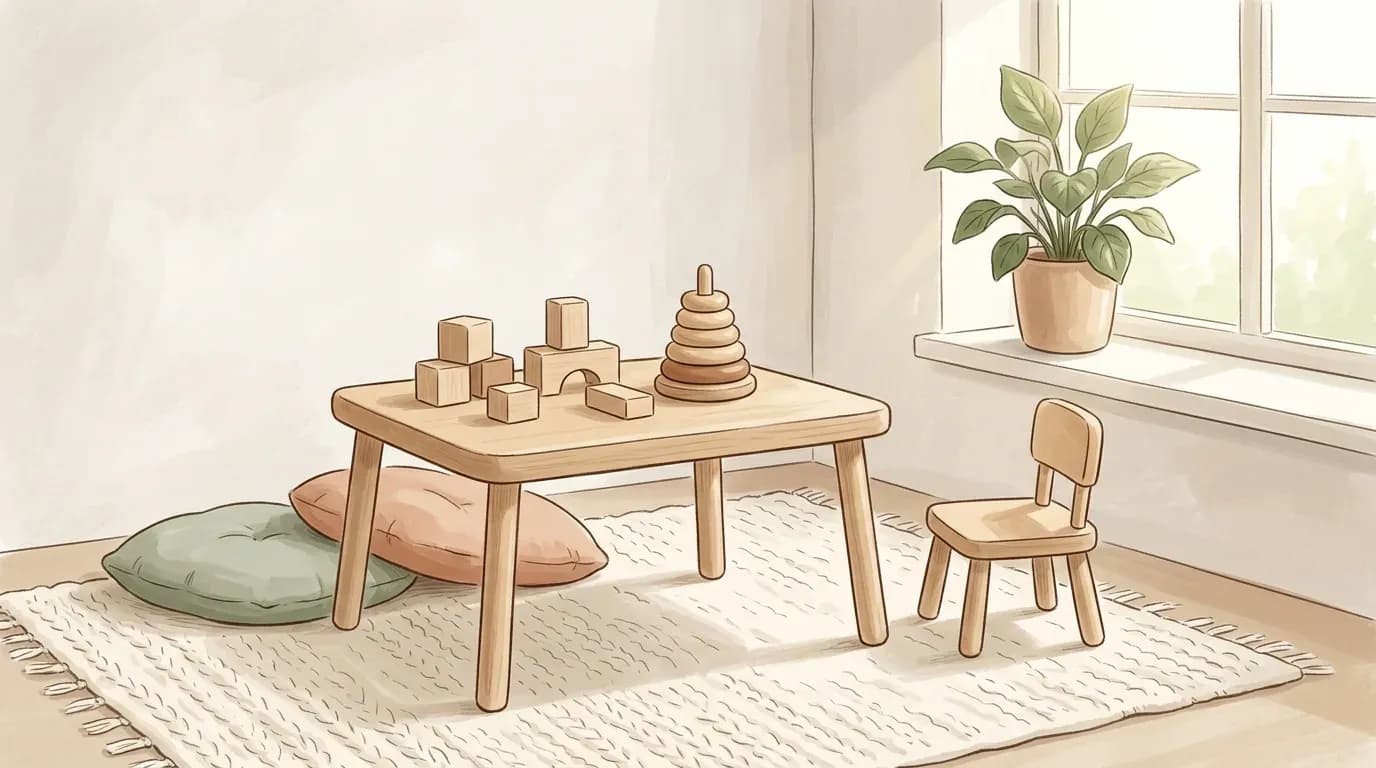
Image: Nani Media House
If you are weighing preschool against daycare, or against keeping your child home a while longer, you mostly want to know whether it will still matter when she is older. Preschool can give your child a real head start. That head start often shrinks once she is a few years into school. And what predicts how she does later is less the name of the place and more how good the care actually is. The care your child gets, day to day, counts for more than the label on the door.
The Early Academic Edge Fades Over the First Years of School
Children who attend preschool tend to walk into kindergarten knowing more letters, more numbers, and more of the routines of a classroom than children who did not. That part is real, and in a good program you will likely see it.
The early edge does not last untouched. Researchers who followed children for years found it narrows, and sometimes closes, over the first grades of school. In the federal Head Start study, the measurable effects had largely faded by around third grade. In Tennessee's study of its state pre-K program, the early gains faded too, and on a few measures the children who had gone to pre-K did slightly worse by third grade than those who had not. In the Perry Preschool study, measured IQ and test scores dropped by more than half between roughly age five and age eight.
This pattern has a name, fade-out, and it is well documented. It is also easy to misread. A child who does not go to preschool is not bound to fall behind, and going to preschool was not pointless just because the early test-score edge fades.
Children From Good Programs Do Better as Adults, Long After the Test Gains Fade
The gains that fade are mostly the ones measured on academic tests. When researchers followed the Perry Preschool children into adulthood, the differences that mattered most were still there decades later. The children who had attended were more likely to finish high school, and as adults they earned more and had less involvement with the justice system, long after the test-score gap had closed.
Higher-quality programs, in particular, hold onto these benefits better.
Quality of Care Is What Predicts How a Child Does Later
In the NICHD study, one of the largest and longest studies of early childhood care in the country, children who had higher-quality care went on to do better academically years later. A federal review of the research reached the same plain conclusion: the quality of childcare genuinely matters for how children turn out.
Quality is not a grand building or a stack of academic worksheets for two-year-olds. It is warm, attentive adults who talk to children, notice them, and respond to them, in a place that is safe and steady. A daycare that does this well is doing more for your child than a preschool that does it poorly, and the label on the door will not tell you which is which.
Centers Offer More Structure, Home Care Offers More One-to-One Attention
The type of care is not irrelevant either. There is a real difference in what each kind of setting tends to be good at.
Center-based settings, the ones we usually call preschool, tend to offer more structured stimulation for thinking and language: more group activities, more early academic exposure, more of the classroom rhythm that kindergarten will expect. Care at home or with a relative tends to offer more sensitive one-to-one attention, which can suit a very young child who is not ready to be one of twenty. If your child is small and you value close, responsive care, home or family care is a good answer. If she is nearing kindergarten and does well around other children and structure, a center may serve her better.
The Readiness Gap Reflects More Than Preschool Alone
You may have seen figures showing preschool children arrive more ready for kindergarten. In Texas, the state's own education data found about 58 percent of eligible children who attended public pre-K were rated ready for kindergarten, compared with about 42 percent of those who did not, a difference of roughly 16 percentage points.
Read that as an association, not as proof that preschool by itself caused it. The families who enroll their children in pre-K often differ in other ways from the families who do not, and some of the gap reflects those differences rather than the program. Preschool tends to go along with readiness. It does not guarantee it on its own.
How to Judge a Preschool or Daycare Before You Enroll
Since quality is what carries forward, that is what to look at when you visit, whatever the place calls itself. Watch how the adults speak to the children: whether they get down to a child's level, follow what a child is interested in, and answer rather than just direct. Notice how many children each adult is responsible for, because attention is hard to give when the group is too big. Look at whether the days have a warm, predictable shape, and whether the children there seem settled and engaged. A place that feels calm, kind, and attentive is giving your child the thing that lasts.
Enjoying this article?
Subscribe to our newsletter and never miss a story. No spam, ever.

Editor-in-Chief
Editor-in-Chief of Rich Woman Magazine, founder of Sovereign Magazine, author of many books, Dr Marina Nani is a social edification scientist coining a new industry, Social Edification. Passionately advocating to celebrate your human potential, she is well known for her trademark "Be Seen- Be Heard- Be You" running red carpet events and advanced courses like Blog Genius®, Book Genius®, Podcast Genius®, the cornerstones of her teaching. The constant practitioner of good news, she founded MAKE THE NEWS ( MTN) with the aim to diagnose and close the achievement gap globally. Founder of many publications, British Brands with global reach Marina believes that there is a genius ( Stardust) in each individual, regardless of past and present circumstances. "Not recognising your talent leaves society at loss. Sharing the good news makes a significant difference in your perception about yourself, your industry and your community."