Protecting the Nest: How Women Are Nurturing Wellbeing in Singapore Homes
Singapore mothers juggle measles vaccination rules, domestic worker health and family wellbeing—support and practical steps for meeting new requirements


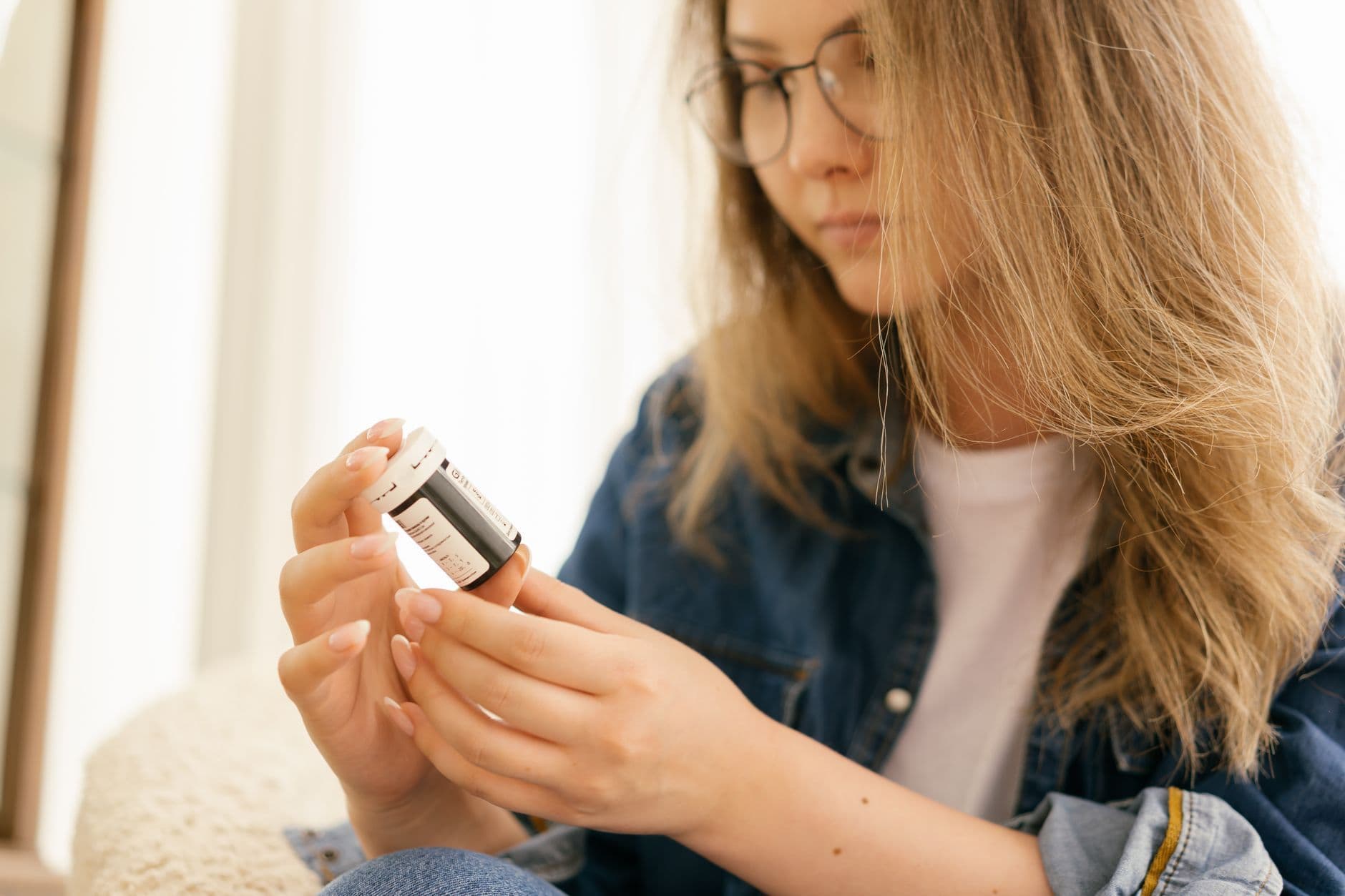
It’s 7.30am and Sarah is already mentally running through her day whilst packing lunch boxes. Did she remember to book the kids’ dental check-ups? Is her helper’s work permit renewal due soon? And now there’s another form sitting on her kitchen counter—something about measles vaccination for domestic workers. Just another item on the endless list of health administration that seems to land squarely on her shoulders.
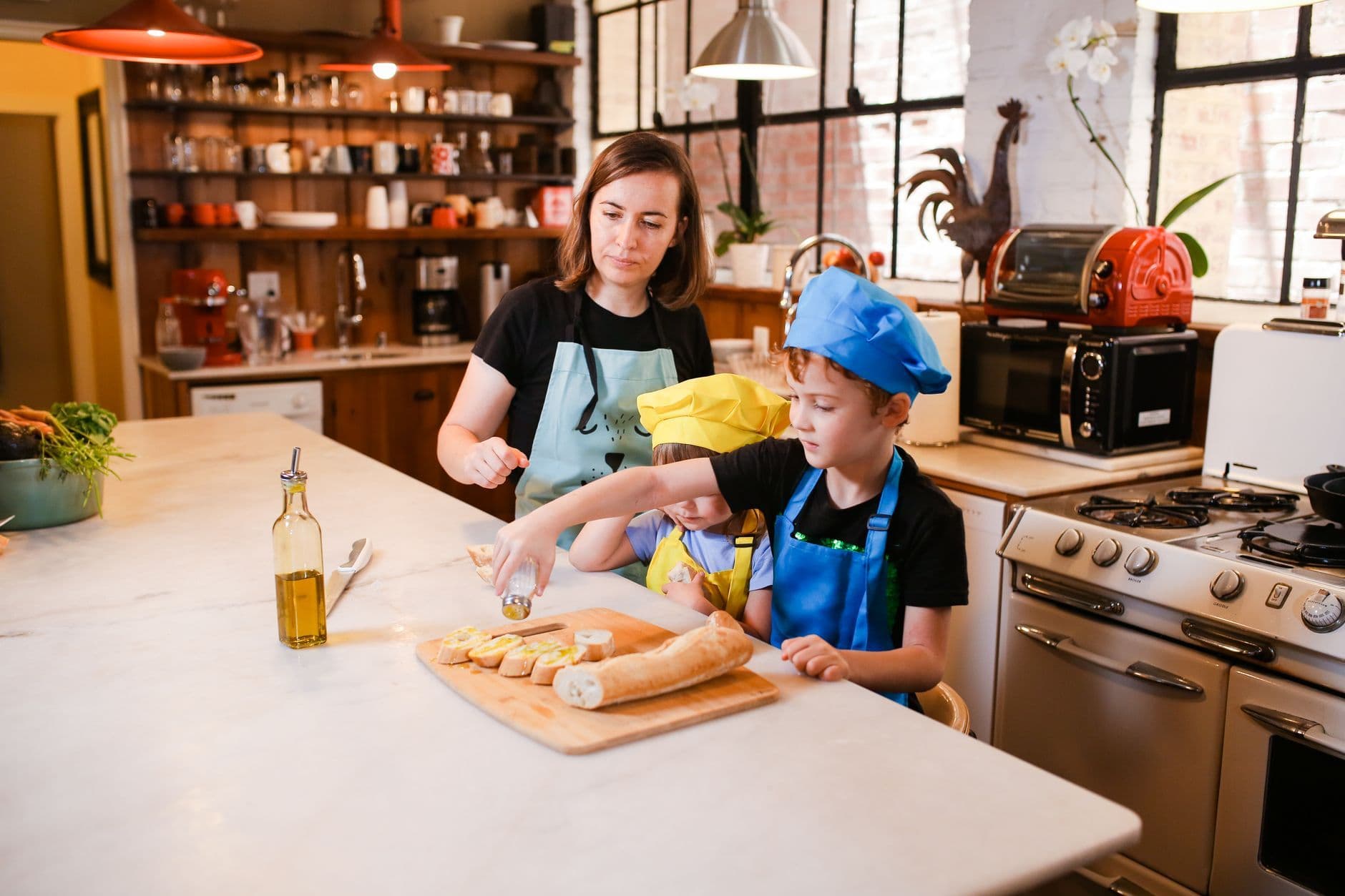
This scene plays out in countless Singapore homes where mothers quietly manage the complex web of family healthcare. From tracking vaccination schedules to ensuring domestic helpers meet new health requirements, mothers and female employers find themselves as the unofficial guardians of their households’ wellbeing.
Why Measles Is Back on Everyone’s Radar
The WhatsApp groups have been buzzing lately. Friends sharing links about measles outbreaks in neighbouring countries, others asking about vaccination records before family holidays. What seemed like a distant concern is suddenly very real.
Vietnam reported over 45,000 suspected measles cases in 2024, whilst Thailand saw cases jump from just 38 in 2023 to over 7,500 last year. Malaysia continues dealing with endemic transmission. Even the United States has recorded over 1,000 confirmed cases this year, marking nearly three decades’ worth of highs.
For Singapore mums planning school holidays or family visits to grandparents overseas, these numbers represent more than statistics—they’re the reason for checking vaccination records at midnight and adding “book MMR booster” to already overflowing to-do lists.
New Rules Mean More Admin for Families
Starting 1 September 2025, Singapore will require all migrant domestic workers in households with unvaccinated children under seven to be immune to measles. Employers must declare their helper’s measles immunity status when applying for or renewing work permits.
The practical reality? More paperwork, more appointments to coordinate and more conversations to navigate. Female employers—who typically handle domestic worker arrangements—now need to understand serology testing, track vaccination schedules for both children and helpers, and ensure compliance whilst maintaining respectful working relationships.
It’s not scaremongering; it’s simply another way women are asked to be the health gatekeepers for their families. The rule makes sense medically—protecting the most vulnerable household members—but the administrative burden falls predictably on those already managing everyone else’s healthcare.
The Mental Load of Health Management
Research shows that mothers in Singapore face significant stress managing family health responsibilities, from prenatal care through childhood immunisation schedules. Now add domestic worker health requirements to that load.
The conversations aren’t always straightforward either. Discussing vaccination requirements with helpers requires sensitivity, cultural awareness and clear communication about health needs versus employment obligations. Employers are responsible for their domestic workers’ health and wellbeing, making these discussions both necessary and nuanced.
What You Actually Need to Know About Measles Vaccines
Singapore’s vaccination system is straightforward. The National Childhood Immunisation Schedule provides fully subsidised MMR vaccines at 12 and 15 months for eligible children at polyclinics and CHAS GP clinics.
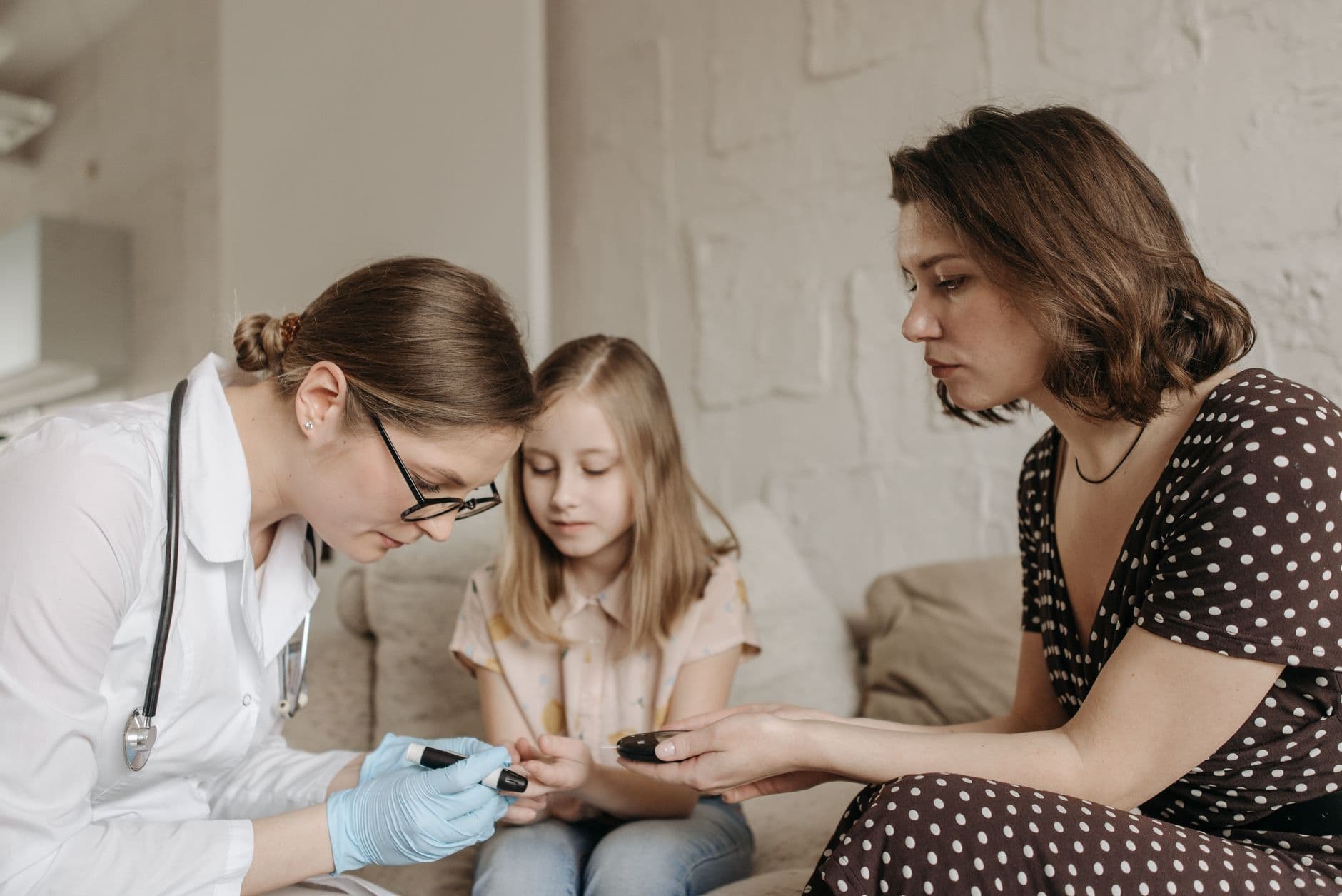
For children, two MMR doses provide strong protection. Adults without documented immunity need a two-dose course, ideally four weeks apart. The cost for domestic workers typically ranges from $80 to $140 for both doses—an expense employers must cover.
Checking vaccination records is simpler than it sounds. Singaporean families can access their children’s immunisation history through HealthHub using SingPass. For helpers or family members vaccinated overseas, serology testing can confirm immunity levels through private healthcare providers.
‘I have read about the recent resurgence of measles cases overseas and I am glad that Singapore had the foresight to implement a preventive measure via the National Childhood Immunisation Schedule,’ explains Dr Pang Yu Xian, Director of Keystone Clinic & Surgery. ‘Measles can be fatal, especially for younger children, and I strongly recommend everyone to get their measles vaccinations if they have yet to do so.’
Getting the Support You Need
Healthcare providers are stepping up to ease the administrative burden. Keystone Clinic & Surgery offers vaccination consultations, on-site MMR administration and serological testing for families navigating the new requirements. Their services work with both childhood and adult immunisation schedules, helping parents understand what’s needed without adding complexity.
The clinic also partners with community groups for vaccination drives and educational seminars—recognising that accurate information reduces anxiety around health decisions. These services aim to support rather than overwhelm families already managing multiple healthcare responsibilities.
Practical Steps Forward
The key is treating this as another routine health check rather than a crisis. Most Singapore children are already protected through the NCIS. For families with domestic workers, the steps are manageable: check your children’s vaccination status (easily done through HealthHub), discuss requirements with your helper respectfully and book any necessary appointments well before the September deadline.
Singapore’s Ministry of Health enables easy updating of vaccination records for those vaccinated overseas, streamlining the process for families with international helpers.
The Quiet Work of Keeping Families Safe
There’s real exhaustion in managing endless health administration, from school health screenings to employer healthcare requirements. The constant mental tracking of everyone’s medical needs—who needs what vaccine when, which forms require updating, whose appointments need scheduling—rarely gets acknowledged as the skilled work it actually is.
Yet these small, daily actions create the foundation of community health. Every vaccination record checked, every appointment booked, every gentle conversation with a helper about health requirements contributes to keeping the most vulnerable family members safe.
The measles vaccination requirement for domestic workers isn’t just policy—it’s recognition of how interconnected our household health really is. In protecting the helpers who care for our children, we’re protecting the children they care for.
If you’re feeling overwhelmed by the new requirements, start simple with protecting your family. Check your family’s vaccination records this week. Book a consultation if you’re unsure about immunity status. Have that conversation with your helper about what the September changes mean. These aren’t additional burdens—they’re expressions of care for the people who share your daily life.
Remember: you don’t have to figure this out alone. Healthcare providers understand the complexity of managing family health and can guide you through the practical steps without adding to your mental load.
Enjoying this article?
Subscribe to our newsletter and never miss a story. No spam, ever.

Editor-in-Chief
Editor-in-Chief of Rich Woman Magazine, founder of Sovereign Magazine, author of many books, Dr Marina Nani is a social edification scientist coining a new industry, Social Edification. Passionately advocating to celebrate your human potential, she is well known for her trademark "Be Seen- Be Heard- Be You" running red carpet events and advanced courses like Blog Genius®, Book Genius®, Podcast Genius®, the cornerstones of her teaching. The constant practitioner of good news, she founded MAKE THE NEWS ( MTN) with the aim to diagnose and close the achievement gap globally. Founder of many publications, British Brands with global reach Marina believes that there is a genius ( Stardust) in each individual, regardless of past and present circumstances. "Not recognising your talent leaves society at loss. Sharing the good news makes a significant difference in your perception about yourself, your industry and your community."