Every Mother Deserves the Right to Survive Childbirth
An estimated 260,000 women still die each year from pregnancy-related complications, most of them preventable. Kate Lysykh, CEO of Helpster Charity, argues that safe motherhood must become a universal guarantee, not a privilege determined by geography or income.

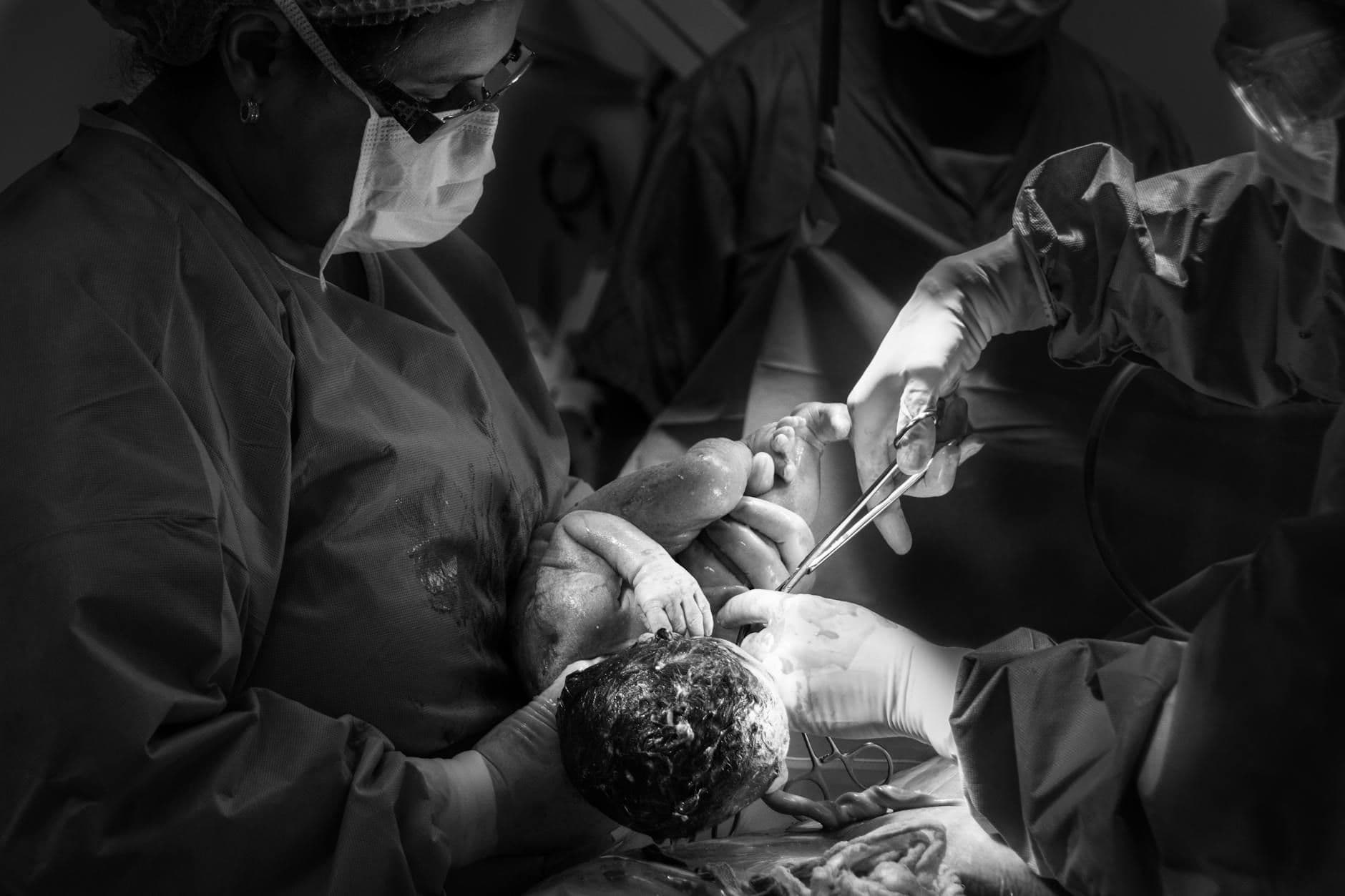
Photo: Jozemara Friorili Lemes / Pexels
Every two minutes, somewhere in the world, a woman dies while giving life, and most of these deaths are preventable.
In many parts of the world today, childbirth remains one of the most dangerous experiences a woman can face. Maternal mortality is not simply a medical issue; it is a measure of women's empowerment, rights, and equity. Until the global community treats safe childbirth as a fundamental right rather than a privilege determined by geography or income, this crisis will persist.
The Scale of the Problem
At the peak of recorded maternal mortality in the early 1990s, an estimated 500,000 women died each year from pregnancy- or childbirth-related complications, according to the World Health Organization's Maternal Mortality Fact Sheet. Today, that number has declined to roughly 260,000 annually; this is significant progress, yet far from acceptable. The burden remains overwhelmingly concentrated in low- and middle-income countries. In developed countries, around 10 women die per 100,000 live births; in less developed countries, the figure rises to approximately 346 per 100,000. These disparities are not simply statistical gaps. They reflect structural inequalities in access to skilled birth attendants, emergency obstetric care, and financial protection, gaps that determine if women can safely exercise their most fundamental right: the right to survive childbirth.
Preventable Causes, Systemic Failures
The medical causes of maternal death are well understood and largely preventable. Postpartum haemorrhage, pre-eclampsia, infections, and obstructed labour can all be treated with timely medical care, but in many resource-constrained settings, women face multiple delays: reaching a health facility, receiving care once they arrive, or securing the funds required for treatment. When healthcare systems are overstretched and families must mobilise funds during emergencies, complications that could be treated in minutes can become fatal within hours.
Global health experts often describe these barriers through the "three delays" framework: delays in deciding to seek care, delays in reaching a health facility, and delays in receiving adequate treatment once there. Financial barriers frequently cut across each of these stages. When families must first find money before treatment can begin, precious time is lost, and those lost hours could determine a mother's survival rate during childbirth.
Inequality Beyond the Delivery Room
Maternal mortality also reflects broader inequalities in how societies value women's health. In many countries, women face systemic barriers long before pregnancy begins, from limited access to education and economic opportunity to inadequate reproductive healthcare. When these inequities intersect with fragile health systems and poverty, the result is a cycle where preventable maternal deaths continue to occur generation after generation.
Addressing these challenges goes beyond clinical solutions. It demands stronger health systems, better financing mechanisms, innovations that remove barriers to care when emergencies arise, and, most importantly, a heart for humanity. Technology, when used responsibly, can help close some of these gaps by connecting resources with urgent needs in real time.
Digital Health and New Financing Models
Across the global health landscape, policymakers and innovators are increasingly exploring digital health systems and new financing models to address these structural gaps. While technology alone cannot replace strong public health systems, it can strengthen them, particularly when it enables faster mobilisation of resources, transparent verification of medical needs, and direct support to healthcare providers during emergencies.
Digital platforms are increasingly demonstrating how transparent funding systems can support urgent medical interventions. By linking verified medical cases directly with donors and ensuring funds are directed to hospitals quickly, technology can help reduce the delays that often determine whether a mother survives childbirth. At Helpster Charity, this model has been used to connect vulnerable patients with timely financial support for essential maternal care. Hundreds of emergency interventions, including caesarean sections and treatment for obstructed labour, have been delivered through this approach, illustrating how technology can help mobilise global goodwill into immediate action when it matters most. Through this model, over 480 women in underserved communities have been able to safely give birth despite high-risk pregnancy complications.
What Comes Next
Technical innovation alone cannot sustainably solve maternal mortality. Governments must strengthen primary healthcare systems, invest in trained midwives and obstetric care, and ensure that financial barriers do not prevent women from accessing life-saving treatment. Donors and global health institutions also play a critical role in supporting scalable solutions that improve maternal health outcomes in underserved regions.
Maternal mortality is not inevitable; it is a solvable problem, and ensuring safe childbirth for every woman is a direct reflection of how societies value women's rights and dignity.
As the world marks International Women's Month, the global health community, governments, donors, and innovators must renew their commitment to ensuring that no woman dies while giving life. Safe motherhood should not depend on geography, income, or access to emergency funds. It should be a universal guarantee.
Frequently Asked Questions
Are most maternal deaths preventable?
What is the leading cause of preventable maternal deaths?
How can the maternal mortality rate be reduced?
How can technology help reduce maternal mortality?
Enjoying this article?
Subscribe to our newsletter and never miss a story. No spam, ever.

Guest Writer
Kate Lysykh is the CEO of Helpster Charity, a technology-enabled nonprofit advancing equitable access to life-saving healthcare for underserved communities across Africa and South Asia. Under her leadership, Helpster has supported over 480 women in safely giving birth despite high-risk pregnancy complications through its transparent digital funding platform.