Almost One in Four Mothers Finds Birth Traumatic, and Far More Struggle Than a PTSD Diagnosis Shows
A study of 11,302 women in 31 countries found that, on average, 23% had a birth that met the clinical definition of a traumatic event. Here are the signs of birth trauma and where to get help in the UK.

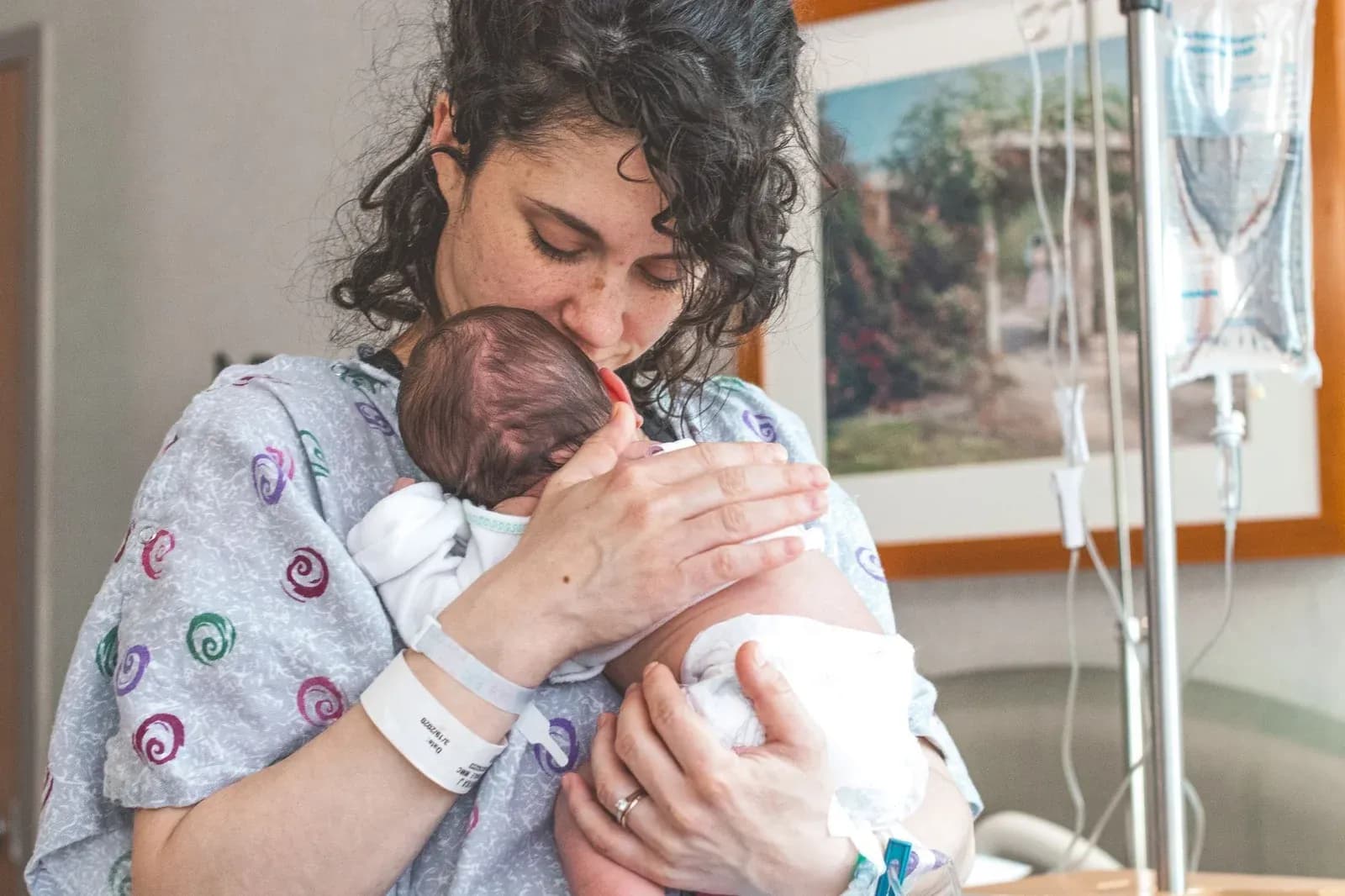
Photo: Craig Adderley / Pexels
For almost one mother in four, giving birth is a traumatic event. That is the average finding of the largest international study of childbirth trauma so far, published in The British Journal of Psychiatry and led by Professor Susan Ayers of City St George's, University of London, with Professor Jonathan Handelzalts of the Academic College of Tel Aviv-Yafo.
The INTERSECT study surveyed 11,302 women in 31 countries between April 2021 and January 2024, six to 12 weeks after they gave birth. Each woman completed the City Birth Trauma Scale, a questionnaire that measures the symptoms of post-traumatic stress linked to childbirth.
How common traumatic birth is
On average across the 31 countries, 23.3% of women had a birth that met the clinical definition of a traumatic event. The rate varied widely, from 7% in the United Arab Emirates to 69% in Malawi.
A smaller group went on to develop childbirth-related post-traumatic stress disorder (PTSD). The average was 6.7%, ranging from 1% in Israel to 36% in Malawi. The authors concluded that a notable proportion of women experience traumatic birth and PTSD, and they recommend routine, trauma-informed assessment of mothers after birth.
The study does not report separate figures for the UK. The Birth Trauma Association estimates that about 4 to 5% of women in the UK experience PTSD after birth, which it puts at about 25,000 to 30,000 women a year.
Far more women struggle than a diagnosis shows
PTSD is only the most severe end of the picture. The Birth Trauma Association points out that many more women have some trauma symptoms, such as intense anxiety or flashbacks, without meeting the threshold for a diagnosis.
Partners can be affected too. About 1% of birth partners develop PTSD after seeing a traumatic birth, according to the charity.
What makes a birth traumatic
A companion paper from the same study, published in Psychological Medicine in November 2025, found that what happened during the birth mattered most. Women who felt that they or their baby were in danger had higher levels of trauma symptoms, and the researchers urged maternity staff to pay attention to how women themselves experienced the birth.
The Birth Trauma Association lists common triggers: complications such as a difficult forceps delivery, an emergency caesarean or heavy bleeding after birth, very long or very intense labours, and a baby born early or unwell who needs special care. Poor communication from staff, being denied pain relief or having procedures done without consent can make the trauma worse. A birth can also feel traumatic to the mother when it looks straightforward to everyone else.
The signs to look for
The symptoms of PTSD after birth, as the Birth Trauma Association describes them, include:
- reliving the birth through nightmares or flashbacks
- avoiding reminders, such as the hospital or television programmes about midwives
- feeling constantly on alert and afraid that something bad will happen
- low mood, guilt, self-blame and gaps in memory of parts of the birth
- feeling emotionally numb or detached
Difficulty bonding with the baby is also common, and the charity notes that the bond often develops over time.
Where to get help in the UK
Start with your GP, midwife or health visitor. You can also ask to talk through what happened with a member of the team who cared for you, such as a midwife, anaesthetist or obstetrician. For women diagnosed with PTSD after childbirth, NHS guidance in Scotland recommends specialist psychological therapies such as trauma-focused cognitive behavioural therapy or eye movement desensitisation and reprocessing (EMDR).
The Birth Trauma Association offers peer support and a leaflet on coping with a traumatic birth, and the charity Make Birth Better supports parents and professionals affected by birth trauma. NHS leaflets on recovery stress that support from other people is key.
A mother's own wellbeing shapes her parenting as well as her recovery, as our report on why feeling well matters for your child explains.
In case you were wondering
What is considered a birth trauma?
How do you know you have birth trauma?
What are the long-term effects of birth trauma?
Enjoying this article?
Subscribe to our newsletter and never miss a story. No spam, ever.

Editor-in-Chief
Editor-in-Chief of Rich Woman Magazine, founder of Sovereign Magazine, author of many books, Dr Marina Nani is a social edification scientist coining a new industry, Social Edification. Passionately advocating to celebrate your human potential, she is well known for her trademark "Be Seen- Be Heard- Be You" running red carpet events and advanced courses like Blog Genius®, Book Genius®, Podcast Genius®, the cornerstones of her teaching. The constant practitioner of good news, she founded MAKE THE NEWS ( MTN) with the aim to diagnose and close the achievement gap globally. Founder of many publications, British Brands with global reach Marina believes that there is a genius ( Stardust) in each individual, regardless of past and present circumstances. "Not recognising your talent leaves society at loss. Sharing the good news makes a significant difference in your perception about yourself, your industry and your community."
Related Articles

Low Vitamin A in Late Pregnancy Is Linked to Larger Babies in a Norwegian Study of 723 Women

Ultra-Processed Food Linked to a Stronger Brain Reward Response and More Weight Gain in Children

Pregnancy Changes Your Brain More Than Adolescence Did, Neuroscientist Susana Carmona Finds