
Low Vitamin A in Late Pregnancy Is Linked to Larger Babies in a Norwegian Study of 723 Women
Almost half the women in a Norwegian study had low vitamin A by the third trimester, and the lower their levels, the heavier their babies tended to be.

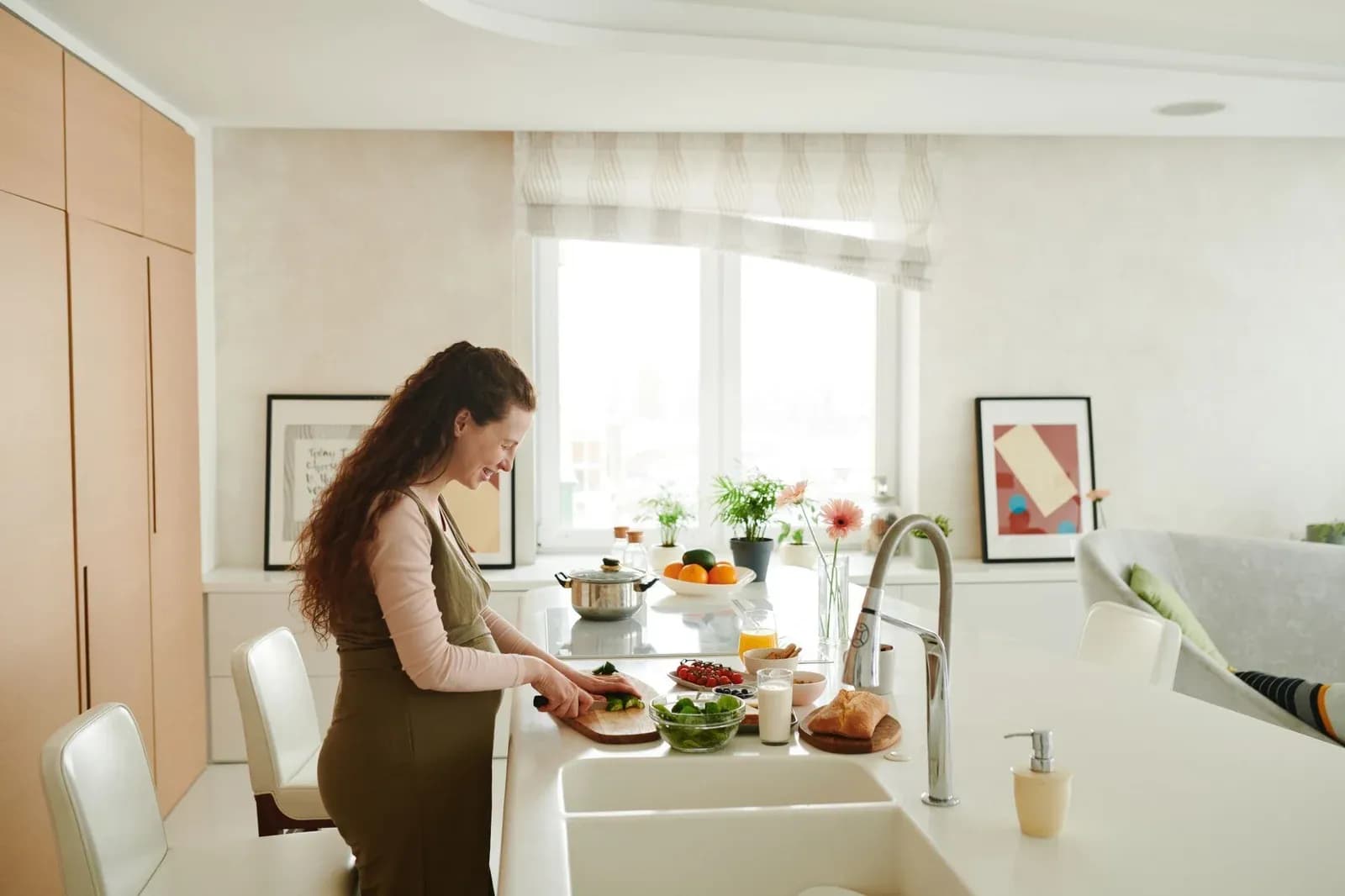
Photo: Matilda Wormwood / Pexels
Most food advice in pregnancy is a list of things to avoid. A new study from Norway suggests that what you do eat deserves as much attention. By the last weeks of pregnancy, 43% of the women studied had insufficient vitamin A, and the lower a mother's level, the heavier her baby tended to be at birth.
Researchers in Trondheim measured retinol, the form of vitamin A the body uses, in blood samples from 723 women with uncomplicated pregnancies. They tested once between 18 and 22 weeks and again between 32 and 36 weeks, then matched the results with each baby's birth weight. The findings were published this week in Frontiers in Nutrition.
How Vitamin A Levels Changed Through Pregnancy
In the second trimester, none of the women were deficient and 8.6% had insufficient levels. By the third trimester, 1.9% were deficient and 43% had insufficient levels. Severe deficiency was almost unheard of at either point.
Low Vitamin A and Birth Weight
Every fall of 0.2 micromoles per litre in a mother's retinol went with a baby between 31 and 68 grams heavier. The pattern held whether vitamin A was measured in the second trimester, the third, as an average of both or as the change between them. Of the babies, 17.3% weighed 4 kg or more, compared with about 10% of all births in Norway over the past five years. A baby over 4 kg, around 8 lb 13 oz, can make labour and birth harder for mother and baby.
The study shows a link, not a cause. Blood retinol may not reflect the full store of vitamin A in your body, the study included only healthy pregnancies, and it cannot say why lower levels went with heavier babies or whether eating more vitamin A would change birth weight. One of the researchers suggested that pregnancy advice may have leaned too heavily on what women should avoid.
Why You Should Not Take Vitamin A Supplements in Pregnancy
None of this is a reason to reach for a supplement. Vitamin A is stored in the body, so it builds up over time, and too much can harm your baby's development. NHS advice is clear: do not take cod liver oil or any supplement containing vitamin A, sometimes listed as retinol, while you are pregnant, and avoid foods very high in vitamin A, such as liver and liver products including pâté. Norwegian advice lists liver pâté as a source, but if you live in the UK, follow NHS advice and check with your midwife. Read the label on any pregnancy multivitamin before you buy it.
The supplements the NHS does recommend in pregnancy are 400 micrograms of folic acid a day for the first 12 weeks and 10 micrograms of vitamin D a day from October to March. Our guide explains why UK sunlight cannot make enough vitamin D in the winter months.
Foods With Vitamin A That Are Safe in Pregnancy
Eggs, milk and yoghurt. These give you vitamin A in modest amounts. Choose pasteurised dairy and hard cheeses, and cook eggs until both the white and the yolk are solid unless they carry the British Lion stamp.
Oily fish. Salmon, mackerel and sardines contain vitamin A along with omega 3. The NHS advises no more than two portions a week in pregnancy.
Orange, red and dark green vegetables and fruit. Carrots, sweet potato, red peppers, spinach, kale, mango and apricots are rich in beta-carotene, which your body turns into vitamin A as it needs it.
A varied plate rather than a single superfood. A mix of these foods across the week covers your needs without the risk of taking too much. If you are worried about your diet, ask your midwife or GP before you change it or add anything.
Birth weight is shaped by many things, from your own health to the chemicals you meet every day. We reported recently on a plastics chemical linked to smaller babies.
Enjoying this article?
Subscribe to our newsletter and never miss a story. No spam, ever.
Editor-in-Chief
Editor-in-Chief of Rich Woman Magazine, founder of Sovereign Magazine, author of many books, Dr Marina Nani is a social edification scientist coining a new industry, Social Edification. Passionately advocating to celebrate your human potential, she is well known for her trademark "Be Seen- Be Heard- Be You" running red carpet events and advanced courses like Blog Genius®, Book Genius®, Podcast Genius®, the cornerstones of her teaching. The constant practitioner of good news, she founded MAKE THE NEWS ( MTN) with the aim to diagnose and close the achievement gap globally. Founder of many publications, British Brands with global reach Marina believes that there is a genius ( Stardust) in each individual, regardless of past and present circumstances. "Not recognising your talent leaves society at loss. Sharing the good news makes a significant difference in your perception about yourself, your industry and your community."
Related Articles

Ultra-Processed Food Linked to a Stronger Brain Reward Response and More Weight Gain in Children
Pregnancy Changes Your Brain More Than Adolescence Did, Neuroscientist Susana Carmona Finds
The Foods That Give Your Child Enough Omega 3, and How Much They Actually Need