
Pregnancy Changes Your Brain More Than Adolescence Did, Neuroscientist Susana Carmona Finds
A Madrid neuroscientist's new book and a fresh study on the bond before birth show that baby brain is part of a rebuild that can leave mothers with younger-looking brains.


Photo: Amina Filkins / Pexels
If you have ever lost your keys in the third trimester or walked into a room with no idea why, someone probably called it baby brain, a polite way of saying your mind was slipping. Neuroscientist Susana Carmona, who runs the Neuromaternal lab in Madrid, has spent more than a decade studying mothers' brains, and her findings point the other way. Pregnancy rebuilds the brain, the changes can last for life, and decades later mothers may have brains that look younger than their age.
Speaking to CTV News this week about her book A Mother's Brain: The New Science of the Neuro-Maternal Revolution, published in English in October, Carmona said pregnancy may reshape the brain more dramatically than adolescence. 'Those are the most pronounced changes I have seen in my career,' she said.
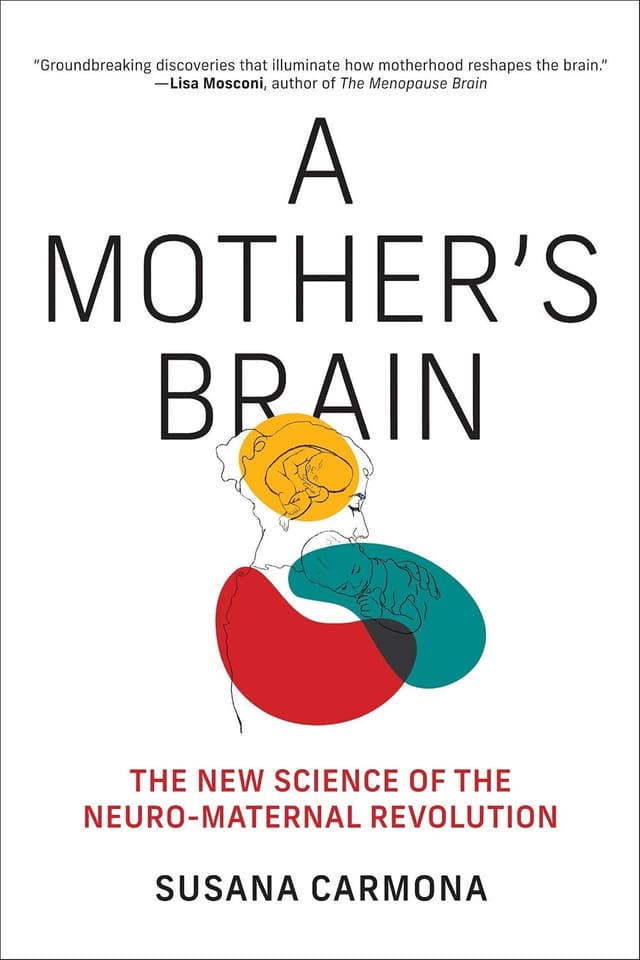
Featured Book
A Mother's Brain
The New Science of the Neuro-Maternal Revolution
by Susana Carmona
Neuroscientist Susana Carmona draws on more than a decade of her own brain imaging research to show how pregnancy reshapes a woman's brain, in some ways more than adolescence does. She follows the changes from before conception to the years after birth, explains how they relate to a mother's wellbeing and her bond with her baby, and describes how cells carrying the baby's DNA can settle in the mother's brain for life. The book challenges the baby brain stereotype and the long neglect of the maternal brain in medicine. Translated from Spanish by Lily Meyer.
MIT Press BookstoreWe may earn a commission from purchases made through this link.
Grey Matter and White Matter Changes During Pregnancy
During pregnancy, the volume of grey matter in the cortex, the brain's outer layer, falls. It rises again after birth but does not return to where it was before conception. For years, experts read that loss as damage, and some took it as the explanation for forgetfulness in pregnant women. At the same time, parts of the white matter, the wiring that carries signals between brain regions, grow stronger, according to research published this year. Our earlier guide covers the first detailed maps of brain changes during pregnancy.
Most of the change sits in the default mode network, the set of regions behind your inner voice and your capacity for empathy. The changes also track how a mother feels. In Carmona's data, women whose brains changed more reported better wellbeing and found it easier to bond with their babies. Researchers cannot yet draw a direct line from these changes to how a mother thinks or behaves from day to day.
Cells carrying the baby's DNA also cross into the mother and settle in her brain and other organs, where they may stay for the rest of her life. Nobody can yet say what they do there.
Why Baby Brain Feels So Real
None of this means you imagined the fog. Carrying a baby and recovering from birth both demand a great deal of energy, and broken sleep on top of that dulls memory and attention in anyone, mother or chief executive. Sleep is when the brain clears itself out, so months of night feeds leave less in reserve.
In the first weeks after birth, your brain also turns its attention towards the baby. Mothers who breastfeed often describe their whole body responding to the smallest sound from the cot. That attention has to come from somewhere, and the things your body treats as less important in those weeks, such as where you left your phone, receive less of it.
Wanting to Care for Your Baby Without Always Enjoying It
Carmona became a mother more than a decade ago and struggled with the expectation that she would love every part of caring for her daughter. Her research gave her a way to understand that gap. One region of a mother's brain treats anything linked to the baby as a strong motivator, which drives you to feed, soothe and protect. That drive does not automatically arrive with pleasure. In Carmona's view, wanting to care for your baby without enjoying every moment of it is part of ordinary motherhood rather than a failing, and the research comforted her about her own first months.
The Bond With Your Baby Before Birth
A new study published this week adds to the picture. Researchers recorded the brain activity of 35 women at around 37 weeks of pregnancy, using a cap of 128 sensors to measure alpha waves, a brain rhythm tied to attention and memory. Women who spent more time imagining their baby and enjoying its movements had more closely matched rhythms between regions on the left side and across the front of the head.
The study was small and captured a single moment, so it shows a link rather than a cause. It still suggests that part of the bond is already visible in the brain before birth. Earlier work by the same team found that this coordination drops after birth, a change that may help new mothers respond to a baby's signals.
A Younger-Looking Brain Decades After Motherhood
Women who became mothers decades ago show signs of what researchers call a younger-looking brain. Carmona compares raising a child to doing sudoku every day for years: you plan, juggle and solve problems constantly, and the brain stays exercised. The hormonal and immune changes of pregnancy may also partly protect women from carrying inflammation into perimenopause.
Pregnancy Brain Research and Maternal Mental Health
Carmona cannot remember any doctor raising the effect of pregnancy on her brain. Medical textbooks typically illustrate the changes of pregnancy with a woman's body drawn from the neck down, and much past advice rested on animal studies and psychological theory. A nurse once told her during a blood test that pregnancy hormones kill brain cells. Carmona hopes the research will help doctors prevent and treat mental health conditions around pregnancy, and her team is now studying fathers and adoptive mothers as well.
How to Ease Baby Brain in Pregnancy and After Birth
Protect your sleep where you can. Share night feeds, nap when your baby naps and treat rest as part of your care, as sleep is when your brain restores itself.
Write things down. A shared family calendar, phone reminders and a notebook by the bed take the load off your working memory while your brain is busy elsewhere.
Do one thing at a time. Switching between tasks costs more attention than usual in these months, so finish one job before you start the next.
Give everyday things a fixed home. Keys, phone and bag in the same place every day leave one less thing to remember.
Speak to your midwife or GP if the fog comes with low mood or anxiety. Persistent sadness, worry or a sense that you cannot cope can be signs of perinatal depression, which is treatable, and treating it may benefit your baby's developing brain too.
FAQ
Is pregnancy brain a real thing?
When does pregnancy brain start?
How long does pregnancy brain last?
Does a woman's brain shrink during pregnancy?
Enjoying this article?
Subscribe to our newsletter and never miss a story. No spam, ever.

Editor-in-Chief
Editor-in-Chief of Rich Woman Magazine, founder of Sovereign Magazine, author of many books, Dr Marina Nani is a social edification scientist coining a new industry, Social Edification. Passionately advocating to celebrate your human potential, she is well known for her trademark "Be Seen- Be Heard- Be You" running red carpet events and advanced courses like Blog Genius®, Book Genius®, Podcast Genius®, the cornerstones of her teaching. The constant practitioner of good news, she founded MAKE THE NEWS ( MTN) with the aim to diagnose and close the achievement gap globally. Founder of many publications, British Brands with global reach Marina believes that there is a genius ( Stardust) in each individual, regardless of past and present circumstances. "Not recognising your talent leaves society at loss. Sharing the good news makes a significant difference in your perception about yourself, your industry and your community."
Related Articles

Low Vitamin A in Late Pregnancy Is Linked to Larger Babies in a Norwegian Study of 723 Women

Ultra-Processed Food Linked to a Stronger Brain Reward Response and More Weight Gain in Children
The Foods That Give Your Child Enough Omega 3, and How Much They Actually Need