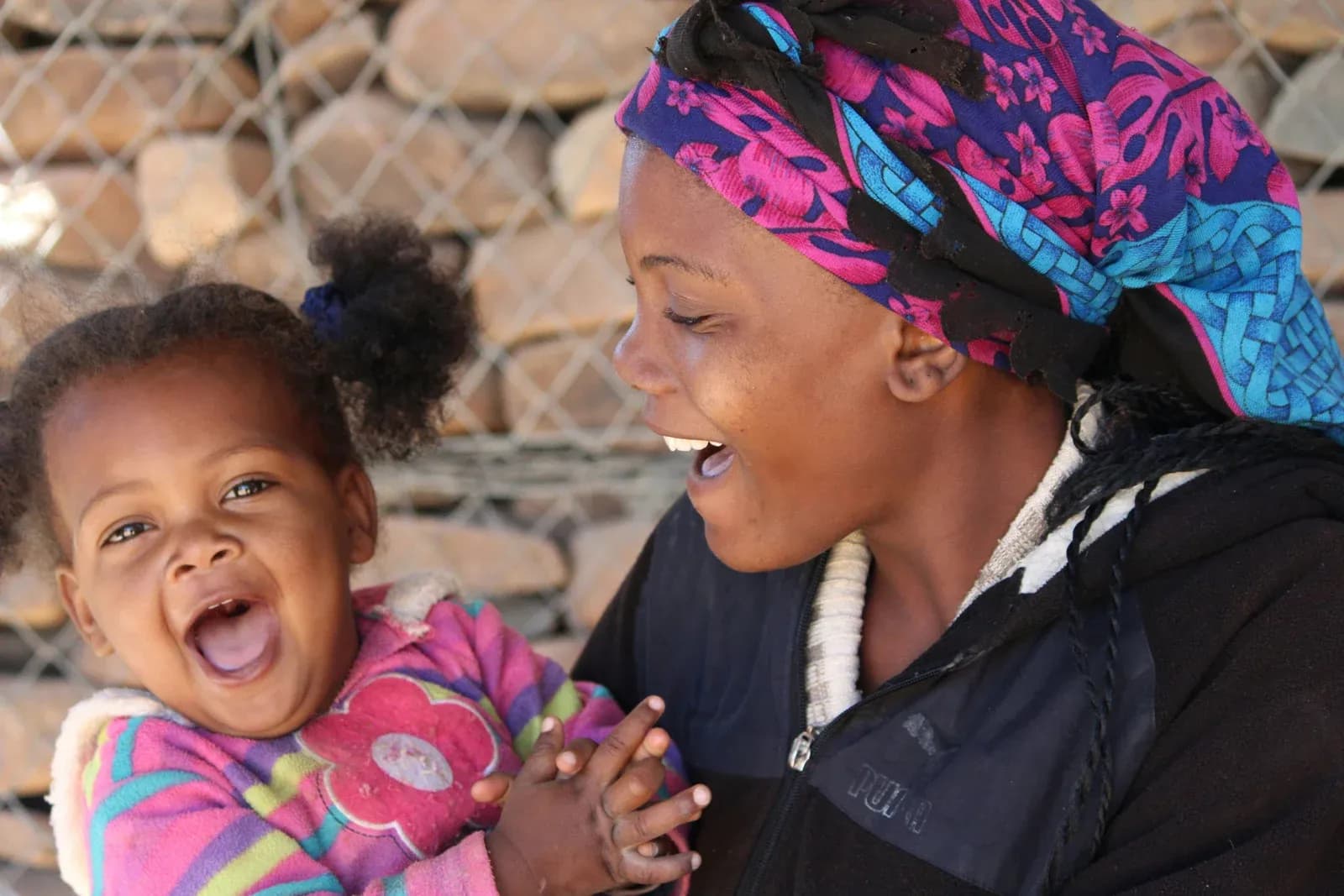
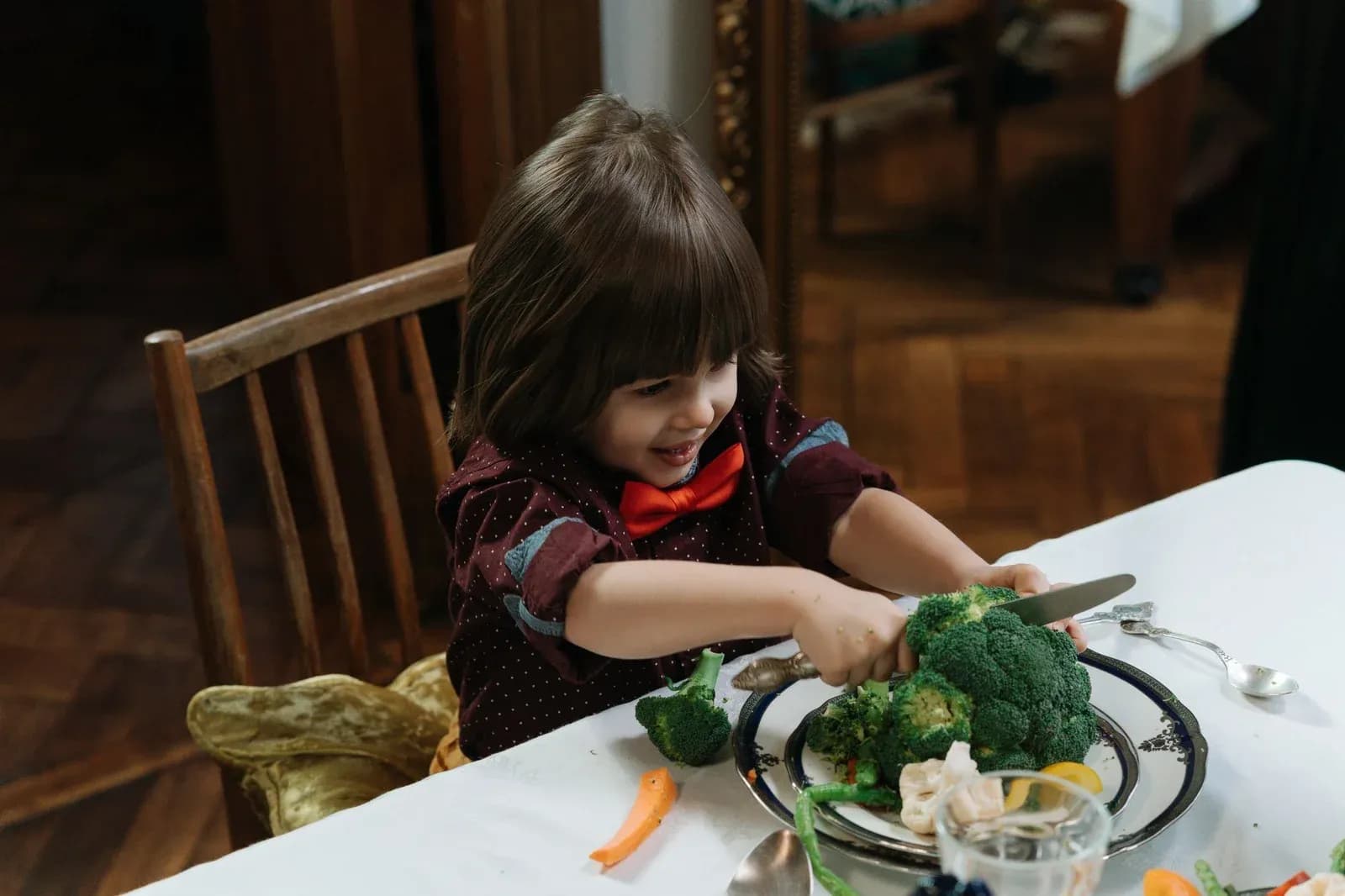
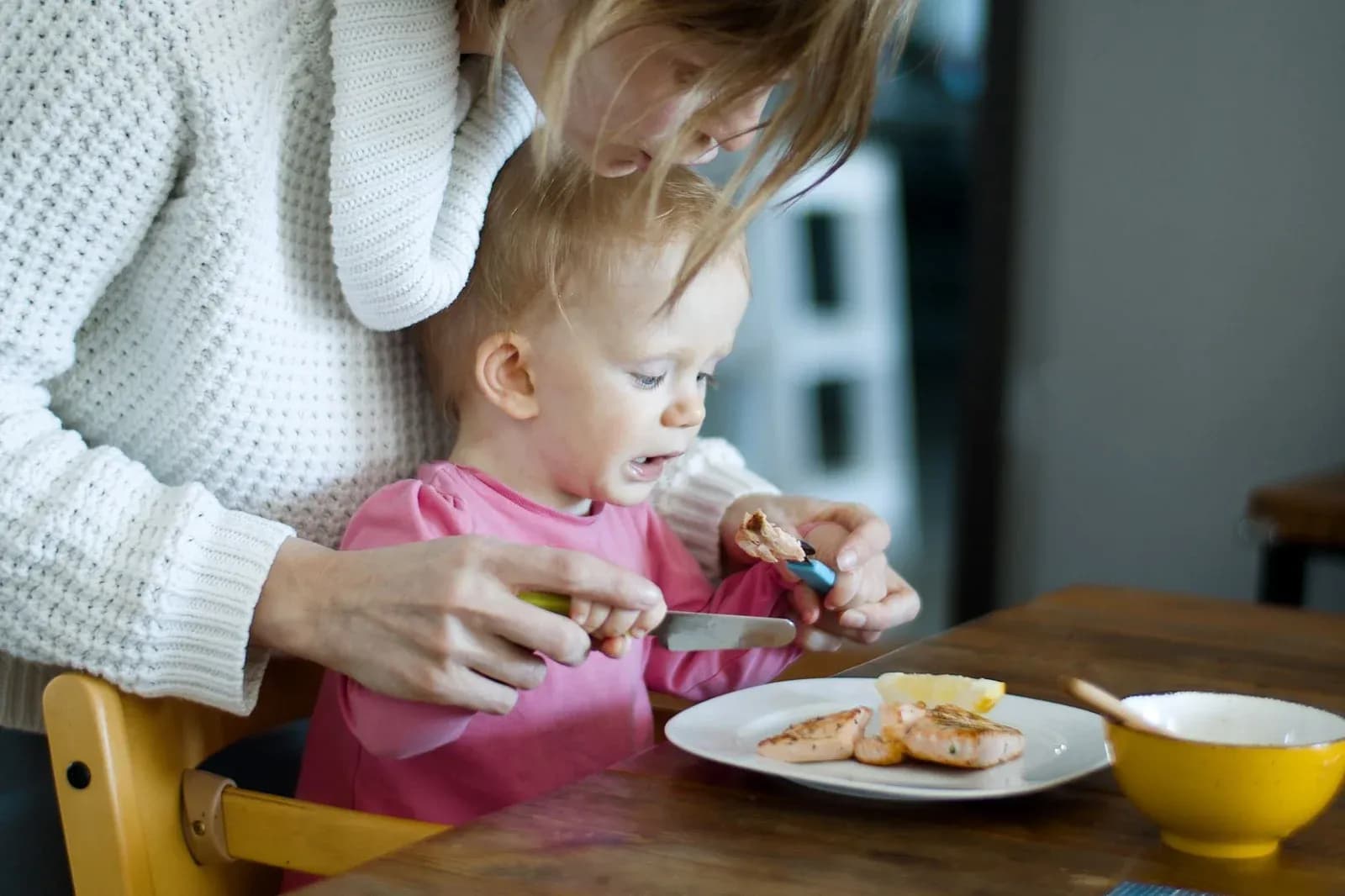
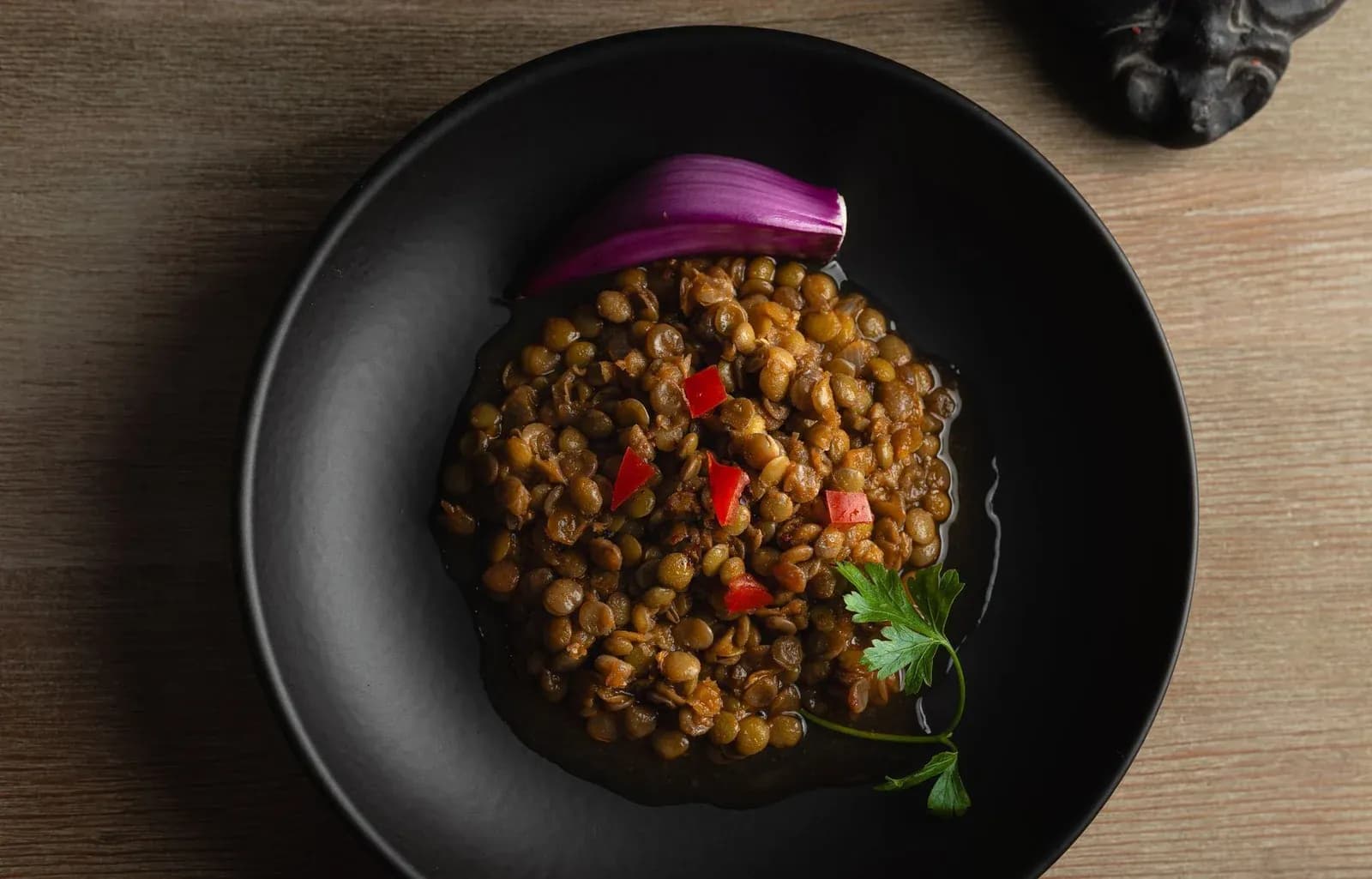
Children, grandchildren and the little dog at your heels: a mother's love has no limits and no conditions. This November, Rich Mom celebrates that love, and asks you to keep some of it for yourself.
Editor's Letter
Editor's Letter: Always Loving You, the Love a Mother Gives Without Limits or Conditions
By Dr Marina Nani
Who first taught you what it means to love without conditions?
For most of you, the answer is a mother. She loved you before you could do anything to earn it, and she kept loving you through the tantrums, the slammed doors and the years when you forgot to call home. Her love has no limits and asks for nothing back. That is the heart of this edition, and the words on our cover say it best: Always Loving You.
A mother's love does not stop at her children. Look around you. A woman walking through the winter streets has a little dog trotting at her side and the dog's own travel bed folded on her shoulder, so there is always a familiar, comfortable place to rest wherever they stop. Anyone who has raised a puppy, sat up with an old dog on a cold night or planned a whole holiday around a cat knows that this is motherhood too. Children, grandchildren, a rescue dog, a nervous cat: a mother loves them all, and she loves them always. Our tips for children and pets who dread fireworks were written with every kind of family in mind.
Yet the same mother who gives everything often keeps nothing for herself. She hears a child cough at three in the morning and ignores her own exhaustion for months. She remembers every birthday except her own. If you feel alone, you are not imagining it: UK parents of babies feel lonelier and less confident at play than their European neighbours. So this month I ask you to turn some of that love towards yourself. Stress is contagious, and your calm protects everyone around you. Eat enough iron for your own energy, take our self-awareness lessons from this year and look at the seven ways to close your pay gap. You deserve the same patience you give everyone else.
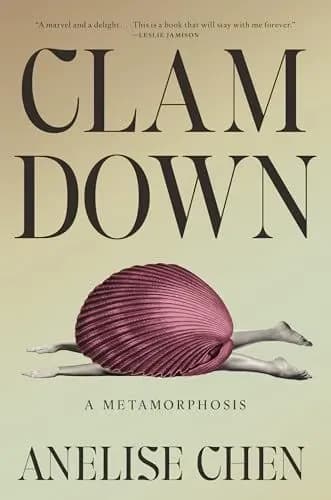
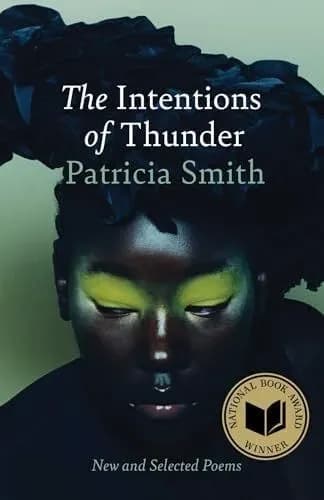
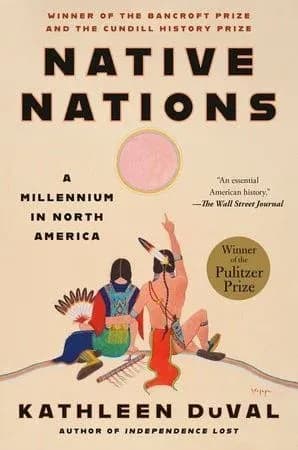
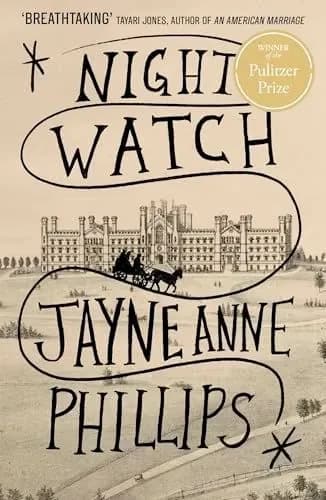
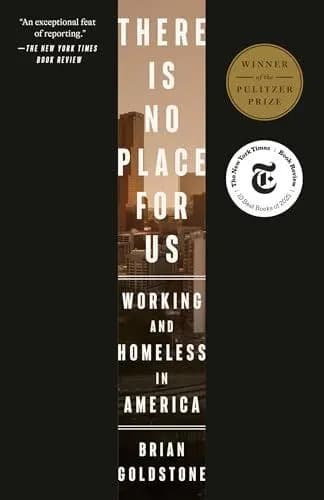
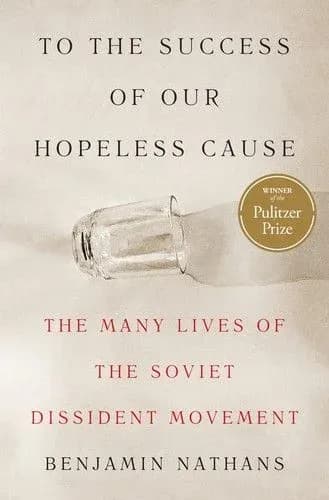
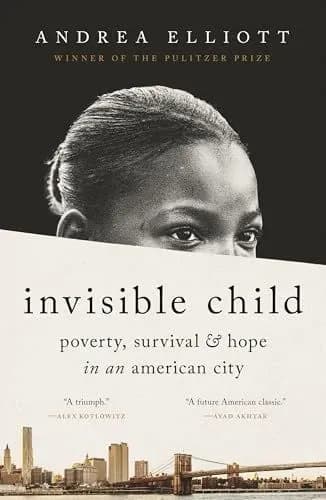
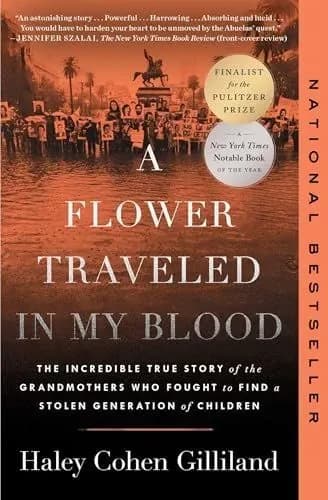
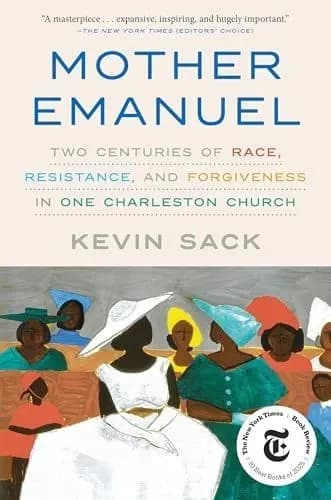
November is full of family moments. Diwali and Remembrance Sunday both fall on 8th November, and we show you how to celebrate one and explain the other to your child. When the Christmas lists start arriving, our guide to presents by age includes the best picks under £20. For your own reading pile, this year's Pulitzer winners include Yiyun Li's memoir of losing her two sons, a reminder that a mother's love outlives everything.
Children grow up and move away. Dogs grow grey around the muzzle. A mother's love stays the same.
This week, love someone without conditions, and put yourself on that list too.
Then write and tell me who taught you to love this way. I would love to hear from you.
Marina Nani Editor-in-Chief
Pregnancy Changes Your Brain More Than Adolescence Did, Neuroscientist Susana Carmona Finds
By Dr Marina Nani
If you have ever lost your keys in the third trimester or walked into a room with no idea why, someone probably called it baby brain, a polite way of saying your mind was slipping. Neuroscientist Susana Carmona, who runs the Neuromaternal lab in Madrid, has spent more than a decade studying mothers' brains, and her findings point the other way. Pregnancy rebuilds the brain, the changes can last for life, and decades later mothers may have brains that look younger than their age.
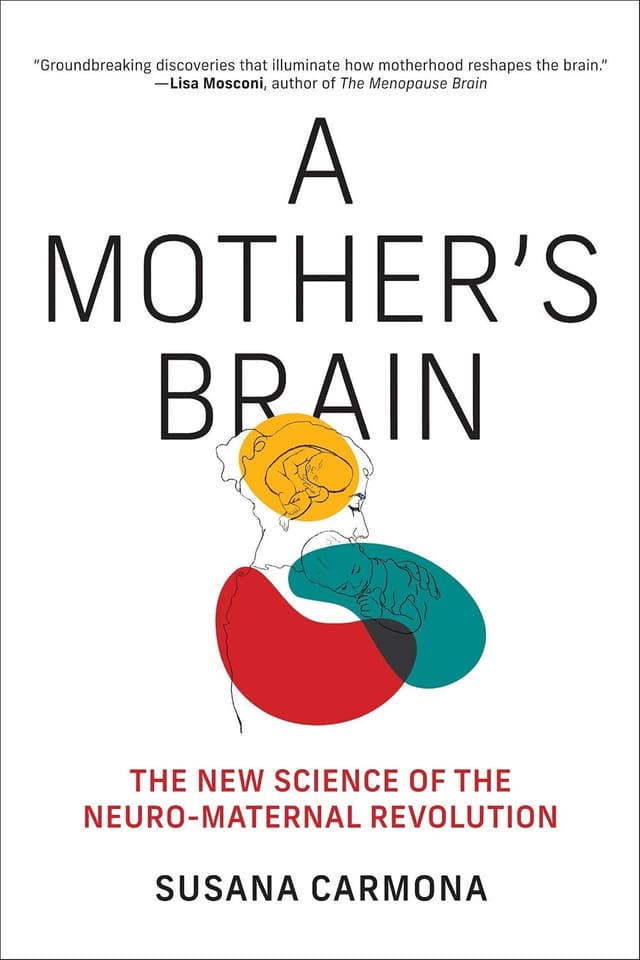
Speaking to CTV News this week about her book A Mother's Brain: The New Science of the Neuro-Maternal Revolution, published in English in October, Carmona said pregnancy may reshape the brain more dramatically than adolescence. 'Those are the most pronounced changes I have seen in my career,' she said.
Neuroscientist Susana Carmona draws on more than a decade of her own brain imaging research to show how pregnancy reshapes a woman's brain, in some ways more than adolescence does. She follows the changes from before conception to the years after birth, explains how they relate to a mother's wellbeing and her bond with her baby, and describes how cells carrying the baby's DNA can settle in the mother's brain for life. The book challenges the baby brain stereotype and the long neglect of the maternal brain in medicine. Translated from Spanish by Lily Meyer.
We may earn a commission from purchases made through this link.
Grey Matter and White Matter Changes During Pregnancy
During pregnancy, the volume of grey matter in the cortex, the brain's outer layer, falls. It rises again after birth but does not return to where it was before conception. For years, experts read that loss as damage, and some took it as the explanation for forgetfulness in pregnant women. At the same time, parts of the white matter, the wiring that carries signals between brain regions, grow stronger, according to research published this year. Our earlier guide covers the first detailed maps of brain changes during pregnancy.
Most of the change sits in the default mode network, the set of regions behind your inner voice and your capacity for empathy. The changes also track how a mother feels. In Carmona's data, women whose brains changed more reported better wellbeing and found it easier to bond with their babies. Researchers cannot yet draw a direct line from these changes to how a mother thinks or behaves from day to day.
Cells carrying the baby's DNA also cross into the mother and settle in her brain and other organs, where they may stay for the rest of her life. Nobody can yet say what they do there.
Why Baby Brain Feels So Real
None of this means you imagined the fog. Carrying a baby and recovering from birth both demand a great deal of energy, and broken sleep on top of that dulls memory and attention in anyone, mother or chief executive. Sleep is when the brain clears itself out, so months of night feeds leave less in reserve.
In the first weeks after birth, your brain also turns its attention towards the baby. Mothers who breastfeed often describe their whole body responding to the smallest sound from the cot. That attention has to come from somewhere, and the things your body treats as less important in those weeks, such as where you left your phone, receive less of it.
Wanting to Care for Your Baby Without Always Enjoying It
Carmona became a mother more than a decade ago and struggled with the expectation that she would love every part of caring for her daughter. Her research gave her a way to understand that gap. One region of a mother's brain treats anything linked to the baby as a strong motivator, which drives you to feed, soothe and protect. That drive does not automatically arrive with pleasure. In Carmona's view, wanting to care for your baby without enjoying every moment of it is part of ordinary motherhood rather than a failing, and the research comforted her about her own first months.
The Bond With Your Baby Before Birth
A new study published this week adds to the picture. Researchers recorded the brain activity of 35 women at around 37 weeks of pregnancy, using a cap of 128 sensors to measure alpha waves, a brain rhythm tied to attention and memory. Women who spent more time imagining their baby and enjoying its movements had more closely matched rhythms between regions on the left side and across the front of the head.
The study was small and captured a single moment, so it shows a link rather than a cause. It still suggests that part of the bond is already visible in the brain before birth. Earlier work by the same team found that this coordination drops after birth, a change that may help new mothers respond to a baby's signals.
A Younger-Looking Brain Decades After Motherhood
Women who became mothers decades ago show signs of what researchers call a younger-looking brain. Carmona compares raising a child to doing sudoku every day for years: you plan, juggle and solve problems constantly, and the brain stays exercised. The hormonal and immune changes of pregnancy may also partly protect women from carrying inflammation into perimenopause.
Pregnancy Brain Research and Maternal Mental Health
Carmona cannot remember any doctor raising the effect of pregnancy on her brain. Medical textbooks typically illustrate the changes of pregnancy with a woman's body drawn from the neck down, and much past advice rested on animal studies and psychological theory. A nurse once told her during a blood test that pregnancy hormones kill brain cells. Carmona hopes the research will help doctors prevent and treat mental health conditions around pregnancy, and her team is now studying fathers and adoptive mothers as well.
How to Ease Baby Brain in Pregnancy and After Birth
Protect your sleep where you can. Share night feeds, nap when your baby naps and treat rest as part of your care, as sleep is when your brain restores itself.
Write things down. A shared family calendar, phone reminders and a notebook by the bed take the load off your working memory while your brain is busy elsewhere.
Do one thing at a time. Switching between tasks costs more attention than usual in these months, so finish one job before you start the next.
Give everyday things a fixed home. Keys, phone and bag in the same place every day leave one less thing to remember.
Speak to your midwife or GP if the fog comes with low mood or anxiety. Persistent sadness, worry or a sense that you cannot cope can be signs of perinatal depression, which is treatable, and treating it may benefit your baby's developing brain too.
FAQ
Is pregnancy brain a real thing?
Yes. Many women notice forgetfulness and poor concentration during pregnancy and after birth, and brain scans show real structural change: grey matter volume falls during pregnancy while some white matter connections grow stronger. Researchers increasingly see these changes as the brain adapting to parenthood rather than declining. Much of the day-to-day fog is linked to broken sleep and the energy demands of pregnancy and recovery.
When does pregnancy brain start?
There is no fixed point. Some women notice forgetfulness and brain fog in the first trimester, when tiredness is often at its worst, while others notice it more in late pregnancy or after the birth, when broken sleep builds up. If it comes with persistent low mood or anxiety, speak to your midwife or GP.
How long does pregnancy brain last?
The forgetful, foggy feeling usually eases as sleep improves in the months after birth. The structural changes last longer: brain scans show differences at least two years after birth, and some appear to be permanent. Long-term research suggests mothers may later show signs of a younger-looking brain.
Does a woman's brain shrink during pregnancy?
Grey matter volume in parts of the cortex falls during pregnancy and partly recovers after birth, without returning fully to its earlier level. This is not the same as losing intelligence. Researchers link the changes, which are concentrated in regions involved in social understanding and empathy, to maternal wellbeing and bonding with the baby.
UK's Largest Ever Baby Study Begins Interviewing Parents of 30,000 Babies Born in 2026
By Dr Marina Nani
If you had a baby this year, a letter from Generation New Era could land on your doormat in the coming months. Interviews with mothers and fathers began this week for the first UK-wide study of its kind in 25 years, and the largest ever, following 30,000 babies born between 1st January and 31st December 2026.
The study will follow these children through their lives. Researchers will record how they grow, learn and feel, and how the world around them shapes all of it, from the cost of living and childcare to screen time and the AI tools so many parents now turn to for advice.
Generation New Era Birth Cohort Study
The study is run by the Centre for Longitudinal Studies at University College London, with study directors at the Universities of Edinburgh, Swansea and Ulster. It is funded by the Economic and Social Research Council, part of UK Research and Innovation, which committed £42.8 million when it announced the study in September 2025.
Britain has followed whole generations like this before, with national studies of children born in 1946, 1958, 1970 and 2000. Findings from those earlier studies helped shape support many parents rely on today, including the extension of maternity leave to one year, a higher weekly rate of statutory maternity pay and two weeks of paid paternity leave.
Who Is Invited to Take Part
Families are chosen at random from birth records, so you cannot volunteer. The selection is designed to reflect every region and every kind of family. Scotland, Wales and Northern Ireland have larger shares: about a quarter of babies born in Scotland this year, a third in Wales and around half in Northern Ireland will be invited, so the findings hold for each nation on its own. Families in lower-income areas, ethnic minority families and young parents are also invited in greater numbers.
Fathers are a central part of the design. Both parents are invited, including a parent who does not live with the baby, whatever contact they have. Adoptive and foster parents with parental responsibility can take part, as can step-parents who live with the child, and families of any nationality.
What the Interview Involves
Your letter arrives when your baby is around nine months old. A trained interviewer from Ipsos, NatCen or Verian then calls at your home, always carrying photo ID, and arranges a time that suits you, including evenings and weekends. If you would rather not be interviewed at home, the interview can take place by phone or video call.
The parent who spends most time with the baby completes the longer interview, usually in person. The other parent does a shorter one online, by phone or face to face. You will be asked about your baby's health, growth, sleep, diet and development, the activities you do together and your own experience of becoming a mother or father. You can skip any question, and some answers are entered privately on the interviewer's computer.
Each parent who takes part receives a voucher to spend in high street shops. The parent doing the longer interview is also offered BabySteps, a free app for tracking milestones and saving memories, which earns points towards e-vouchers through short monthly activities.
Your Data and Health Records
The interviewer will ask for permission to add information from health, education and social care records to your answers. You can say no and still take part. Researchers work with data that carries no names or addresses, and UCL is responsible for keeping it secure under data protection law. You can stop the interview or leave the study at any time without giving a reason.
The next interview is planned for when your child turns three. Once your child is old enough, they will make their own choice about staying in.
Why Your Answers Matter
Nobody can replace a family that declines, so every invited mother has a real share in what policymakers learn about raising children in the 2020s. Many mothers already feel buried under conflicting advice, as we reported in our look at the parenting trends overwhelming millennial mothers. Generation New Era puts your own experience on the record, in your own words.
If you are unsure whether a letter is genuine, you can check with the study team on Freephone 0808 175 6330 or at [email protected], or call Ipsos on Freephone 0800 151 0610. The study website is gnestudy.info.
Generation New Era Questions
What is Generation New Era?
Generation New Era is a UK-wide study following more than 30,000 babies born in 2026 and their families. It is run by the Centre for Longitudinal Studies at University College London and funded by the Economic and Social Research Council. Mothers and fathers are interviewed when their baby is around nine to eleven months old, and the study plans to keep following the children as they grow up.
What are birth cohort studies?
A birth cohort study follows a group of people born in the same period, such as the same year, throughout their lives. Researchers collect information at regular stages to see how childhood experiences shape health, education and work later on. The UK has national birth cohort studies of people born in 1946, 1958, 1970 and 2000.
Can families volunteer for the study?
No. Families are invited by letter after being chosen at random from birth records. This keeps the mix of families representative of the whole UK, so a family that has not received an invitation cannot sign up.
What will I get for taking part?
Each parent who takes part in Generation New Era receives a voucher that can be spent in high street shops. It is handed over as a gift card after an in-person interview, or sent as an e-voucher if you take part online, by phone or by video call.
Low Vitamin A in Late Pregnancy Is Linked to Larger Babies in a Norwegian Study of 723 Women
By Dr Marina Nani
Most food advice in pregnancy is a list of things to avoid. A new study from Norway suggests that what you do eat deserves as much attention. By the last weeks of pregnancy, 43% of the women studied had insufficient vitamin A, and the lower a mother's level, the heavier her baby tended to be at birth.
Researchers in Trondheim measured retinol, the form of vitamin A the body uses, in blood samples from 723 women with uncomplicated pregnancies. They tested once between 18 and 22 weeks and again between 32 and 36 weeks, then matched the results with each baby's birth weight. The findings were published this week in Frontiers in Nutrition.
How Vitamin A Levels Changed Through Pregnancy
In the second trimester, none of the women were deficient and 8.6% had insufficient levels. By the third trimester, 1.9% were deficient and 43% had insufficient levels. Severe deficiency was almost unheard of at either point.
Low Vitamin A and Birth Weight
Every fall of 0.2 micromoles per litre in a mother's retinol went with a baby between 31 and 68 grams heavier. The pattern held whether vitamin A was measured in the second trimester, the third, as an average of both or as the change between them. Of the babies, 17.3% weighed 4 kg or more, compared with about 10% of all births in Norway over the past five years. A baby over 4 kg, around 8 lb 13 oz, can make labour and birth harder for mother and baby.
The study shows a link, not a cause. Blood retinol may not reflect the full store of vitamin A in your body, the study included only healthy pregnancies, and it cannot say why lower levels went with heavier babies or whether eating more vitamin A would change birth weight. One of the researchers suggested that pregnancy advice may have leaned too heavily on what women should avoid.
Why You Should Not Take Vitamin A Supplements in Pregnancy
None of this is a reason to reach for a supplement. Vitamin A is stored in the body, so it builds up over time, and too much can harm your baby's development. NHS advice is clear: do not take cod liver oil or any supplement containing vitamin A, sometimes listed as retinol, while you are pregnant, and avoid foods very high in vitamin A, such as liver and liver products including pâté. Norwegian advice lists liver pâté as a source, but if you live in the UK, follow NHS advice and check with your midwife. Read the label on any pregnancy multivitamin before you buy it.
Eggs, milk and yoghurt. These give you vitamin A in modest amounts. Choose pasteurised dairy and hard cheeses, and cook eggs until both the white and the yolk are solid unless they carry the British Lion stamp.
Oily fish. Salmon, mackerel and sardines contain vitamin A along with omega 3. The NHS advises no more than two portions a week in pregnancy.
Orange, red and dark green vegetables and fruit. Carrots, sweet potato, red peppers, spinach, kale, mango and apricots are rich in beta-carotene, which your body turns into vitamin A as it needs it.
A varied plate rather than a single superfood. A mix of these foods across the week covers your needs without the risk of taking too much. If you are worried about your diet, ask your midwife or GP before you change it or add anything.
Ultra-Processed Food Linked to a Stronger Brain Reward Response and More Weight Gain in Children
By Dr Marina Nani
If your child can walk past the fruit bowl but never past an open packet of crisps, a new brain scan study offers part of the explanation. Children aged seven to ten who ate more ultra-processed food showed more activity in a reward area of the brain when they looked at pictures of foods such as biscuits and chips. The children with the strongest response also put on more body fat over the following year.
Each child lay in an MRI scanner and looked at pictures of appealing foods while the researchers recorded brain activity. In children whose diets held more ultra-processed food, the dorsal striatum, a region that drives reward and motivation, responded more strongly. This is the part of the brain behind the push to go and get something.
A year later, the children with the strongest reward response had the largest rises in body mass index and body fat. By the end, the children eating the most ultra-processed food had a higher body mass index, more body fat and a larger waist. The brain response accounted for part of that link: around a third of the connection with body mass index and 44% of the connection with body fat.
What the Study Cannot Tell You
The study observed children rather than changing what they ate, so it cannot show that the food changed their brains or that the brain response caused the weight gain. A child with a stronger pull towards treats may simply choose more of them. The group was also small.
The researchers describe ages seven to ten as a period when the brain is especially sensitive to food and to the food around a child. Their next step is to give children who eat a lot of ultra-processed food less processed alternatives and track whether the brain response and weight change. That test would come much closer to showing cause. They also plan to follow the children through puberty and into early adulthood. Earlier research found brain differences linked to weight in children as young as four, which points the same way.
How Much Ultra-Processed Food Children Eat in the UK
In the UK, toddlers get nearly half their calories from ultra-processed food, and the share rises to 59% by the age of seven. In the United States, it is around two thirds of children's calories. Many of these foods sit in an ordinary family shop rather than the sweets aisle: breakfast cereals, packaged bread and instant soups all count.
The researchers point out that these foods are cheap, convenient and everywhere, so a change in children's diets cannot rest on parents alone. They want healthier, less processed food to become easier for families to find and afford.
Simple Swaps to Cut Ultra-Processed Food at Home
Start with breakfast. Many cereals are ultra-processed. Porridge oats with fruit, eggs on wholemeal toast or plain yoghurt with berries take little extra time.
Read the ingredients list. Ingredients you would not keep in your own kitchen, such as emulsifiers, flavourings and sweeteners, are a sign that a food is ultra-processed. A shorter list usually means less processing.
Keep treats out of sight. The children in the study reacted to pictures of food, so a packet on the counter has an effect. Keep biscuits and crisps in a cupboard and leave fruit on the table.
Cook once and eat twice. A batch of soup, stew or tomato sauce at the weekend gives you frozen portions that are faster than a ready meal on a busy evening.
Make snacks simple. Fruit, chopped vegetables with hummus, cheese, plain popcorn and, for older children, nuts all work. Our guide covers the foods that give your child enough omega 3.
Do not ban treats or use them as rewards. Forbidden foods tend to become more tempting, and sweets offered as a prize for good behaviour start to feel special. Talk with your child about food that gives them energy and strength rather than about weight.
How to Stop Helicopter Parenting Without Losing Sight of Your Child
By Dr Marina Nani
You are probably closer to your children than your own parents were to you. You say 'I love you' more often, you talk through feelings and you know their friends by name. That closeness is a strength. It can also tip into hovering, where you fix every problem before your child has had a chance to try.
What Is Helicopter Parenting
Helicopter parenting describes a parent who hovers over a child's every move and swoops in at the first sign of trouble or disappointment. The term dates from 1990 and covers three kinds of behaviour: keeping close tabs on a child's schedule, whereabouts and marks; stepping into their conflicts with friends, teachers or coaches; and limiting their freedom to make decisions and mistakes of their own.
Of the three, keeping tabs does the least harm. Young adults whose parents simply stayed well informed, without stepping in or taking control, made better decisions and did better at their studies. The trouble starts when knowing turns into doing.
What Hovering Does to Children
Children learn to calm themselves, solve problems and recover from failure the same way they learn to walk: by practising, falling and trying again. Each time you rescue your child from a manageable struggle, you remove a practice round.
The effects show up early. Children whose parents were over-controlling at the age of two had poorer control over their emotions and behaviour at five. By ten, the children who had managed their emotions well at five had fewer emotional and social problems and did better at school. Among university students, those with the most hovering parents reported stronger symptoms of anxiety and depression and found decisions harder. Children of parents who overreact to mistakes or set rigid academic expectations also tend to become more self-critical, with a fear of getting anything wrong.
Signs You Are Hovering
You do or redo your child's homework.
You contact teachers or coaches about every mark or team selection.
You sort out fallings-out between your child and their friends.
Your child expects hard tasks to be done for them.
Your child freezes in situations most children their age can handle.
Your child has started telling you less.
Helicopter Parent or Tiger Mum
The two are often confused. A tiger mum pushes for achievement through strict rules and high expectations. A helicopter parent hovers to protect a child from harm, failure or upset. The motives differ, but both leave a child with less room to choose and to learn from what goes wrong.
Let Your Child Struggle Before You Step In
When your child is stuck on a puzzle, a zip or a maths problem, count to twenty before you help. Parents of socially anxious children tend to step in before being asked, which can teach a child that challenges are more threatening than they are. A short wait often ends with your child solving it, and the pride of doing so builds more confidence than any praise.
Keep Track Without Taking Over
Know where your child is, who their friends are and how school is going. Stop at knowing. Ask about their day with open questions, such as 'Who did you sit with at lunch?', and listen without jumping to solutions.
Let Small Mistakes Carry Small Consequences
If your child forgets their PE kit, do not drive it to school. Missing one lesson costs little and teaches a lot. Save your intervention for consequences that are unfair or would cause lasting harm.
Coach Your Child Through Friendship Problems
When a friend upsets your child, resist the urge to message the other parent. Ask instead: 'What could you say to her tomorrow?' Help your child rehearse the words. Learning to speak up respectfully is a skill they will use for life.
Hand Over Everyday Jobs
Children grow more capable when you give them real responsibility. A toddler can put toys away, a six-year-old can pack a school bag and a ten-year-old can make a simple breakfast. Accept that the result will be messier than if you had done it yourself.
Ask Questions Instead of Giving Answers
When your child brings you a problem, reply with 'What do you think you could do?' before offering your own idea. Children who come up with their own solutions trust their judgement more, and you will often be surprised by how good their ideas are.
Watch Closely Early and Loosen Gradually
Close attention in the early years is right, especially around screens and social media. The aim is to teach your child what is safe and appropriate, then step back a little more each year. Cracking down suddenly in the teenage years, after years of little supervision, tends to backfire.
Match Your Approach to Your Child
Siblings need different handling. An impulsive, daring child may need firmer limits, while a cautious child who stays close to you may need encouragement to take more risks. Watch what your child can manage and adjust.
A helicopter parent stays closely involved in every part of a child's life: tracking their schedule and marks, stepping into conflicts with friends or teachers, doing tasks the child could manage and stopping them from making their own mistakes. The behaviour usually comes from love and worry, but it can leave children less confident and less able to cope on their own.
How do you tell if your parents are helicopter parents?
Signs include parents who still make decisions you could make yourself, contact your teachers, employers or friends on your behalf, need to know where you are at all times and react strongly to small mistakes. Many adults raised this way find decisions hard or fear failure. A calm conversation about which decisions you want to make alone is a good first step.
What is a tiger mom vs. helicopter mom?
A tiger mum pushes hard for achievement through strict rules, high expectations and long hours of practice. A helicopter mum focuses on protection, hovering close to prevent harm, failure or upset. The two styles can overlap, and both limit how much a child chooses and learns for themselves.
UK Parents of Babies Feel Lonelier and Less Confident at Play Than Their European Neighbours
By Dr Marina Nani
Almost two in three UK parents of babies say they have a village of people around them, yet more than half still feel lonely at least some of the time. A survey of parents of children under three across nine European countries, released on 4th November, found that 53% of UK parents feel lonely at least some of the time, against a European average of 44%.
The figures come from the Pampers Baby Report: The Village Barometer, carried out by Ipsos between 23rd March and 20th April 2026. It surveyed 4,339 parents and 425 paediatricians, including 500 parents in the UK.
Loneliness After Having a Baby
Company and support are different things. UK parents named their partner (72%), their immediate or extended family (70%) and friends (51%) as the people around them. Yet 66% said their village is somewhat or much weaker than it was 20 years ago.
A relative who drops in to hold the baby is company. Someone who notices you have not slept and takes the early feed is support. If your village feels thin, ask for one specific job rather than general help: a meal on Thursday, a school run, an hour so you can sleep. People who care about you usually say yes to a clear request.
Too Much Parenting Advice
Advice is not in short supply. Almost half (47%) of UK parents feel overwhelmed by the amount of parenting information available, compared with 42% across Europe, and 42% say they face more contradictory sources than their parents' generation did. Paediatricians agree: 95% of those surveyed said too many sources of advice can overwhelm parents.
The clash between gentle parenting, tough love and every trend in between is one we explored in the parenting trends overwhelming millennial mothers. Choosing two or three trusted sources, such as your health visitor, your GP and one parent whose judgement you respect, and muting the rest, cuts the noise without cutting you off.
Playtime Guilt
UK parents know play matters: 90% say early play is very or extremely important for their child's development. Only 47% feel confident supporting their baby's development through play, however, against 64% across Europe, and 55% have felt guilty about not playing enough or not playing in the right way. Lack of time is the main barrier for 47%.
The guilt is out of proportion to the reality. More than half (56%) of UK parents spend over an hour playing with their baby on a typical weekday. For a baby, play is not a structured session. Talking through a nappy change, copying the sounds your baby makes, peekaboo and naming things on a walk all build language and attention. Professor Natasha Kirkham, a developmental psychologist at Birkbeck, University of London, put it plainly: 'Babies do not need perfect conditions; they need a healthy, nurturing and responsive environment around them.'
Broken Sleep in the First Years
More than half (54%) of UK parents say their sleep is interrupted often or every night, and 59% often or always feel tired or sleep deprived. Across Europe, parents report losing an average of 5.5 hours of sleep a week since having a child, and 40% of UK parents say disrupted sleep affects their mood and energy a lot or extremely.
Fragmented sleep in babies is normal, so the useful question is how you recover rather than how you fix the baby. Taking turns with a partner on alternate nights, napping when someone else can take the baby and going to bed early whenever the evening allows all add up. Where a friend or relative offers help, sleep is the most valuable thing to ask for.
Building a Village for New Parents
The report sets out three priorities: public spaces and services that welcome babies, everyday care that is easier to manage, and responsibility for a baby's early development shared across families, communities, employers and services. Employers who allow flexible hours, councils that keep baby groups and children's centres open, and cafés with space for a pram all play a part.
There is optimism too. 83% of UK parents feel confident about their baby's future, the highest proportion of the nine countries surveyed. Britain's parents believe in their children. What many lack is the company and practical help that make the first years lighter.
Loneliness and New Parents
Why do mums feel lonely?
Many mothers feel lonely after having a baby as daily life changes overnight. Conversations with colleagues give way to long hours at home, sleep is broken, friends without children can drift away and family may live far off. Loneliness is common in the first year and does not mean anything is wrong with you or with your bond with your baby.
What to do when you feel sad and lonely?
Start by telling one person you trust how you feel, whether a partner, friend or relative. Small, regular contact helps more than waiting for a big plan, so try a short walk with another parent, a baby group or a weekly call. If low mood lasts more than two weeks, or stops you sleeping, eating or enjoying things, speak to your GP or health visitor, as these can be signs of postnatal depression, which is common and treatable.
Children Do Not Laugh 300 Times a Day, but Mothers Laugh Almost Twice as Often as Their Toddlers During Play
By Dr Marina Nani
You have probably seen the line on a poster, a mug or a social media post: children laugh 300 times a day, and adults laugh 15. It is one of the most shared facts about childhood, and it makes every parent feel a little guilty. Nobody has ever found the study it came from.
The real research gives a better picture. When two-year-olds play with their mothers, the toddlers laugh about 18 times an hour. The mothers laugh about 33 times an hour, almost twice as often. The laughter in your home starts with you far more than the posters suggest.
The Myth That Children Laugh Hundreds of Times a Day
The 300 figure, sometimes 400, has circulated for decades with no source attached. Researchers who have searched for the original study have come up empty. The few studies that have counted laughter in real life point in a different direction:
Adults report laughing around 17 times a day, and that is likely an undercount, as most people do not notice their own laughter.
In conversation, adults laugh around 35 times an hour, with friends and with strangers.
Five-year-olds playing together laugh around 8 times an hour.
Two-year-olds playing with their mothers laugh around 18 times an hour, while the mothers laugh around 33 times.
The studies measured laughter in different ways, so the numbers do not add up to a neat daily total. None of them comes close to a child laughing 300 times a day, and none suggests that grown-ups have forgotten how to laugh.
Why You Laugh More With Your Children Than Alone
You are about 30 times more likely to laugh when someone is with you than when you are on your own. Most laughter has nothing to do with jokes. People laugh at ordinary remarks, at a shared look or at a word that comes out wrong, which makes laughter a signal between people more than a reaction to comedy.
That signal has a chemistry. Brain scans of people laughing with close friends show the release of endorphins, the body's own feel-good chemicals, in the areas that control emotion. The calming effect signals to the brain that you are safe and among your own people. Laughter also spreads from one person to the next, so one giggle at the dinner table can lift everyone around it.
Your body feels the difference too. A good laugh raises your heart rate and blood pressure for a moment and then lets them fall, which leaves your muscles more relaxed than before. Over time, regular laughter may lower stress hormones and ease low mood.
Your Child Has Been Trying to Make You Laugh Since Babyhood
Babies usually laugh for the first time at around four months. By five or six months, they laugh at something absurd, such as a grown-up wearing a cup as a hat, even when nobody else in the room is laughing. By around eight months, they start clowning on purpose: pulling faces, waving their feet, handing you an object and snatching it back with a grin, all to get a laugh out of you.
Your child is practising something serious. To tease you or make you laugh, a baby has to understand that your mind is separate from theirs and can be surprised. Every silly face is an early lesson in reading other people, and your laughter is the reward that keeps them practising.
Families That Laugh Together Get Along Better
Adults who grew up with parents who used humour describe very different childhoods from those who did not. In one survey of adults aged 18 to 45, half of those raised with humour said they had a good relationship with their parents, compared with fewer than 3 in 100 of those raised without it. Nearly three in four said humour can be an effective parenting tool.
The survey shows a link, not proof that humour caused the good relationships. Warm, relaxed parents may simply laugh more. The pattern still points one way: the homes people remember fondly were homes with laughter in them.
Ways to Laugh More With Your Children This Week
Count your laughs for one day. Keep a tally in your phone's notes from breakfast to bedtime. Most parents are surprised by the number, in one direction or the other, and noticing is the first step to changing it.
Laugh at your child's jokes, even the fiftieth knock-knock joke. Young children are practising timing and surprise. Your laugh shows them the experiment worked.
Do something absurd. Wear a colander as a hat, read a bedtime story in a pirate voice or put the cereal in the fridge. Humour runs on the unexpected, and it works on toddlers and teenagers alike.
Play physical games. Chasing, hide and seek and pillow fights produce the biggest belly laughs in younger children. If you tickle, stop the moment your child says stop, so the game stays fun.
Laugh at yourself, never at your child. Shared silliness brings you closer. Sarcasm or mockery aimed at a child stings, even when it is meant as a joke.
Put the phones away at mealtimes. Most laughter happens in conversation, and a table where everyone is scrolling has very little of it.
Watch something funny together. Laughter spreads, so a comedy you watch side by side produces more laughs than the same film watched alone in separate rooms.
Use a silly voice to break a standoff. A bedtime order delivered as a robot or a grumpy giant often gets further than the same order repeated louder. Keep this for battles of will, not for moments when your child is hurt or upset.
How Often Did You Laugh With Your Children Today?
Nobody needs to hit 300. A family that shares a handful of good laughs every day is doing something powerful for every person in it. Tonight, see how many times you can make your child laugh before bed, and count how many times they make you laugh back.
Tough Love and Other Parenting Trends Overwhelming Millennial Mothers
By Dr Marina Nani
Michael Owen does not tell his four children that he loves them. The former England striker said so this autumn on Jamie Laing's Great Company podcast, describing his children as the most precious things in his life while explaining that the words do not come. 'I just assume my actions would show them that I love them. I think most of us are like that,' he said. Pressed by Laing, he added that he would like to be a little softer and was getting there, but was still not soft enough to say it.
Searches for Owen's parenting style have climbed sharply since, and the BBC asked parents and parenting writers whether it matters. Aaron Dale, host of the Raisingboys2men podcast, told the broadcaster that words and actions should work together rather than compete. 'Words are to speak the message and actions are the evidence,' he said.
For many millennial mothers, the debate arrived on an already crowded feed. Tough love is one of several parenting ideas competing for their attention, and each comes with its own rules and its own guilt.
Tough love is making a comeback against official advice
The phrase dates back decades and usually means firm limits, high expectations and affection that is shown rather than said. Its revival online runs against the direction of official guidance. In 2024 the Department of Health and Social Care's Start for Life campaign urged parents to cuddle their babies as much as they like and to comfort them when they cry, after a survey found that more than half of parents believed they had been given unhelpful advice in their baby's early life, such as leaving a child to cry it out. Nearly a third said they now felt guilty for following it.
'18 summers' turns every holiday into a deadline
The idea that parents get only 18 summers with a child before they leave home is often traced to Jim and Jamie Sheils, authors of The Family Board Meeting, and it resurfaces on social media every July. Its supporters say it is a reminder to put the phone down. Its critics, many of them working mothers, say it turns six weeks without school into pressure to manufacture perfect memories while still holding down a job. Many families also stay close well after 18.
FAFO lets children learn the hard way
FAFO parenting, named after a crude internet phrase that roughly means mess around and find out, lets children feel the natural results of their choices. A child who refuses a coat feels the cold. Kelly Oriard, a family therapist, told Hola! that the approach appeals partly because parents are tired. 'FAFO parenting is resonating right now, as many parents are extremely overwhelmed,' she said.
Psychologists support natural consequences in principle, with conditions. Kelly Gough, president of the Australian Psychological Society, told ABC News that the consequences must be safe and suited to the child's age. 'If you expect a four-year-old to understand the consequences of something complicated, you are being unfair,' he said.
Gentle parenting is now the trend people push back against
Gentle parenting, which centres on recognising a child's feelings while holding boundaries, dominated parenting content for several years. Its critics now argue that it is too easy on children and too hard on parents, who are expected to stay calm through every tantrum. Its defenders reply that gentle parenting done properly has always included firm limits, and that the permissive version critics describe is a misreading.
The mothers carrying it all
The trends would matter less if mothers had energy to spare. In a survey of 2,000 American mothers by Talker Research for the family app It's a Family Thing, carried out in April 2026, nearly half of millennial mothers said that organising and reminding the rest of the household left them mentally drained, and about one in five said it made them resentful, more than any other generation. Asked what would lighten their load, mothers with children at home most often chose more personal time, followed by more help from family.
In Canada, an Ipsos survey of 1,001 mothers for the insurer GreenShield, published on 24th August, found that 92% felt responsible for keeping track of most family tasks, and 70% of millennial mothers described their mental load as high, more than Gen X or Gen Z mothers.
Taking what helps and leaving the rest
None of these labels describes a whole family. Most parents borrow from several: firm about bedtime, gentle about fear of the dark, happy to let a child who refuses a coat feel the chill for a minute. The research behind the trends points in a consistent direction. Children need boundaries, safe chances to learn from mistakes, and to know they are loved, whether a parent says it, shows it or, as Dale argued, does both.
Mothers Are Bringing Back the House Phone as the UK Social Media Ban for Under-16s Starts in March 2027
By Dr Marina Nani
Your child will lose access to Instagram, TikTok, Snapchat and YouTube in March 2027, when the UK ban on social media for under-16s comes into force. Culture Secretary Lisa Nandy confirmed the month at the end of September, and on 29th October the regulator Ofcom set out the age checks platforms will use to keep under-16s off. This guide is correct as of 4th November 2026 and will be updated when the regulations reach Parliament.
When the UK Social Media Ban Starts
The government announced the ban on 15th June 2026. The first set of regulations will be laid before Parliament before the end of this year, and both the Commons and the Lords have to approve them. BBC Newsround reported on 28th September that the ban will come into force from March 2027. No exact day in March has been announced yet.
The ban has not started. Nothing changes for your child's accounts until March, and the government fact sheet says parents and children do not need to do anything right now.
Which Apps the Ban Covers
The UK is copying the Australian model, which covers platforms where users post material and an algorithm recommends content. The platforms named so far are:
Instagram
TikTok
Snapchat
YouTube
Facebook
X
YouTube Kids is expected to stay outside the ban. Dedicated educational platforms that support schoolwork are also out of scope, along with online shops and music streaming services.
Pinterest is not on the list the government has named. The regulations due before Parliament by the end of the year will settle which smaller platforms fall inside the ban.
Is WhatsApp Part of the Social Media Ban?
No. The government does not intend to include messaging services such as WhatsApp and Signal, so your child can keep messaging you, their grandparents and the friends they already know.
That also means a smartphone with WhatsApp on it stays in your child's pocket after March. The ban closes the feeds. It does not close the group chats.
What Changes on Games and Other Apps
Two features are restricted for under-16s well beyond social media:
Livestreaming. Under-16s will not be able to livestream on any platform.
Contact from strangers. People your child does not know will be blocked from contacting them on other online services, including games.
What Changes for Older Teenagers
Teenagers who are 16 or 17 keep their social media accounts, with protections switched on by default:
livestreaming and contact from strangers switched off
an overnight curfew from midnight to 6am, with notifications silenced
autoplay and personalised feeds switched off
Your teenager can change the default settings if they choose. The government has also proposed regular breaks for under-18s who use AI chatbots.
How the Social Media Ban Will Be Enforced
The platforms carry the legal duty, not you and not your child. Ofcom, which enforces the ban, can fine a company up to 10% of its worldwide revenue under the Online Safety Act.
Photo ID matching. The app compares a passport or driving licence with a live photo of the person holding it.
Digital ID. A digital ID service checks your ID once and then confirms your age to other apps.
Bank checks. With permission, the app confirms the age your bank holds on record.
Facial age estimation. A camera estimates age from the face. These tools can be out by a few years, so anyone close to 16 may be asked for a second check.
All four routes lean on photo ID. If your 15-year-old has no passport or driving licence, they can apply for a provisional driving licence from 15 years and 9 months, or for a photo ID card certified by the Proof of Age Standards Scheme (PASS).
Ofcom accepts that some children will get round the checks. Platforms will be expected to make it easy to report suspected underage accounts, use age estimation to find children who slipped through and keep checking after accounts are open. Ofcom will monitor how children get round the ban, including through VPNs, during its first 12 months.
Will You Need to Prove Your Age Too?
Many adults will not need a new check. The government says accounts that have been open for more than 16 years, have a credit card attached or use an email address already verified elsewhere should pass. If you have already completed an age check under the Online Safety Act, you should not need to do it again. If you do get asked, a facial age estimate is the quickest route for adults.
Why Families Are Bringing Back the House Phone
In the United States, some families have started buying Wi-Fi house phones so their children can ring friends without owning a smartphone. Boston 25 News reported this week that the phones only call numbers the parents approve.
The idea fits the UK ban well. A house phone gives a 10-year-old a way to arrange a trip to the park with a friend, and you control the contact list. It also delays the moment your child owns a device that can download every app the ban does not cover.
What You Can Do Before the Ban Starts
Sit down with your child and list the apps they use now. Mark the ones that close to them in March, so the change does not arrive as a shock.
Save the photos and videos your child wants to keep. Most platforms let you download account data from the settings menu. Do it in February, not on the day the account closes.
Sort out ID for any teenager approaching their sixteenth birthday. A passport, a provisional licence or a PASS card will make their first age check straightforward.
Set up parental controls on WhatsApp and any game your child plays. These apps stay open after March, so they are where your attention matters most.
Line up a house phone or family phone for younger children. It gives them independence without a feed.
Watch for workarounds. Borrowed accounts, older siblings' logins and VPN apps are the routes Ofcom expects children to try. A calm conversation now works better than a discovery in April.
FAQ
When is the social media ban happening in the UK?
The UK ban on social media for under-16s comes into force in March 2027. The government will lay the regulations before Parliament by the end of 2026, and both Houses must approve them before the ban takes effect.
Is WhatsApp part of the social media ban?
No. The UK government has said messaging services such as WhatsApp and Signal are not intended to be included. Under-16s will still be able to message family and friends they already know.
How will the social media ban be enforced?
Social media companies must check that users are 16 or over and remove under-16s. Ofcom enforces the rules and can fine companies up to 10% of their worldwide revenue. Ofcom has named four reliable age checks: photo ID matching, digital ID, bank checks and facial age estimation. Children and parents are not penalised.
Has the social media ban started?
Not yet. The ban starts in March 2027. Until then, under-16s can keep using their accounts, and parents do not need to take any action.
Why Your Child Will Not Eat Broccoli: Genes, Mouth Bacteria and What Helps
By Dr Marina Nani
The child pushing broccoli to the edge of the plate may be tasting something different from the parent who served it. Two lines of research, one on genes and one on the bacteria living in the mouth, show that broccoli, cauliflower, cabbage and Brussels sprouts can taste far harsher to some children than to the adults around them.
Some children are born more sensitive to bitterness
Every person carries two copies of a bitter taste gene called TAS2R38. Depending on which versions they inherit, some people barely notice certain bitter compounds, while others find them intensely unpleasant. Broccoli and its relatives contain bitter compounds that this receptor picks up.
Beverly Tepper, a food scientist at Rutgers University, tested 65 preschool children and offered them a free choice of vegetables. The children who were sensitive to bitterness ate roughly half as many servings of bitter vegetables, such as raw broccoli, olives and cucumber, as the children who were not, according to her study in the American Journal of Clinical Nutrition. Almost a third of the sensitive children ate no vegetables at all during the test, compared with 8% of the others.
Children also appear to feel bitterness more strongly than adults. A study of families in southern Italy, published in the Journal of Pediatric Gastroenterology and Nutrition, found more highly sensitive tasters among children than among adults, even in mothers and children who shared the same versions of the gene.
The bacteria in a child's mouth change the smell
The second explanation is more recent. Brassica vegetables contain a compound called S-methyl-L-cysteine sulfoxide. When an enzyme acts on it, the compound releases strong sulphur smells. The plant carries that enzyme, and so do bacteria that live in some people's mouths.
Damian Frank and colleagues at CSIRO, Australia's national science agency, mixed saliva from 98 pairs of parents and children, aged six to eight, with raw cauliflower and measured the gases it gave off. Children and adults alike rated dimethyl trisulfide, which smells rotten and sulphurous, as the least pleasant of the odours. Children whose saliva produced the most sulphur compounds disliked raw brassicas the most. Adults showed no such link, which the researchers suggest means grown-ups learn to tolerate the smell over time. Children's levels tended to match their parents', pointing to a shared mouth microbiome within families. The study was published in the Journal of Agricultural and Food Chemistry in September 2021.
Tepper made the same point in her work: parents should not assume their child tastes a vegetable the way they do. A parent who loves broccoli may have a child for whom it tastes unpleasantly bitter.
Taste can be taught
Genes and bacteria explain the first reaction, and they do not settle the matter for life. Tepper herself noted that food preferences change as children grow and learn.
The strongest evidence is for repeated tasting. Studies suggest that young children may need 8 to 15 tastes of a vegetable before they accept and like it. In a study led by the late Jane Wardle at University College London, parents offered children aged two to six a taste of a disliked vegetable every day for two weeks, and afterwards the children ate 64% more of it than at the start. A later randomised trial by Wardle's team found that parents could achieve the same effect at home by following written instructions sent through the post, with no professional involved.
Pressure works the other way. In a Penn State experiment called 'Finish your soup', preschoolers ate more when they were not pressed to finish, and made far fewer negative comments about the food. The effect can last: in a study of college students who remembered being made to eat a food as children, most still disliked it years later.
What to try at the table
Offer a small taste, a single floret is enough, and let your child decide whether to eat it
Serve broccoli often, alongside foods they already like, and count each taste as progress
Cook it rather than serving it raw, since Tepper notes that cooking takes some of the bite out
Roast it with a little olive oil, or add cheese or a sauce your child enjoys
Eat it yourself, with obvious enjoyment, in front of them
Leave out bribes, threats and the clean plate rule
Let them help wash, tear and cook it, because children who cook with their parents eat more vegetables, as our guide to cooking with children explains
A child who rejects broccoli at four will not necessarily reject it at fourteen, and the studies above show how much a parent can do to help that change along.
The Foods That Give Your Child Enough Omega 3, and How Much They Actually Need
By Dr Marina Nani
A study reported on 2nd November has put omega 3 back on the family menu. Researchers in Spain followed 223 pregnant women from the ECLIPSES cohort and tested their children at the age of four. They found that mothers with a higher ratio of omega 6 to omega 3 fats in their blood during the first trimester had children who scored lower on working memory, self-control and planning. The same link did not appear in the third trimester, general intelligence scores were largely unaffected, and the authors, writing in Nutrients, said their observational findings need more research before they become dietary advice.
The study looks at pregnancy, but the question most parents ask comes later, once a child is eating at the family table: which foods give them enough omega 3, and how much is enough?
Three kinds of omega 3, and only one comes mainly from plants
Omega 3 is a family of fats. The British Dietetic Association (BDA) explains that alpha-linolenic acid (ALA) is essential in the diet and is found in nuts, seeds and their oils. The body uses ALA to make two longer fats, EPA and DHA, but it does so slowly and makes only small amounts. Fish, and oily fish in particular, supply EPA and DHA directly. DHA matters for the development of the brain and the retina in babies and young children.
European regulators have set a benchmark for DHA. To carry an approved claim that a food supports normal brain development, foods for children aged two to 18 must provide 250mg of DHA a day, and foods for children under two must provide 100mg, according to a 2014 opinion from the European Food Safety Authority.
Oily fish does most of the work
The NHS recommends at least two portions of fish a week for a healthy diet, one of them oily. Oily fish includes salmon, sardines, mackerel, herring, pilchards, sprats, trout and kippers. Tuna, fresh or tinned, does not count as oily fish in NHS guidance.
A child's portion is smaller than an adult's. The BDA gives these guides:
18 months to three years: a quarter to three quarters of a small fillet, or one to three tablespoons
Four to six years: half to one small fillet, or two to four tablespoons
Seven to 11 years: one to one and a half small fillets, or four to six tablespoons
12 years and over: 140g of fresh fish or one small can of oily fish
There is also an upper limit, because oily fish can carry low levels of pollutants that build up in the body. The NHS says boys can have up to four portions of oily fish a week, while girls should have no more than two, since those pollutants could affect a baby in a future pregnancy. Children under 16 should not eat shark, swordfish or marlin because of their mercury content, and raw shellfish should be kept off children's plates to reduce the risk of food poisoning.
Fish appears to do more than feed the brain. Researchers using data from the Children of the 90s study, which tracked almost 6,000 children in England, reported in March 2025 that seven-year-olds who ate no fish were 35% more likely to show weaker social behaviour, such as kindness and sharing, than children who ate at least 190g a week.
For children who will not eat fish
Plant foods supply ALA. The BDA names walnuts, flaxseed (also sold as linseed), chia and pumpkin seeds, rapeseed and linseed oils, and soya foods such as tofu, beans and soya milk. Because the body converts only a little ALA into DHA, these foods work best alongside fish rather than instead of it. Some brands of eggs, milk, yoghurt, bread and spreads have omega 3 added, and the label will say so.
Whole nuts are a choking risk for children under five, so grind walnuts or use a smooth nut butter, and give flaxseed ground rather than whole.
Fruit does not appear on the BDA's list of omega 3 sources. A bowl of berries brings plenty of other goodness, but it will not cover a child's omega 3.
Supplements
The BDA does not recommend omega 3 supplements for the general UK population, because the evidence of benefit is inconclusive. Parents who still want one should choose an omega 3 supplement rather than fish liver oil, which carries vitamin A, pick a product made for the child's age, check the label for its DHA and EPA content, and ask a dietitian or GP if they are unsure. Vegetarian families can find supplements made from algae, which is where fish get their omega 3 in the first place.
Simple ways to get it onto the plate
Mash sardines or mackerel with a little lemon and spread them on toast
Bake trout or salmon in foil parcels with vegetables
Stir ground flaxseed or chia into porridge, yoghurt or pancake batter
Blend walnuts into a pesto for pasta
Cook with rapeseed oil
Our guide to tinned fish and nine ways to eat it has more ideas, and oily fish is also one of the few foods that supplies vitamin D, which matters through a UK winter, as our vitamin D guide explains.
Iron Keeps Your Energy, Hair and Focus Strong: How to Eat More of It Every Day
By Dr Marina Nani
If you spend your afternoons fighting to keep your eyes open, your iron levels are one of the first things worth looking at. Iron carries oxygen from your lungs to every cell in your body, from the muscles that carry the shopping to the brain that holds your whole family's diary. When your stores run low, your body has less oxygen to work with, and you feel it as tiredness, foggy concentration and a shorter fuse. Searches for low iron symptoms in women have climbed sharply this autumn, and for most women the answer starts on the plate.
Women need almost twice as much iron as men. From your teens until menopause, the NHS recommends 14.8mg a day, compared with 8.7mg for men, as you lose iron every month through your period. Heavy periods, a busy week that leaves meals to chance and a diet with little meat all make it harder to keep up.
Low iron tends to arrive slowly, so it is easy to blame a busy life. Look out for tiredness that sleep does not fix, pale skin, breathlessness on the stairs, a racing heartbeat, headaches, hair that sheds more than usual, brittle nails, cold hands and feet and restless legs at night. If several sound familiar, ask your GP for a blood test that checks your ferritin, your body's iron reserve. The test takes minutes and the result shows exactly where you stand.
Build iron into every meal. Your body absorbs the iron in red meat, chicken thighs, eggs and oily fish such as sardines and mackerel most easily. Plant foods add plenty more: lentils, chickpeas, beans, tofu, pumpkin and sesame seeds, cashews, dried apricots and figs, kale and fortified breakfast cereals. Fortified cereal with pumpkin seeds at breakfast, lentil soup at lunch and a beef or tofu stir-fry at dinner covers a large part of your daily need.
Pair iron with vitamin C. Vitamin C turns the iron in plant foods into a form your gut absorbs far more readily. Squeeze lemon over your greens, add red peppers or tomatoes to bean dishes or finish a meal with an orange, a kiwi or a handful of strawberries.
Move your tea and coffee. Tannins in tea and coffee bind to iron and stop much of it from being absorbed, so enjoy your cup an hour before or after a meal rather than with it. Calcium competes with iron too, so take any calcium supplement at a different time of day from your iron-rich meals.
Cook in cast iron. Simmering acidic dishes such as tomato sauce or chilli in a cast iron pan adds small amounts of iron to your food, and the pan lasts a lifetime.
Use supplements wisely. If your blood test shows you are low, your GP may suggest iron tablets for a few months. Take them only on medical advice, as too much iron can upset your stomach and harm your liver, and store them out of children's reach. A glass of orange juice with your tablet helps it absorb, and your GP can suggest a gentler form if tablets disagree with you.
Talk to your GP about heavy periods. If you need to change your pad or tampon every hour or two, pass clots larger than a 10p coin or bleed for more than seven days, your periods may be draining iron faster than food can replace it. Treatments work well and can transform how you feel.
Your iron stores take a few months to rebuild, so give your new habits time. The reward is more energy for the people and plans you love.
Your Immune System Runs on Sleep, Food and Calm: How to Support It Through Cold and Flu Season
By Dr Marina Nani
Cold and flu season has arrived, and with children bringing home every bug going round school, your own immune system is working overtime. You cannot charge it up like a phone battery, but you can give it everything it needs to work at its best. Searches for foods that support the immune system have jumped this autumn, and the habits that make the biggest difference cost little and fit around family life.
Protect your sleep first. Your body makes and releases its infection-fighting cells and proteins while you sleep, and people who regularly sleep less than six hours are far more likely to catch a cold when they meet the virus. Aim for seven to nine hours, keep the same bedtime through the week and leave your phone outside the bedroom. If the children wake you in the night, an earlier bedtime the following evening helps you catch up.
Fill your plate with colour. Different fruit and vegetables bring different vitamins and minerals your immune cells rely on. Peppers, kiwis, citrus fruit, broccoli and berries give you vitamin C. Carrots, sweet potato, squash and dark leafy greens give you vitamin A. Shellfish, meat, beans, nuts and seeds give you zinc. Eggs, fish, chicken, yoghurt and lentils give you the protein your body uses to build antibodies. Filling half your plate with vegetables at lunch and dinner is an easy rule to follow.
Feed your gut. A large share of your immune cells live in the lining of your gut, where the bacteria you feed help train them. Fibre from oats, beans, lentils, wholegrains, fruit and vegetables keeps those bacteria thriving, and fermented foods such as live yoghurt, kefir, sauerkraut and kimchi add more helpful ones. Variety counts for more than any single superfood. Try aiming for 30 different plant foods a week, counting herbs, spices, nuts and seeds, and turn it into a game with the children.
Keep up your vitamin D. From October to March the sun in the UK is too weak for your skin to make the vitamin D your immune system needs, and the NHS advises everyone to consider a daily 10 microgram supplement through these months.
Move every day. A brisk 30-minute walk or a dance around the kitchen keeps your immune cells circulating around your body. Very long, exhausting workouts without enough rest can leave you more open to infection for a day or two, so keep most sessions moderate during cold season and save the hardest ones for when you feel strong.
Bring your stress down. Stress that drags on for weeks keeps the hormone cortisol high, and high cortisol dampens your immune response over time. Ten minutes of slow breathing, a walk in daylight, an evening with friends or an hour with a hobby you love all help bring it down. Saying no to one commitment this week counts too.
Go easy on alcohol. Alcohol disrupts deep sleep and hampers the cells that fight off viruses. Keep several alcohol-free evenings each week and swap the weeknight glass of wine for a warm drink you enjoy.
Wash your hands often. Washing with soap and water for 20 seconds, especially when you come home and before you eat, stops many viruses before they reach you. Teach the children the same habit and keep tissues within easy reach of the whole family.
Book your flu jab. If you qualify for a free flu vaccine, book it now, and if you do not, many pharmacies offer it for a small fee. It takes two weeks to build full protection, so earlier in the season is better.
None of these habits takes more than a few minutes a day. Together, they give your body its best chance of staying well all winter, so you can enjoy the season instead of spending it on the sofa.
Christmas Presents for Kids 2026: The Toys Topping Wish Lists by Age, the Best Picks Under £20 and Where to Find Free Gifts
By Dr Marina Nani
Searches for Christmas presents for kids have climbed sharply over the past three months, and the rising questions are practical ones: what to buy a 3-year-old, what to buy a 10-year-old, what costs less than a takeaway and where to find a gift if this year's budget has gone. This guide answers all four, using the lists the big retailers published this autumn and the trends shaping what children ask for.
The Toy Trends Behind This Year's Christmas Lists
Three trends run through this year's lists:
Old favourites made new. Argos built much of its Top 20 for 2026 around nostalgia, from wooden train sets to a working miniature record player. Its head of toy buying described the selection as a mix of film favourites, retro picks, screen-free storytellers and hands-on crafting.
Squishies and capybaras. Palm-sized squishy sensory toys are this year's playground craze, and capybara soft toys have followed them onto wish lists. Search interest in capybara plush toys is up 70% on last year, according to The Range.
Characters from the big releases. Toy Story 5 and KPop Demon Hunters feature heavily, alongside the reliable pull of Paw Patrol and Peppa Pig.
Prices below are the recommended prices retailers published this autumn. Always check the age guidance on the box before you buy.
Christmas Presents for Toddlers and Preschoolers
Chad Valley Alfie and Jo Wooden Train Set. This classic first train set costs £15 and grows every time you add more track.
Chad Valley Wooden Classic Kitchen. Pretend cooking keeps small children busy for hours, and this £30 wooden kitchen will survive years of use.
Peppa Pig Ready Pedal Peppa. Any child who watches the show will recognise it straight away, and it costs £30.
Paw Patrol The Dino Movie Megasaurus Dino Vehicle. The £60 vehicle comes from the latest Paw Patrol film.
Tonies Lite. This £60 screen-free audio player plays stories and songs when your child places a figure on top.
Flutter Monster Soft Toy. The £20 cuddly monster has four butterflies in its tummy, each with a pocket for a note, which gives young children a gentle way to talk about their feelings.
Christmas Presents for Primary School Children
Primal Hatch Megalodon Hatching Egg Shark Toy. A splash of water starts a fizzing reaction, and your child hatches a prehistoric shark. The £55 toy follows last year's best-selling hatching dinosaur.
VTech Kidi Guitar Superstar. The £50 12-in-1 guitar has light-up frets, touch-sensitive strings and Bluetooth for playing along to favourite songs.
KPop Demon Hunters Golden Singing Dolls. At £35, these are the dolls of the year for fans of the film.
LEGO Pokémon SMART Play Battle Set. The £30 set builds three starter Pokémon and suits children who love both brands.
Giftie Badge Maker. With this £35 kit, your child designs and presses their own badges to wear or give away.
Projector Karaoke Machine. At £90, this is the big-ticket gift for a child who performs for anyone who will listen.
Christmas Presents for Older Children Who Want a Phone
Ten is the age when wish lists start to include a phone. If you would rather wait, these presents give older children independence and creativity without a social media feed:
A kids' camera. Searches for children's cameras are rising fast. Choose a model that prints instantly or stores photos without connecting to an app.
A karaoke machine or music kit. Recording a song with friends is the kind of sociable fun a phone often replaces.
A craft kit with a finished result. Badge makers, jewellery kits and model kits give a 10-year-old something to show off.
An experience. A climbing session, a cookery class or tickets to a show turn the present into a day out together.
Mini Brands Really Works Vinyl Playset. The £20 miniature record player really spins and comes with 44 mini records to collect.
Flutter Monster Soft Toy. At £20, it works for younger children and as a comfort toy for older ones.
Chad Valley Wooden Train Set. At £15, it is the cheapest toy on this year's Argos Top 20.
A squishy or two. This year's craze costs a few pounds, which makes squishies the easiest stocking filler on the list.
A capybara soft toy. The animal of the year also turns up on key rings, stationery and slippers.
How Many Presents Should a Child Get at Christmas?
Many parents use the four-gift rule to keep things under control: buy something your child wants, something they need, something to wear and something to read. Stockings and presents from relatives sit on top.
Christmas Eve Box Ideas
Searches for Christmas Eve boxes are rising fast this autumn. A box opened on the evening of 24th December slows the night down and helps an excited child settle. Fill it with:
reindeer food made from plain oats, without glitter, which harms wildlife
a letter or certificate from Father Christmas
Where to Find Free Christmas Presents for Kids
If money is tight this year, several UK charities give new toys to families every Christmas. Most work through referrals, so speak to your child's school, your health visitor or your support worker early:
The Salvation Army Christmas Present Appeal. Contact your local Salvation Army centre. It works with schools, health visitors and social services to refer families.
Mission Christmas. It is one of the largest toy appeals in the UK, run through local radio charity Cash for Kids. It covers children from birth to 18.
Family Action Christmas Toy Appeal. If you already have contact with Family Action or a children's centre, ask to be referred.
Toy libraries. These lend toys for a small fee, and many offer free membership to families on low incomes. Look in community centres, preschools and libraries near you.
Referrals take time to come through, so ask as early in November as you can.
FAQ
What are the most popular Christmas presents for kids in 2026?
Retailer lists for 2026 are led by wooden toys, hatching egg toys, interactive pets, singing character dolls, screen-free audio players and LEGO sets linked to games. Squishy sensory toys and capybara soft toys are the biggest crazes among children this year.
What are good Christmas presents for a 3-year-old?
Three-year-olds enjoy toys they can use in pretend play and build on over time. Wooden train sets, play kitchens, ride-on toys, soft toys and screen-free audio story players are reliable choices. Always check the age guidance on the box for small parts.
What are good Christmas presents for a 10-year-old?
Ten-year-olds often want independence and something to show friends. Children's cameras, karaoke machines, craft kits that produce a finished result, LEGO sets and experience days are popular choices that do not rely on social media.
Where can I get free Christmas presents for my children in the UK?
Charity toy appeals give new presents to families who are struggling. The Salvation Army Christmas Present Appeal, Mission Christmas and the Family Action Christmas Toy Appeal all work through referrals from schools, health visitors, children's centres and support workers. Toy libraries are another low-cost option.
Diwali Falls on Sunday 8th November: 8 Ways to Celebrate at Home With Your Children
By Dr Marina Nani
Diwali, the Festival of Lights, falls on Sunday 8th November this year for Hindu, Sikh and Jain families across Britain. The five days begin with Dhanteras on Friday 6th November, and the main night of Lakshmi Puja falls on the Sunday. With storms cancelling the Trafalgar Square celebration this year, London celebrates at home, and home is where children remember Diwali best: the lamps they lit, the patterns they drew and the sweets they made.
Tell the stories behind the lights
For many Hindu families, Diwali celebrates the return of Lord Rama and Sita to Ayodhya after fourteen years in exile, when people lit rows of lamps to guide them home. Children love the full story, with the demon king Ravana, the monkey god Hanuman and the bridge built across the sea to Lanka. Diwali also honours Lakshmi, the goddess of wealth and good fortune. Sikh families celebrate the same night as Bandi Chhor Divas, marking the release of Guru Hargobind from Gwalior Fort in 1619, and Jains remember the final liberation of Mahavira. Telling more than one story shows children that one festival can hold several meanings.
Clean and decorate the house together
Families traditionally clean their homes before Diwali to welcome Lakshmi into a bright, tidy house. Give each child a job they can finish, such as sorting a toy shelf or polishing the door handles, and then let them hang fairy lights, paper lanterns or marigold garlands. The cleaning stops feeling like a chore when it becomes part of the festival.
Make your own clay diyas
A diya is a small clay lamp, and rows of them in windows and on doorsteps give Diwali its glow. Children can shape their own from air-drying clay: roll a ball the size of a satsuma, press a thumb into the middle and pinch the sides into a shallow bowl with a small spout. Leave the diyas to dry for a day or two, then paint them in bright colours. For younger children, place a battery tealight inside rather than a real flame.
Draw a rangoli at the front door
Rangoli are colourful patterns made at the entrance of a home to welcome guests and good fortune. Traditional rangoli uses coloured powder, but children can use chalk on the doorstep, or coloured rice, lentils and flower petals on a tray indoors. Start with a simple symmetrical shape, such as a lotus flower or a circle of petals, and build outwards. Take a photograph before the rain or the cat gets to it.
Ladoos are round sweets shared at Diwali, and the coconut version needs no oven. Warm a 397g tin of condensed milk with about 200g of desiccated coconut and a pinch of ground cardamom in a pan, stirring until the mixture thickens and comes away from the sides. Once it has cooled enough to handle, children can roll it into small balls and coat them in more coconut. An adult should do the stirring at the hob, because the mixture gets very hot.
Fill a box of sweets for the neighbours
Sharing sweets with friends and neighbours is one of the warmest Diwali customs. Let your children pack a small box with homemade ladoos and a card they have drawn, and deliver it together. If your own family does not celebrate but you have Hindu, Sikh or Jain neighbours, a card wishing them a happy Diwali, or a happy Bandi Chhor Divas for Sikh friends, means a great deal.
Dress up and share a family meal
New clothes are part of the celebration, and many children look forward to theirs all year. A large family meal, often vegetarian, follows the evening prayers. Invite grandparents, cousins or friends, and give each child a part to play, from laying the table to lighting the lamps with you.
Keep flames and fireworks safe
Real diyas and candles need an adult close by, on a heatproof surface away from curtains, decorations and loose clothing. Long scarves and wide sleeves catch a flame easily, so keep children in festive outfits well back from lamps. Fireworks often follow after dark, and the law in England allows them until 1am on Diwali night. Pets need the same care as on Bonfire Night, and our guide to fireworks with children and pets covers ear defenders, sparklers and burns first aid.
Remembrance Sunday Falls on 8th November: How to Explain the Poppy and the Two-Minute Silence to Your Child
By Dr Marina Nani
By the first week of November, poppies are everywhere: on coats, on lamp posts and on every presenter on television. Children notice them long before they ask what they are for. Remembrance Sunday falls on 8th November this year, with the national service at the Cenotaph in London beginning at 11am, and Armistice Day follows on Wednesday 11th November, when most schools stop for two minutes at 11am. Both days give parents a natural moment to explain something children will meet every year of their lives.
Start with what happened on 11th November 1918
The First World War ended at 11am on 11th November 1918, when the Armistice signed that morning in a railway carriage in the forest near Compiègne, in France, came into force. That is why the silence falls at the eleventh hour of the eleventh day of the eleventh month. Across the Channel, 11th November is a public holiday in France and Belgium, where much of the fighting took place, so families in many European countries pause on the same day for the same reason. Today Remembrance honours the men and women who have served and died in the conflicts since, not only in the First World War.
Tell the story of the poppy
Poppies grew across the churned-up fields of Flanders and northern France after the fighting, and a Canadian army doctor, John McCrae, wrote about them in his poem In Flanders Fields in May 1915. An American teacher, Moina Michael, took up the poppy as a symbol, and a Frenchwoman, Anna Guérin, persuaded the British Legion to adopt it. The first Poppy Day in Britain, on 11th November 1921, raised £106,000, and the poppies sold out. Children often like knowing that the paper flower on their coat carries a story that crosses several countries.
A toddler does not need to hear about war to take part. You might say that a long time ago there was a terrible fight between countries, many people were hurt, and now everyone stops for two minutes to remember them and to wish for peace. Let your child choose and pin on a poppy, or make one together from red paper and a black button. The BBC's two-minute animation Poppies, which follows a rabbit in a meadow, conveys the feeling of war without showing the fighting.
Ages five to seven: practise the two minutes
Children this age can manage the silence if they know what to expect. Practise at home first: set a timer, sit still together and think of one person or thing you are thankful for. Explain that the silence is a way of saying thank you without words. Children at this age also respond to stories about animals, such as the horses, dogs and pigeons that served in the war, and they may spot purple poppies, which some people wear to remember them.
Ages eight to eleven: visit your local war memorial
Almost every town and village in Britain has a memorial with names carved into it. Visit together, read some of the names aloud and look for a surname that matches a street near your home. The Commonwealth War Graves Commission website lets you search for a name and see where that person is buried or commemorated, often with their age. Many were only a few years older than an older brother or sister, which brings the history close.
Teenagers: connect the past to the news
Teenagers already see wars in the news, and they may ask why we remember some conflicts so publicly. Listen before you explain. Ask what they have learned at school and what they think the poppy means. Some teenagers want to research a great-grandparent's service through family papers and records; others prefer poetry, from McCrae to Wilfred Owen. They may also notice that some people wear a white poppy for peace. Explain the different choices and let them decide for themselves.
Watch or join a service together
The National Service of Remembrance at the Cenotaph is broadcast on the BBC, ITV and Sky, and the two-minute silence begins at 11am, marked by guns fired by the King's Troop on Horse Guards Parade. Many towns hold their own parade to the war memorial at the same time. Taking your child to a local service, even for the silence alone, shows them that remembering is something a whole community does together.
Answer hard questions simply and truthfully
Children may ask whether people died, whether war could happen here, or whether they will have to fight one day. Answer in plain words, and give no more detail than the question asks for. Reassure them that they are safe and that the point of Remembrance is to make peace more likely. If your child seems worried for days afterwards, keep the conversation open and let their teacher know.
Buy a poppy and explain where the money goes
The Royal British Legion's Poppy Appeal funds support for serving members of the armed forces, veterans and their families. Letting your child drop the coins into the tin, and explaining who they help, turns a symbol into something your child can do.
Many Children and Pets Dread Bonfire Night: 9 Ways to Make Thursday Easier for the Whole Family
By Dr Marina Nani
For every child who presses a nose to the window on Bonfire Night, there is another who covers their ears and asks to go home. Families with a dog or a cat have a second worry on top. Bonfire Night falls on Thursday 5th November this year, displays run through the weekend, and Diwali follows on Sunday 8th November, so most of the week will be punctuated by bangs. A little planning can turn the evening from something to endure into something children remember for the right reasons.
Talk it through before the first bang
Much of the fear comes from surprise. Tell your child what will happen, how loud it will be and that the bangs arrive at random, with no warning. Watching a display together on a screen beforehand, with the volume low, lets a young child see the colours before meeting the noise. The National Autistic Society advises parents of autistic children to involve them in planning the evening so that it feels less unpredictable, and the same approach helps any anxious child.
Protect small ears with proper ear defenders
The hearing charity Hearing Link points out that sounds above 85 decibels count as loud, and that although the UK noise limit for consumer fireworks is 120 decibels, some reach 140. Children are more exposed than adults because their ear canals are narrower, which concentrates the sound pressure. Over-ear defenders sized for children are the simplest answer, and paediatric specialists recommend earmuff styles for babies rather than plugs. Distance matters too: every step back from the launch site lowers the noise reaching your child.
Choose your viewing spot and agree an escape plan
Stand towards the back of a public display, near an exit, so you can leave without pushing through a crowd. Agree a signal your child can give when they have had enough, and keep your promise when they use it. Some families watch from a bedroom window or a parked car, where the noise is softer and home feels close. The National Autistic Society also suggests that a favourite television programme, film or music can drown out the bangs for children who find the evening distressing, and watching the London fireworks on television counts as a celebration too.
Keep sparklers away from children under five
Every fire service in the country gives the same rule: sparklers are not suitable for children under five. They burn at temperatures police and fire safety guides compare to a welding torch, and the wire stays hot long after the sparks stop. Older children should wear gloves, hold one sparkler at a time at arm's length and drop it straight into a bucket of water when it goes out. London Fire Brigade adds one rule many adults forget: never hold a baby or small child while you are holding a lit sparkler.
Leave fireworks to adults and know the law
Nobody under 18 can buy adult fireworks or carry them in a public place. Fireworks must not be set off between 11pm and 7am, with the cut-off extended to midnight on 5th November and to 1am on Diwali, New Year's Eve and Chinese New Year. Breaking these rules can bring a fine or up to six months in prison. At home, only one adult should light fireworks, and nobody should ever go back to a firework that has been lit and failed to go off.
Know burns first aid before you need it
The British Red Cross and the British Society for Surgery of the Hand both give the same first step: cool the burn under cold running water for at least 20 minutes. Do not use ice, iced water, creams or butter. Remove clothing and jewellery near the burn unless it is stuck to the skin, then cover the area loosely with cling film. Keep the rest of the child warm while you cool the burn, because small children lose heat quickly. A burn on a baby or young child should always be checked by a doctor; call 111 for advice or 999 if the burn is large, deep or on the face, hands or genitals.
Settle dogs before darkness falls
An RSPCA survey found that 62% of dogs and 54% of cats show signs of distress linked to fireworks. Dogs Trust explains that dogs hear around four times more sharply than people, so a bang that startles a child can terrify a dog. Walk your dog before dark, close the windows and curtains and set up a den with familiar bedding where it can hide. Background music or the television helps mask the noise. The RSPCA is clear that a dog should never be taken to a firework display. If your dog panics every year, ask your vet about pheromone diffusers or, in some cases, medication.
Keep cats and small pets safely indoors
Keep cats inside from early evening, lock the cat flap and put out a litter tray. Let them choose their own hiding place and do not pull them out of it. The RSPCA also urges owners to make sure cats are microchipped, in case a frightened cat slips outside. Rabbits and guinea pigs in outdoor hutches need cover too: drape blankets over part of the hutch to muffle the sound, leaving an area where they can still see out, or bring the hutch into a shed or garage for the night.
If you host your own display, think of the street
Dogs Trust asks families planning a garden display to tell neighbours well in advance, so they can prepare their children and animals, to keep the display to 30 minutes or less and to choose lower-decibel fireworks. Before lighting a bonfire, check the base for hedgehogs, which crawl into piles of leaves and wood to hibernate. Keep a bucket of water and a first aid kit within reach from the moment the first match is struck.
Me vs AI: The Seven-Year-Old, Arrow Travnick Singing About AI
By Dr Marina Nani
If you are raising a child today, you are raising someone who has never lived in a world without a machine that answers back. Children born from the early 2010s onwards ask the speaker in the kitchen to play their favourite song, watch cartoons picked for them by an algorithm and sit in classrooms where a chatbot can write a homework essay in seconds. Artificial intelligence is simply part of the house they grew up in.
The adults around them spend their evenings worrying about what all this will do. Parents ask which jobs will still exist in twenty years, teachers ask whether children will still learn to think for themselves, and every family fights its own battle over screens. The children at the centre of it are rarely asked what they think.
Arrow Travnick, a seven-year-old singer from Sydney, has answered anyway, with a pop song. Her debut single, Gen Alpha (Me vs AI), takes the biggest worry of her parents' generation and turns it into something you can dance to in a school hall. Her verdict on the technology is simple: AI can be super smart, and she is still the boss.
Getting there took a night of nerves. The night before she recorded her first song, Arrow sat on the floor of a hotel room in Bali and told her manager the truth. 'I don't think I'm ready for tomorrow,' she said.
She was six. Her manager, Amanda, gave her a big hug and told her it would be okay. Her vocal coach and director, Ms Kenny Febrina, was in the room too, and both women kept encouraging her through the evening. The next day Arrow stepped up to the microphone to record Gen Alpha (Me vs AI), a pop song about growing up with artificial intelligence, still feeling the weight of wanting to get it right. Somewhere in the first takes the fear loosened. 'Oh! I can do this!' she remembers thinking.
Halfway through the session, the power went out. The whole team sat and waited for the electricity to come back on before Arrow could carry on singing. A child who had spent the previous night convinced she would fail now tells the story as a comedy. 'It was a little crazy,' she says, 'but now it's one of the funny things I remember about recording my very first song.'
Arrow, now seven, is an Australian-Indonesian singer and performer based in Sydney. Gen Alpha (Me vs AI) is her debut single, released in September 2026 with an official music video. The track is published by Sony Music Publishing Indonesia and was made with the Indonesian creative and production company PT Lihat Dengar Rasakan (LDR), working mainly with producer David Elsandro and songwriter and musician Audree Dewangga. None of it was planned. On a family trip to Indonesia in December 2025, Arrow was scouted and invited to try recording original music.
A Children's Song About Artificial Intelligence
The song started with a remark that had nothing to do with music. Arrow's former school principal said that, with AI, she did not even know which jobs would still be around by the time children Arrow's age grew up. Arrow's mother heard it, and the comment stayed with her.
When the family later met David Elsandro, the producer suggested making a children's song for Arrow. Her mother already had a subject. 'My mum said, "What about Generation Alpha and AI?"' Arrow recalls. Elsandro found the idea interesting, she explains, since most children's songs are about family or friendship, while AI is already a big part of the world her generation is growing up in.
Arrow's father, Caleb Travnick, sees the gap between how adults and children experience the technology. 'Adults talk about AI all the time and whether it is good or bad, but for children Arrow's age, technology is simply part of the world they have been born into,' he says.
Arrow's own conclusion is more practical than most of what is written about her generation. She wants children, and grown-ups too, to know that AI 'can be really cool and helpful, but we still need to use our own brains, have our own ideas, be creative and be ourselves.'
“AI can be super smart… but I'm still the boss.”
— Arrow Travnick
Making the Gen Alpha (Me vs AI) Music Video
The music video was Arrow's first, and it nearly overwhelmed her before a single scene was shot. The production ran a workshop beforehand so she could practise everything, and one day it all became too much. 'I just started crying!' she says. 'I think I was feeling a bit overwhelmed.'
Filming day went the other way. 'I had so much fun,' she says, even with the constant call of 'Again, Arrow!' as the crew reshot scenes to get them right. Repetition used to be her least favourite part of the job. 'I used to hate repeating things, but now I'm much better at it!'
Parts of the video were made using AI, which Arrow thought was 'really cool'. She liked that a song called Me vs AI ended up working with AI to bring it to the screen. The choice fits her message neatly: Arrow is not against the technology, and she simply wants people to stay in charge of it.
Her parents saw the pressure building long before the cameras arrived. 'The production team, her manager and we as her parents were nervous too,' they say. 'Ultimately, a huge part of the production rested on the shoulders of a six-year-old.'
That feeling is familiar to them. Arrow started modelling at four, and she has since worked on children's campaigns across Asia, including for Le Petit Society in Singapore and for Terry Palmer and Zuma Sandals in Indonesia. In Australia she is represented for modelling and commercial work by Munchkins Talent Agency. Before every job, her parents have asked themselves the same things: will she cope with the pressure, take direction and deliver when it matters?
What they have watched grow is resilience. 'Arrow used to really dislike being corrected or asked to repeat something,' they say. 'Over time, she has learned that direction and discipline are simply part of getting better.' In the finished video, once the cameras were rolling, she relaxed and performed for the joy of it. 'For us, that was probably more important than getting every shot perfect.'
Piano, Dance and a Normal School Week in Sydney
Most of Arrow's recording and production work is scheduled for school holidays. The music video was the one exception, and she missed a week of school to fit the shoot. In a normal week she has piano, vocal and dance training after school or at weekends, and the rest of her time belongs to school, friends and family.
'Arrow is still a normal seven-year-old who goes to school, spends time with her friends and family and loves singing, dancing, fashion, arts and crafts, but she also has this incredible creative side that she absolutely loves exploring,' her father says.
The family is careful about how far ahead it looks. 'We aren't trying to map out an adult career for a seven-year-old,' Caleb Travnick says. Her parents want to support her passion, and they want her to enjoy being a child just as much.
Teaching a Young Performer the Value of Money
The Travnicks started teaching Arrow about money early. Every dollar she earns from modelling and music goes straight into her own savings, and her parents encourage her to find small ways to earn money herself. By their account, she once made around $700 selling Pop Mart collectibles, the designer toys sold in blind boxes that children and adults now collect and trade around the world.
For her parents, the point is for Arrow to learn early that money has value, and how to earn it, save it and make thoughtful decisions with it. If you have children of your own, the model is simple to copy: whatever they earn stays theirs, and the habit of saving it starts before the amounts get large.
Secret Songs With a Nineties Sound
Arrow is now working on five more original songs for a planned mini album, and the titles are staying secret for now. Each song looks at life through Gen Alpha eyes. Even familiar subjects such as school, friendship and growing up sound different, she says, when technology, pressure, games, AI, scores and screens are mixed into them.
She wants children her age to hear the songs and think, 'That's so me!' She also wants their parents to hear what her generation's world looks and feels like from the inside. To help with that, the music borrows the energy and sounds of the 1990s and early 2000s and gives them a Gen Alpha feel, so the children relate to the stories while the adults catch something they grew up with.
'The songs are still fun, but there's always something real behind them,' Arrow says. 'It's basically our Gen Alpha world turned into music.'
Her bigger dreams include becoming a K-pop idol and, one day, recording with Bruno Mars. Her father keeps those plans in proportion. 'Arrow is seven, so naturally her dreams may change many times as she grows up, but right now music and performing genuinely excite her and we want to support that in a healthy and positive way,' he says.
For now, the girl who sat on a hotel floor in Bali sure she was not ready has a released single, a finished music video and five new songs in progress. She has also learned to hear 'Again, Arrow!' as part of the job.
You can find out more about Arrow and her music at arrowtravnick.com.
8 Steps To Keep Your Smart Home Safe from Cyber Attacks
By Dr Marina Nani
In the early hours of Monday 2nd November, freezers in dozens of supermarkets across seven European countries began to warm up. By morning, staff in Belgium, Luxembourg, Sweden, Ireland, the Netherlands, Estonia and Finland were throwing stock away. At an ICA store in Stockholm, the sales manager said every freezer had reached 50C after the attack began at around 2am. A single Delhaize branch in Hoeilaart, Belgium, put its losses at €100,000.
This is the second wave in a month. In October, the same method ruined food in around 700 French supermarkets. Nobody has claimed either attack, and the technique behind both is simple enough to concern anyone with smart devices at home.
Supermarkets Hit in Seven Countries
Belgium took the heaviest blow. Around 40 Delhaize supermarkets in Belgium and Luxembourg were affected, according to the BBC, and Belgian media also reported affected Carrefour, Intermarché and Spar stores. Colruyt Group, which runs Spar in Belgium through franchises, confirmed that five shops had been attacked. Ikea said its store in Mons was hit. In the Netherlands, Danfoss said the cooling systems of at least 17 businesses had been attacked, including butchers and small neighbourhood shops. A Selver supermarket in Estonia also reported problems.
Belgium's federal prosecutor has opened an investigation, and Delhaize suspended its ordering systems in Luxembourg as a precaution. A spokesperson for the Centre for Cybersecurity Belgium told Reuters that the people responsible are unknown and may never be identified. The UK's National Cyber Security Centre (NCSC) said no incidents had been reported in Britain and that it was working with international partners.
How a Defrost Setting Became a Weapon
Stephan Moelans, chief executive of Sabcobel, the Belgian firm that runs Delhaize's refrigeration, said the units' evaporators had been switched into defrost mode. Every supermarket freezer defrosts for a short period overnight, and its temperature rises slightly while it does. The attackers kept that normal setting running for hours.
No malicious software was needed. The attackers used a function the equipment was built to perform. Moelans said the affected units need physical changes, not just a software update, and that Sabcobel was disconnecting them. 'The simplest solution is to manage the fridges over a secure internet connection,' he told the BBC, adding that most of his customers had made that switch after the French attack.
The French Supermarket Cyber Attack in October
On the night of 11th to 12th October, hackers took over refrigeration controllers in French stores run by E.Leclerc, Intermarché, Carrefour, Monoprix and Coopérative U. Temperatures in some fridges and freezers reached 50C, and the Paris prosecutor reported fires at some stores. Le Monde reported that the attackers stretched the defrost cycle from one hour to eight, long enough to ruin stock without setting off the usual alarms.
France's finance minister, Roland Lescure, told parliament that about 700 of the country's 10,000 supermarkets were affected. Intermarché's chief executive, Thierry Cotillard, put the cost at tens of millions of euros in a single day.
France's cybersecurity agency identified compromised controllers made by Danfoss, Copeland and its Dixell brand. Danfoss said most affected systems were older products that no longer received software or security updates, and that it had long advised customers to update their firmware and keep systems behind a firewall. Researchers at the security firm Claroty had published flaws in the Danfoss AK-SM 800A and Copeland XWEB Pro controllers in August, two months before the attack, although investigators have not confirmed that those flaws were used.
Why Supermarket Freezers Are Connected to the Internet
A supermarket's chilled aisles usually run from one control panel that manages every fridge and freezer in the store. Retailers connect that panel to the internet so maintenance engineers can check temperatures and adjust settings from anywhere, without sending someone out in the middle of the night.
That convenience leaves a door open. The day after the French attack, Reuters used the scanning service Shodan to find at least 4,500 Danfoss control interfaces visible online. On 22nd October, the security firm Forescout published a wider scan that found 12,976 exposed refrigeration control services on 6,017 internet addresses in 99 countries. Forescout found that 80% of the Danfoss StoreView systems it observed ran older firmware potentially affected by known flaws, and warned that stolen or shared contractor logins add further risk.
'This is about basic cyber hygiene,' Ken Munro of the British security firm Pen Test Partners told Reuters.
Is the UK Exposed?
No British store has reported an attack. Analysis by UK Cyber Defence, shared with the trade title The Grocer, found more than 800 UK retailer fridge control systems open to anyone online with the right search tools.
British food retail has already paid heavily for cyber attacks. Marks & Spencer said its April 2025 ransomware attack cost about £300 million, and the same spring brought attacks on the Co-op and on Peter Green Chilled, a Somerset distributor that supplies most of the major UK supermarkets.
Your Smart Home Has the Same Weak Spots
The supermarket attacks combined three failures: equipment reachable from the open internet, old software that no longer received security fixes and weak or shared logins. Your home can have all three. UK government figures put the average household at nine smart devices, from televisions and speakers to doorbells, cameras, thermostats and fridges. When the consumer group Which? filled a test home with smart devices, it recorded more than 12,000 hacking attempts from around the world in a single week.
A hacked supermarket freezer costs a retailer a lorry-load of stock. A hacked camera, doorbell or router can expose your family's privacy, your passwords and your bank logins. The fixes below take an afternoon.
How to Protect Your Smart Home From Cyber Attacks
Change Every Default Password
Start with your broadband router, then every device and the app that controls it. Give each one its own password built from three random words, as the NCSC recommends, and keep them in a password manager. Since 29th April 2024, UK law has banned manufacturers from selling smart devices with universal default passwords such as 'admin', but older devices in your home may still carry one.
Switch On Automatic Updates
Updates close the gaps attackers use. Turn on automatic updates in each device's app or settings, and check your router's admin page for firmware updates too.
Check How Long a Device Will Be Supported Before You Buy
Most of the French freezers ran on products that no longer received security updates. The same UK law requires manufacturers to state the minimum period for which a device will receive security updates. Look for that date before you buy, and plan to replace any device that has passed it.
Turn Off Remote Access You Do Not Use
If you never check your camera, heating or fridge from outside the house, switch off remote viewing or remote control in its app. Check your router for a setting usually called UPnP, which lets devices open themselves to the internet automatically, and turn it off unless something you rely on needs it.
Put Smart Devices on a Separate Network
Most routers let you create a guest network. Connect your smart gadgets to it and keep your laptop, phone and work devices on the main network, so a compromised doorbell cannot reach the computer that holds your files.
Protect the Accounts That Control Your Home
Your smart home is only as secure as the app account that runs it. Turn on two-step verification wherever the app offers it, and never share your own login with installers or tradespeople. Give them separate access and remove it when the job is done, the same lesson Forescout drew for supermarket contractors.
Keep a Check That Does Not Need the Internet
A connected fridge reports its temperature through software that someone can tamper with. A cheap fridge thermometer has no such weakness. The Food Standards Agency advises keeping your fridge at 5C or below and your freezer at minus 18C.
Reset Any Device You Think Has Been Taken Over
If a device changes settings by itself, behaves strangely or shows logins you do not recognise, follow the manufacturer's instructions to reset it, then set a new password and install updates before you reconnect it. France's cybersecurity agency warned that resetting an unsupported device is not enough if it stays exposed online, so replace anything that no longer receives updates. Reset every device before you sell or recycle it too.
The supermarket chains learned this lesson with skips full of spoiled food. You can apply it at home this weekend with your router login, a fresh set of passwords and an hour of updates.
Democrats Win the House and Senate: What the Midterm Result Means for American Mothers
By Dr Marina Nani
American voters handed Democrats control of both the Senate and the House of Representatives in the midterm elections on 3rd November, the Associated Press has called. The result ends the single-party hold on Washington that began when Donald Trump returned to the White House in January 2025, and it gives Congress the power to act as a check on the presidency for the final two years of his term.
Democrats needed a net gain of four Senate seats and three House seats. By 1.30am Eastern time on Wednesday, AP race calls showed them flipping seven Republican-held Senate seats and 16 House seats, without losing a single seat of their own in either chamber. Dozens of House races were still being counted on Wednesday morning, so the final size of the majority will take days to settle.
For mothers, who carry so much of the weekly arithmetic of a household, both the reasons behind the vote and the shape of the new Congress deserve a closer look.
Grocery bills and health costs sent families to the polls
The AP Voter Poll, a survey of the midterm electorate, found that about eight in ten voters say inflation has caused severe or moderate financial hardship in their households. More than eight in ten said they were concerned about the cost of fuel, groceries, utilities and health care.
About four in ten named the economy as the most important issue facing the country. Around six in ten said higher-than-usual prices were more the result of Mr Trump's policies than of factors outside his control, and AP noted that inflation is now higher than it was when he returned to office. Roughly three quarters of voters told the poll they felt angry or dissatisfied with the direction of the country.
Anyone who has watched the weekly shop creep up, or opened a health insurance renewal letter this year, will recognise where those numbers come from.
Voters asked Congress to put the guardrails back
About 70 per cent of voters told the AP Voter Poll they want Congress to provide more checks and balances on the presidency. Only about two in ten said Congress was already doing about the right amount. About three in ten named the state of democracy as the most important issue facing the nation, second only to the economy.
Checks and balances mean that spending, judges and new laws have to pass through elected representatives who answer to voters. AP reported that Democratic control of the Senate is likely to hamstring the president's agenda, including his hopes of sustaining a conservative shift on the Supreme Court, because the Senate confirms every federal judge.
Democrats won a Senate map that favoured Republicans
The Senate map was widely expected to favour Republicans this year. Instead, AP reported, Democrats won through some of the most conservative states in the country. Josh Turek defeated Ashley Hinson in Iowa, Adam Hamilton ousted Senator Roger Marshall in Kansas, James Talarico beat Ken Paxton in Texas and Sherrod Brown defeated Senator Jon Husted in Ohio. Roy Cooper took an open seat in North Carolina, and in Maine, Troy Jackson unseated Senator Susan Collins.
AP noted that Texas, Kansas and South Carolina elected Democratic senators for the first time in decades. Democrats also held Georgia, where Jon Ossoff won re-election, and New Hampshire, where Chris Pappas won the seat left open by the retirement of Jeanne Shaheen.
A paediatrician and a historic Illinois win head to the Senate
In South Carolina, Annie Andrews, a paediatrician who practised for years at the Medical University of South Carolina in Charleston, defeated Republican Senator Darline Graham. After her first run for Congress in 2022, Andrews founded a political organisation focused on issues affecting children, including gun violence and climate change, AP has reported. On election night she promised to be a 'brick wall' for South Carolina, even against her own party.
A doctor who has spent her career treating children will now help shape the federal budget that funds children's health insurance, vaccine programmes and maternal care.
In Illinois, Lieutenant Governor Juliana Stratton won the seat held by retiring Senator Dick Durbin. Her victory means three Black women will serve in the US Senate at the same time for the first time in history, alongside Lisa Blunt Rochester of Delaware and Angela Alsobrooks of Maryland.
In the House, one of the first seats to change hands went to Rebecca Bennett, a former Navy helicopter pilot, who defeated Representative Tom Kean in New Jersey.
Abortion rights won in Virginia and Missouri
Voters in four states decided abortion measures alongside the congressional races. Virginians wrote a right to abortion into their state constitution, by about 2.1 million votes to 1.3 million. Missouri voters rejected a Republican-led amendment that would have repealed the abortion rights they approved in 2024 and replaced them with a new ban, according to AP.
In Idaho, voters turned down Proposition 1, which would have blocked bans before foetal viability, so the state's near-total ban remains in place. Nevada's count was still running on Wednesday morning.
What a Democratic Congress can and cannot change
The new Congress will be sworn in on 3rd January 2027. Hakeem Jeffries, the House Democratic leader, is in line to become Speaker.
Control of the House gives Democrats the chair of every committee, with the power to hold hearings, issue subpoenas and examine how federal money is spent. Control of the Senate gives them the confirmation votes on judges and cabinet nominees, and the power to decide which bills reach the floor. Both chambers must agree on federal spending, which covers programmes many families rely on, from health insurance subsidies to childcare grants and school funding.
Congress cannot make new law on its own. The president still signs or vetoes bills, and AP reported that he has promised to use his veto to block the Democratic agenda. Overriding a veto takes a two-thirds vote in both chambers, which Democrats do not have. Mothers hoping for fast relief on childcare costs or paid family leave should expect the real battles to happen over the budget, where Congress holds the purse strings, rather than through sweeping new legislation before 2029.
What the result does secure is a pause. From January, any policy that touches a family's health care, its school or its rights has to pass through a Congress that voters have just instructed, by a wide margin, to ask questions first.
A message that carries across the Atlantic
Watched from Europe, the night carried a lesson that travels well. Voters in Texas, Kansas and South Carolina, states that had not sent a Democrat to the Senate in decades, chose to rebalance power in Washington. The arguments that moved them were about the price of food, the cost of a visit to the doctor and who gets to make decisions about a family's future. Mothers have those conversations at the kitchen table every day, and on 3rd November millions of Americans took them to the ballot box.
The Pay Gap Is 17% at the Top: 7 Ways to Close Yours
By Dr Marina Nani
The official figures published on 22nd October brought good news on the surface. The UK gender pay gap for full-time employees fell to 6.8% in April 2026, down from 7.2% a year earlier and from 16.4% in 2001.
The headline hides the part that matters most if you earn well. Among the top 10% of earners, the gap is 17.3%, and the Office for National Statistics reports that it has been closing more slowly at the top than for anyone else. Among managers, directors and senior officials, the gap is 11.4%.
Later this month, the Fawcett Society will mark Equal Pay Day, the point in the year when women, on average, stop being paid compared with men. Last year it fell on 22nd November. The charity calculates the date from the average full-time hourly gap, and it had not announced this year's date when this piece was published. At the current rate of progress, the Trades Union Congress has calculated that the gap will not close until 2056.
Stress Is Contagious
By Dr Marina Nani
You leave home in a good mood. By half past nine, a colleague has sighed at her screen three times, your manager has sent an email written in capital letters and the man beside you on the train has spent twenty minutes on a tense phone call. Nothing has gone wrong in your own day, yet your jaw is tight and your shoulders have crept up towards your ears.
You have caught someone else's stress.
Wednesday 4th November is National Stress Awareness Day, set up by the International Stress Management Association to draw attention to pressure at work and the ways to manage it. Most advice on stress looks at your own workload and your own habits. Far less of it looks at the stress you absorb from the people around you, and the stress they absorb from you.
Lessons Learned From This Year's Challenges: Seven Self-Awareness Hacks
By Dr Marina Nani
Every year brings challenges you did not choose: a project that collapsed, a loss in the family, a client who walked away, a decision that turned out wrong. By November, most of us have filed them away as bad memories and moved on, which leaves the most useful part of the year unread.
Your difficult moments carry more information about you than your easy ones. Pressure shows you how you react, what you protect and who you turn to, and none of that is visible on a calm day. Research into self-awareness found that around 95% of people believe they are self-aware, while only 10 to 15% meet the measures researchers use. Looking back at your challenges with clear eyes is one of the fastest ways to close that gap.
You have ten months of evidence behind you, and the festive invitations have not yet filled your evenings. Our guide to finishing the year strong covers your projects and goals. The seven steps below help you find the lessons in what went wrong, and each one takes less than an hour.
How to Finish the Year Strong: 8 Things Successful People Do in November
By Dr Marina Nani
Every November, the same thing happens. The year-end deadlines start to crowd in, the diary fills and the plans you made in spring begin to slide towards next year. Without a plan, the work spills into December, you reach Christmas tired and you open your laptop in January to find the same unfinished list waiting for you.
November sits at a useful point in the year. You have ten months of evidence about what worked, the celebrations have not yet begun and you still have four clear weeks to finish something that matters. The eight habits below draw on research into performance, motivation and habit, and each one takes less than an hour to start. For the festive weeks themselves, our guide to reaching January rested covers sleep, money and the season's social calendar.
Things in Nature Merely Grow Won the 2026 Pulitzer for Memoir With Yiyun Li's Account of Losing Her Two Sons
By Dr Marina Nani
You probably expect a memoir about losing a child to be a book of mourning. Yiyun Li's Things in Nature Merely Grow is something harder and, in the end, more sustaining. Li lost both her sons to suicide: Vincent at sixteen in 2017, and James at nineteen in 2024. She does not ask you to grieve with her so much as to watch how she keeps living with the facts.
Winner of the 2026 Pulitzer Prize for Memoir or Autobiography and the Andrew Carnegie Medal for Excellence in Nonfiction. Yiyun Li writes about losing both her sons, Vincent in 2017 and James in 2024, with an austere focus on facts, language and the persistence of life. Addressed to James, the book describes ways of living thoughtfully alongside loss: gardening, reading Camus and Wittgenstein, and learning the piano.
We may earn a commission from purchases made through this link.
The book won the 2026 Pulitzer Prize for Memoir or Autobiography. Farrar, Straus and Giroux published it in 2025, and before the Pulitzer it had already won the Andrew Carnegie Medal for Excellence in Nonfiction and reached the shortlists for the National Book Award for Nonfiction and the PEN/Jean Stein Book Award.
Two sons, and a book addressed to James
Li addresses the book to James, her younger son. She writes to him directly about the years after his brother's death, about the life the family tried to rebuild and about the plain, unbearable fact of his own death six years later.
What makes the book so unusual is its refusal of the usual shapes of grief. Li does not search for a reason she can hold on to, and she does not offer you a lesson at the end. She treats the loss as something to accept rather than only to mourn, and she stays close to what happened, in clear and exact language.
Facts, language and the decision to carry on
Li fills the pages with the things that keep her going. She gardens. She reads Albert Camus and Ludwig Wittgenstein. She learns the piano. None of these is offered as a cure. Each is a way of living thoughtfully alongside death, of paying attention to the world while knowing what it has taken from her.
After the prize was announced, Li said she wrote the book out of her faith 'in language, in thinking, and in carrying on, despite the difficulties'. That faith runs through every page. The writing is austere and controlled, and its precision becomes a kind of defiance: Li will name things as they are, and she will go on.
A book written in the hardest years of a life
Li is a celebrated novelist and short story writer who teaches at Princeton University, and she has won a MacArthur Fellowship and the PEN/Faulkner Award among many others. She brings a novelist's ear to this book, but none of a novelist's invention. 'The book was written during a difficult time in my life about a tremendous loss,' she said.
This is not an easy book to read, and you may want to take it slowly. It is also not a bleak one. The surprise of Things in Nature Merely Grow is how much life it holds, in its gardens, its music and its books. Li told Princeton that she was 'overwhelmed and shocked' when her editor called with the news, and she described the Pulitzer as a 'bittersweet honor'.
The Pulitzer Prize medal, designed by Daniel Chester French Photo: Wikimedia Commons, CC0 public domain
Women have won three of the four memoir prizes
The Pulitzer for Memoir or Autobiography is the newest of the book prizes. Until 2022, memoirs competed with biographies for a single award, and in 2023 the board gave memoir a prize of its own. Since then, women have won it three times in four years: Cristina Rivera Garza in 2024, Tessa Hulls in 2025 and now Li. Hua Hsu won the first memoir prize in 2023.
This year, women filled every place on the shortlist. The other finalists were Anelise Chen, with Clam Down: A Metamorphosis, an experimental memoir in which she reimagines herself as a clam to write about her father; Hala Alyan, with I'll Tell You When I'm Home, about diaspora, war, infertility and motherhood; and Sarah Chihaya, with Bibliophobia, on how a devotion to books can both sustain and endanger the self. The jury was chaired by Grace Talusan and included Hua Hsu.
Last year's winner also traced what passes between generations
The 2025 prize went to Tessa Hulls for Feeding Ghosts, an illustrated memoir that follows three generations of Chinese women and the trauma handed down through her family. Read the two winners back to back and you find the same subject approached from opposite directions. Hulls looks back at what her grandmother and mother carried into her life. Li looks at what a mother carries after her children are gone.
What stays with you after the last page
You finish Things in Nature Merely Grow with a strange steadiness rather than despair. Li does not tell you that loss can be overcome. She shows you, day by day, that it can be lived alongside, and that language, attention and small daily practices can hold a life together. It is a book that many readers will press into the hands of someone they love.
Read it if you have lived with loss and want truth rather than consolation, you love writing that thinks its way through hard questions, or you already know Li's fiction and want to meet the writer behind it.
If this piece has raised difficult feelings for you, Samaritans are available day or night, free of charge, on 116 123 in the UK and Ireland.
Finalist for the 2026 Pulitzer Prize for Memoir or Autobiography. An experimental memoir in which the author reimagines herself as a clam, using humour and tenderness to explore her relationship with her father and the pressures of being a first-generation daughter of immigrant parents.
Finalist for the 2026 Pulitzer Prize for Memoir or Autobiography. A memoir about diaspora and the lasting effects of war, pairing the author's experiences of infertility and then motherhood with her family's history across generations.
Finalist for the 2026 Pulitzer Prize for Memoir or Autobiography. An account of how a devotion to literature can both sustain and endanger the self, since books hold ideas that can be perilous and revolutionary as well as restorative.
Winner of the 2025 Pulitzer Prize for Memoir or Autobiography. In ink drawings, Tessa Hulls tells the story of her grandmother Sun Yi, a Shanghai journalist who fled the Communist victory of 1949, her mother Rose and herself, three women bound together by love, fear and a history nobody would talk about.
Ars Poeticas Won the 2026 Pulitzer for Poetry by Asking What Poems Can Do in Dark Times
By Dr Marina Nani
You probably think of poetry as a place to escape the news. Juliana Spahr's Ars Poeticas walks straight into it. Written while the oceans warm and populist anger rises, the book asks a question every poet faces sooner or later: what is the point of writing poems when the world is on fire?
Winner of the 2026 Pulitzer Prize for Poetry. Lyric meditations on writing poetry in a time of ecological crisis and right-wing populism, written while rereading Brecht's question about whether there will be singing in dark times. Across six ars poeticas, Juliana Spahr writes about the dark times, coral, the liberating possibilities of the pop song and love among comrades, and traces how poetry and politics have shaped each other.
We may earn a commission from purchases made through this link.
The collection won the 2026 Pulitzer Prize for Poetry. The Pulitzer committee said the book takes stock of Spahr's own disillusionment and uses it to examine her relationship with her art, her community and her politics. Wesleyan University Press published it in 2025 in its poetry series.
Six poems about why anyone writes poems
An ars poetica is a poem about the art of poetry itself. The name comes from the Roman poet Horace, whose treatise on the craft has shaped how writers think about their work for two thousand years. Spahr writes six of them. They take on the dark times, coral, the liberating possibilities of the pop song and the love that grows between comrades.
She wrote the book while rereading the German playwright Bertolt Brecht, who once asked whether there would still be singing in dark times. Spahr's answer is a cautious yes, and the book shows you what that singing might sound like now. It traces the nuclear age from the Castle Bravo bomb test in 1954 to the present, and it follows the long history of poetry and politics shaping each other.
Poetry in an age of ecological crisis and political anger
Spahr has written about the links between ecological and economic catastrophe for years, most notably in her 2015 collection That Winter the Wolf Came. In Ars Poeticas she turns those questions on her own work. 'What does poetry do in these moments?' she asked in an earlier interview. 'What role does it have in this moment of ecological crisis?'
The book does not pretend that poems can stop a hurricane or win an election. What it offers instead is a way of paying attention: to coral in warming seas, to the pop songs that move people and to the comradeship that holds communities together. Spahr has said that politics is constantly shaping literary practices, and the book makes that shaping visible on every page.
A scholar's mind and a poet's ear
Spahr is a poet and literary scholar who teaches English at Northeastern University's Oakland campus. Her scholarship includes a study of how governments have tried to contain literary resistance, and she co-edited an anthology of 21st-century American women poets with Claudia Rankine. That double life shows in Ars Poeticas, which moves between lyric poem and essay, between feeling and history.
You do not need to be an expert in poetry to read it. Much of the book is a meditation on poetry itself, so it rewards readers who come to it curious rather than learned. Read it slowly, and give each of the six poems a sitting of its own.
The Pulitzer Prize medal, designed by Daniel Chester French Photo: Wikimedia Commons, CC0 public domain
Women have won a little over one in four poetry prizes
The first Pulitzer for poetry, a special prize in 1918, went to Sara Teasdale. Since the regular award began in 1922, women have written 29 of the 105 winning books, a little over one in four. The longest drought came after Marya Zaturenska won in 1938: no woman took the prize again until Gwendolyn Brooks in 1950, who became the first Black writer to win a Pulitzer in any category.
The balance has shifted in recent years. Women have won four of the last six poetry prizes: Natalie Diaz in 2021, Diane Seuss in 2022, Marie Howe in 2025 and now Spahr. This year's jury was chaired by Tracy K. Smith, who won the prize in 2012. The other finalists were Douglas Kearney, with I Imagine I Been Science Fiction Always, a collection built from collage, comics, music and wordplay, and Patricia Smith, with The Intentions of Thunder: New and Selected Poems, in which she talks back to her own earlier work.
Last year's winner also took stock of a life in poetry
The 2025 prize went to Marie Howe for New and Selected Poems, drawn from decades of work on loneliness, mortality and the holiness of everyday life. Read the two winners back to back and you find two poets asking the same question in different keys. Howe looks back across a lifetime of poems. Spahr looks hard at what poetry is for. Both books treat the art as something you live inside, not something you visit.
What stays with you after the last poem
You finish Ars Poeticas with a stubborn kind of hope. Spahr does not promise that poetry will save the world. She shows you that writing and reading poems is a way of staying awake to it, and of staying close to the people who share it with you. It is a fitting book to close a year of Pulitzer book winners that looked hard at the world as it is.
Read it if you love poetry that engages with the news, you care about climate and community, or you have ever wondered whether art can still matter in difficult times.
Finalist for the 2026 Pulitzer Prize for Poetry. A collection of poems with vivid, experimental structures built from collage, comics, music, typography, wordplay and fiction.
Finalist for the 2026 Pulitzer Prize for Poetry. A reimagining of the new and selected collection in which the poet converses with her earlier poems, turning a career retrospective into a dialogue with her past selves.
Winner of the 2025 Pulitzer Prize for Poetry. Marie Howe gathers four decades of poems from The Good Thief, What the Living Do, The Kingdom of Ordinary Time and Magdalene, with twenty new poems, finding grief, faith and joy in the ordinary day.
Pride and Pleasure Won the 2026 Pulitzer for Biography by Bringing the Schuyler Sisters Out of Hamilton's Shadow
By Dr Marina Nani
You probably know the Schuyler sisters from a Broadway stage, three young women in bright gowns singing about revolution in the streets of New York. Amanda Vaill's Pride and Pleasure: The Schuyler Sisters in an Age of Revolution gives two of them the life the musical had no time for. Angelica and Elizabeth Schuyler grew up in one of the richest families in the Hudson Valley, lived through a war that remade their world and loved men who made history. This book is about them.
Winner of the 2026 Pulitzer Prize for Biography. Amanda Vaill tells the story of Angelica and Elizabeth Schuyler, daughters of a wealthy Hudson Valley family, through the American Revolution and beyond. Angelica eloped with a war profiteer and moved among Benjamin Franklin, Thomas Jefferson and the Prince of Wales; Elizabeth married Alexander Hamilton and lived through the scandals that followed him. The sisters' story is told in the present tense, the Revolution in the past tense.
We may earn a commission from purchases made through this link.
The book won the 2026 Pulitzer Prize for Biography. The jury called it 'a lively and detailed biography' of two daughters of wealthy and influential Dutch landowners who coloured American history. Farrar, Straus and Giroux published it, and before the Pulitzer it was a New York Times Book Review Editors' Choice and a finalist for both the National Book Critics Circle Award and the Los Angeles Times Book Prize in biography.
Two sisters, two very different lives
Angelica, the elder, eloped with a man who had made his fortune supplying the war. She went on to move through the salons of Europe, where her circle took in Benjamin Franklin, Thomas Jefferson and the Prince of Wales. Elizabeth, known as Eliza, married Alexander Hamilton. She backed his career at every step, then faced the public scandals and private betrayals that followed him, including his attraction to her own sister.
Vaill sets the two side by side and lets you watch their choices pull them apart and draw them back together. Neither sister is a saint. Vaill herself admits that Angelica surprised her: 'The surprise to me was that Angelica, for all her charm and cleverness, turned out to be a somewhat shallow woman.' That candour is one of the pleasures of the book. You get two real women, with all their pride, rather than two portraits on a wall.
Present tense for the sisters, past tense for the war
The Pulitzer jury singled out one unusual choice. Vaill tells the sisters' story in the present tense and the sweep of the American Revolution in the past tense. The effect is striking. Angelica and Eliza feel alive on the page, making decisions in the moment without knowing how things will end, while the great events of the war move around them like history already written.
It also makes the book read more like a novel than a reference work. Battles, treaties and elections stay in the background, where the sisters would have experienced them: in letters, in rumours and at the dinner table. If you came to the Schuylers through the musical, you will find the family drama you wanted, set inside a far richer world.
A biography that began in a theatre seat
Vaill came to the sisters by chance. She was researching a different book when she saw the musical in its first, off-Broadway run, and the experience stayed with her. 'I remember thinking someone should look into these women's lives,' she said. 'I had no idea I'd be that someone.' Watching that production, she said, she realised she had been in love with these women all along.
What followed was deep archival research, through the letters and papers that let Vaill rebuild the sisters' daily lives. She is a biographer, journalist and Emmy-nominated screenwriter, and that last skill shows in the way she builds scenes. The research never sits on the page as a list of facts. It becomes rooms, conversations and choices.
The Pulitzer Prize medal, designed by Daniel Chester French Photo: Wikimedia Commons, CC0 public domain
Women have won five of the last six biography prizes
The very first Pulitzer for biography, in 1917, went to two sisters, Laura E. Richards and Maud Howe Elliott, for a life of their mother, Julia Ward Howe. After that, women largely disappeared from the list. Across the prize's history, women have written or co-written 19 of the 111 winning books, roughly one in six, and no woman won at all between 1959 and 1985.
The last six years tell a different story. Women have written, co-written or shared the prize in five of them: Tamara Payne in 2021, Erin I. Kelly in 2022, Beverly Gage in 2023, Ilyon Woo in 2024 and now Vaill. This year's jury was chaired by the author Marie Arana and included Jonathan Eig, who shared the prize in 2024. The other finalists were Lance Richardson, with True Nature: The Pilgrimage of Peter Matthiessen, and James McWilliams, with The Life and Poetry of Frank Stanford, a study of a little-known poet of the American South.
Last year's winner was also a double portrait of the 18th century
The 2025 prize went to Jason Roberts for Every Living Thing: The Great and Deadly Race to Know All Life, a double biography of the naturalists Carl Linnaeus and Georges-Louis de Buffon. Read the two winners back to back and the parallel is hard to miss. Both books follow a pair of 18th-century lives that run side by side and collide, and both use that pairing to show you an age of revolution, in science in one case and in politics in the other.
What stays with you after the last chapter
You finish Pride and Pleasure knowing Angelica and Eliza as people rather than supporting characters. Eliza in particular stays with you: the woman who stood by Hamilton through scandal and loss, and who outlived him by half a century. The next time you hear their names sung on a stage, you will hear the women behind the song.
Read it if you loved the musical and wanted more of the Schuyler sisters, you enjoy history told through family and friendship, or you like biographies that read with the pace of a novel.
Finalist for the 2026 Pulitzer Prize for Biography. A study of the writer Peter Matthiessen, a talented and complicated man who rejected conformity, and of how his experiences shaped the philosophical and spiritual dimensions of his work.
Finalist for the 2026 Pulitzer Prize for Biography. A well-researched book about a little-known but important poet that illuminates the cultural history of the American South.
Winner of the 2025 Pulitzer Prize for Biography. Jason Roberts follows Carl Linnaeus and Georges-Louis de Buffon, two 18th-century rivals who set out to identify every living thing on Earth, and shows how their opposing views of nature still shape science today.
We the People Won the 2026 Pulitzer for History With the Story of Americans Who Tried to Rewrite the Constitution
By Dr Marina Nani
You probably picture the US Constitution as a document behind glass in Washington, finished in 1787 and settled ever since. Jill Lepore's We the People: A History of the U.S. Constitution replaces that picture with another one. For more than two centuries, ordinary Americans have tried to change it. Almost every one of them failed.
Winner of the 2026 Pulitzer Prize for History. Published for the 250th anniversary of American independence, Jill Lepore's history of the US Constitution explains why it is so hard to amend: only 27 amendments have been ratified, and none of real weight since 1971. Drawing on the Amendments Project, a database she built, Lepore tells the story of the mostly ordinary Americans who tried to change the Constitution, nearly all of whom failed.
We may earn a commission from purchases made through this link.
The book won the 2026 Pulitzer Prize for History, the prize for a distinguished and appropriately documented book on the history of the United States. Liveright published it for the 250th anniversary of American independence.
Ordinary Americans who tried to change the rules
Lepore tells the story of the Constitution through the people who wanted to amend it, most of them ordinary Americans rather than lawyers or politicians. To find them, she built the Amendments Project, a database of proposed changes to the Constitution gathered from across American history. Each failed proposal records what someone, somewhere, thought the country had got wrong.
The result reads less like a legal history than a long conversation between Americans and their founding document. You meet Americans asking for rights and protections they believed the framers had left out, and you watch their hopes run into the machinery of ratification.
Twenty-seven amendments, and none of real weight since 1971
Only 27 amendments have ever been ratified, and the Constitution has not been meaningfully amended since 1971. Lepore makes the case that this was never the plan. In her telling, the framers expected the document to be revised, and the power to amend it sits at the heart of American constitutional government.
She also warns about what happens when that power stops working. A constitution that cannot be changed through amendment, she contends, raises the risk of political violence and leaves change to presidents and judges instead. Lepore challenges the Supreme Court's near-monopoly on interpreting the Constitution and takes on originalism, the theory that the document should be read as its authors understood it. Supporters of originalism see it as the best way to keep judges bound to the text rather than to their own views, and readers on that side will find much to dispute here.
A history built on a database of failed amendments
Lepore is a professor of American history at Harvard University and a professor at Harvard Law School, and she writes for The New Yorker. That mix shows on the page: the scholarship of a historian and the storytelling of a magazine writer, carrying you from the founding to the present through people rather than clauses.
You do not need any legal background to follow it. If you have ever wondered why the United States finds it so hard to change its own rules, or why so many of its fiercest disputes end up in front of nine judges, the book gives you the history behind those questions in plain language.
The Pulitzer Prize medal, designed by Daniel Chester French Photo: Wikimedia Commons, CC0 public domain
Women have won five of the last six history prizes
The Pulitzer for History is the oldest of the book prizes, first awarded in 1917. For most of its life it was a man's prize: women have written or co-written 17 of the 110 winning books, roughly one in six. No woman won until Margaret Leech in 1942, and after Constance McLaughlin Green won in 1963, no woman took the prize again until Laurel Thatcher Ulrich in 1991.
The picture has changed fast. Since 2021, women have won or shared the prize in five of the six years: Marcia Chatelain in 2021, Nicole Eustace and Ada Ferrer in 2022, Jacqueline Jones in 2024, Kathleen DuVal and Edda L. Fields-Black in 2025 and now Lepore. The jury that chose We the People was chaired by Jacqueline Jones and included Ada Ferrer. The other finalists were Bench Ansfield, with Born in Flames, a history of the landlord-driven arson that destroyed large parts of New York City from 1968 to the early 1980s, and Scott Anderson, with King of Kings, on the fall of the Shah of Iran and the American miscalculations behind it.
Last year's winners widened who counts as the people
Read them alongside We the People and you see the same instinct at work across three years of winners. Each book asks who was left out of the founding story, and each answers by putting those people back at the centre.
What stays with you after the last chapter
You will never hear the phrase 'we the people' the same way again. Lepore leaves you with the sense that the Constitution is unfinished business, and that the long line of Americans who tried to change it, and failed, belongs in the story as much as the men who signed it in 1787. It is the rare history of a legal document that leaves you thinking about people.
Read it if you want to understand the debates shaping American politics today, you love history told through ordinary lives, or you enjoyed Lepore's journalism and want her at full length.
The Business of Arson and the Remaking of the American City
by Bench Ansfield
Finalist for the 2026 Pulitzer Prize for History. A scholarly account of the landlord-instigated arson that destroyed large parts of New York City's apartment buildings and tenements from 1968 to the early 1980s, mainly in working-class and poor neighbourhoods.
Finalist for the 2026 Pulitzer Prize for History. A dramatic account of the fall of the Shah of Iran, the American miscalculations behind it and the revolution that created an Islamic state.
Joint winner of the 2025 Pulitzer Prize for History and winner of the Bancroft Prize. Kathleen DuVal tells a thousand years of Indigenous North America, from cities that rivalled any in the world to nations that held the upper hand over European colonists for centuries, and shows how their sovereignty continues today.
Harriet Tubman, the Combahee River Raid, and Black Freedom During the Civil War
by Edda L. Fields-Black
Joint winner of the 2025 Pulitzer Prize for History. Edda L. Fields-Black tells the story of the June 1863 raid in which Harriet Tubman guided Union gunboats up South Carolina's Combahee River and 756 enslaved people freed themselves in a single day. A descendant of one of the soldiers, she rebuilds the lives of the people who escaped.
Angel Down Won the 2026 Pulitzer for Fiction With a War Story Told in a Single Sentence
By Dr Marina Nani
You open Angel Down in the middle of a sentence and the middle of a battle, and the sentence does not end for 304 pages. Daniel Kraus follows five American soldiers through the final great offensive of the First World War, and the book never stops for a full stop. It closes on a comma.
Winner of the 2026 Pulitzer Prize for Fiction. Near the end of the First World War, Private Cyril Bagger and four other soldiers are sent into No Man's Land to put a wounded comrade out of his misery. Instead they find a fallen angel tangled in barbed wire, who might help end the war if the men can set aside their own desires. Told in a single sentence that blends allegory, magical realism and science fiction.
We may earn a commission from purchases made through this link.
The novel won the 2026 Pulitzer Prize for Fiction. The Pulitzer board called it 'a breathless novel of World War I' and a stylistic tour de force that blends allegory, magical realism and science fiction into one story told in a single sentence. Atria Books published it in July 2025.
Five misfits sent into No Man's Land
Private Cyril Bagger and four other soldiers receive an order to cross No Man's Land and put a wounded comrade out of his misery. His shrieking has been driving the troops mad. Bagger goes out with young, innocent Arno, Popkin the brute, nervous Goodspeed and Veck, wrecked by shell shock.
What they find in the barbed wire is no soldier. It is a fallen angel, glowing, and to each man she looks like a woman he once knew. The angel might help end the war, but only if the five men put their own desires aside and work together. They carry her across the battlefield under artillery fire, and jealousy, greed and paranoia start to pull them apart. Their rescue mission begins to look like a descent into hell.
One sentence that keeps you in the trench
Kraus first wrote the story with ordinary punctuation. He told the Associated Press that dropping it suited a war that seemed to have no end. 'It's like you have the feeling of being locked into the book forever,' he said.
That is exactly how it reads. Paragraph breaks give you places to breathe, but the sentence runs on through shellfire, quarrels and passages of strange beauty. The opening pages take some adjusting. Once the rhythm takes hold, the form stops feeling like a trick: there is no natural place to put the book down, so you keep going, the way the men keep going. If you prefer to listen, the audiobook is read by Kirby Heyborne.
Kraus chose the First World War for its machinery. 'The weaponry used in that war was so much more advanced than in any previous conflict,' he told the University of Illinois, where he trained as a librarian. The angel works less as a miracle than as a test. Kraus has compared her to the zombies in Night of the Living Dead: something that arrives from outside and shows the characters for who they really are. In its later chapters, the book turns to the question beneath every war story, why people keep choosing war and what could break the cycle.
An unlikely winner from the horror shelf
Kraus grew up in Fairfield, Iowa, came to writing through horror films and crayon drawings of monsters, and has written 28 books across horror, science fiction, graphic novels and children's fiction. His editor at Atria bought Angel Down from a one-page synopsis, without a single sample chapter.
The prize caught him by surprise. 'The Pulitzer was not something that I had given any thought to, ever. It was completely out of the blue,' he said. 'It makes me feel good about the strange career I've had.' A film adaptation, from his own script, is in development at Imagine Entertainment.
The Pulitzer Prize medal, designed by Daniel Chester French Photo: Wikimedia Commons, CC0 public domain
Women have won a third of the fiction prizes
The Pulitzer for Fiction began in 1918, when it was still called the prize for the Novel. Across those years, women have written 33 of the 100 winning books, roughly one in three. In the prize's early decades, women won more often than men: Edith Wharton, Willa Cather, Pearl S. Buck and Margaret Mitchell were among the winners of 11 of the 19 prizes awarded from 1921 to 1939. Then came a long drought. After Ellen Glasgow won in 1942, no woman took the prize again until Harper Lee in 1961.
The last woman to win was Jayne Anne Phillips in 2024, for Night Watch. Men have won in both years since. This year's shortlist held one man and two women: Katie Kitamura reached the final three with Audition, a novel of two competing stories about the roles you play in life, and Torrey Peters with Stag Dance, a story collection the Pulitzer board described as strange, challenging and fresh. The jury was chaired by the novelist Rebecca Makkai and included Elizabeth Strout, who won the prize in 2009.
Last year's winner also rewrote an American classic
The 2025 prize went to Percival Everett for James, which retells Adventures of Huckleberry Finn through the eyes of Jim, the enslaved man who runs away with Huck. Read the two winners back to back and you see the same instinct at work: each takes a familiar American form, the boyhood adventure in one case and the war novel in the other, and breaks it open to show what it left out.
What stays with you after the final comma
You finish Angel Down with the odd sense that it has not finished with you. The last comma leaves the war still running, and the five men's quarrels over the angel stay in your head long after you close the book. It is the rare Pulitzer winner that reads like a page-turner.
Read it if you want war fiction that refuses to be a history lesson, you love books that take risks with form, or you came to reading through horror and want to see where that road can lead.
Winner of the 2025 Pulitzer Prize for Fiction and the National Book Award. Percival Everett retells Adventures of Huckleberry Finn through the eyes of Jim, the enslaved man who runs to save his family. In this version Jim reads, thinks in perfect English and performs the dialect white people expect to hear in order to stay alive.
Winner of the 2024 Pulitzer Prize for Fiction. A novel set in the aftermath of the American Civil War, in which a mother and daughter arrive at a West Virginia asylum.
Finalist for the 2026 Pulitzer Prize for Fiction. A novel containing two competing yet seemingly unrelated narratives whose uncertainties and contradictions address the roles we play in life and our sense of self.
Finalist for the 2026 Pulitzer Prize for Fiction. A story collection that explores versions of transgender consciousness across literary forms that seem familiar but whose effects are strange, challenging and fresh.
There Is No Place for Us Won the 2026 Pulitzer for Reporting on Homeless Families Who Work Full Time
By Dr Marina Nani
You probably picture homelessness as a tent under a flyover or a queue outside a shelter. Brian Goldstone's There Is No Place for Us: Working and Homeless in America replaces that picture with another one. A woman mops floors at a public hospital and plans her own cleaning business. A father and mother move to Atlanta for a fresh start. A student trains to become a social worker. Every one of them has a job, and every one of them ends up without a home.
Winner of the 2026 Pulitzer Prize for General Nonfiction. Brian Goldstone follows five Atlanta families who work full time yet cannot keep a roof over their heads in a booming, gentrifying city. Parents and children sleep in cars and extended-stay motel rooms, then head out to jobs and school the next morning, uncounted in official homelessness statistics.
We may earn a commission from purchases made through this link.
The book won the 2026 Pulitzer Prize for General Nonfiction. The jury described it as 'a feat of reportage, analysis and storytelling' about the forces behind a national crisis of family homelessness among America's working poor. Crown published it in March 2025, and by the time the Pulitzer arrived it had already won the Los Angeles Times Book Prize, reached the shortlist for the Andrew Carnegie Medal and appeared on the ten best books of 2025 lists of The New York Times and The Atlantic.
Five families, each with a job and a plan
Goldstone follows five households through the years in which each of them loses its footing. Maurice and Natalia arrive in Atlanta, a city with a long reputation as a place where Black families can build a middle-class life, after rents push them out of Washington DC. Kara cleans floors at a public hospital. Britt secures a housing voucher, which for a moment looks like the way out. Michelle studies to become a social worker. Celeste works in a warehouse while she has treatment for ovarian cancer.
You meet the children too. They sleep in cars or in a single motel room with their parents, then get up the next morning for school while the adults leave for their shifts. None of these families fits the image most people carry of homelessness, and none of them appears in the official count, which records people on the street and in shelters but leaves out families sleeping in cars or paying by the week for a room.
Motels that work as expensive shelters
Extended-stay hotels sit at the centre of the book. In an interview with The Atlanta Journal-Constitution, Goldstone explained that these hotels operate as highly profitable homeless shelters for people locked out of the rental market by an eviction record or a low credit score. One family in the book calls them 'expensive prisons'. Once a family is inside, the room swallows the wages that might have built a deposit, and the way back into an ordinary tenancy keeps moving further away.
Atlanta gives the story its setting and its sharpest contrast. The city has spent two decades booming, with new offices, restaurants and the Beltline, the old railway corridor turned into a walking and cycling trail lined with bars and flats. Goldstone has pointed out that a low-income apartment complex very likely stood where many of the new craft breweries now stand. Citing data from Princeton University's Eviction Lab, he has also said that Atlanta records more evictions than New York City, despite having roughly a quarter of the renters.
A novel's pace, built on seven years of reporting
The book reads like fiction. Short, fast chapters cut from one family to the next, and the stakes in each one are concrete: a court date, a broken-down car, the next week's room rate. The history of housing policy and the economics of rent arrive in small doses inside the stories, so you learn how the system works by watching it close around people you have come to care about.
Five households and their children make a large cast, and you will need to concentrate in the early chapters to keep everyone straight. Once the families become distinct in your mind, the book becomes hard to put down. The print edition runs to around 420 pages. The audiobook lasts about 13 hours, read by Dion Graham, with Goldstone reading the introduction and epilogue himself.
The reporting behind it took years. Goldstone trained as an anthropologist and holds a doctorate from Duke University, and he spent years alongside the families rather than interviewing them once. He has known them for close to seven years and remains in touch with all five, long after the final page.
Goldstone received the prize at the Pulitzer Prizes ceremony with his editor Amanda Cook, his agent Adam Eaglin and his wife Elaine beside him. Writing after the ceremony, he said: 'More than anything, I'm feeling an overwhelming sense of gratitude to the five families who entrusted me with their stories and made this book possible.' He added: 'My heart is very full.'
The Pulitzer Prize medal, designed by Daniel Chester French Photo: Wikimedia Commons, CC0 public domain
Men have won this prize four years running
The Pulitzer for General Nonfiction began in 1962. Across its 65 years, women have written or co-written 15 of the 69 winning books, roughly one in five, and Barbara W. Tuchman remains the only woman to have won it twice. The last woman to win was Andrea Elliott in 2022, for Invisible Child, which follows a girl growing up through New York City's homeless crisis. Men have taken the prize in every year since: Robert Samuels and Toluse Olorunnipa in 2023, Nathan Thrall in 2024, Benjamin Nathans in 2025 and now Goldstone.
The 2026 shortlist held two men and one woman. Haley Cohen Gilliland reached the final three with A Flower Traveled in My Blood, the story of the Argentine grandmothers who searched for the children stolen during the Dirty War, and Kevin Sack made it with Mother Emanuel, on the massacre at a historic Black church in Charleston, South Carolina. The jury that chose Goldstone's book included Andrea Elliott, the last woman to win the prize, whose own winning book also put a homeless family at its centre.
Last year's winner went back to the Soviet dissidents
The 2025 prize went to To the Success of Our Hopeless Cause: The Many Lives of the Soviet Dissident Movement by Benjamin Nathans, published by Princeton University Press. The book traces Soviet dissent across decades: how the authorities crushed it again and again, how it kept coming back to life and the large cast of people who risked their freedom to defend rights the state had promised on paper. If you read the two winners back to back, you move from archival history spanning a vanished empire to present-day reporting in one American city. Both books build their story out of individual lives rather than statistics.
What stays with you after the last chapter
You will look differently at the extended-stay hotel by the motorway, the home carer who arrives at your mother's door and the cashier at the supermarket till. Goldstone has said he wants readers to finish the book angry rather than only sad, and that the remedy for homelessness is simple to state: homes that people can afford. The book makes no claim to have solved the housing crisis. It shows you, family by family, how the crisis feels from the inside, and that is the achievement the Pulitzer jury chose to reward.
Read it if you love long-form reporting that reads like a novel, you live in a fast-growing city where rents keep climbing, or you work in housing, health or local government.
Winner of the 2025 Pulitzer Prize for General Nonfiction. Benjamin Nathans tells the story of the Soviet citizens who, from the 1960s, demanded that the state obey its own laws. They signed petitions, attended trials and passed banned texts from hand to hand, and each crackdown only brought new dissidents forward.
Winner of the 2022 Pulitzer Prize for General Nonfiction. An affecting, deeply reported account of a girl who comes of age during New York City's homeless crisis, a portrait of resilience amid institutional failure that merges literary narrative with policy analysis.
Finalist for the 2026 Pulitzer Prize for General Nonfiction. The story of Argentina's Dirty War told through the mothers and grandmothers who searched for the truth about their disappeared loved ones and the children stolen from them.
Two Centuries of Race, Resistance, and Forgiveness in One Charleston Church
by Kevin Sack
Finalist for the 2026 Pulitzer Prize for General Nonfiction. A rigorously researched account of the massacre at a historic Black church in Charleston, South Carolina, and a story of faith, African American institutions, the legacy of slavery and what remains after devastating loss.