UK's Largest Ever Baby Study Begins Interviewing Parents of 30,000 Babies Born in 2026
If your baby was born this year, a letter inviting your family into Generation New Era may already be on its way.

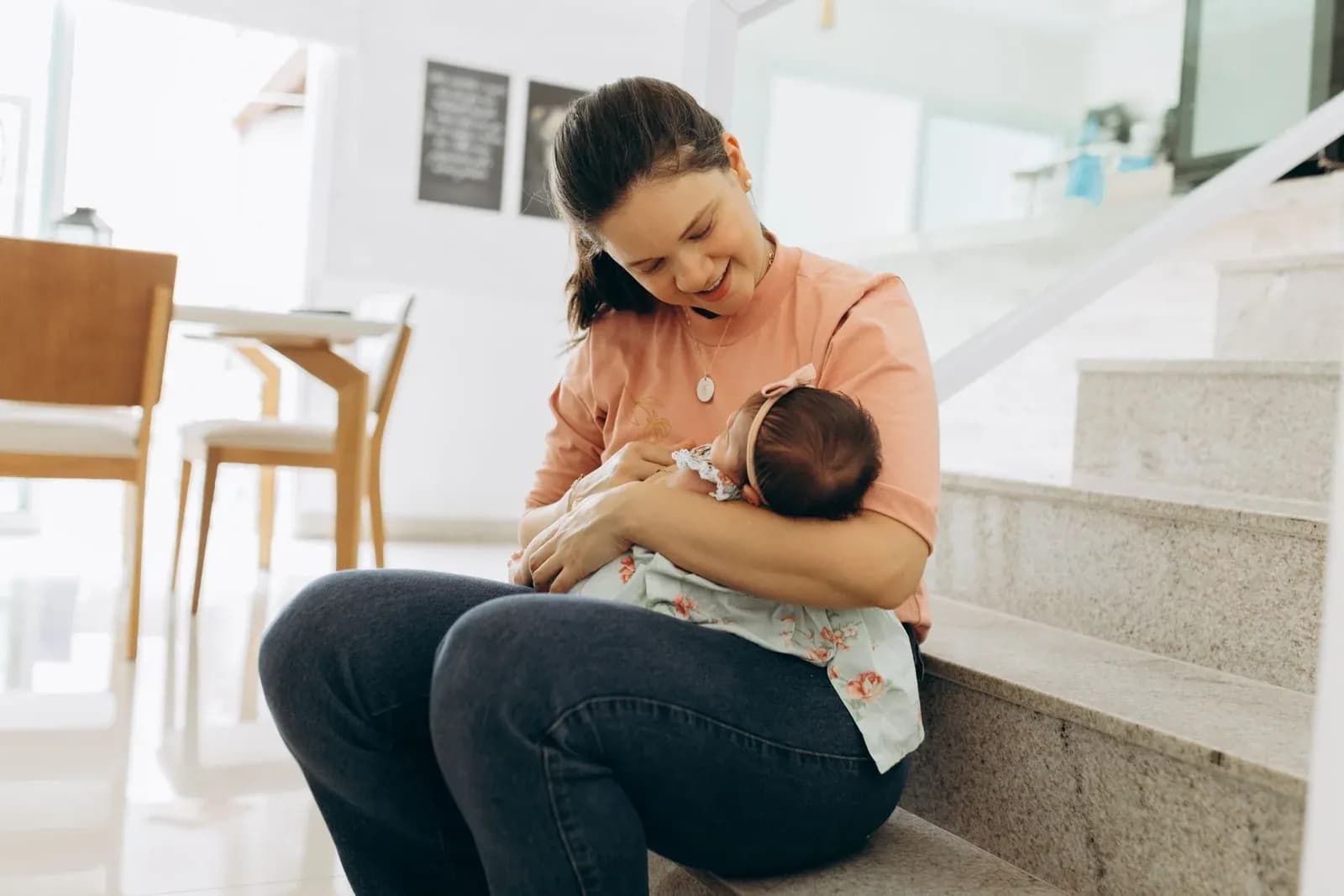
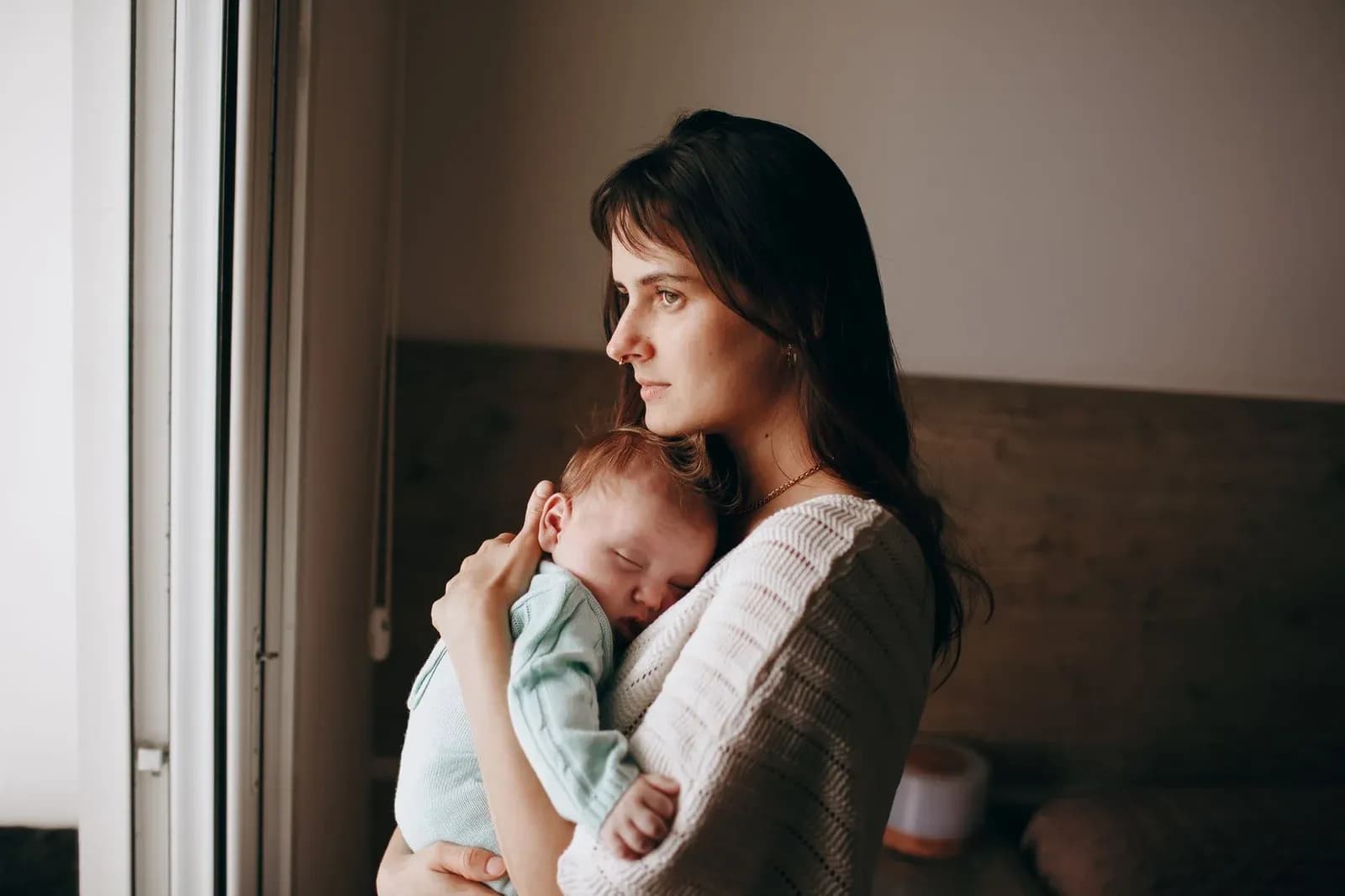
Photo: Jonathan Borba / Pexels
If you had a baby this year, a letter from Generation New Era could land on your doormat in the coming months. Interviews with mothers and fathers began this week for the first UK-wide study of its kind in 25 years, and the largest ever, following 30,000 babies born between 1st January and 31st December 2026.
The study will follow these children through their lives. Researchers will record how they grow, learn and feel, and how the world around them shapes all of it, from the cost of living and childcare to screen time and the AI tools so many parents now turn to for advice.
Generation New Era Birth Cohort Study
The study is run by the Centre for Longitudinal Studies at University College London, with study directors at the Universities of Edinburgh, Swansea and Ulster. It is funded by the Economic and Social Research Council, part of UK Research and Innovation, which committed £42.8 million when it announced the study in September 2025.
Britain has followed whole generations like this before, with national studies of children born in 1946, 1958, 1970 and 2000. Findings from those earlier studies helped shape support many parents rely on today, including the extension of maternity leave to one year, a higher weekly rate of statutory maternity pay and two weeks of paid paternity leave.
Who Is Invited to Take Part
Families are chosen at random from birth records, so you cannot volunteer. The selection is designed to reflect every region and every kind of family. Scotland, Wales and Northern Ireland have larger shares: about a quarter of babies born in Scotland this year, a third in Wales and around half in Northern Ireland will be invited, so the findings hold for each nation on its own. Families in lower-income areas, ethnic minority families and young parents are also invited in greater numbers.
Fathers are a central part of the design. Both parents are invited, including a parent who does not live with the baby, whatever contact they have. Adoptive and foster parents with parental responsibility can take part, as can step-parents who live with the child, and families of any nationality.
What the Interview Involves
Your letter arrives when your baby is around nine months old. A trained interviewer from Ipsos, NatCen or Verian then calls at your home, always carrying photo ID, and arranges a time that suits you, including evenings and weekends. If you would rather not be interviewed at home, the interview can take place by phone or video call.
The parent who spends most time with the baby completes the longer interview, usually in person. The other parent does a shorter one online, by phone or face to face. You will be asked about your baby's health, growth, sleep, diet and development, the activities you do together and your own experience of becoming a mother or father. You can skip any question, and some answers are entered privately on the interviewer's computer.
Each parent who takes part receives a voucher to spend in high street shops. The parent doing the longer interview is also offered BabySteps, a free app for tracking milestones and saving memories, which earns points towards e-vouchers through short monthly activities.
Your Data and Health Records
The interviewer will ask for permission to add information from health, education and social care records to your answers. You can say no and still take part. Researchers work with data that carries no names or addresses, and UCL is responsible for keeping it secure under data protection law. You can stop the interview or leave the study at any time without giving a reason.
The next interview is planned for when your child turns three. Once your child is old enough, they will make their own choice about staying in.
Why Your Answers Matter
Nobody can replace a family that declines, so every invited mother has a real share in what policymakers learn about raising children in the 2020s. Many mothers already feel buried under conflicting advice, as we reported in our look at the parenting trends overwhelming millennial mothers. Generation New Era puts your own experience on the record, in your own words.
If you are unsure whether a letter is genuine, you can check with the study team on Freephone 0808 175 6330 or at [email protected], or call Ipsos on Freephone 0800 151 0610. The study website is gnestudy.info.
Generation New Era Questions
What is Generation New Era?
What are birth cohort studies?
Can families volunteer for the study?
What will I get for taking part?
Enjoying this article?
Subscribe to our newsletter and never miss a story. No spam, ever.

Editor-in-Chief
Editor-in-Chief of Rich Woman Magazine, founder of Sovereign Magazine, author of many books, Dr Marina Nani is a social edification scientist coining a new industry, Social Edification. Passionately advocating to celebrate your human potential, she is well known for her trademark "Be Seen- Be Heard- Be You" running red carpet events and advanced courses like Blog Genius®, Book Genius®, Podcast Genius®, the cornerstones of her teaching. The constant practitioner of good news, she founded MAKE THE NEWS ( MTN) with the aim to diagnose and close the achievement gap globally. Founder of many publications, British Brands with global reach Marina believes that there is a genius ( Stardust) in each individual, regardless of past and present circumstances. "Not recognising your talent leaves society at loss. Sharing the good news makes a significant difference in your perception about yourself, your industry and your community."
Related Articles
Editor's Letter: Always Loving You, the Love a Mother Gives Without Limits or Conditions
How to Stop Helicopter Parenting Without Losing Sight of Your Child
UK Parents of Babies Feel Lonelier and Less Confident at Play Than Their European Neighbours