UK Parents of Babies Feel Lonelier and Less Confident at Play Than Their European Neighbours
Most new parents in Britain say they have a village of support, yet more than half still feel lonely.

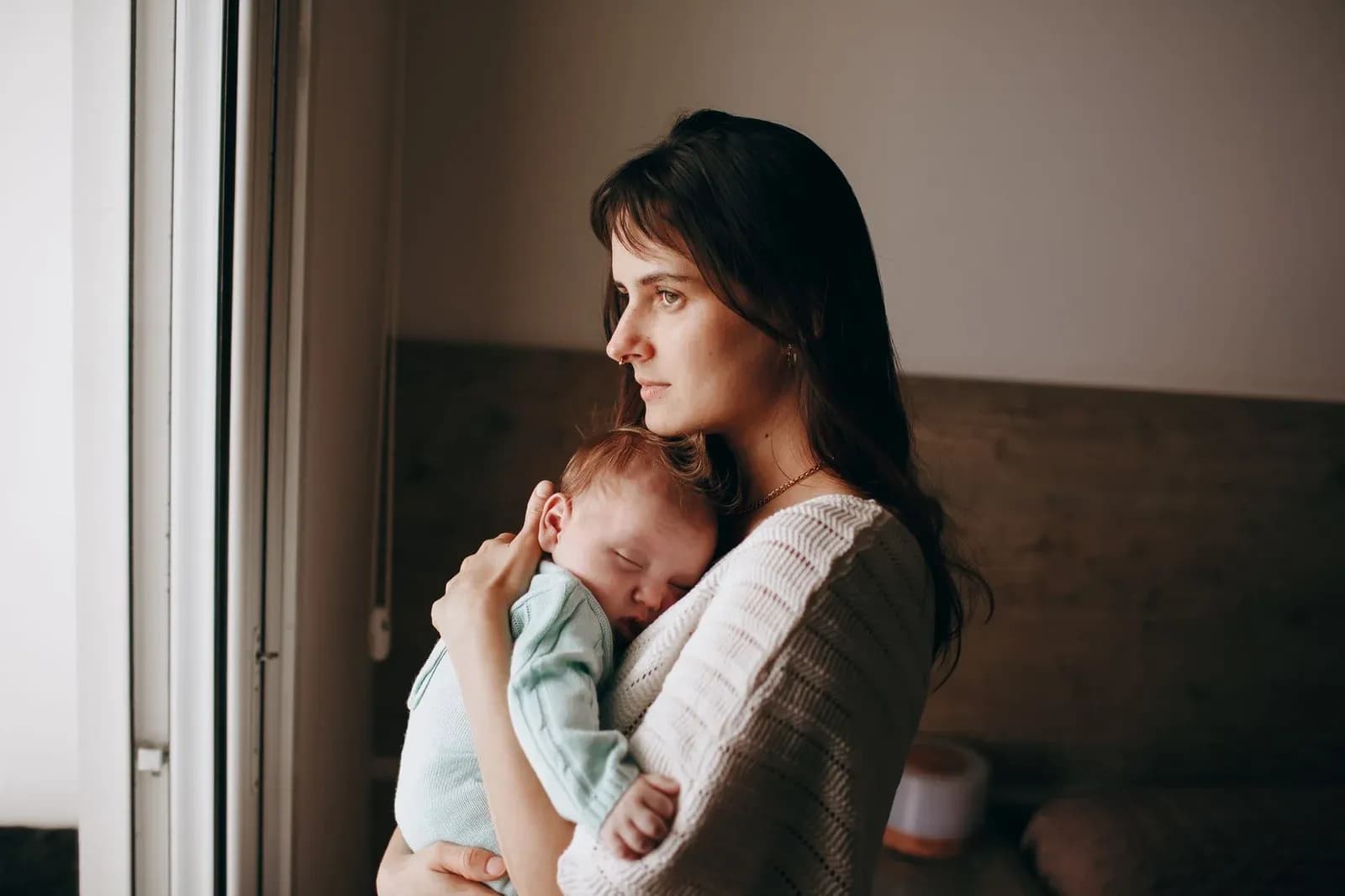
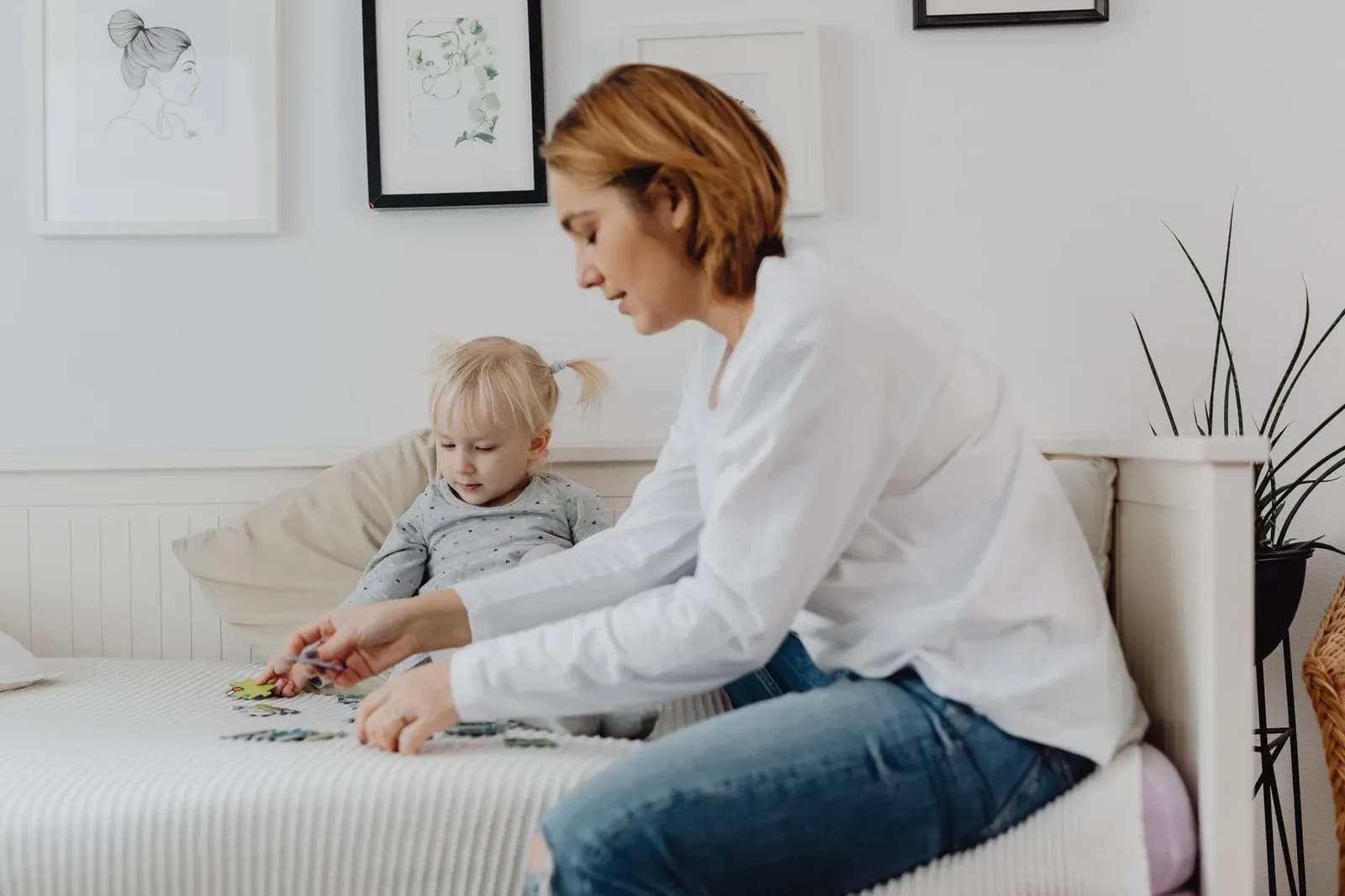
Photo: Helena Lopes / Pexels
Almost two in three UK parents of babies say they have a village of people around them, yet more than half still feel lonely at least some of the time. A survey of parents of children under three across nine European countries, released on 4th November, found that 53% of UK parents feel lonely at least some of the time, against a European average of 44%.
The figures come from the Pampers Baby Report: The Village Barometer, carried out by Ipsos between 23rd March and 20th April 2026. It surveyed 4,339 parents and 425 paediatricians, including 500 parents in the UK.
Loneliness After Having a Baby
Company and support are different things. UK parents named their partner (72%), their immediate or extended family (70%) and friends (51%) as the people around them. Yet 66% said their village is somewhat or much weaker than it was 20 years ago.
A relative who drops in to hold the baby is company. Someone who notices you have not slept and takes the early feed is support. If your village feels thin, ask for one specific job rather than general help: a meal on Thursday, a school run, an hour so you can sleep. People who care about you usually say yes to a clear request.
Too Much Parenting Advice
Advice is not in short supply. Almost half (47%) of UK parents feel overwhelmed by the amount of parenting information available, compared with 42% across Europe, and 42% say they face more contradictory sources than their parents' generation did. Paediatricians agree: 95% of those surveyed said too many sources of advice can overwhelm parents.
The clash between gentle parenting, tough love and every trend in between is one we explored in the parenting trends overwhelming millennial mothers. Choosing two or three trusted sources, such as your health visitor, your GP and one parent whose judgement you respect, and muting the rest, cuts the noise without cutting you off.
Playtime Guilt
UK parents know play matters: 90% say early play is very or extremely important for their child's development. Only 47% feel confident supporting their baby's development through play, however, against 64% across Europe, and 55% have felt guilty about not playing enough or not playing in the right way. Lack of time is the main barrier for 47%.
The guilt is out of proportion to the reality. More than half (56%) of UK parents spend over an hour playing with their baby on a typical weekday. For a baby, play is not a structured session. Talking through a nappy change, copying the sounds your baby makes, peekaboo and naming things on a walk all build language and attention. Professor Natasha Kirkham, a developmental psychologist at Birkbeck, University of London, put it plainly: 'Babies do not need perfect conditions; they need a healthy, nurturing and responsive environment around them.'
Broken Sleep in the First Years
More than half (54%) of UK parents say their sleep is interrupted often or every night, and 59% often or always feel tired or sleep deprived. Across Europe, parents report losing an average of 5.5 hours of sleep a week since having a child, and 40% of UK parents say disrupted sleep affects their mood and energy a lot or extremely.
Fragmented sleep in babies is normal, so the useful question is how you recover rather than how you fix the baby. Taking turns with a partner on alternate nights, napping when someone else can take the baby and going to bed early whenever the evening allows all add up. Where a friend or relative offers help, sleep is the most valuable thing to ask for.
Building a Village for New Parents
The report sets out three priorities: public spaces and services that welcome babies, everyday care that is easier to manage, and responsibility for a baby's early development shared across families, communities, employers and services. Employers who allow flexible hours, councils that keep baby groups and children's centres open, and cafés with space for a pram all play a part.
There is optimism too. 83% of UK parents feel confident about their baby's future, the highest proportion of the nine countries surveyed. Britain's parents believe in their children. What many lack is the company and practical help that make the first years lighter.
Loneliness and New Parents
Why do mums feel lonely?
What to do when you feel sad and lonely?
Enjoying this article?
Subscribe to our newsletter and never miss a story. No spam, ever.

Editor-in-Chief
Editor-in-Chief of Rich Woman Magazine, founder of Sovereign Magazine, author of many books, Dr Marina Nani is a social edification scientist coining a new industry, Social Edification. Passionately advocating to celebrate your human potential, she is well known for her trademark "Be Seen- Be Heard- Be You" running red carpet events and advanced courses like Blog Genius®, Book Genius®, Podcast Genius®, the cornerstones of her teaching. The constant practitioner of good news, she founded MAKE THE NEWS ( MTN) with the aim to diagnose and close the achievement gap globally. Founder of many publications, British Brands with global reach Marina believes that there is a genius ( Stardust) in each individual, regardless of past and present circumstances. "Not recognising your talent leaves society at loss. Sharing the good news makes a significant difference in your perception about yourself, your industry and your community."
Related Articles
Editor's Letter: Always Loving You, the Love a Mother Gives Without Limits or Conditions
UK's Largest Ever Baby Study Begins Interviewing Parents of 30,000 Babies Born in 2026
How to Stop Helicopter Parenting Without Losing Sight of Your Child