Many Children and Pets Dread Bonfire Night: 9 Ways to Make Thursday Easier for the Whole Family
Fireworks light up the sky on Thursday 5th November. Here is how to protect small ears, calm anxious children and keep dogs and cats safe, with advice from the RSPCA, the National Autistic Society and burns specialists.

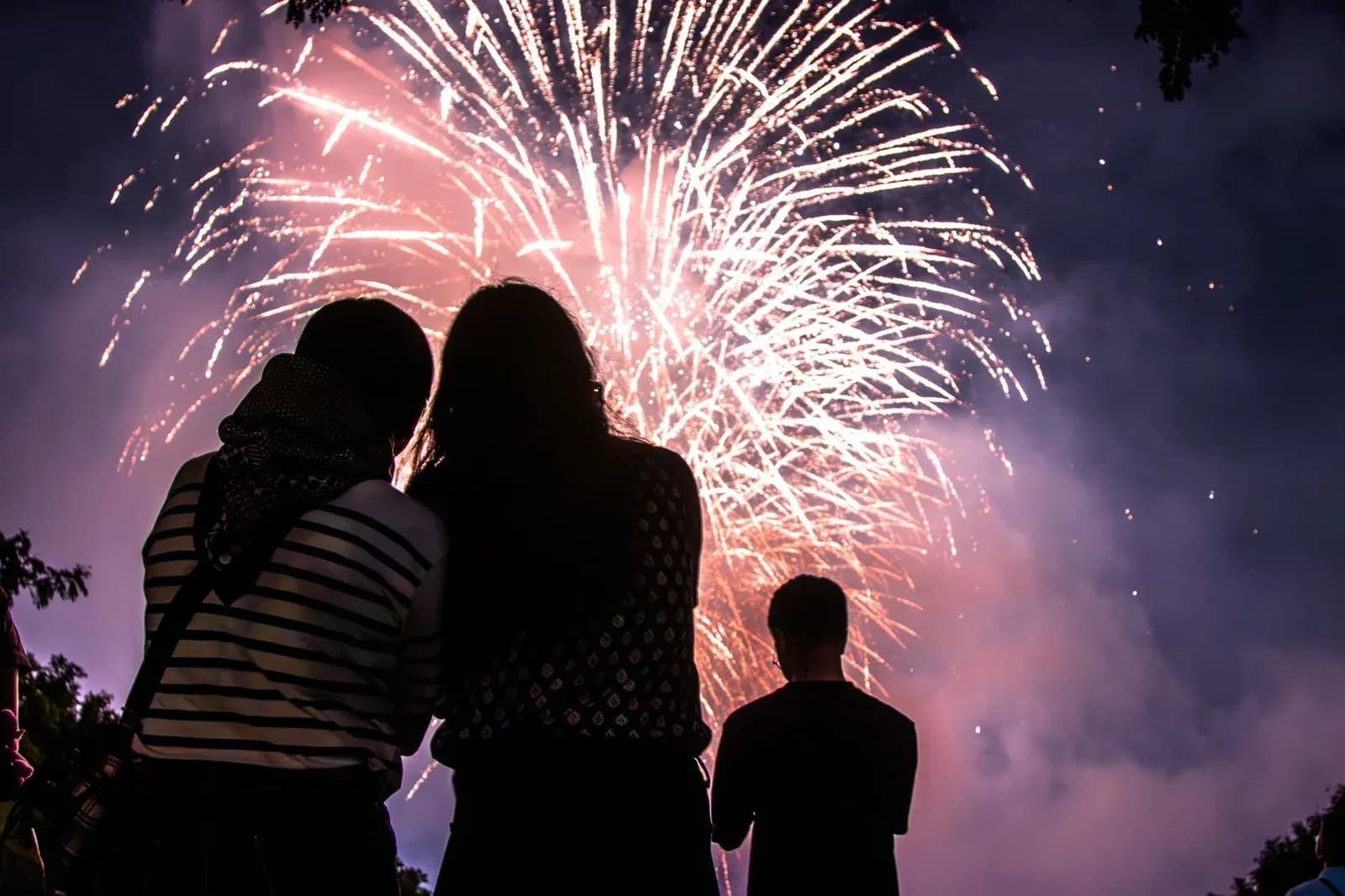
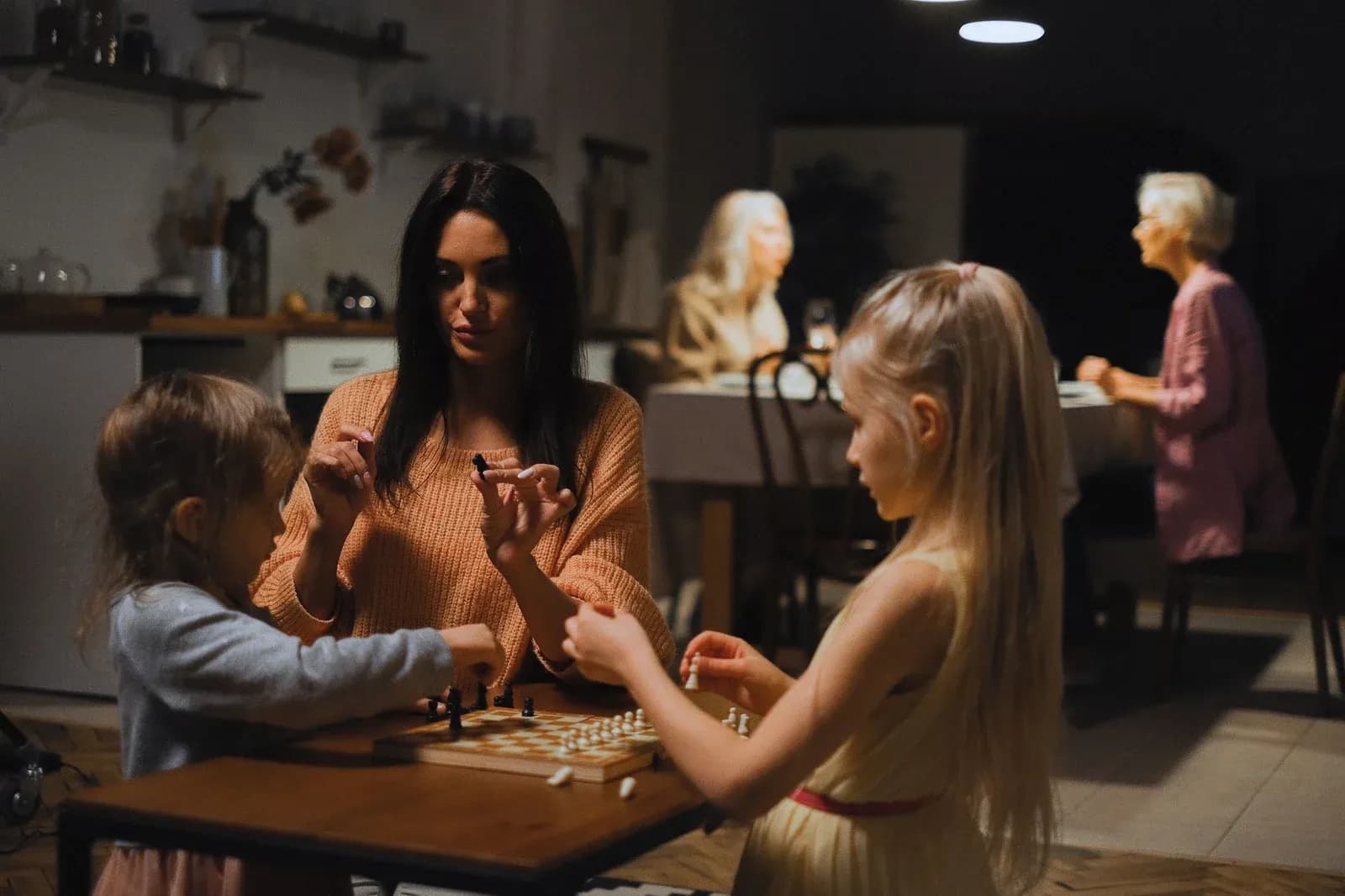
Photo: Chia Rong En / Pexels
For every child who presses a nose to the window on Bonfire Night, there is another who covers their ears and asks to go home. Families with a dog or a cat have a second worry on top. Bonfire Night falls on Thursday 5th November this year, displays run through the weekend, and Diwali follows on Sunday 8th November, so most of the week will be punctuated by bangs. A little planning can turn the evening from something to endure into something children remember for the right reasons.
Talk it through before the first bang
Much of the fear comes from surprise. Tell your child what will happen, how loud it will be and that the bangs arrive at random, with no warning. Watching a display together on a screen beforehand, with the volume low, lets a young child see the colours before meeting the noise. The National Autistic Society advises parents of autistic children to involve them in planning the evening so that it feels less unpredictable, and the same approach helps any anxious child.
Protect small ears with proper ear defenders
The hearing charity Hearing Link points out that sounds above 85 decibels count as loud, and that although the UK noise limit for consumer fireworks is 120 decibels, some reach 140. Children are more exposed than adults because their ear canals are narrower, which concentrates the sound pressure. Over-ear defenders sized for children are the simplest answer, and paediatric specialists recommend earmuff styles for babies rather than plugs. Distance matters too: every step back from the launch site lowers the noise reaching your child.
Choose your viewing spot and agree an escape plan
Stand towards the back of a public display, near an exit, so you can leave without pushing through a crowd. Agree a signal your child can give when they have had enough, and keep your promise when they use it. Some families watch from a bedroom window or a parked car, where the noise is softer and home feels close. The National Autistic Society also suggests that a favourite television programme, film or music can drown out the bangs for children who find the evening distressing, and watching the London fireworks on television counts as a celebration too.
Keep sparklers away from children under five
Every fire service in the country gives the same rule: sparklers are not suitable for children under five. They burn at temperatures police and fire safety guides compare to a welding torch, and the wire stays hot long after the sparks stop. Older children should wear gloves, hold one sparkler at a time at arm's length and drop it straight into a bucket of water when it goes out. London Fire Brigade adds one rule many adults forget: never hold a baby or small child while you are holding a lit sparkler.
Leave fireworks to adults and know the law
Nobody under 18 can buy adult fireworks or carry them in a public place. Fireworks must not be set off between 11pm and 7am, with the cut-off extended to midnight on 5th November and to 1am on Diwali, New Year's Eve and Chinese New Year. Breaking these rules can bring a fine or up to six months in prison. At home, only one adult should light fireworks, and nobody should ever go back to a firework that has been lit and failed to go off.
Know burns first aid before you need it
The British Red Cross and the British Society for Surgery of the Hand both give the same first step: cool the burn under cold running water for at least 20 minutes. Do not use ice, iced water, creams or butter. Remove clothing and jewellery near the burn unless it is stuck to the skin, then cover the area loosely with cling film. Keep the rest of the child warm while you cool the burn, because small children lose heat quickly. A burn on a baby or young child should always be checked by a doctor; call 111 for advice or 999 if the burn is large, deep or on the face, hands or genitals.
Settle dogs before darkness falls
An RSPCA survey found that 62% of dogs and 54% of cats show signs of distress linked to fireworks. Dogs Trust explains that dogs hear around four times more sharply than people, so a bang that startles a child can terrify a dog. Walk your dog before dark, close the windows and curtains and set up a den with familiar bedding where it can hide. Background music or the television helps mask the noise. The RSPCA is clear that a dog should never be taken to a firework display. If your dog panics every year, ask your vet about pheromone diffusers or, in some cases, medication.
Keep cats and small pets safely indoors
Keep cats inside from early evening, lock the cat flap and put out a litter tray. Let them choose their own hiding place and do not pull them out of it. The RSPCA also urges owners to make sure cats are microchipped, in case a frightened cat slips outside. Rabbits and guinea pigs in outdoor hutches need cover too: drape blankets over part of the hutch to muffle the sound, leaving an area where they can still see out, or bring the hutch into a shed or garage for the night.
If you host your own display, think of the street
Dogs Trust asks families planning a garden display to tell neighbours well in advance, so they can prepare their children and animals, to keep the display to 30 minutes or less and to choose lower-decibel fireworks. Before lighting a bonfire, check the base for hedgehogs, which crawl into piles of leaves and wood to hibernate. Keep a bucket of water and a first aid kit within reach from the moment the first match is struck.
For families who would rather leave the organising to others, London's biggest public displays run through the weekend.
Enjoying this article?
Subscribe to our newsletter and never miss a story. No spam, ever.

Editor-in-Chief
Editor-in-Chief of Rich Woman Magazine, founder of Sovereign Magazine, author of many books, Dr Marina Nani is a social edification scientist coining a new industry, Social Edification. Passionately advocating to celebrate your human potential, she is well known for her trademark "Be Seen- Be Heard- Be You" running red carpet events and advanced courses like Blog Genius®, Book Genius®, Podcast Genius®, the cornerstones of her teaching. The constant practitioner of good news, she founded MAKE THE NEWS ( MTN) with the aim to diagnose and close the achievement gap globally. Founder of many publications, British Brands with global reach Marina believes that there is a genius ( Stardust) in each individual, regardless of past and present circumstances. "Not recognising your talent leaves society at loss. Sharing the good news makes a significant difference in your perception about yourself, your industry and your community."
Related Articles
Diwali Falls on Sunday 8th November: 8 Ways to Celebrate at Home With Your Children
Remembrance Sunday Falls on 8th November: How to Explain the Poppy and the Two-Minute Silence to Your Child
Phones in the Bedroom Cost Your Children Sleep: 8 Rules for Screen-Free Family Evenings