
Remembrance Sunday Falls on 8th November: How to Explain the Poppy and the Two-Minute Silence to Your Child
Children notice the poppies long before they ask what they mean. Here is how to talk about Remembrance at every age, from a toddler's first poppy to a teenager's family research.

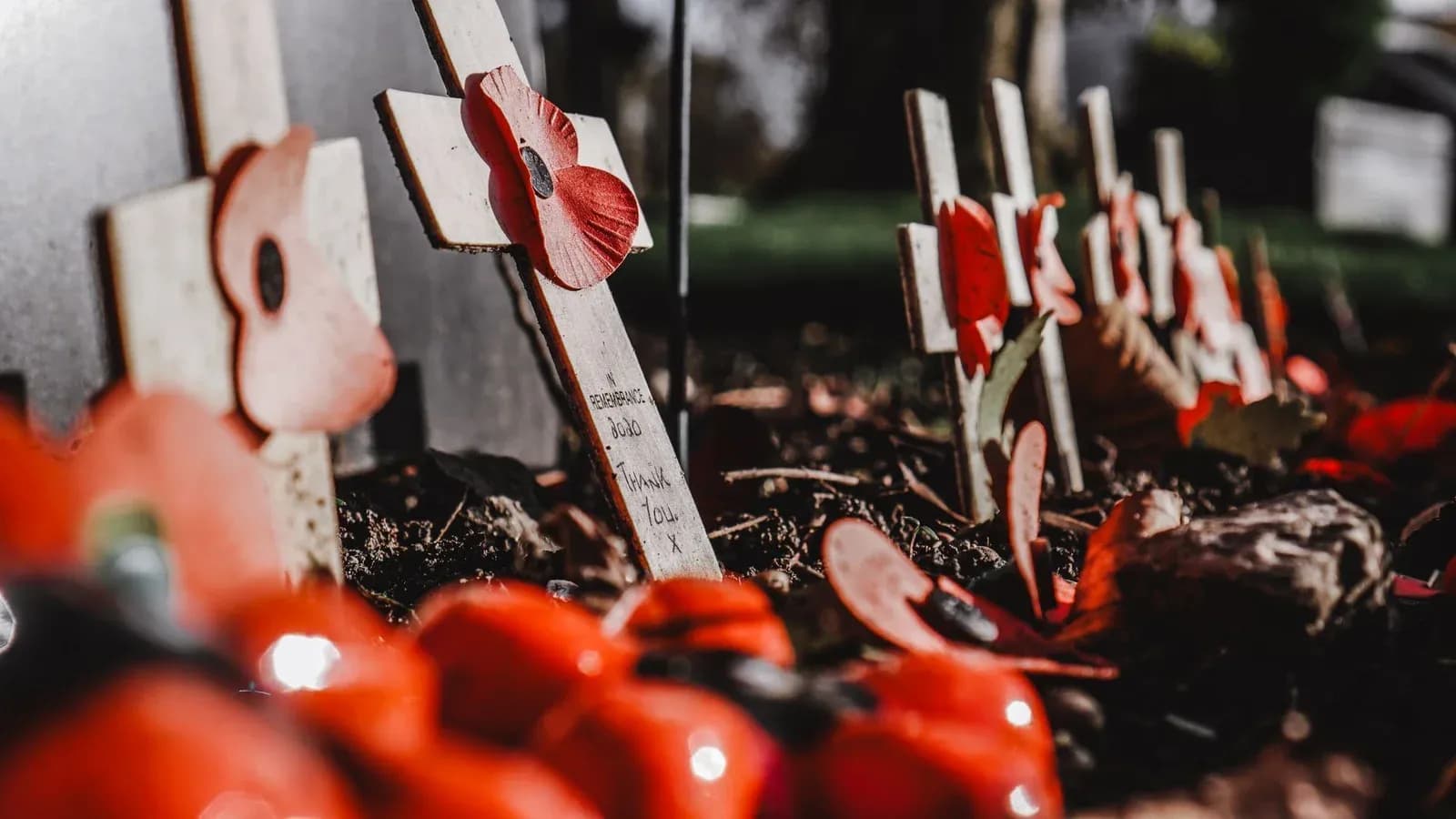
Photo: Nathan J Hilton / Pexels
By the first week of November, poppies are everywhere: on coats, on lamp posts and on every presenter on television. Children notice them long before they ask what they are for. Remembrance Sunday falls on 8th November this year, with the national service at the Cenotaph in London beginning at 11am, and Armistice Day follows on Wednesday 11th November, when most schools stop for two minutes at 11am. Both days give parents a natural moment to explain something children will meet every year of their lives.
Start with what happened on 11th November 1918
The First World War ended at 11am on 11th November 1918, when the Armistice signed that morning in a railway carriage in the forest near Compiègne, in France, came into force. That is why the silence falls at the eleventh hour of the eleventh day of the eleventh month. Across the Channel, 11th November is a public holiday in France and Belgium, where much of the fighting took place, so families in many European countries pause on the same day for the same reason. Today Remembrance honours the men and women who have served and died in the conflicts since, not only in the First World War.
Tell the story of the poppy
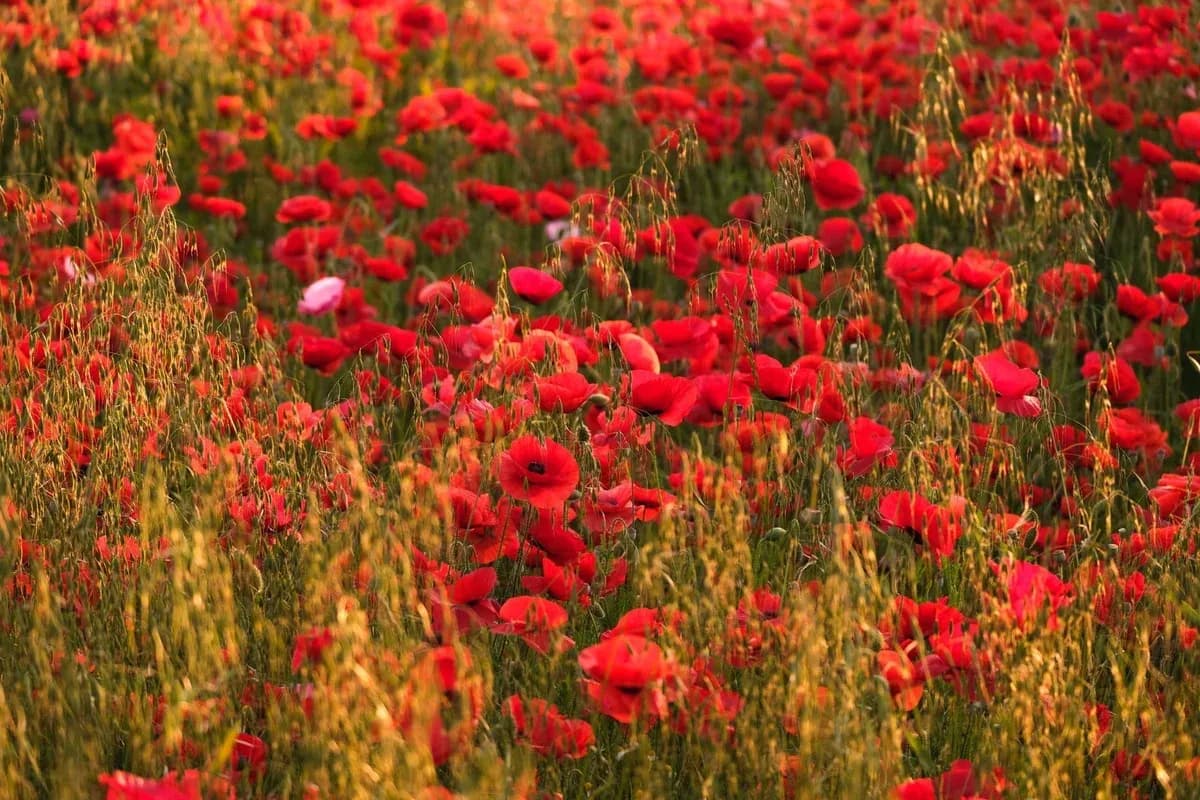
Poppies grew across the churned-up fields of Flanders and northern France after the fighting, and a Canadian army doctor, John McCrae, wrote about them in his poem In Flanders Fields in May 1915. An American teacher, Moina Michael, took up the poppy as a symbol, and a Frenchwoman, Anna Guérin, persuaded the British Legion to adopt it. The first Poppy Day in Britain, on 11th November 1921, raised £106,000, and the poppies sold out. Children often like knowing that the paper flower on their coat carries a story that crosses several countries.
Under fives: keep it short and gentle
A toddler does not need to hear about war to take part. You might say that a long time ago there was a terrible fight between countries, many people were hurt, and now everyone stops for two minutes to remember them and to wish for peace. Let your child choose and pin on a poppy, or make one together from red paper and a black button. The BBC's two-minute animation Poppies, which follows a rabbit in a meadow, conveys the feeling of war without showing the fighting.
Ages five to seven: practise the two minutes
Children this age can manage the silence if they know what to expect. Practise at home first: set a timer, sit still together and think of one person or thing you are thankful for. Explain that the silence is a way of saying thank you without words. Children at this age also respond to stories about animals, such as the horses, dogs and pigeons that served in the war, and they may spot purple poppies, which some people wear to remember them.
Ages eight to eleven: visit your local war memorial
Almost every town and village in Britain has a memorial with names carved into it. Visit together, read some of the names aloud and look for a surname that matches a street near your home. The Commonwealth War Graves Commission website lets you search for a name and see where that person is buried or commemorated, often with their age. Many were only a few years older than an older brother or sister, which brings the history close.
Teenagers: connect the past to the news
Teenagers already see wars in the news, and they may ask why we remember some conflicts so publicly. Listen before you explain. Ask what they have learned at school and what they think the poppy means. Some teenagers want to research a great-grandparent's service through family papers and records; others prefer poetry, from McCrae to Wilfred Owen. They may also notice that some people wear a white poppy for peace. Explain the different choices and let them decide for themselves.
Watch or join a service together
The National Service of Remembrance at the Cenotaph is broadcast on the BBC, ITV and Sky, and the two-minute silence begins at 11am, marked by guns fired by the King's Troop on Horse Guards Parade. Many towns hold their own parade to the war memorial at the same time. Taking your child to a local service, even for the silence alone, shows them that remembering is something a whole community does together.
Answer hard questions simply and truthfully
Children may ask whether people died, whether war could happen here, or whether they will have to fight one day. Answer in plain words, and give no more detail than the question asks for. Reassure them that they are safe and that the point of Remembrance is to make peace more likely. If your child seems worried for days afterwards, keep the conversation open and let their teacher know.
Buy a poppy and explain where the money goes
The Royal British Legion's Poppy Appeal funds support for serving members of the armed forces, veterans and their families. Letting your child drop the coins into the tin, and explaining who they help, turns a symbol into something your child can do.
Enjoying this article?
Subscribe to our newsletter and never miss a story. No spam, ever.

Editor-in-Chief
Editor-in-Chief of Rich Woman Magazine, founder of Sovereign Magazine, author of many books, Dr Marina Nani is a social edification scientist coining a new industry, Social Edification. Passionately advocating to celebrate your human potential, she is well known for her trademark "Be Seen- Be Heard- Be You" running red carpet events and advanced courses like Blog Genius®, Book Genius®, Podcast Genius®, the cornerstones of her teaching. The constant practitioner of good news, she founded MAKE THE NEWS ( MTN) with the aim to diagnose and close the achievement gap globally. Founder of many publications, British Brands with global reach Marina believes that there is a genius ( Stardust) in each individual, regardless of past and present circumstances. "Not recognising your talent leaves society at loss. Sharing the good news makes a significant difference in your perception about yourself, your industry and your community."
Related Articles
Diwali Falls on Sunday 8th November: 8 Ways to Celebrate at Home With Your Children

Many Children and Pets Dread Bonfire Night: 9 Ways to Make Thursday Easier for the Whole Family
Phones in the Bedroom Cost Your Children Sleep: 8 Rules for Screen-Free Family Evenings