
Phones in the Bedroom Cost Your Children Sleep: 8 Rules for Screen-Free Family Evenings
Screens late in the evening delay sleep and fill bedrooms with notifications. A few family rules, set together and kept by the adults too, win back the evening.

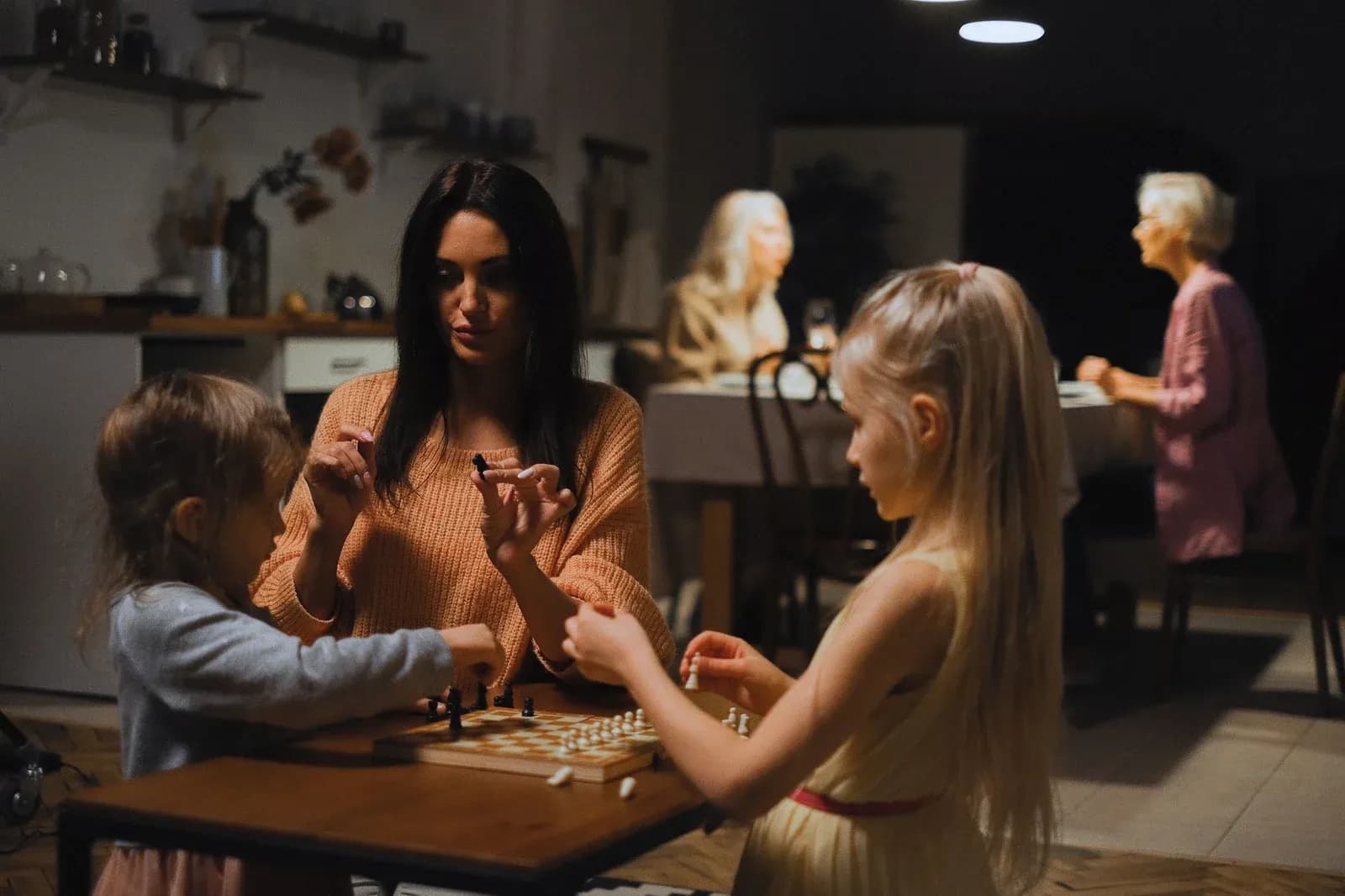
Photo: Anna Shvets / Pexels
Children need far more sleep than most of them get. Children aged six to twelve need nine to twelve hours a night, and teenagers need eight to ten. During those hours their bodies grow, their brains store what they learned that day and their emotions reset. A child who sleeps too little struggles to concentrate, loses their temper more easily and catches more colds.
Screens in the evening work against sleep in three ways. Bright light from a phone or tablet delays the release of melatonin, the hormone that makes you sleepy. Games, videos and social media keep the mind alert and excited when it should be winding down. Notifications through the night wake children from light sleep, often without them remembering it. Teenagers are hit hardest, as their body clocks already shift later during adolescence, and a phone under the pillow pushes sleep later still.
You will not win by banning screens outright. You will win by building evenings that are better without them, and by following the rules yourself.
1. Create one charging station outside the bedrooms
Choose a spot in the kitchen or hallway where every phone, tablet and laptop in the house charges overnight, including yours. If phones stay out of bedrooms, the late-night scrolling and the 2am notifications disappear. Buy a simple alarm clock for anyone who uses their phone to wake up.
2. Switch screens off an hour before bed
Agree a time each evening when screens go on charge, about an hour before the youngest child's bedtime. That hour gives the mind time to slow down and lets melatonin rise naturally. Use it for a bath, reading, talking or a board game.
3. Go first
Children copy what you do far more than what you say. If you check emails at the dinner table or scroll in bed, your rules will not last. Put your own phone on the charging station at the agreed time, and let your children see you do it.
4. Replace screens with something better
An empty evening invites a return to the phone. Fill the hour with things your family enjoys: cards, board games, jigsaws, baking, music, reading aloud or simply talking about the day. Keep games and books where children can reach them, and the screen becomes less tempting.
5. Set the rules together and write them down
Sit down as a family and agree the rules, including when screens go off, where they charge and what happens at weekends. Children who help make rules are far more likely to keep them. Write the agreement on a sheet of paper and pin it to the fridge.
6. Use the settings on your devices
Most phones and tablets let you schedule downtime, block apps after a certain hour and silence notifications overnight. Set these up on your children's devices and on your own. They end the nightly negotiation, as the device enforces the rule for you.
7. Keep weekends flexible but wake times steady
A later bedtime on Friday or Saturday does little harm, but long lie-ins confuse the body clock and make Monday mornings miserable. Keep wake times within an hour of the school-day routine, even at weekends.
8. Watch together rather than apart
Screens are not the enemy when you share them. A film night on the sofa with the whole family, finished well before bed, gives you something to talk about and enjoy together. The problem is the solitary screen in a dark bedroom, not the shared one in the living room.
Within two or three weeks of screen-free evenings, most families notice calmer bedtimes, easier mornings and more conversation. Start tonight by choosing where the charging station will go.
Enjoying this article?
Subscribe to our newsletter and never miss a story. No spam, ever.

Editor-in-Chief
Editor-in-Chief of Rich Woman Magazine, founder of Sovereign Magazine, author of many books, Dr Marina Nani is a social edification scientist coining a new industry, Social Edification. Passionately advocating to celebrate your human potential, she is well known for her trademark "Be Seen- Be Heard- Be You" running red carpet events and advanced courses like Blog Genius®, Book Genius®, Podcast Genius®, the cornerstones of her teaching. The constant practitioner of good news, she founded MAKE THE NEWS ( MTN) with the aim to diagnose and close the achievement gap globally. Founder of many publications, British Brands with global reach Marina believes that there is a genius ( Stardust) in each individual, regardless of past and present circumstances. "Not recognising your talent leaves society at loss. Sharing the good news makes a significant difference in your perception about yourself, your industry and your community."
Related Articles
After Adolescence, Courts and Governments Are Making Social Media Pay for What Parents Cannot See

Birdwatching Sharpens Attention and Mood at Any Age, So Start Your Children Before They Turn 11

Halloween Falls on a Saturday This Year for the Last Time Until 2037