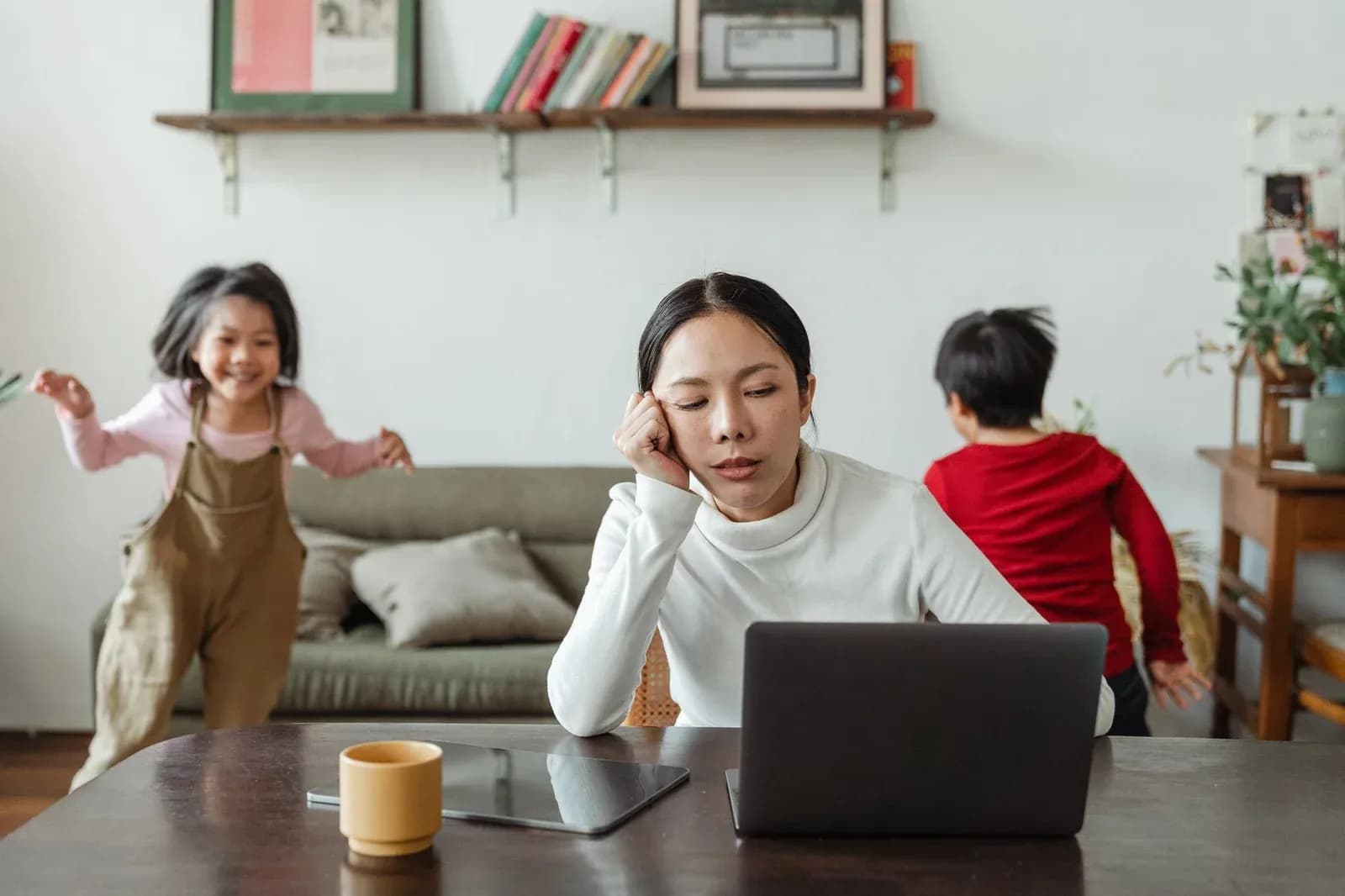
Children Do Not Laugh 300 Times a Day, but Mothers Laugh Almost Twice as Often as Their Toddlers During Play
The famous claim that children laugh hundreds of times a day has no study behind it. The real numbers put you at the centre of the laughter in your home, and show why it matters.

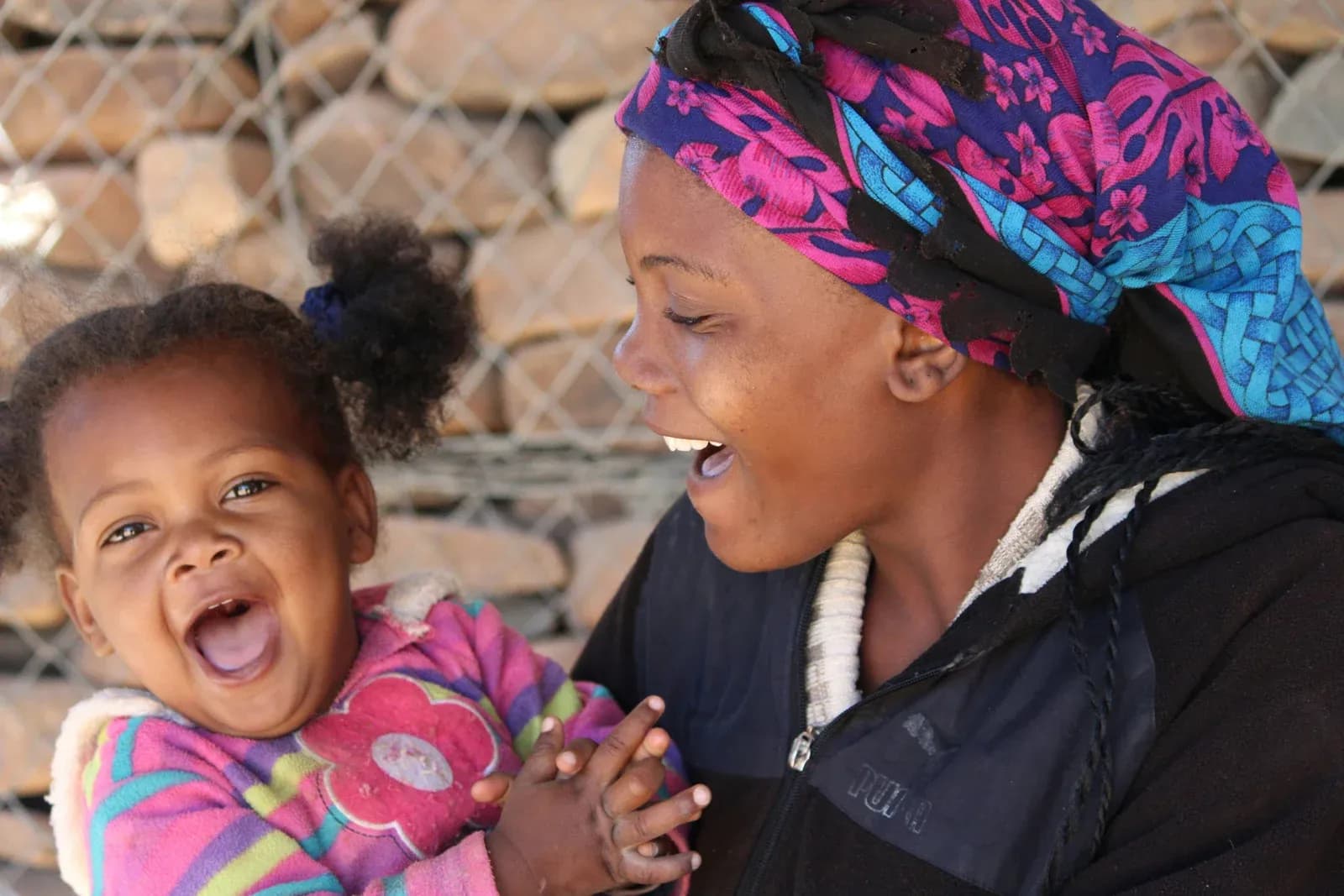
Photo: Lena Bauermeister / Unsplash
You have probably seen the line on a poster, a mug or a social media post: children laugh 300 times a day, and adults laugh 15. It is one of the most shared facts about childhood, and it makes every parent feel a little guilty. Nobody has ever found the study it came from.
The real research gives a better picture. When two-year-olds play with their mothers, the toddlers laugh about 18 times an hour. The mothers laugh about 33 times an hour, almost twice as often. The laughter in your home starts with you far more than the posters suggest.
The Myth That Children Laugh Hundreds of Times a Day
The 300 figure, sometimes 400, has circulated for decades with no source attached. Researchers who have searched for the original study have come up empty. The few studies that have counted laughter in real life point in a different direction:
- Adults report laughing around 17 times a day, and that is likely an undercount, as most people do not notice their own laughter.
- In conversation, adults laugh around 35 times an hour, with friends and with strangers.
- Five-year-olds playing together laugh around 8 times an hour.
- Two-year-olds playing with their mothers laugh around 18 times an hour, while the mothers laugh around 33 times.
The studies measured laughter in different ways, so the numbers do not add up to a neat daily total. None of them comes close to a child laughing 300 times a day, and none suggests that grown-ups have forgotten how to laugh.
Why You Laugh More With Your Children Than Alone
You are about 30 times more likely to laugh when someone is with you than when you are on your own. Most laughter has nothing to do with jokes. People laugh at ordinary remarks, at a shared look or at a word that comes out wrong, which makes laughter a signal between people more than a reaction to comedy.
That signal has a chemistry. Brain scans of people laughing with close friends show the release of endorphins, the body's own feel-good chemicals, in the areas that control emotion. The calming effect signals to the brain that you are safe and among your own people. Laughter also spreads from one person to the next, so one giggle at the dinner table can lift everyone around it.
Your body feels the difference too. A good laugh raises your heart rate and blood pressure for a moment and then lets them fall, which leaves your muscles more relaxed than before. Over time, regular laughter may lower stress hormones and ease low mood.
Your Child Has Been Trying to Make You Laugh Since Babyhood
Babies usually laugh for the first time at around four months. By five or six months, they laugh at something absurd, such as a grown-up wearing a cup as a hat, even when nobody else in the room is laughing. By around eight months, they start clowning on purpose: pulling faces, waving their feet, handing you an object and snatching it back with a grin, all to get a laugh out of you.
Your child is practising something serious. To tease you or make you laugh, a baby has to understand that your mind is separate from theirs and can be surprised. Every silly face is an early lesson in reading other people, and your laughter is the reward that keeps them practising.
Families That Laugh Together Get Along Better
Adults who grew up with parents who used humour describe very different childhoods from those who did not. In one survey of adults aged 18 to 45, half of those raised with humour said they had a good relationship with their parents, compared with fewer than 3 in 100 of those raised without it. Nearly three in four said humour can be an effective parenting tool.
The survey shows a link, not proof that humour caused the good relationships. Warm, relaxed parents may simply laugh more. The pattern still points one way: the homes people remember fondly were homes with laughter in them.
Ways to Laugh More With Your Children This Week
- Count your laughs for one day. Keep a tally in your phone's notes from breakfast to bedtime. Most parents are surprised by the number, in one direction or the other, and noticing is the first step to changing it.
- Laugh at your child's jokes, even the fiftieth knock-knock joke. Young children are practising timing and surprise. Your laugh shows them the experiment worked.
- Do something absurd. Wear a colander as a hat, read a bedtime story in a pirate voice or put the cereal in the fridge. Humour runs on the unexpected, and it works on toddlers and teenagers alike.
- Play physical games. Chasing, hide and seek and pillow fights produce the biggest belly laughs in younger children. If you tickle, stop the moment your child says stop, so the game stays fun.
- Laugh at yourself, never at your child. Shared silliness brings you closer. Sarcasm or mockery aimed at a child stings, even when it is meant as a joke.
- Put the phones away at mealtimes. Most laughter happens in conversation, and a table where everyone is scrolling has very little of it.
- Watch something funny together. Laughter spreads, so a comedy you watch side by side produces more laughs than the same film watched alone in separate rooms.
- Use a silly voice to break a standoff. A bedtime order delivered as a robot or a grumpy giant often gets further than the same order repeated louder. Keep this for battles of will, not for moments when your child is hurt or upset.
How Often Did You Laugh With Your Children Today?
Nobody needs to hit 300. A family that shares a handful of good laughs every day is doing something powerful for every person in it. Tonight, see how many times you can make your child laugh before bed, and count how many times they make you laugh back.
Enjoying this article?
Subscribe to our newsletter and never miss a story. No spam, ever.

Editor-in-Chief
Editor-in-Chief of Rich Woman Magazine, founder of Sovereign Magazine, author of many books, Dr Marina Nani is a social edification scientist coining a new industry, Social Edification. Passionately advocating to celebrate your human potential, she is well known for her trademark "Be Seen- Be Heard- Be You" running red carpet events and advanced courses like Blog Genius®, Book Genius®, Podcast Genius®, the cornerstones of her teaching. The constant practitioner of good news, she founded MAKE THE NEWS ( MTN) with the aim to diagnose and close the achievement gap globally. Founder of many publications, British Brands with global reach Marina believes that there is a genius ( Stardust) in each individual, regardless of past and present circumstances. "Not recognising your talent leaves society at loss. Sharing the good news makes a significant difference in your perception about yourself, your industry and your community."
Related Articles

Democrats Win the House and Senate: What the Midterm Result Means for American Mothers

Christmas Presents for Kids 2026: The Toys Topping Wish Lists by Age, the Best Picks Under £20 and Where to Find Free Gifts

Mothers Are Bringing Back the House Phone as the UK Social Media Ban for Under-16s Starts in March 2027