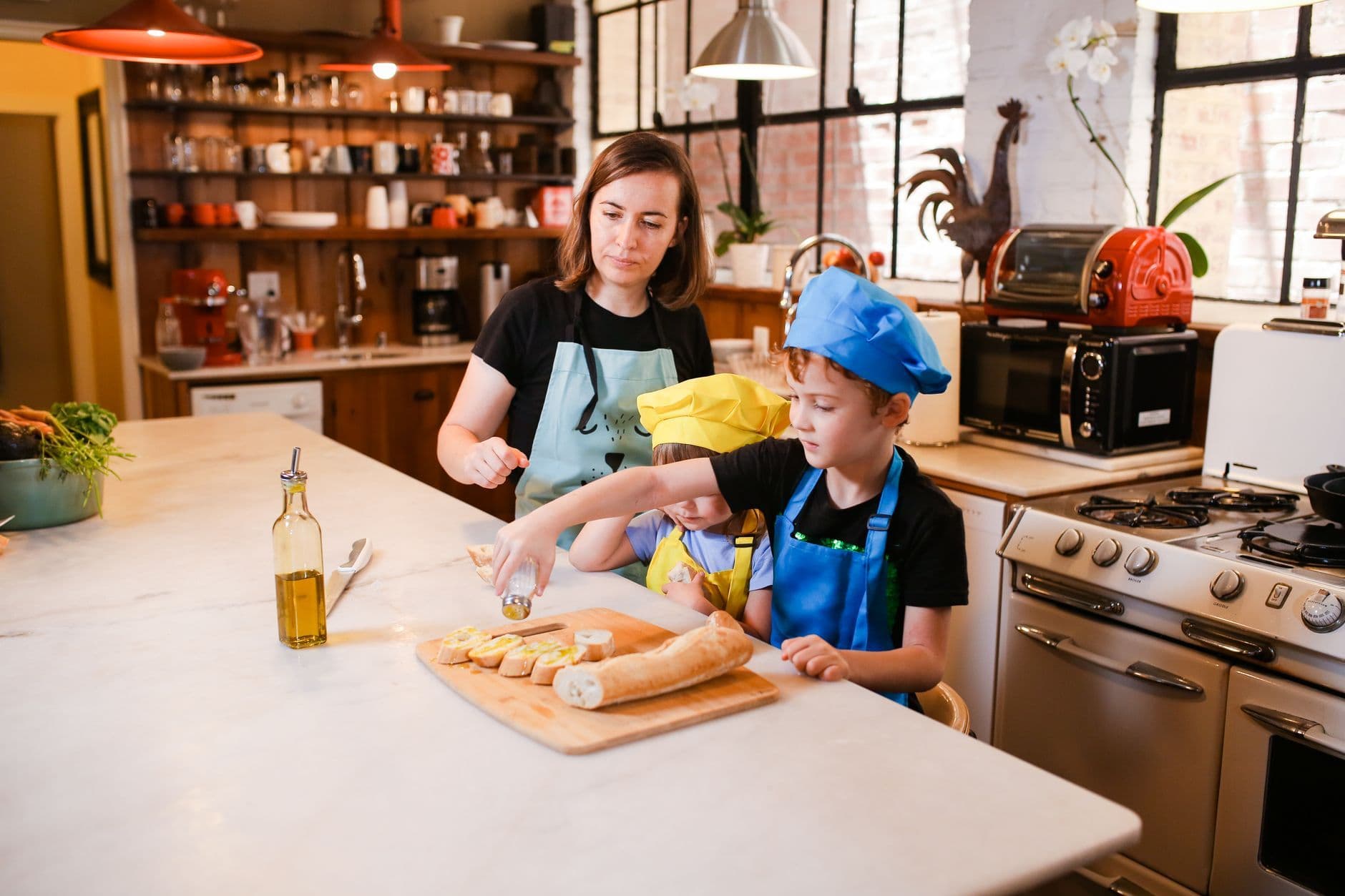
Children Who Cook With You Eat More Vegetables and Grow in Confidence: 8 Ways to Start Tonight
Cooking together teaches children to try new foods, builds practical skills and gives the family time around the table. Here is how to begin at every age.

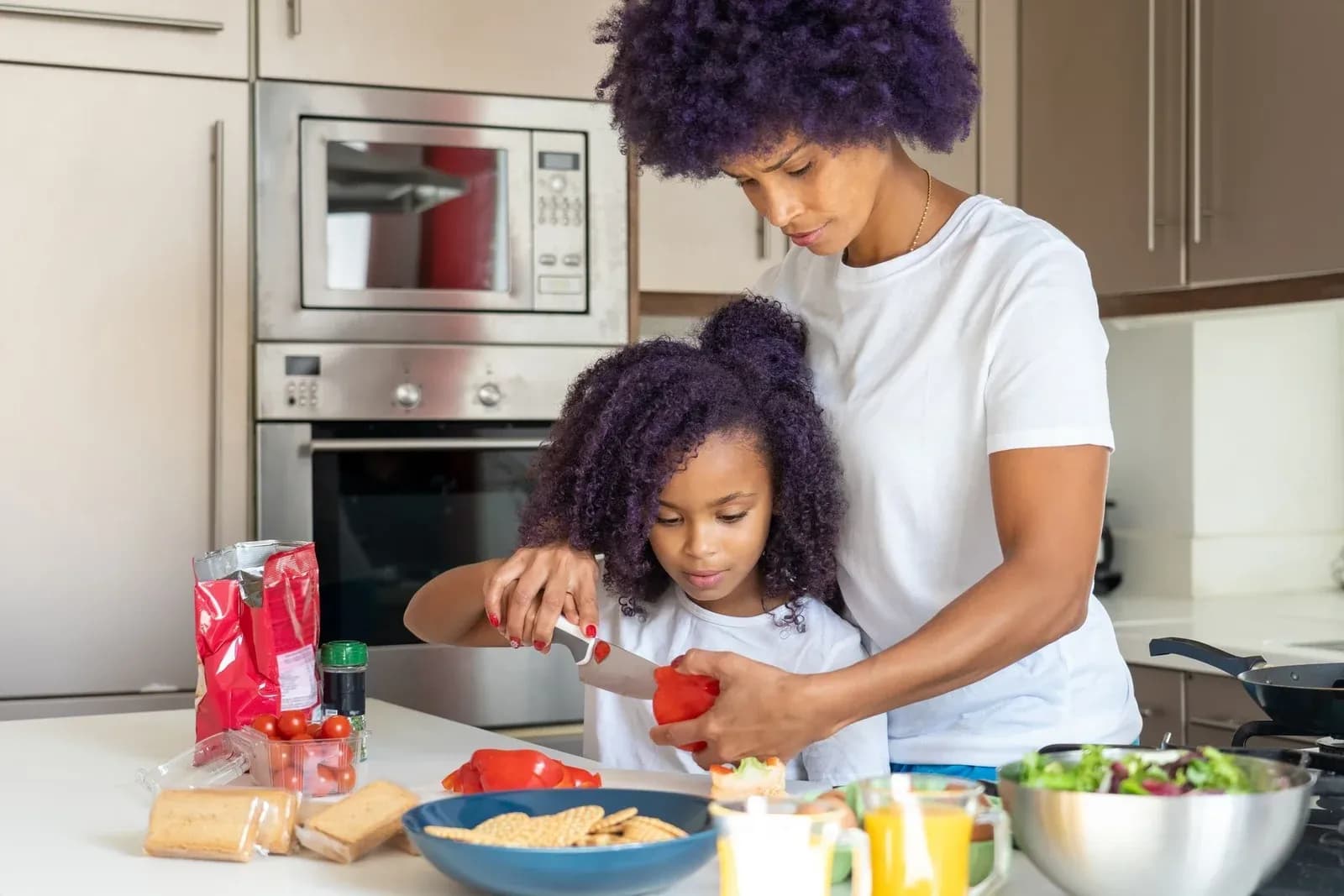
Photo: Kampus Production / Pexels
A child who washes the carrots, stirs the soup and sets it on the table is far more likely to eat it. Children who help prepare food are more willing to try new dishes, eat more vegetables and develop a healthier relationship with food as they grow up. They see where meals come from, they feel proud of what they made and the unfamiliar becomes familiar.
The benefits go well beyond the plate. Cooking teaches maths when children measure and weigh, reading when they follow a recipe and science when they watch dough rise or eggs set. It builds coordination, patience and the confidence that comes from doing a real job well. Children who learn to cook at home also leave home able to feed themselves without relying on takeaways and ready meals.
Cooking together is good for adults as well. Working side by side on a shared task eases conversation, and many parents find their children talk more openly over a chopping board than across a table.
1. Start with one family cooking night a week
You do not need to cook together every day. Choose one evening, such as Sunday, when nobody is rushing, and make it the night everyone cooks. A simple dish such as soup, pasta sauce or homemade pizza works well to begin with.
2. Give every child a real job that suits their age
Toddlers of two and three can wash vegetables, tear lettuce and stir cold mixtures. Children of four and five can measure, pour, crack eggs and spread butter. Six to eight-year-olds can peel, grate with supervision and cut soft foods with a child-safe knife. From nine to twelve, children can follow a simple recipe and use the hob and oven with you nearby. Teenagers can plan and cook a full meal.
3. Let children choose a vegetable
Take your children to a market or greengrocer and let each one pick a vegetable they have never tried. Look up a recipe together and cook it that week. A child is far more curious about a food they chose themselves.
4. Teach knife skills early and safely
Show children the claw grip, where the fingertips curl under and the knuckles guide the blade, and the bridge grip, where the hand arches over the food to hold it steady. Start with soft foods such as bananas, mushrooms or cooked potatoes and a small knife with a rounded tip. Good technique learned early prevents accidents later.
5. Cook your family's recipes
Every family has dishes passed down from grandparents or from the countries their families came from. Cooking these together gives children a sense of where they come from and keeps traditions alive. Ask an older relative to join you and teach the recipe in person, and write it down as you go.
6. Accept the mess and clear up together
Cooking with children takes longer and makes more mess, and that is part of the learning. Cover the floor if you need to, give each child an apron and make clearing up part of the job. Wiping surfaces and loading the dishwasher teach responsibility as well as cooking does.
7. Eat what you made together at the table
Sit down together to eat what you cooked, with phones away and the television off. Children who eat regular family meals tend to eat more fruit and vegetables, do better at school and report feeling closer to their parents. Let the cooks serve the meal and enjoy the compliments.
8. Hand over one meal a week to older children
Once your children have the basics, let a teenager plan, shop for and cook one family meal a week, with your help only when they ask for it. They gain independence and a skill for life, and you gain an evening off.
Teach good kitchen hygiene from the start: wash hands before cooking and after touching raw meat or eggs, and keep raw meat away from food that will not be cooked. Then pick a recipe for this weekend and give everyone a job.
Enjoying this article?
Subscribe to our newsletter and never miss a story. No spam, ever.

Editor-in-Chief
Editor-in-Chief of Rich Woman Magazine, founder of Sovereign Magazine, author of many books, Dr Marina Nani is a social edification scientist coining a new industry, Social Edification. Passionately advocating to celebrate your human potential, she is well known for her trademark "Be Seen- Be Heard- Be You" running red carpet events and advanced courses like Blog Genius®, Book Genius®, Podcast Genius®, the cornerstones of her teaching. The constant practitioner of good news, she founded MAKE THE NEWS ( MTN) with the aim to diagnose and close the achievement gap globally. Founder of many publications, British Brands with global reach Marina believes that there is a genius ( Stardust) in each individual, regardless of past and present circumstances. "Not recognising your talent leaves society at loss. Sharing the good news makes a significant difference in your perception about yourself, your industry and your community."
Related Articles
Cook a Five-Course Pumpkin Dinner This Weekend From Just Two Pumpkins
What to Pickle This Week: Eight Jars for Your Winter Pantry, From Gherkins to Green Watermelon

Rules, London's Oldest Restaurant, Is Protected for Good After Its Owner Gave the Building to the National Trust