Ultra-Processed Food Linked to a Stronger Brain Reward Response and More Weight Gain in Children
Brain scans of 46 children found that those eating more ultra-processed food reacted more strongly to pictures of treats, and that response went with more weight gain a year later.

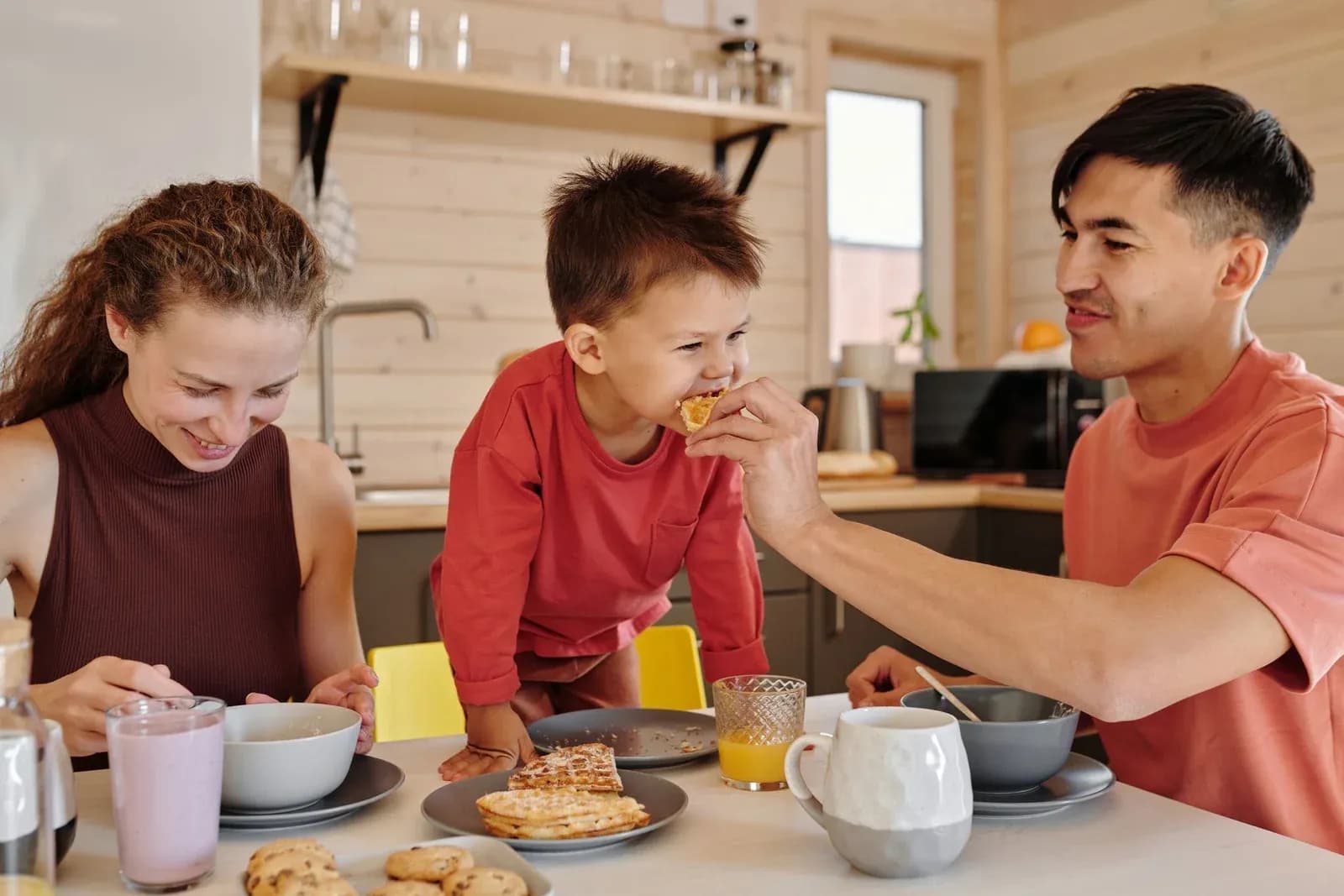
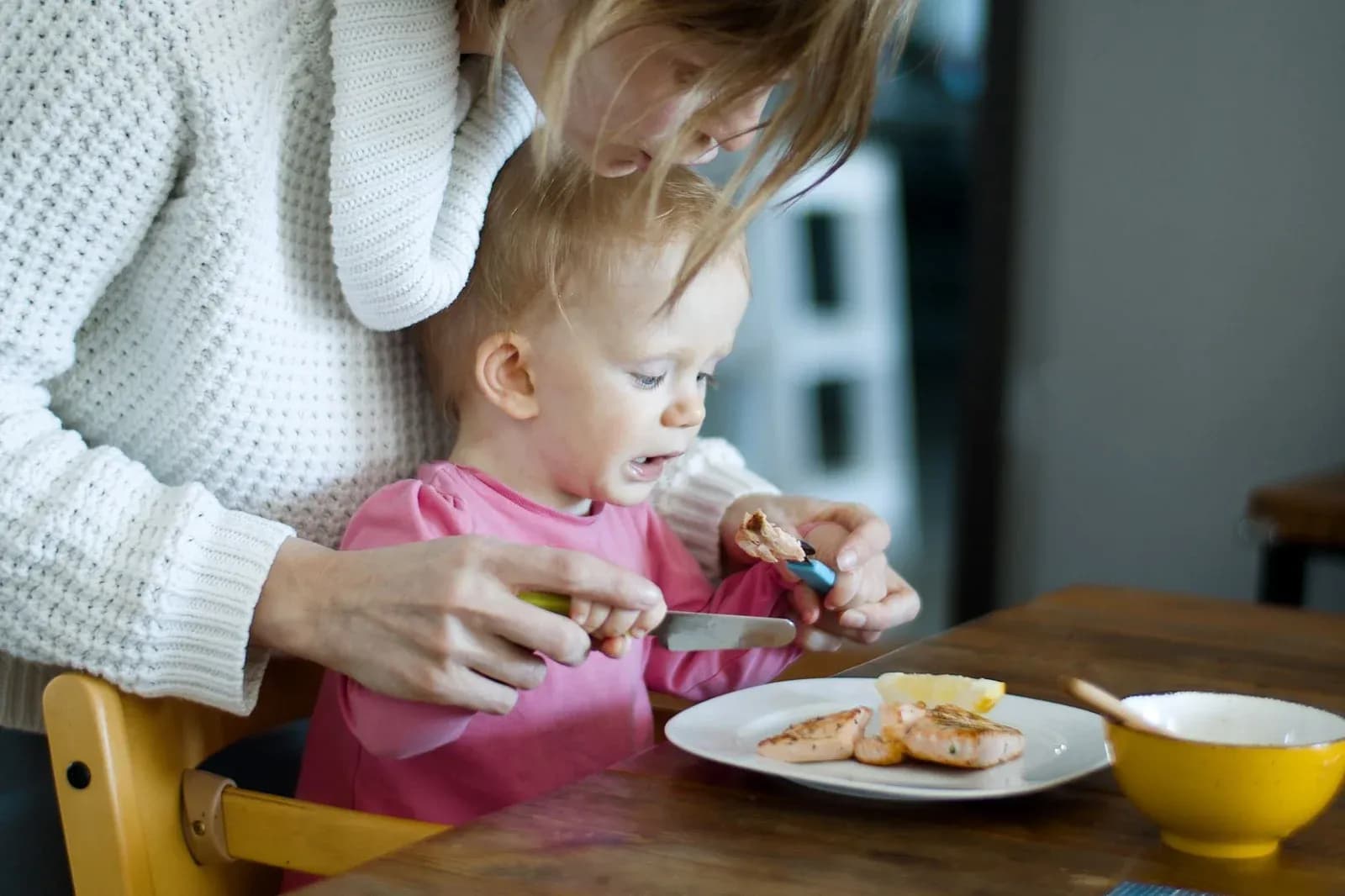
Photo: Werner Pfennig / Pexels
If your child can walk past the fruit bowl but never past an open packet of crisps, a new brain scan study offers part of the explanation. Children aged seven to ten who ate more ultra-processed food showed more activity in a reward area of the brain when they looked at pictures of foods such as biscuits and chips. The children with the strongest response also put on more body fat over the following year.
The study, published in JAMA Network Open, followed 46 children in the United States who were all a healthy weight when it began.
How Ultra-Processed Food Affects a Child's Brain
Each child lay in an MRI scanner and looked at pictures of appealing foods while the researchers recorded brain activity. In children whose diets held more ultra-processed food, the dorsal striatum, a region that drives reward and motivation, responded more strongly. This is the part of the brain behind the push to go and get something.
A year later, the children with the strongest reward response had the largest rises in body mass index and body fat. By the end, the children eating the most ultra-processed food had a higher body mass index, more body fat and a larger waist. The brain response accounted for part of that link: around a third of the connection with body mass index and 44% of the connection with body fat.
What the Study Cannot Tell You
The study observed children rather than changing what they ate, so it cannot show that the food changed their brains or that the brain response caused the weight gain. A child with a stronger pull towards treats may simply choose more of them. The group was also small.
The researchers describe ages seven to ten as a period when the brain is especially sensitive to food and to the food around a child. Their next step is to give children who eat a lot of ultra-processed food less processed alternatives and track whether the brain response and weight change. That test would come much closer to showing cause. They also plan to follow the children through puberty and into early adulthood. Earlier research found brain differences linked to weight in children as young as four, which points the same way.
How Much Ultra-Processed Food Children Eat in the UK
In the UK, toddlers get nearly half their calories from ultra-processed food, and the share rises to 59% by the age of seven. In the United States, it is around two thirds of children's calories. Many of these foods sit in an ordinary family shop rather than the sweets aisle: breakfast cereals, packaged bread and instant soups all count.
The researchers point out that these foods are cheap, convenient and everywhere, so a change in children's diets cannot rest on parents alone. They want healthier, less processed food to become easier for families to find and afford.
Simple Swaps to Cut Ultra-Processed Food at Home
Start with breakfast. Many cereals are ultra-processed. Porridge oats with fruit, eggs on wholemeal toast or plain yoghurt with berries take little extra time.
Read the ingredients list. Ingredients you would not keep in your own kitchen, such as emulsifiers, flavourings and sweeteners, are a sign that a food is ultra-processed. A shorter list usually means less processing.
Keep treats out of sight. The children in the study reacted to pictures of food, so a packet on the counter has an effect. Keep biscuits and crisps in a cupboard and leave fruit on the table.
Cook once and eat twice. A batch of soup, stew or tomato sauce at the weekend gives you frozen portions that are faster than a ready meal on a busy evening.
Make snacks simple. Fruit, chopped vegetables with hummus, cheese, plain popcorn and, for older children, nuts all work. Our guide covers the foods that give your child enough omega 3.
Do not ban treats or use them as rewards. Forbidden foods tend to become more tempting, and sweets offered as a prize for good behaviour start to feel special. Talk with your child about food that gives them energy and strength rather than about weight.
Enjoying this article?
Subscribe to our newsletter and never miss a story. No spam, ever.

Editor-in-Chief
Editor-in-Chief of Rich Woman Magazine, founder of Sovereign Magazine, author of many books, Dr Marina Nani is a social edification scientist coining a new industry, Social Edification. Passionately advocating to celebrate your human potential, she is well known for her trademark "Be Seen- Be Heard- Be You" running red carpet events and advanced courses like Blog Genius®, Book Genius®, Podcast Genius®, the cornerstones of her teaching. The constant practitioner of good news, she founded MAKE THE NEWS ( MTN) with the aim to diagnose and close the achievement gap globally. Founder of many publications, British Brands with global reach Marina believes that there is a genius ( Stardust) in each individual, regardless of past and present circumstances. "Not recognising your talent leaves society at loss. Sharing the good news makes a significant difference in your perception about yourself, your industry and your community."
Related Articles
Low Vitamin A in Late Pregnancy Is Linked to Larger Babies in a Norwegian Study of 723 Women
Why Your Child Will Not Eat Broccoli: Genes, Mouth Bacteria and What Helps
The Foods That Give Your Child Enough Omega 3, and How Much They Actually Need