Melinda French Gates Backs $50 Million Push for Prevention in Women's Health
British women now spend more than a quarter of their lives in poor health. Paid work, care and the household all compete for the hours prevention needs, so here is what works in the time that remains.


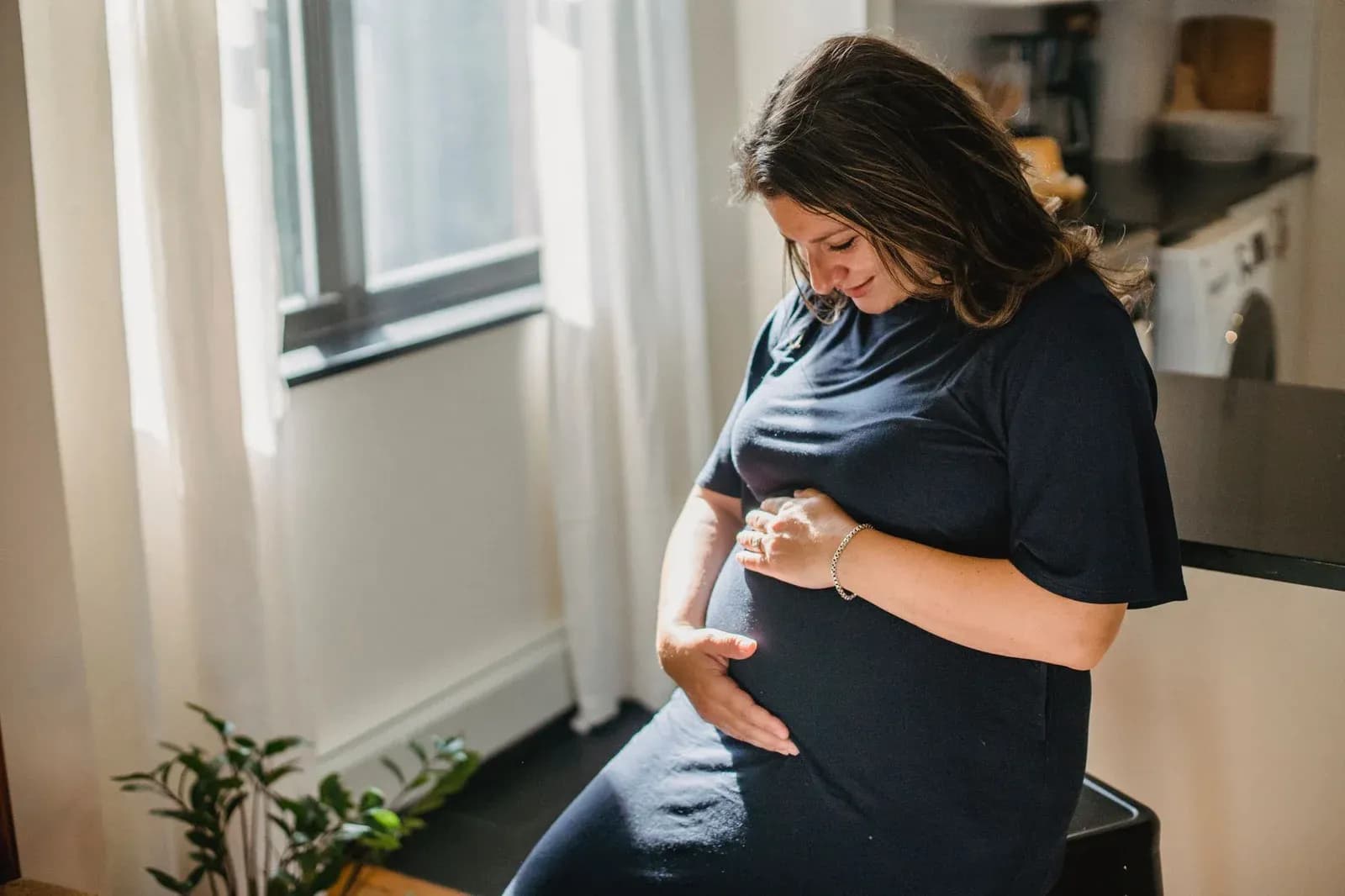
Photo: Jep Gambardella / Pexels
A girl born in the UK between 2022 and 2024 can expect 60.9 years of good health. The Office for National Statistics published that estimate on 19th February 2026, and it is the lowest since its records began in 2011 to 2013. For girls born between 2019 and 2021 the figure was 63.4 years. Women still outlive men, but the ONS calculates that they spend 73% of their lives in good health, against 77% for men.
Where a woman lives widens the gap. In the most deprived areas of England, female healthy life expectancy is 48.2 years. In the least deprived it is 68.5.
The state pension age is rising from 66 to 67 between April 2026 and April 2028. On the ONS averages, a woman's years of good health end roughly six years before she can draw it, which makes prevention a question of income as well as wellbeing for any woman who expects to keep working. The pattern is global: a 2024 report by the World Economic Forum and the McKinsey Health Institute found that women spend 25% more of their lives in poor health than men, and estimated that closing the gap could add $1 trillion a year to the world economy by 2040.
Care work falls to women in their working years
Paid work is only part of the load. Of the five million people providing unpaid care in England and Wales, 59% are women, according to the charity Carers UK. Research by the universities of Sheffield and Birmingham found that half of women have become carers by the age of 46, while men reach that point at 57, so most women do their caring while they are still employed.
Age UK found that 68% of the UK's 1.25 million 'sandwich carers', people looking after an older relative while raising children under 16, are women. Carers UK reports that 27% of sandwich carers show symptoms of mental ill-health, compared with 22% of the general population. Even among employed adults, ONS time-use data from March 2023 showed women spending 2 hours 37 minutes a day on unpaid household work, against 2 hours 2 minutes for men.
Long hours and heavy caring show up in women's blood sugar and hearts
Two large studies suggest the load is physical. In Ontario, researchers following 7,065 workers for twelve years found that women who worked 45 hours a week or more had a 63% higher risk of developing diabetes than women working 35 to 40 hours. Men who worked long hours showed no such rise. The lead author, Mahée Gilbert-Ouimet of the Institute for Work and Health in Toronto, suggested that the household and caring duties women carry on top of the paid week may explain the difference.
The Nurses' Health Study, which followed 54,412 American women aged 46 to 71, found that women who cared for an ill or disabled husband for nine or more hours a week had an 82% higher risk of coronary heart disease than women who did not. The researchers pointed to stress and to the meals, exercise and social life that carers tend to give up.
Both studies are observational, which means they show an association rather than proof that the hours cause the illness. They point in the same direction as women's own accounts. In a 2023 Carers Week survey, 35% of women who had provided unpaid care said their health had suffered, against 25% of men.
Screening is the first appointment to go
When the diary is full, prevention slips. A 2021 survey by Jo's Cervical Cancer Trust found that one in five women had used annual leave to attend cervical screening and one in seven had delayed it because of work. UK employees have no legal right to time off for a medical appointment, according to the conciliation service Acas, so whether a smear test costs a day's holiday depends on the employer. Some, Derbyshire County Council among them, give staff paid time off for cervical and breast screening, and a woman who runs her own business can write the same rule into hers.
The charity has since closed, but the barrier it measured has prompted one practical fix: the NHS will now post a cervical screening kit to some women to use at home.
Heart disease carries the same risk of delay. A University of Leeds study, part-funded by the British Heart Foundation, found that women were 50% more likely than men to receive the wrong initial diagnosis after a heart attack. Women who know how a heart attack shows up in women are better placed to insist on the right tests.
Short bursts of hard effort protected women's hearts
The most useful finding for time-poor women comes from activity trackers. In a study published in the British Journal of Sports Medicine in December 2024, researchers at the University of Sydney followed 13,018 women aged 40 to 79 who did no structured exercise. Women who averaged 3.4 minutes a day of short, vigorous bursts within ordinary life were 45% less likely to have a major cardiovascular event, 51% less likely to have a heart attack and 67% less likely to develop heart failure. Even 1.5 minutes a day was linked to lower risk, and men gained markedly less.
Professor Emmanuel Stamatakis, who led the study, says the women who benefited did these bursts almost every day, in up to ten short bouts. In practice that means climbing the office stairs fast enough to lose your breath, walking the school run at a pace that makes talking hard, or carrying the shopping up the hill instead of wheeling it. None of it needs a gym membership or a free hour.
Changes that fit around work and family
Answer the NHS Health Check letter. Adults in England aged 40 to 74 who have not been diagnosed with heart disease, stroke, diabetes, kidney disease or high blood pressure are invited every five years for a free check of blood pressure, cholesterol and diabetes risk. It takes about half an hour with a nurse or healthcare assistant. Book it the way you would book a client meeting, and ask the practice for an early or late slot.
Tell your GP practice that you look after someone. The practice can record you as a carer, and the main carer of an older or disabled person is eligible for a free NHS flu vaccine.
Put screening in the diary the day the invitation arrives. If you are offered a home kit, use it that week.
Build the vigorous bursts into the day you already have. The stairs, the school run and the walk to the station are all opportunities.
Treat a very long week as a health risk. If your paid hours regularly pass 45 on top of a household, the Ontario authors argue that a regular week of 35 to 40 hours may help prevent diabetes in women, which makes a case for bringing the hours down where you can. The menopause years add a further strain, and one in ten women who work through them leave their jobs because of symptoms.
The research money is finally following women
Investors have started to treat the gap as a market. On 3rd November 2026, the private equity firm Cinven agreed to buy Theramex, a London-based pharmaceutical company that sells menopause, osteoporosis, contraception and fertility treatments in more than 80 countries. Cinven did not disclose the price. Wellcome Leap, the health research organisation founded by Wellcome, and Pivotal, the investment company of Melinda French Gates, have committed $50 million to a programme that aims to predict flares and new cases of rheumatoid arthritis, multiple sclerosis and lupus around pregnancy and menopause. Women account for four in five people with autoimmune disease. Joanna Yael's newsletter The FemTech Radar tracked these and more than a dozen other women's health deals in the first half of November alone.
Most of that research will take years to reach a GP surgery. The Health Check, the screening kit and the few minutes on the stairs are available now, and they fit inside the time most working women already have.
FAQ
What happens at an NHS Health Check?
How many years do women in the UK spend in poor health?
Why are autoimmune diseases more common in women?
Can I get time off work for cervical screening in the UK?
Enjoying this article?
Subscribe to our newsletter and never miss a story. No spam, ever.

Editor-in-Chief
Editor-in-Chief of Rich Woman Magazine, founder of Sovereign Magazine, author of many books, Dr Marina Nani is a social edification scientist coining a new industry, Social Edification. Passionately advocating to celebrate your human potential, she is well known for her trademark "Be Seen- Be Heard- Be You" running red carpet events and advanced courses like Blog Genius®, Book Genius®, Podcast Genius®, the cornerstones of her teaching. The constant practitioner of good news, she founded MAKE THE NEWS ( MTN) with the aim to diagnose and close the achievement gap globally. Founder of many publications, British Brands with global reach Marina believes that there is a genius ( Stardust) in each individual, regardless of past and present circumstances. "Not recognising your talent leaves society at loss. Sharing the good news makes a significant difference in your perception about yourself, your industry and your community."
Related Articles
Almost One in Four Mothers Finds Birth Traumatic, and Far More Struggle Than a PTSD Diagnosis Shows
Low Vitamin A in Late Pregnancy Is Linked to Larger Babies in a Norwegian Study of 723 Women

Ultra-Processed Food Linked to a Stronger Brain Reward Response and More Weight Gain in Children