The Beginner’s Guide to Gardening for Wellbeing
Thinking about starting a garden but not sure where to start – or worse, feel like you’re not the green finger type? Here are the top hacks for beginner gardening tips that anyone can easily master.

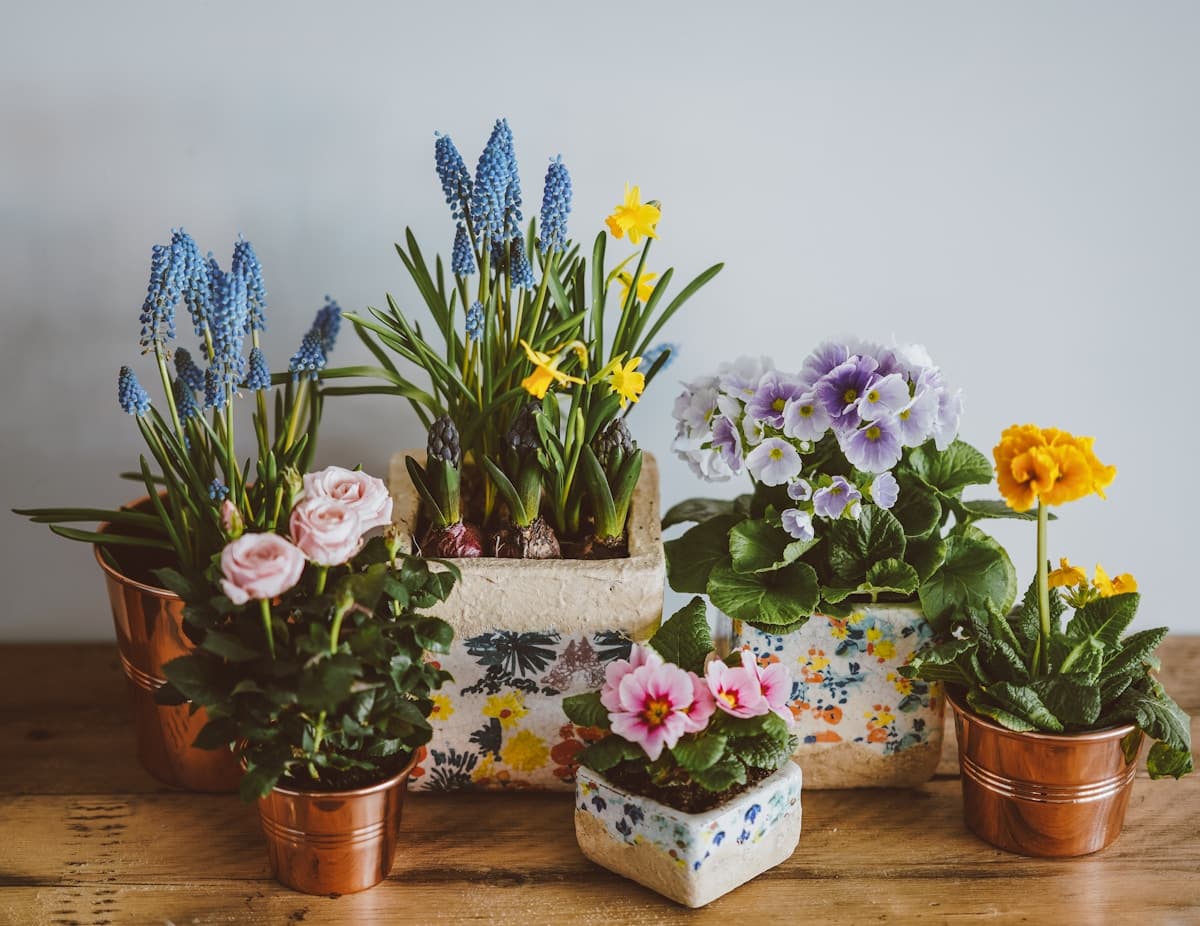
There’s something deeply satisfying about pressing your hands into warm soil, about watching something you’ve nurtured push through the earth toward the sun. Perhaps that’s why gardening has become more than a hobby for so many women – it’s therapy, meditation, and creative expression all rolled into one gloriously muddy package.
If you’ve been eyeing that empty patch of balcony or that neglected corner of your garden with equal parts excitement and trepidation, you’re not alone. The good news? You don’t need generations of inherited gardening wisdom or mysterious “green fingers” to create a thriving garden that nourishes both body and mind. What you need is permission to start small, fail gracefully, and discover the quiet joy of growing things.
Why Your Wellbeing Needs a Garden
Before we dig into the how, let’s talk about the why. Recent studies have shown that just 30 minutes of gardening can reduce cortisol levels significantly. The combination of gentle physical activity, exposure to beneficial soil bacteria, and the meditative rhythm of repetitive tasks creates a perfect storm of stress relief. Add in the vitamin D from sunshine and the satisfaction of harvesting your own herbs or vegetables, and you’ve got a wellness practice that puts most expensive spa treatments to shame.
“Gardening gives you control in a world that often feels chaotic,” says holistic wellness coach Sarah Martinez. “You’re making choices, seeing direct results, and creating something beautiful. That’s incredibly empowering.”
Start With Why (Not What)
Here’s the first secret: successful gardening begins with understanding what you actually want from your garden. Are you dreaming of fresh herbs for your Sunday roasts? Fragrant flowers for your bedside table? A quiet green space where you can sip your morning coffee? Your answer will shape everything from what you plant to where you plant it.
Take a moment to visualize your ideal garden moment. That vision – not Pinterest boards or your neighbor’s award-winning roses – should be your north star.
The Five Golden Rules for Beginner Gardeners
Start Ridiculously Small
The fastest way to feel overwhelmed and quit is to tackle too much at once. Begin with three to five plants. Yes, really. That single pot of basil on your kitchen windowsill counts as gardening. That trio of succulents on your desk? You’re officially a gardener. Starting small allows you to learn what works in your specific environment without the pressure of maintaining an elaborate setup.
Choose Plants That Want to Grow
Some plants are genuinely difficult to keep alive. Others practically beg you to neglect them. As a beginner, stack the odds in your favor by choosing bulletproof varieties:
- For herbs: Mint (keep it contained in a pot or it will take over), rosemary, thyme, and chives are nearly indestructible. Basil requires slightly more attention but rewards you abundantly.
- For vegetables: Cherry tomatoes in pots are surprisingly forgiving, lettuce grows quickly and doesn’t mind partial shade, and radishes are ready to harvest in just 30 days – perfect for instant gratification.
- For flowers: Marigolds, cosmos, and lavender shrug off neglect while still looking stunning. Succulents and snake plants are perfect for those who travel frequently or occasionally forget to water.
The secret? Choose plants that naturally thrive in your climate and light conditions, not the ones you wish would grow there.
Understand Your Light Situation
This might be the single most important factor in gardening success, yet it’s the one beginners most often ignore. Spend a day observing your growing space:
- Full sun means six-plus hours of direct sunlight (perfect for tomatoes, peppers, and most herbs)
- Partial sun/shade means three to six hours (ideal for lettuce, spinach, and many flowers)
- Full shade means fewer than three hours (ferns, hostas, and certain leafy greens will thrive here)
Don’t fight your light conditions – embrace them. Some of the most beautiful gardens are shade gardens, and there’s something deeply satisfying about growing food in a sunny spot.
Water Smarter, Not Harder
Overwatering kills more plants than underwatering. Here’s the finger test: stick your finger into the soil up to your second knuckle. If it feels dry, water deeply. If it feels moist, leave it alone. Most plants prefer a good soaking once or twice a week over daily sprinkles.
Morning watering is ideal – it gives plants time to absorb moisture before the heat of the day and prevents fungal issues that come with overnight dampness. If you’re forgetful, set a reminder on your phone or water on the same days each week.
“Good Enough” Soil
You don’t need to become a soil scientist, but understanding the basics makes everything easier. For containers, use quality potting mix (not garden soil, which compacts in pots). For garden beds, improve your existing soil gradually by adding compost – think of it as vitamins for your plants.
The magic ingredient? Compost. It improves drainage in clay soil and water retention in sandy soil. You can buy it bagged or start a small compost bin with kitchen scraps. Your morning coffee grounds and vegetable peelings are gardening gold.
The Wellbeing Rituals That Transform Gardening
Now for the part that turns gardening from task to transformation:
- Morning garden check-ins: Before you check your phone, spend two minutes with your plants. Notice new growth, check for thirsty soil, remove a dead leaf. This gentle transition into your day sets a mindful tone that ripples through everything else.
- Mindful weeding: Instead of rushing through weeding as a chore, treat it as moving meditation. Feel the texture of leaves, notice the satisfying sound of roots releasing from soil, breathe in the green scent of growing things.
- Harvest rituals: When you snip herbs or pick tomatoes, pause to appreciate the full cycle from seed to table. This gratitude practice costs nothing but enriches everything.
- Evening garden sits: Keep a chair or cushion in your garden space. Even five minutes of simply being among your plants – without your phone – provides a reset button for frazzled nerves.
Your Beginner’s Toolkit
You don’t need a shed full of equipment. Start with:
- A small trowel or hand fork
- Watering can or hose with a gentle spray nozzle
- Quality potting mix
- A few pots with drainage holes (if you’re growing in containers)
- Gardening gloves (though many gardeners prefer bare hands for the sensory connection)
Everything else can wait until you’ve decided what type of gardening brings you joy.
When Things Go Wrong (Because They Will)
Let’s be honest: you will kill plants. You’ll overwater, underwater, plant in the wrong spot, or accidentally snap off that promising new shoot. Professional gardeners kill plants too. The difference is they view each plant death as data, not failure.
That withered basil? It taught you that your kitchen gets less light than you thought. Those leggy seedlings? They showed you that starting seeds indoors requires more attention than you have time for right now. Every “mistake” narrows down what works in your unique situation.
The 30-Day Beginner’s Challenge
Ready to start? Here’s your gentle introduction:
- Week 1: Choose your three starter plants based on your light conditions and what you’d actually use or enjoy. Get them settled in appropriate containers or spots.
- Week 2: Establish your watering routine. Check soil moisture every other day until you understand each plant’s needs.
- Week 3: Start a simple garden journal. Note what’s thriving, what’s struggling, and how you feel after spending time with your plants.
- Week 4: Add one new element – perhaps a pretty pot, a second type of herb, or a small seating area. Notice how your garden is already becoming a space that reflects you.
Here’s what experienced gardeners know but rarely say: the garden you’re growing in the soil is just the beginning. The real transformation happens internally. Gardening teaches patience in an instant-gratification world. It builds confidence through small, visible successes. It connects you to seasons, weather, and natural cycles we’ve largely insulated ourselves from.
I started with one pot of cherry tomatoes on my balcony, now I am an avid gardener. One year later, gardening transformed how I manage stress. Getting closer to earth, it nurtures your soul.
Your Garden Is Waiting
You don’t need a large plot of land, unlimited free time, or inherited gardening genius. You need three plants, a willingness to learn as you go, and the understanding that gardening is practice, not perfection.
The garden that will bring you the most wellbeing isn’t the one that looks perfect in photographs. It’s the one you actually spend time in, the one where you feel calm enough to notice the first tomato flower, the one where dirt under your fingernails becomes a badge of honor rather than something to hide.
So start small. Start today. Start with what you have, where you are, with the knowledge that every expert gardener was once exactly where you are now – standing at the beginning, wondering if they could really do this. Your garden is waiting.
Rich Woman Magazine believes in the transformative power of connecting with nature, no matter how small your starting point. Share your beginner gardening journey with us @richwomanmag #GrowYourJoy
Enjoying this article?
Subscribe to our newsletter and never miss a story. No spam, ever.

Editor-in-Chief
Editor-in-Chief of Rich Woman Magazine, founder of Sovereign Magazine, author of many books, Dr Marina Nani is a social edification scientist coining a new industry, Social Edification. Passionately advocating to celebrate your human potential, she is well known for her trademark "Be Seen- Be Heard- Be You" running red carpet events and advanced courses like Blog Genius®, Book Genius®, Podcast Genius®, the cornerstones of her teaching. The constant practitioner of good news, she founded MAKE THE NEWS ( MTN) with the aim to diagnose and close the achievement gap globally. Founder of many publications, British Brands with global reach Marina believes that there is a genius ( Stardust) in each individual, regardless of past and present circumstances. "Not recognising your talent leaves society at loss. Sharing the good news makes a significant difference in your perception about yourself, your industry and your community."