
8 Daily Ways for Mothers to Rest and Restore, From Unbroken Sleep to Time Alone
Rest is more than sleep. Eight daily habits that restore you, from protecting a long stretch of sleep to time on your own and one fewer job on your list.


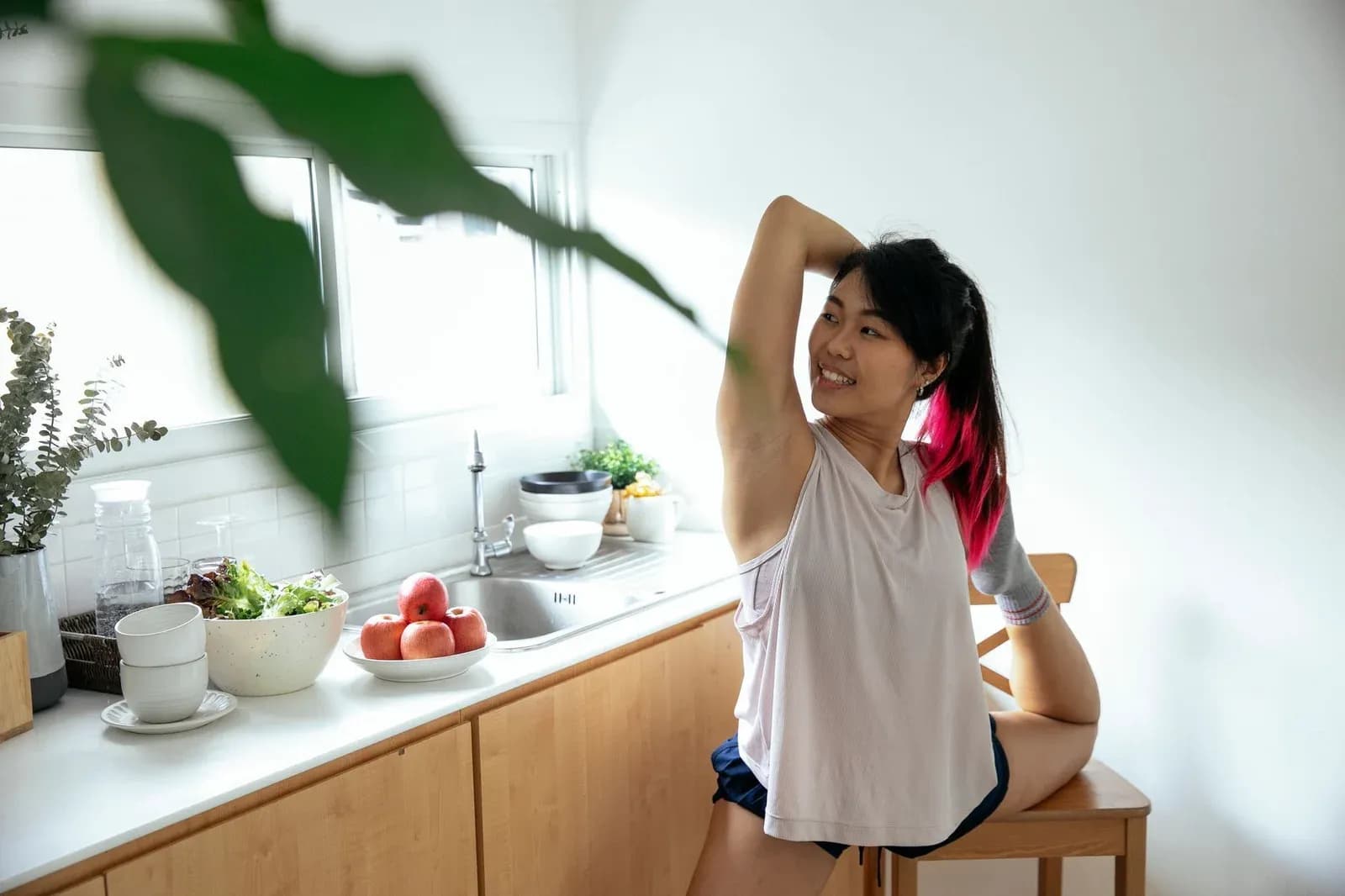
Photo: cottonbro studio / Pexels
Ask yourself when you last rested and the answer may be your last holiday, or never. For most mothers rest arrives as a reward once everything is done, and for a mother everything is never done.
More than 18,000 people in 134 countries took part in the largest survey of rest ever carried out, and 68% said they would like more of it. People with caring responsibilities reported fewer hours of rest than others, and those who felt they rested enough had wellbeing scores twice as high as those who wanted more. Read the survey results
Sleep is where the gap begins. In a survey of more than 5,800 adults, 48% of mothers with children at home slept at least seven hours a night, against 62% of women without children. Fathers slept the same whether they had children or not.
Real restoration has three parts: sleep that runs without interruption, time that belongs only to you and a daily load light enough to carry. The eight habits below cover all three.
Unbroken Sleep Before Long Sleep
Sleep runs in cycles of about 90 minutes. The deepest and most physically restoring sleep comes mostly in the first half of the night, and the dream sleep that steadies your mood comes mostly in the second. Each time you wake, the cycle starts again, so six broken hours restore you far less than six unbroken ones.
First-time mothers who wore sleep trackers through pregnancy and the year after the birth slept their usual total within weeks, yet their sleep stayed broken for months, which explains the exhaustion many feel long after the newborn stage. Protect a long first stretch by going to bed at the same time each night, using earplugs or a fan if small noises wake you and following these evening routines for better sleep.
Splitting the Night With Your Partner
If a baby or young child still wakes at night, take turns instead of both half-waking. One of you covers the first half of the night and the other the second, with earplugs for whoever is off duty. If you breastfeed, your partner can bring the baby to you and settle them afterwards.
Each of you then gets a block of four to five hours without interruption, long enough for several complete sleep cycles. If you are raising children on your own, ask a grandparent or a friend to take one night a week.
Twenty Minutes on Your Own Every Day
The five activities people found most restful in that survey are all things usually done alone: reading, being in nature, being on your own, listening to music and doing nothing in particular. Time alone gives your attention a break from the constant small demands of other people.
Take 20 minutes a day that nobody else can claim: before the house wakes, after bedtime or in the car before you walk through the door. Tell the family it is your time and keep to it.
Reading for Pleasure
Reading came top of the list, chosen by 58% of people. A novel or a magazine holds your attention gently, enough to stop your mind running through the to-do list but not enough to tire it.
Keep a book where you would otherwise reach for your phone: by the kettle, in your bag or on your pillow. Ten pages a day adds up to around a dozen books a year.
Time Outdoors in Daylight
Being in nature came second, chosen by 53% of people. Morning daylight also sets your body clock, which makes it easier to feel sleepy at the right time in the evening.
In November daylight is short, so take it where you can: a walk after the school run, coffee on the doorstep or a lap of the park at lunchtime. Even a grey morning is many times brighter outdoors than any room in your home.
Doing Nothing in Particular
Four in ten people chose doing nothing in particular as one of their most restful activities. Letting your mind wander, without a screen or a task, gives your brain time to sort through the day and often brings answers to problems you had stopped trying to solve.
Ten minutes with a cup of tea at the window, and no phone, counts as rest.
Dropping One Responsibility a Week
Rest is hard to find when the list keeps growing. Each week, take one item off yours for good by dropping it, handing it to someone else or lowering the standard. Shop-bought pastry, an online food delivery, a child who makes their own packed lunch or a polite no to one December event all count.
Look at which tasks matter to you and your family and which you keep doing out of habit or for other people's approval. The second group is where your time comes back from.
A Half Day Off Every Week
Book a half day every week, or every fortnight if that is all you can manage, when you are off duty from work and family alike. Hand over the children, put it in the shared calendar and leave the house if you need to.
Use it for whatever restores you, from a long swim to a nap to lunch with a friend. Regular rest you can look forward to tends to do more for you than one long holiday spent recovering from the months before it.
At a Glance
- Sleep: protect a long first stretch, same bedtime every night
- Night wakings: split the night with your partner, earplugs for whoever is off duty
- Every day: 20 minutes on your own and ten pages of a book
- Mornings: time outdoors in daylight
- Each afternoon or evening: ten minutes of doing nothing in particular
- Every week: one responsibility dropped, handed over or made lighter
- Every week or fortnight: a half day off duty from work and family
Enjoying this article?
Subscribe to our newsletter and never miss a story. No spam, ever.

Editor-in-Chief
Editor-in-Chief of Rich Woman Magazine, founder of Sovereign Magazine, author of many books, Dr Marina Nani is a social edification scientist coining a new industry, Social Edification. Passionately advocating to celebrate your human potential, she is well known for her trademark "Be Seen- Be Heard- Be You" running red carpet events and advanced courses like Blog Genius®, Book Genius®, Podcast Genius®, the cornerstones of her teaching. The constant practitioner of good news, she founded MAKE THE NEWS ( MTN) with the aim to diagnose and close the achievement gap globally. Founder of many publications, British Brands with global reach Marina believes that there is a genius ( Stardust) in each individual, regardless of past and present circumstances. "Not recognising your talent leaves society at loss. Sharing the good news makes a significant difference in your perception about yourself, your industry and your community."
Related Articles
50 Days to New Beginnings: 8 Habit Stacks That Build New Routines Into the Day You Already Have

The Truth About Work-Life Balance for Women Over 40

52 Days to New Beginnings: Write a Letter Today to the Woman You Will Be on New Year's Eve