8 Garden Jobs for the Week Starting 23rd November, From Planting Paperwhites to Wrapping Your Pots
The garden looks asleep in the last week of November, and the work you do now shapes what greets you in January and in spring. Here are eight jobs for the week.
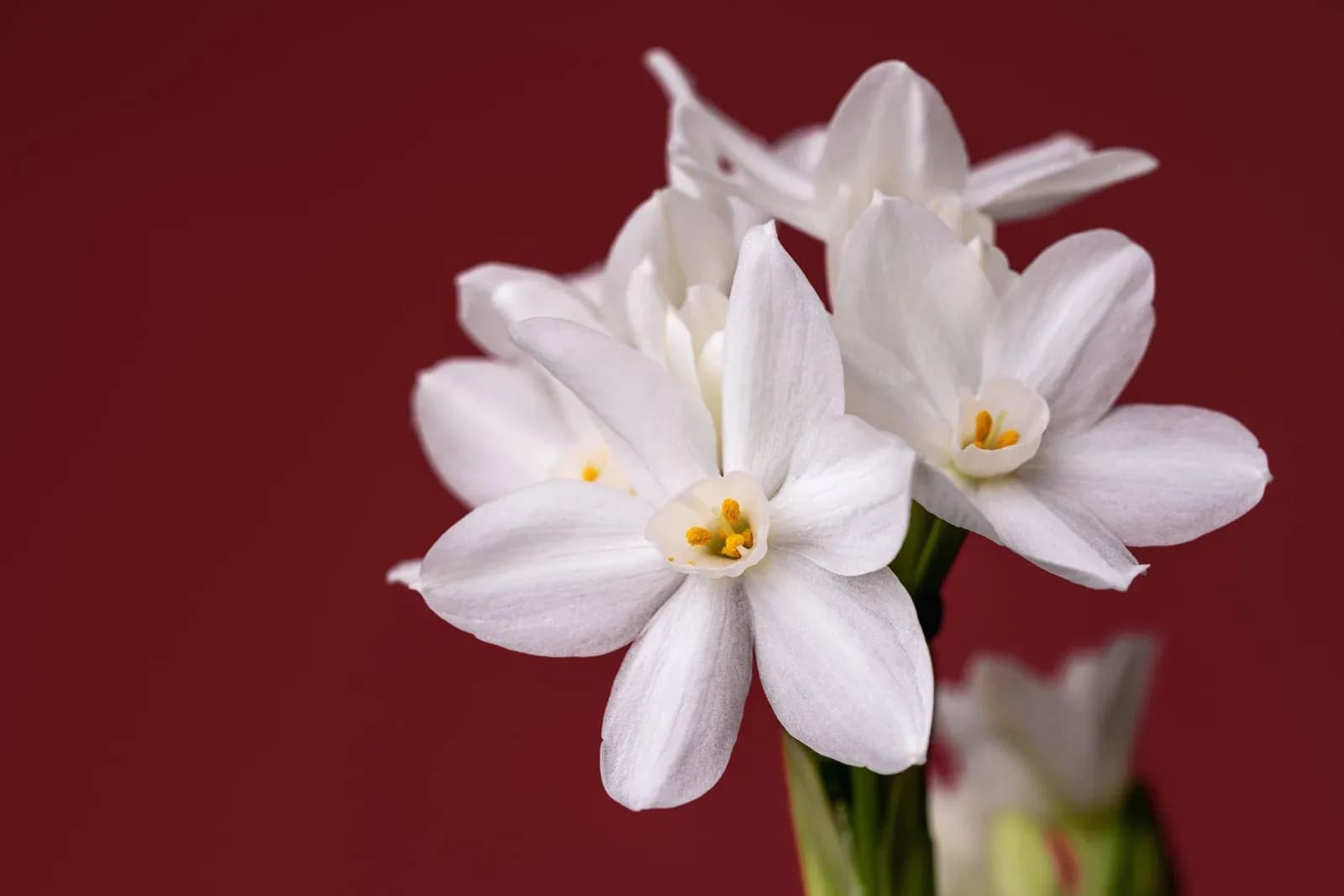
Photo: Skyler Ewing / Pexels
There is a particular sadness in a garden at the end of November. The roses you fussed over in June are black sticks, the last leaves lie in a wet heap by the gate and it is dark before you have finished your tea. If you have looked out of the kitchen window this week and felt that the best of the year is behind you, you are in good company.
It is tempting to close the back door on it all and not open it again until March. Give it one hour this week instead. Late November is when you plant the flowers that will scent the house at Christmas and set up the roses that will stop you in your tracks next June. Every bulb you press into a bowl this week is a small act of faith that light and colour will come back, and you will not have long to wait for the proof.
Plant paperwhites for Christmas. Paperwhite narcissi flower four to six weeks after planting, so bulbs started this week will open in time for Christmas Day. Sit them shoulder to shoulder on a bowl of gravel or compost with their tips showing, water them and stand them on a cool, bright windowsill. Their scent will fill a room.
Start an amaryllis. An amaryllis bulb takes six to eight weeks to flower. Plant one now in a pot only a little wider than the bulb, with the top third above the compost, and it will bloom in January, when the house needs it most. Water sparingly until the shoot appears.
Wrap your pots and lift them off the ground. Roots in a pot have far less protection from frost than roots in the soil, and a waterlogged pot that freezes can crack. Stand containers on pot feet or bricks so they drain, and wrap them in bubble wrap or hessian. Move the most tender ones against a house wall.
Plant bare-root roses and hedging. Roses, hedging and fruit trees sold without soil on their roots are cheaper than potted plants and settle in faster. They can go in from now until March, whenever the ground is not frozen or sodden. Soak the roots in a bucket for an hour, dig a hole wide enough to spread them out and firm the soil back with your heel.
Take hardwood cuttings. This is the easiest way to make new plants for nothing. Cut pencil-thick lengths of this year's growth from roses, dogwoods or currant bushes, about 20 cm long, with a straight cut below a bud at the base and a sloping cut above a bud at the top. Push them two thirds deep into a trench in a spare corner and leave them until next autumn.
Prune vines, acers and birches before Christmas. Grapevines, Japanese maples and birches bleed sap heavily if you cut them once it starts to rise in the new year. Prune them now, while they are fully dormant, and take out only dead, crossing or badly placed branches.
Clean the greenhouse glass and your tools. Winter light is scarce, and dirty glass can block a surprising amount of it. Wash the panes inside and out with warm soapy water. Then scrub the soil from your spades and forks, sharpen your secateurs and wipe the blades with an oily rag so they are ready for spring.
Feed the birds and give them water. Natural food is running low and the nights are long. Fill the feeders with sunflower hearts and fat balls, wash them every week or two to stop disease spreading and break the ice on the bird bath in the morning. The robin that follows your fork in February will have survived on what you put out now.
When you come back indoors, with cold hands and mud on your knees, put the bowl of paperwhites where you will pass it every day. In a month the first white flowers will open, and you will be glad you did not close the door on the garden in November.
Enjoying this article?
Subscribe to our newsletter and never miss a story. No spam, ever.