Gardening This Autumn: Low Maintenance Perennials
The instinct to tidy the border in autumn is strong, and mostly wrong. A genuine handful of perennials do their best, most sculptural work only after you put the secateurs down.

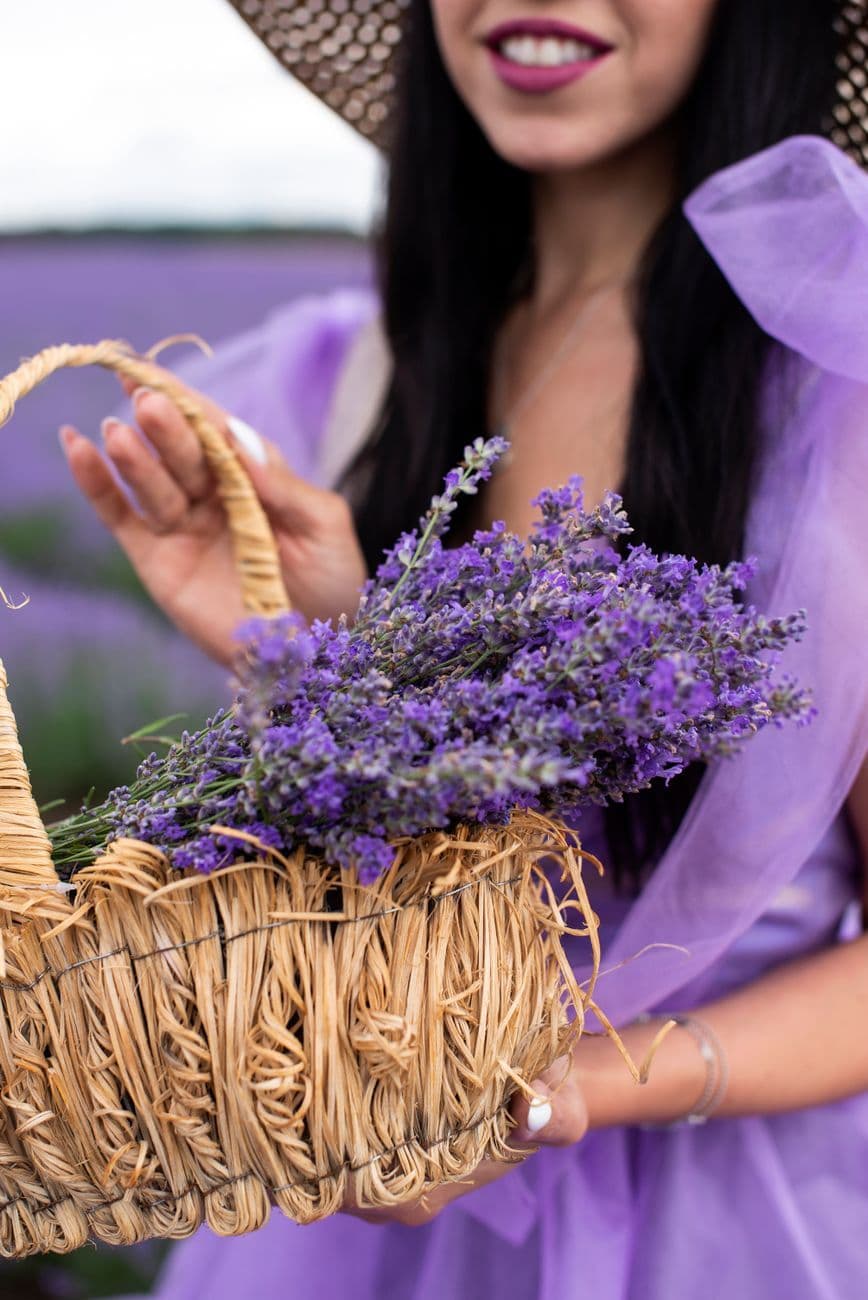
Photo: Галина Ласаева / Pexels
Autumn arrives and the instinct to tidy takes over almost everyone's border. Cut the dead-looking stems, clear the collapsed foliage, leave the beds looking neat before the frost sets in. For a genuine handful of perennials, that instinct is working directly against you. Left standing, they do their best and most interesting work of the entire year between now and the first proper frost of spring.
There are two real reasons behind this, and neither is sentimental. The first is structural. Hydrangea paniculata is the clearest example: its faded flower heads and stems physically shield the buds beneath them from the worst of the winter cold, and cutting back in autumn removes that protection right before it is needed most, often triggering tender new growth that frost then kills outright. The second reason is ecological. Hollow and pithy stems, the kind left behind by many perennials once they die back, are where solitary bees, ladybirds and lacewings actually spend the winter. Clear the border in October and you clear out next spring's pollinators along with it.
Sedum, sold now under the name Hylotelephium and still widely known by its old one, is the classic case. Its flower heads turn a deep rust and bronze as the weather cools, hold their shape through frost rather than collapsing, and look genuinely striking rimmed in white on a cold morning. Echinacea and Rudbeckia do something similar structurally, but the more important reason to leave them is that their seed heads are a serious food source for goldfinches through the leanest months of the year, one of the few reliable ways to bring them into a garden at all in winter.
This article is for members only
Become a member to unlock this article and all premium content.
Related Articles

Buyers Priced Out of Big Cities Are Finding Cheaper New Homes in the South
The Joy of Gardening: Late-Summer Notes on Curb Appeal to Upgrade Your Property Valuation
What Actually Thrives in a Summer This Hot