
What Actually Thrives in a Summer This Hot
The UK is on track for its hottest summer on record, with parts of England already past 38 degrees and forty-five million people living under drought. What is actually surviving this heat in British gardens, and the decades-old proof that a garden never needed a hosepipe at all.

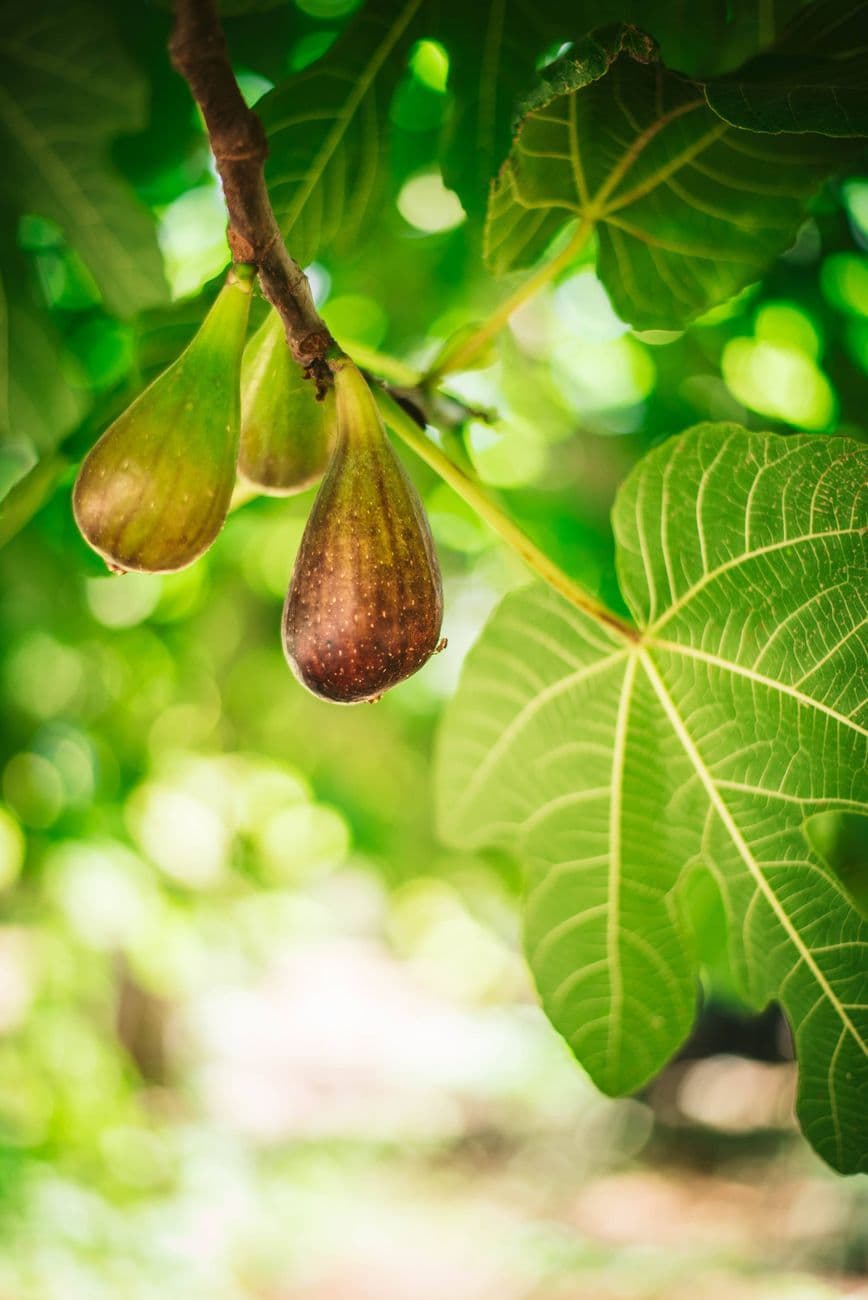
Photo: Federica Gioia / Pexels
This summer is on track to be the hottest the UK has ever recorded, and by early August the numbers were no longer close. Kew Gardens hit 35.1 degrees in May, a UK record for the month. Norfolk reached 38 degrees in June. Over forty locations recorded 36 degrees or higher in a single week in August, and much of England spent that week under an amber heat health alert. Forty-five million people are living in areas officially in drought.
Gardeners noticed before anyone else did. The plants that used to struggle through a British summer are now the plants failing, and the ones considered exotic a decade ago are the ones still standing at the end of August.
The Royal Horticultural Society has already recorded cordyline, the spiky-leaved plant most people associate with seaside towns in Cornwall, naturalising along the coast of Devon too. Agapanthus, the tall African lily once considered a greenhouse plant this far north, now survives most winters across large parts of southern England without any protection at all. None of this is a one-off. It is what a garden looks like when a climate genuinely shifts underneath it.
This article is for members only
Become a member to unlock this article and all premium content.
Related Articles
Gardening This Autumn: Low Maintenance Perennials
Buyers Priced Out of Big Cities Are Finding Cheaper New Homes in the South
The Joy of Gardening: Late-Summer Notes on Curb Appeal to Upgrade Your Property Valuation