Too Much Parenting Advice Erodes Confidence: 8 Ways for Mothers to Cut Through the Noise
Parents who feel swamped by advice online end up less sure of themselves a year later. Eight ways to filter the noise and trust your own judgement again.

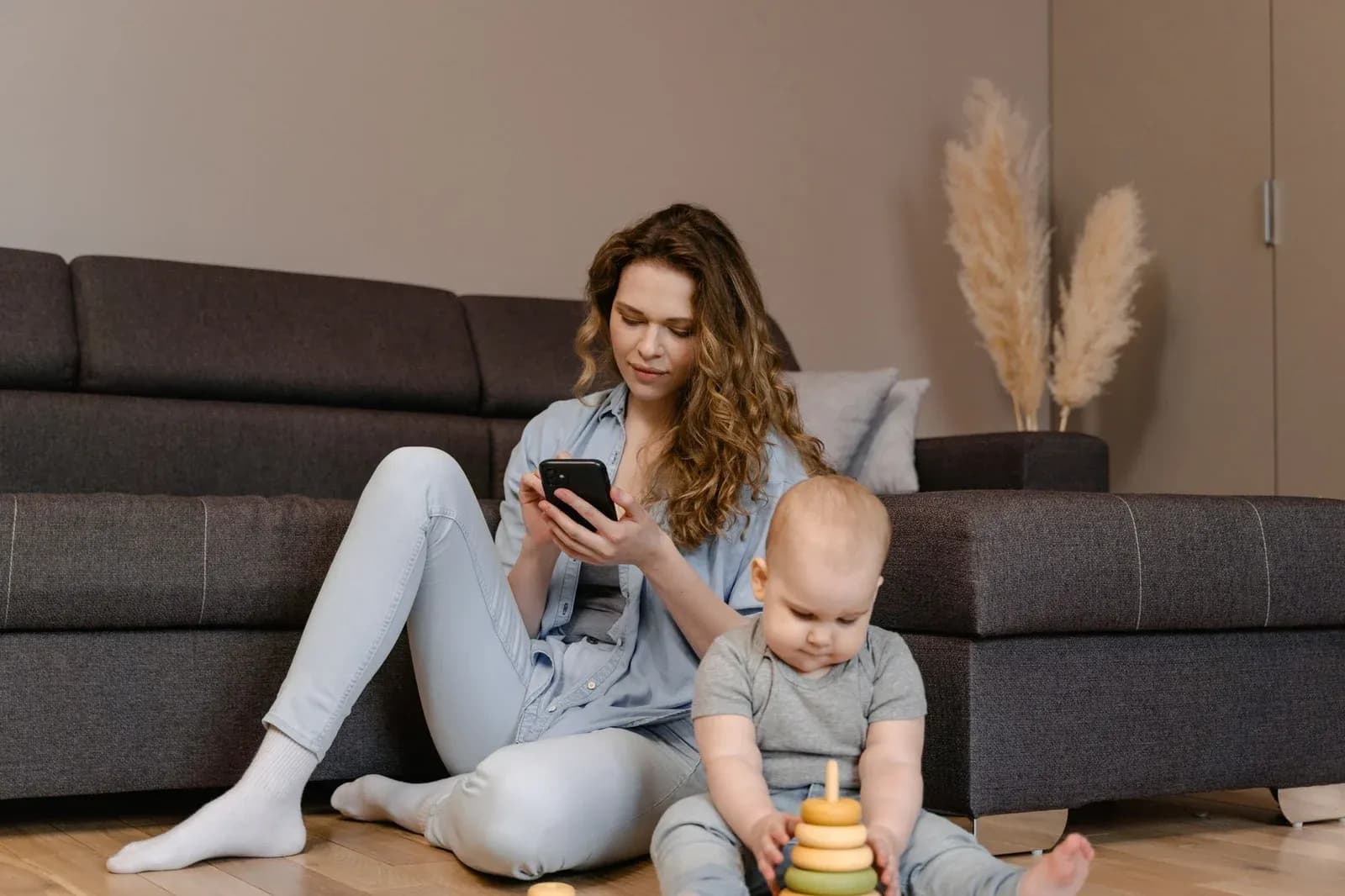
Photo: MART PRODUCTION / Pexels
Your mother had a baby book, a health visitor and her own mother. You have all of that, plus thousands of accounts, forums, apps and experts, many of them contradicting each other before breakfast. More information should make parenting easier, yet for many mothers it does the opposite.
In 2024 the US Surgeon General declared parental stress a public health issue. Of the parents surveyed, 48% said that on most days their stress was completely overwhelming, against 26% of other adults. The report pointed to a culture of constant comparison, much of it on social media, that leaves parents feeling they are never doing enough. Hear the Surgeon General on parental stress
A study of parents in Sweden followed what happens when the advice piles up. Parents who felt overwhelmed by the information they found online were less confident in their parenting a year later, and they searched online even more. Parents who used only the official government health website did not lose confidence in the same way. Read more about the study
Mothers feel this weight more than fathers. In a study of Swiss families, mothers reported significantly more pressure to be a perfect parent, and the parents who felt that pressure most were more likely to become overprotective. The eight steps below help you take in less, trust more of what you do take in and give your own judgement its place back.
One Trusted Source for Health Questions
For anything about your child's health, development or safety, go first to one reliable source: the NHS website, your health visitor, your GP or your pharmacist. Stop there unless they suggest you look further.
That single habit protected parents' confidence in the Swedish study. Official health advice is checked, kept up to date and written for parents, and it does not compete for your attention.
A Short List of People You Trust
Choose three or four people whose judgement you value, such as a friend with older children, your own mother or sister, or a teacher you respect. Take your parenting questions to them before you take them to the internet.
People who know your child and your family give advice that fits your life, which no stranger online can do.
Muting Accounts That Leave You Feeling Worse
Go through the parenting accounts you follow and ask yourself one thing about each: do I feel calmer or worse after seeing it? Mute or unfollow the ones that leave you anxious, guilty or behind.
Polished feeds show other families' best moments, chosen and edited. Comparing your ordinary Tuesday with someone else's highlights is a contest you cannot win.
A Clear Question Before You Search
Before you open a search box or an app, write down the exact question you need answered, such as how much sleep a three-year-old needs. Once you have the answer, close the page.
Vague searches such as 'is my toddler normal' lead to an hour of scrolling and a dozen new worries you did not have before.
A Time Limit on Research
Some decisions need research, such as a nursery, a school or the technology your child uses in class. Give each one a set amount of time, perhaps two evenings, and then make the decision with what you have learnt.
Reading past that point tends to bring more doubt, not more clarity. A good decision made in time serves your family better than a perfect one that never comes.
Good Enough as the Goal
In the 1950s a British paediatrician described the 'good enough' mother: one who meets her child's needs most of the time and gets things wrong some of the time. He found that children do not need perfect mothers, and that small everyday failures help them learn to cope with the world.
Children need a parent who loves them, keeps them safe and repairs things after a hard moment. They do not need every activity, every organic snack and every method done exactly right.
Your Child as the Best Guide
No book or expert has met your child. When you watch how your child sleeps, eats, plays and reacts, you hold information that no article can give you.
When advice clashes with what you see in front of you, give what you see more weight. If something about your child's health or development worries you, take it to your GP or health visitor, who can see your child in person.
Parents in Real Life, Not Only Online
About 65% of parents in the United States say they feel lonely, according to the same Surgeon General's report. Advice on a screen arrives without the reassurance of a friend who has been through the same thing and can tell you it passes.
Make time for other parents in person: a coffee after drop-off, a walk with a neighbour or a weekend lunch with friends whose children are the same age. Hearing that their children also refuse vegetables or wake at 5am does more for your confidence than any checklist.
At a Glance
- Health questions: one trusted source, such as the NHS website, your health visitor or your GP
- Everyday questions: three or four people you trust, before the internet
- Social media: mute accounts that leave you feeling worse
- Before searching: write down the exact question, close the page once answered
- Big decisions: a set time for research, then decide
- Your standard: good enough, not perfect
- Your guide: what you see in your own child
- Support: other parents in person, not only online
Enjoying this article?
Subscribe to our newsletter and never miss a story. No spam, ever.

Editor-in-Chief
Editor-in-Chief of Rich Woman Magazine, founder of Sovereign Magazine, author of many books, Dr Marina Nani is a social edification scientist coining a new industry, Social Edification. Passionately advocating to celebrate your human potential, she is well known for her trademark "Be Seen- Be Heard- Be You" running red carpet events and advanced courses like Blog Genius®, Book Genius®, Podcast Genius®, the cornerstones of her teaching. The constant practitioner of good news, she founded MAKE THE NEWS ( MTN) with the aim to diagnose and close the achievement gap globally. Founder of many publications, British Brands with global reach Marina believes that there is a genius ( Stardust) in each individual, regardless of past and present circumstances. "Not recognising your talent leaves society at loss. Sharing the good news makes a significant difference in your perception about yourself, your industry and your community."