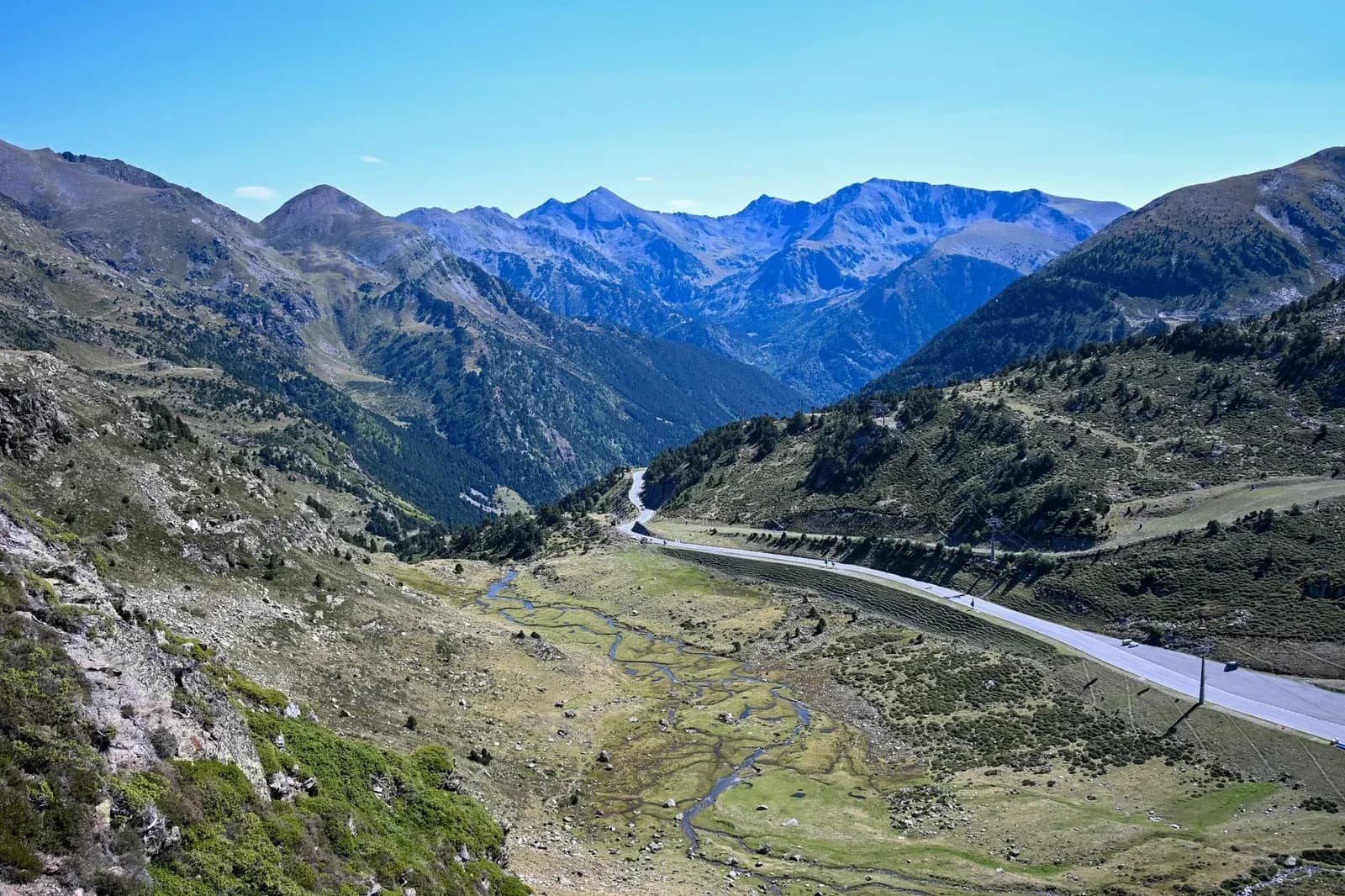
Sea Day Japan, the History Behind Umi no Hi
Sea Day looks, on the surface, like a simple day of beaches and fireworks. The real history behind Japan's Umi no Hi, the only national holiday in the world dedicated specifically to the sea, from a Meiji-era lighthouse ship to a 1941 naval commemoration.

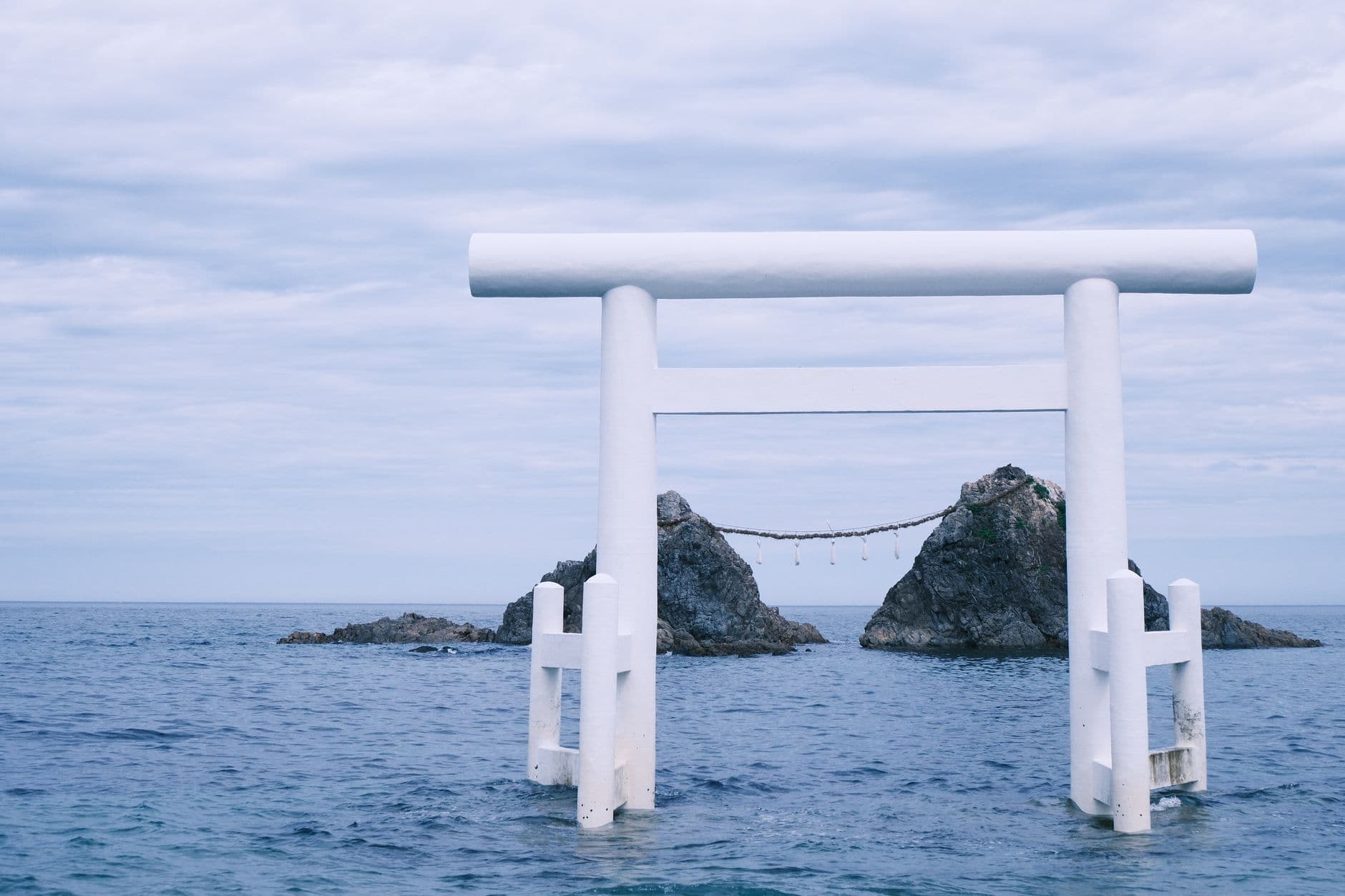
Photo: Liz Yang / Pexels
Plenty of countries mark World Oceans Day with statements and beach clean-ups. Only one gives its entire workforce an actual paid day off specifically to honour the sea. Japan's Umi no Hi, Sea Day, falls on the third Monday of every July, and its real history is considerably stranger and more revealing than the beach photos and firework displays that now define it.
The ship at the centre of it was not built for conquest
The date traces back to 20 July 1876, when Emperor Meiji returned safely to Yokohama aboard a vessel called the Meiji Maru, concluding a tour of Japan's northeastern Tohoku region. The ship itself is a detail worth sitting with. It was not a warship or a symbol of naval power. It was a lighthouse tender, a working vessel built to service and supply the lighthouses guiding other ships safely along the coast. The holiday's founding image is not a fleet projecting strength. It is a single steamer doing the unglamorous, essential work of keeping sailors from running aground, and it survives today as a preserved cultural asset at Tokyo University of Marine Science and Technology.
This article is for members only
Become a member to unlock this article and all premium content.
Related Articles
A Roman Cup Laced with Roman Nanotechnology and Five More British Museum Treasures That Kept Experts Guessing
Aloha Was a Hawaiian Way of Life for Centuries Before Hawaiʻi Wrote It Into Law

Checkout Chores Are Over: What Airbnb's New House Rules Mean for Your Next Stay