A Blood Test Can Catch Type 1 Diabetes Before Your Child Ever Feels Sick
For the first time, diabetes experts around the world agree on when young children should be tested, and the schedule is designed to fit the checkups your child already has.

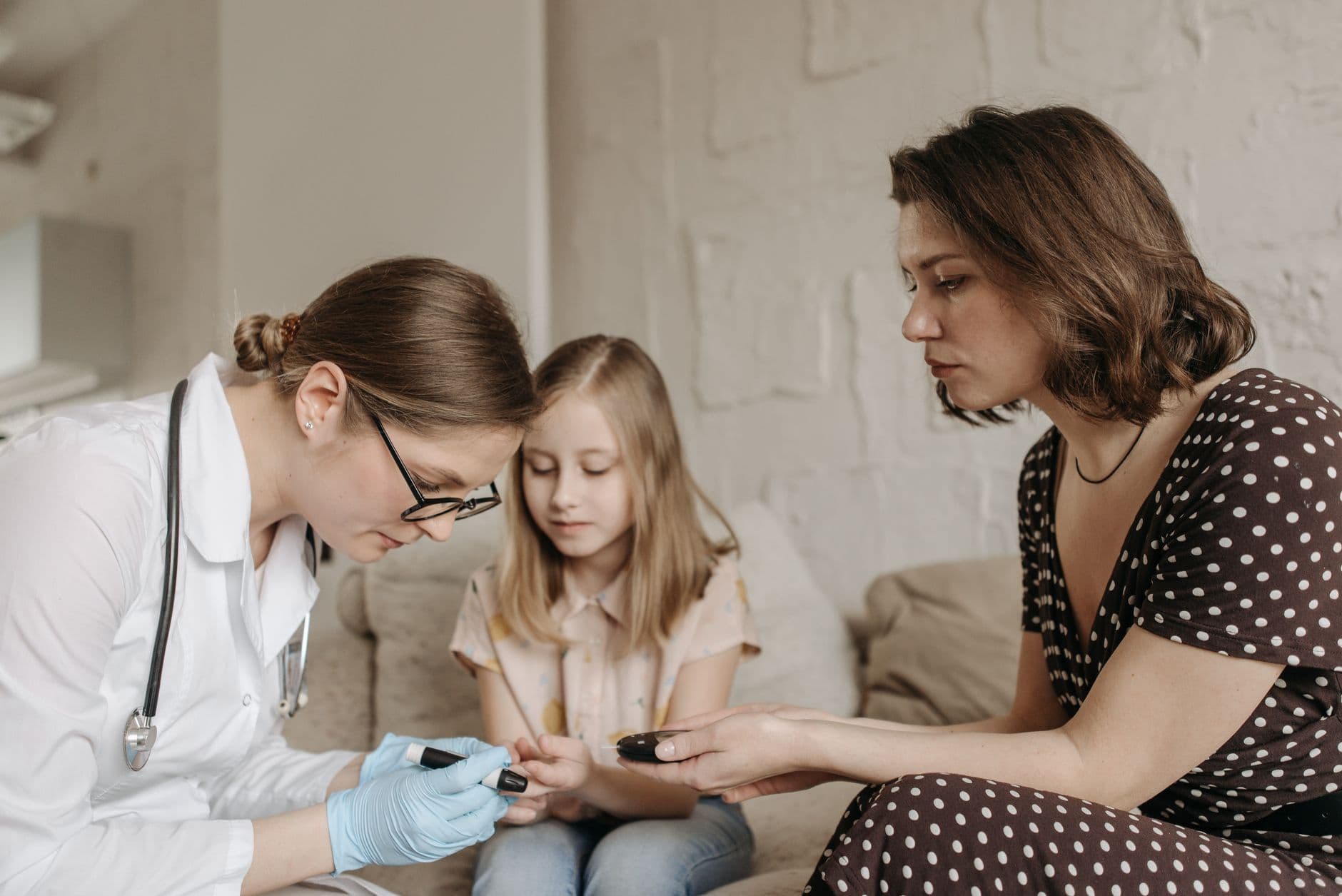
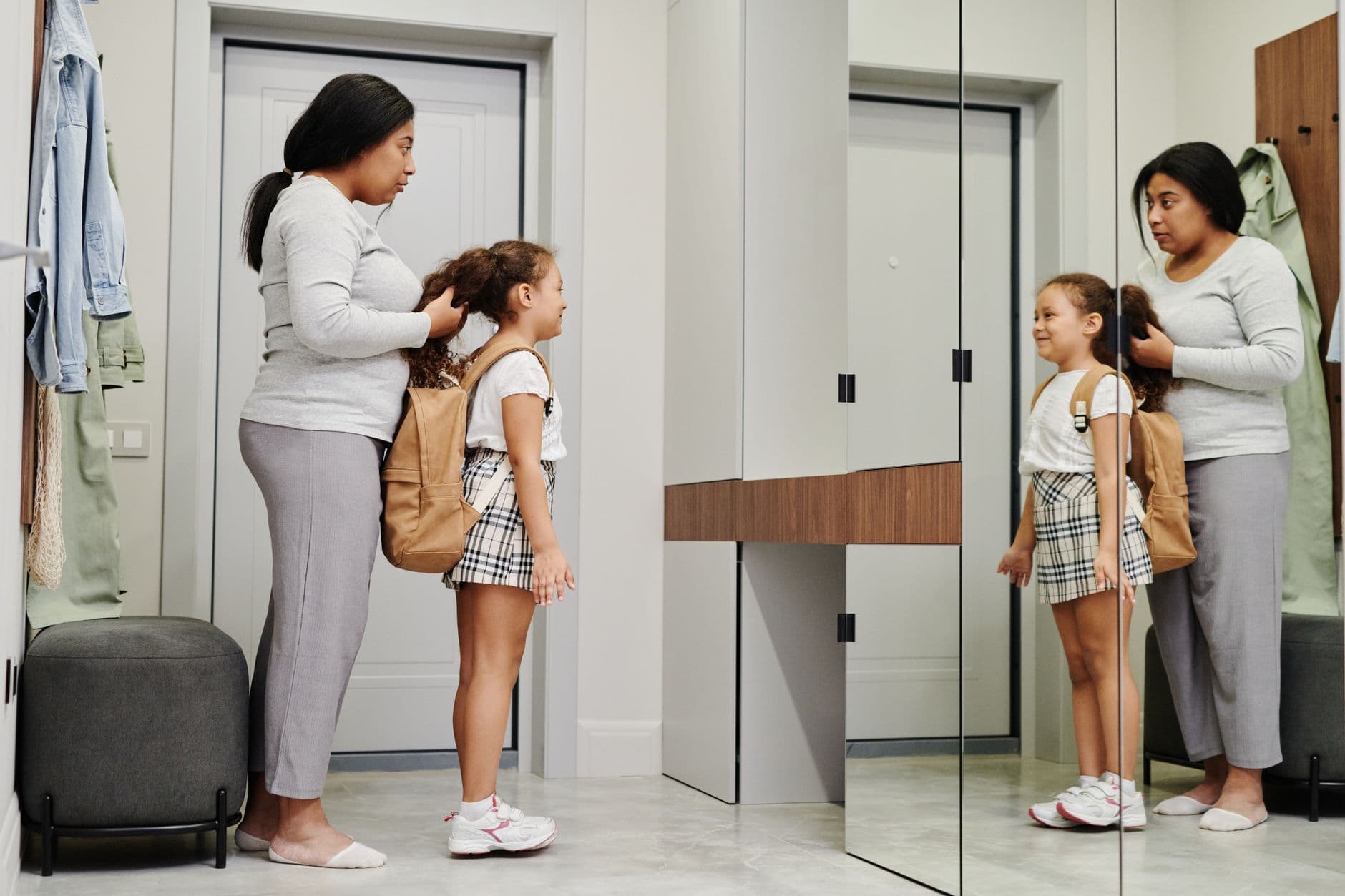
Photo: Pavel Danilyuk / Pexels
Most families who have a child with type 1 diabetes can tell you the exact day they found out, and for too many of them that day started in a hospital emergency room. It does not have to be how you meet this disease anymore. A simple blood test can now find type 1 diabetes in a child years before it makes them sick, long before there is any sign to spot, and as of this week there is international agreement that young children should have it.
The test looks for islet autoantibodies, which are a sign that the immune system has started attacking the cells in the body that make insulin. Type 1 diabetes does not arrive overnight. It develops in stages, over years. If a child has two or more of these autoantibodies and they stick around, your child is in what doctors call an early stage of the disease, and is very likely to go on to develop the full, symptomatic form later. That early window, long before a child needs insulin, is exactly what the blood test can catch.
A blood test for these early signs has been available for a while, but doctors had no shared rule on which children to test, or when. The new guidance provides one. Published September 10 in the journal Diabetologia, it is the first framework for screening the general population, not only children who have a relative with type 1 diabetes. It was convened by Breakthrough T1D, the organization formerly known as JDRF, written by nearly 30 experts around the world, and endorsed by 20 diabetes societies.
The First Test Comes as Early as Age 2
The experts recommend a first test between ages 2 and 4, a second between 6 and 8 for children who tested negative the first time, and a third between 10 and 15. The timing is deliberate: it lines up with the routine checkups your child already goes to, so screening does not have to mean an extra trip or a separate ordeal. And one positive is never the final word. A first positive result is always confirmed with a second test before any diagnosis is made.
None of this is something you caused. Type 1 diabetes is an autoimmune condition, which means the body makes little or no insulin because the immune system has turned on itself. It is not the result of anything you fed your child or anything you did.
Finding It Early Can Keep Your Child Out of the Emergency Room
The clearest reason to know early is that it can keep your child out of a hospital crisis. When type 1 diabetes goes undetected, it can first show up as diabetic ketoacidosis, a dangerous and sometimes life-threatening emergency, and for many families that emergency is how they learn their child has the disease at all. Screening children for type 1 diabetes before symptoms appear sharply lowers that risk.
Knowing early also opens the door to treatments that can delay the full disease. One approved medicine, teplizumab, can push back the onset of the symptomatic stage, which can mean more ordinary childhood before insulin becomes part of daily life. It also makes your child eligible for clinical trials of newer therapies aimed at slowing the disease. And it gives your family time to learn and prepare, instead of being caught off guard by a sudden diagnosis.
There is no cure for type 1 diabetes yet. But a child no longer has to get sick before anyone knows it is coming. A single blood test can find it years ahead of time, and now there is an agreed schedule for when to look.
FAQ
How do I actually get my child screened?
If one of my children tests positive, should I have my others tested too?
Does the test hurt?
My child is older than 15. Is it too late?
Enjoying this article?
Subscribe to our newsletter and never miss a story. No spam, ever.

Editor-in-Chief
Editor-in-Chief of Rich Woman Magazine, founder of Sovereign Magazine, author of many books, Dr Marina Nani is a social edification scientist coining a new industry, Social Edification. Passionately advocating to celebrate your human potential, she is well known for her trademark "Be Seen- Be Heard- Be You" running red carpet events and advanced courses like Blog Genius®, Book Genius®, Podcast Genius®, the cornerstones of her teaching. The constant practitioner of good news, she founded MAKE THE NEWS ( MTN) with the aim to diagnose and close the achievement gap globally. Founder of many publications, British Brands with global reach Marina believes that there is a genius ( Stardust) in each individual, regardless of past and present circumstances. "Not recognising your talent leaves society at loss. Sharing the good news makes a significant difference in your perception about yourself, your industry and your community."