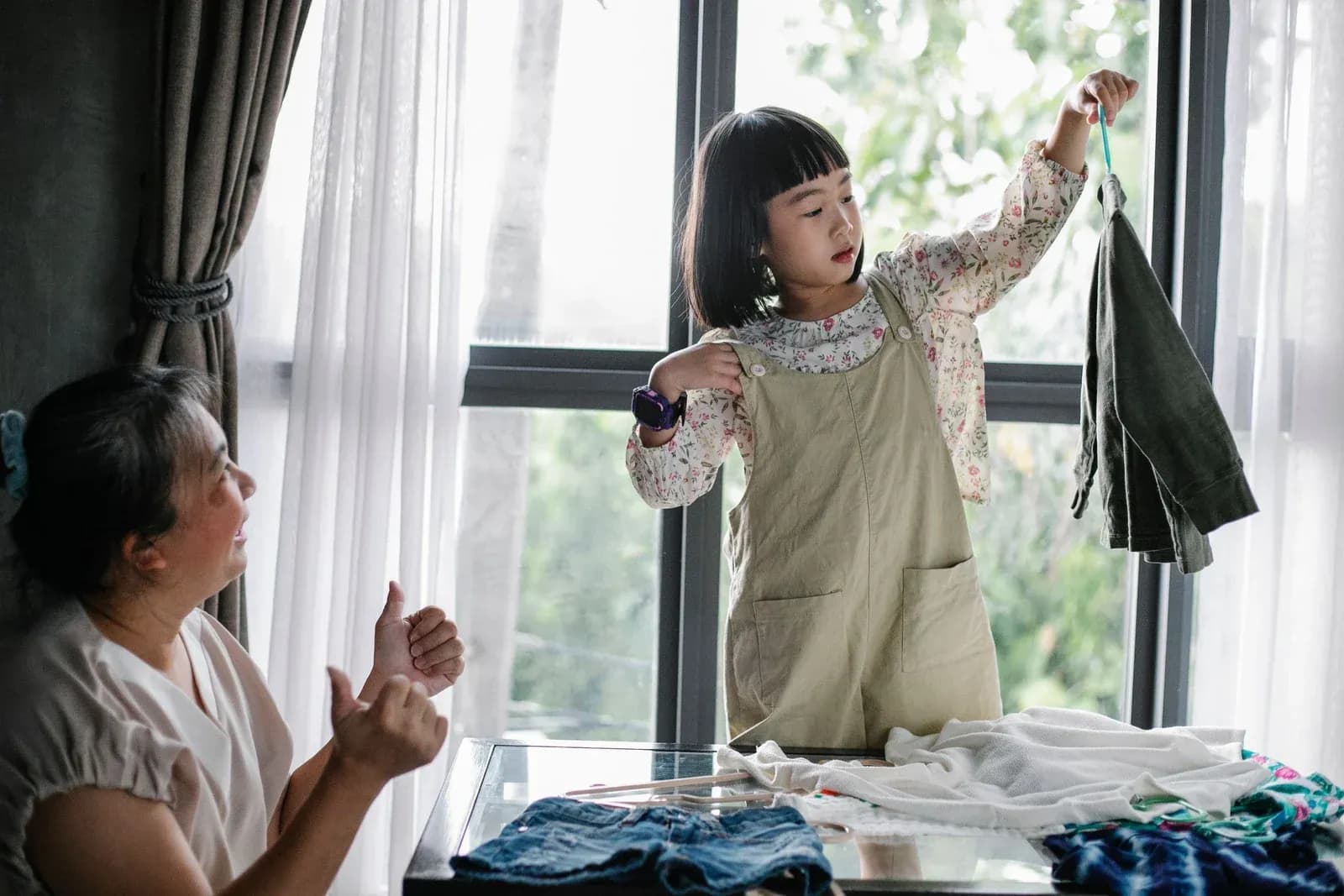
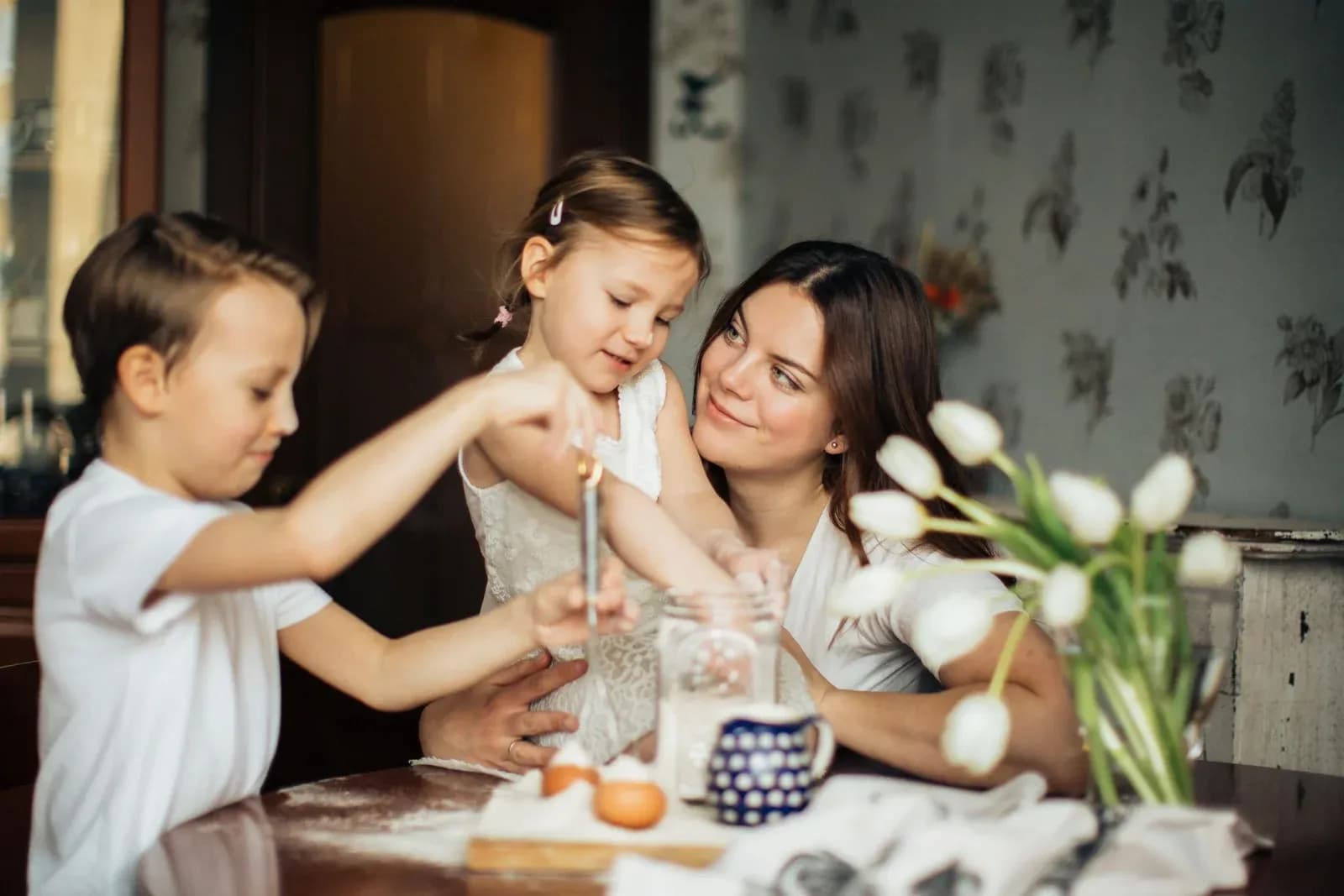
Your daughter is nine, and she has just reminded you, with total seriousness, that you always have pancakes on the first morning of the school holidays. You made pancakes once, two years ago, when the bread ran out. To her, it has become a law of the family, and she is ready to defend it.
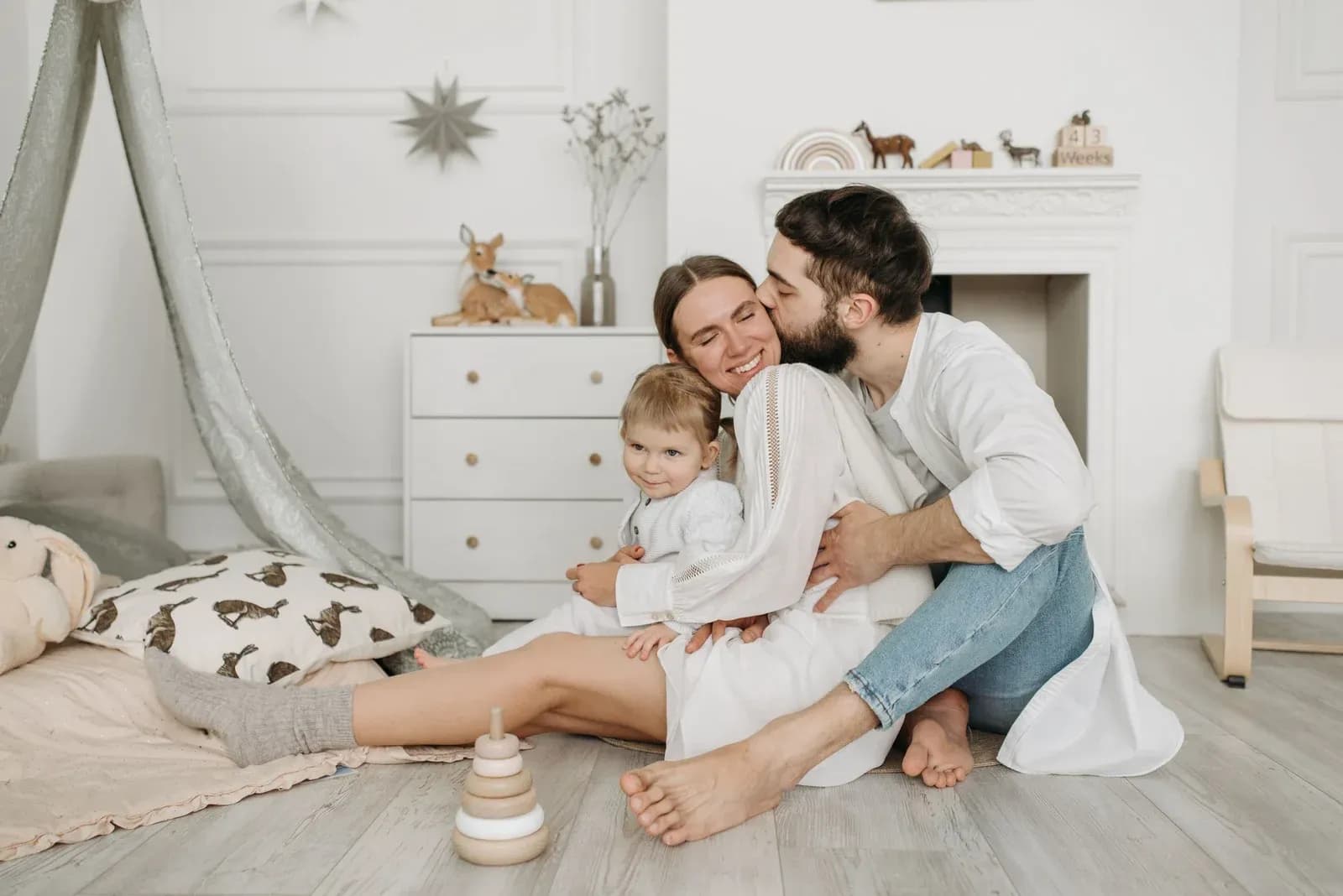
Children build traditions out of almost anything. A song in the car, a silly toast at the table, the same walk to see the Christmas lights each December: repeat something twice with warmth and a child will file it under 'what we do'. That instinct is a gift you can use on purpose. Before 2027 begins, choose one new family tradition, small enough to keep and meaningful enough to matter, and give your children something they may one day pass on to their own.
Why Children Hold On to Traditions
A tradition is more than a habit. Brushing teeth before bed is a routine: it gets a job done. Lighting a candle for a grandmother on her birthday is a ritual: it says something about who your family is and what it loves. Psychologists draw the same line, describing routines as the practical patterns of daily life and rituals as shared moments that carry a symbolic meaning for the family.
Both matter. A review of fifty years of research on family routines and rituals, published by the American Psychological Association in 2002, linked them with stronger family relationships, better health in children, higher academic achievement, a clearer sense of identity in teenagers and greater satisfaction between parents. The authors also suggested that regular family routines may protect children growing up with a single parent, through a divorce or in a remarried household. If your family has been through a separation, a move or a loss this year, a new tradition can become a fixed point your children can count on while other things change.
Family stories work in a similar way. A team of American psychologists asked children twenty questions about their family history, such as how their parents met, where their grandparents grew up and what happened on the day they were born. The children who knew more of these stories showed higher self-esteem, a stronger sense of control over their own lives and lower anxiety. The researchers stressed that the facts themselves were not what made the difference. Those children came from families who talked together, often around the dinner table, and handed their history down. Traditions are where those stories get told.
Borrow an Idea or Begin Your Own
Some of the loveliest traditions began as something practical. In Iceland, books are widely believed to have become the favourite Christmas present during the Second World War, when imports were restricted but paper was not. Today, Icelandic families give each other books on Christmas Eve, and many spend the rest of the night reading in bed with a mug of hot chocolate. The custom is called jólabókaflóð, the Christmas book flood, and book lovers far beyond Iceland now keep it.
In Scotland, first-footing still opens the year in many homes. The first visitor to cross the threshold after midnight on Hogmanay brings small gifts for the household: coal for warmth, shortbread or black bun, a rich fruit cake in pastry, so the family will not go hungry, and whisky to toast the new year.
Neither custom needs a grand budget, and your own tradition can be smaller still. Look at what your family already enjoys and give it a date. If your children love cooking with you, bake the same loaf for your neighbours on the first weekend of every January. If they love being outdoors, take the same walk on New Year's Day each year and let every person name one thing they would like to try in the months ahead. If they are growing faster than you can keep up with, photograph them on the front step on the same morning every year and watch the row of pictures lengthen.
Keep It Small Enough to Last
The traditions that survive are the ones a tired mother can still keep in a difficult year. A ritual that needs a weekend away, new outfits or a perfect table will collapse the first time somebody catches a cold. Choose something that takes an hour or less and costs little or nothing. Fix it to a date that comes round on its own, such as the first morning of the year, the first day of the summer holidays or a birthday, so that nobody has to remember to organise it. You can also attach it to something your family already does, the way habit stacks build new routines onto the day you already have.
Let your children help to shape it. A tradition they named, or a song they chose, belongs to them, and they will remind you of it long after you would have let it slip. Older children and teenagers may roll their eyes at first, so keep it light, keep it short and let them add their own twist. The researchers who reviewed fifty years of studies pointed out that most family mealtimes last only about twenty minutes, a reminder that the moments children carry with them rarely need much time.
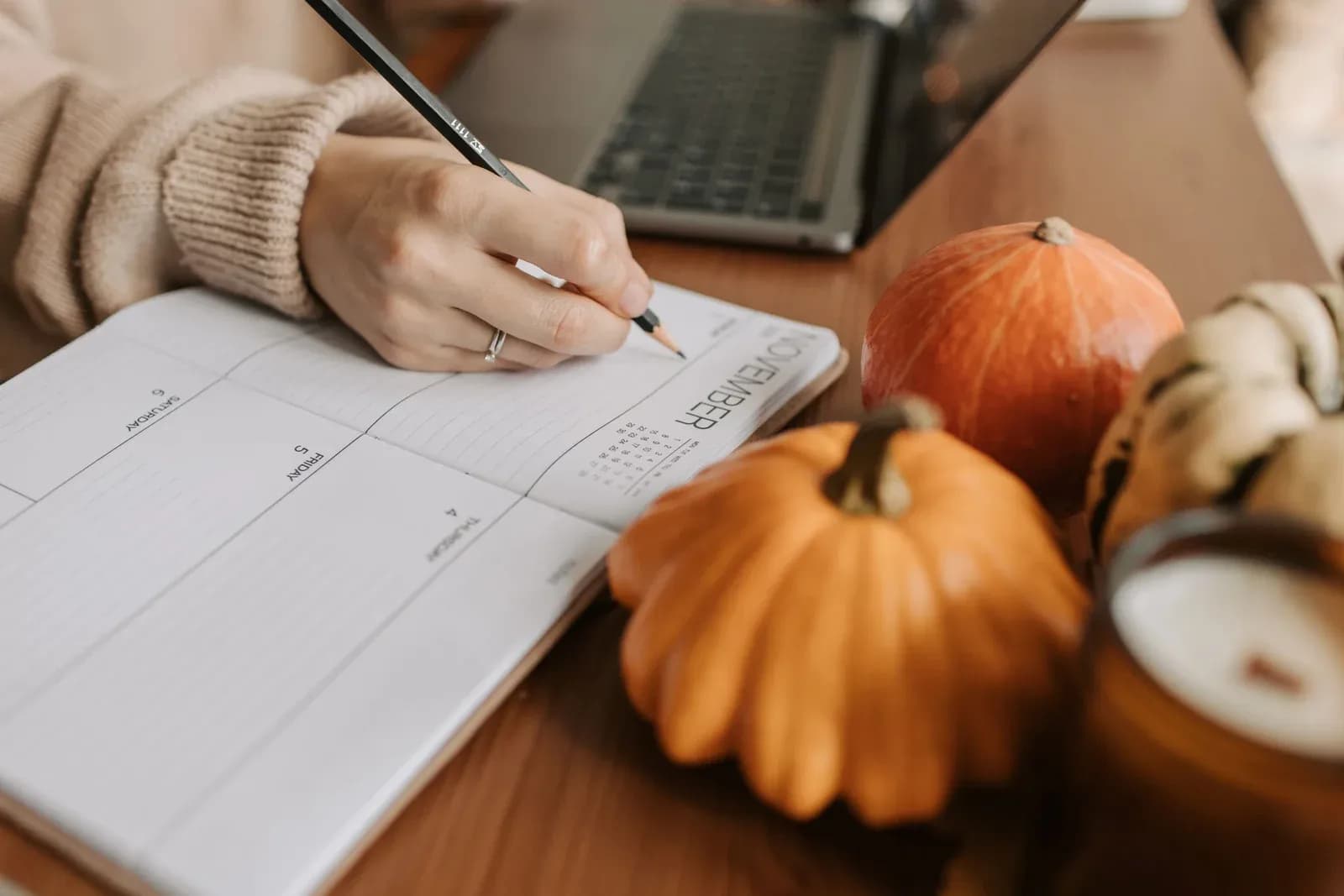
Write the date into the family calendar during the Sunday hour that plans your week, and treat it as you would any other appointment. The first time may feel a little self-conscious. By the third year, your children will guard it as a family law, exactly as your daughter guards the pancakes.
One day your children will set a table of their own, and they will reach for the things that made them feel they belonged. They will not remember most of the presents, the busy weeks or the dinners that went wrong. They will remember the walk, the loaf for the neighbours, the photograph on the step and the feeling that their family had its own way of marking time. You can begin one of those memories now with very little: a date, a small act and the promise to do it again next year. Before you write to the woman you will be on New Year's Eve, choose the tradition she will be keeping, and let 2027 be the year your family starts something worth handing down.
Enjoying this article?
Subscribe to our newsletter and never miss a story. No spam, ever.