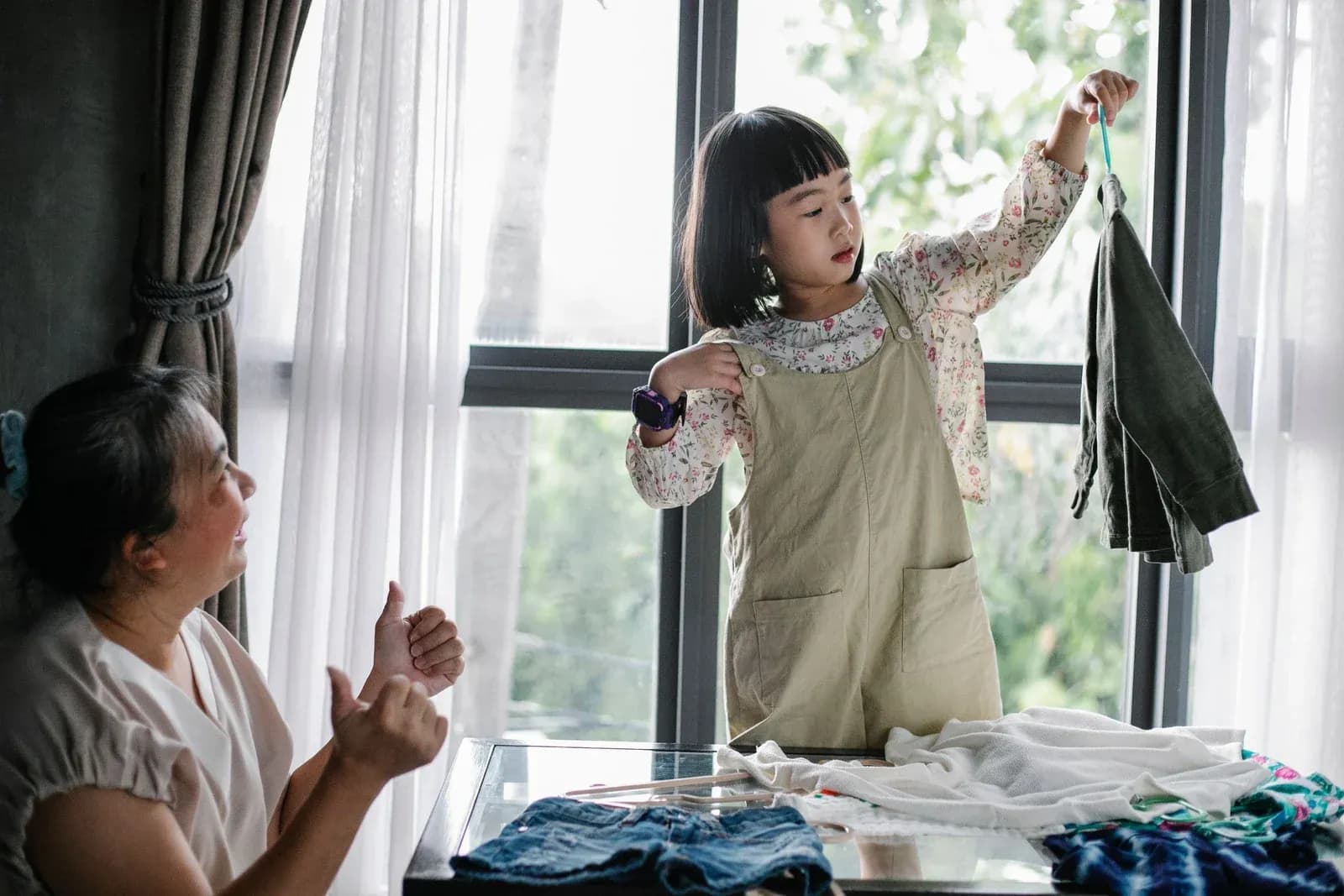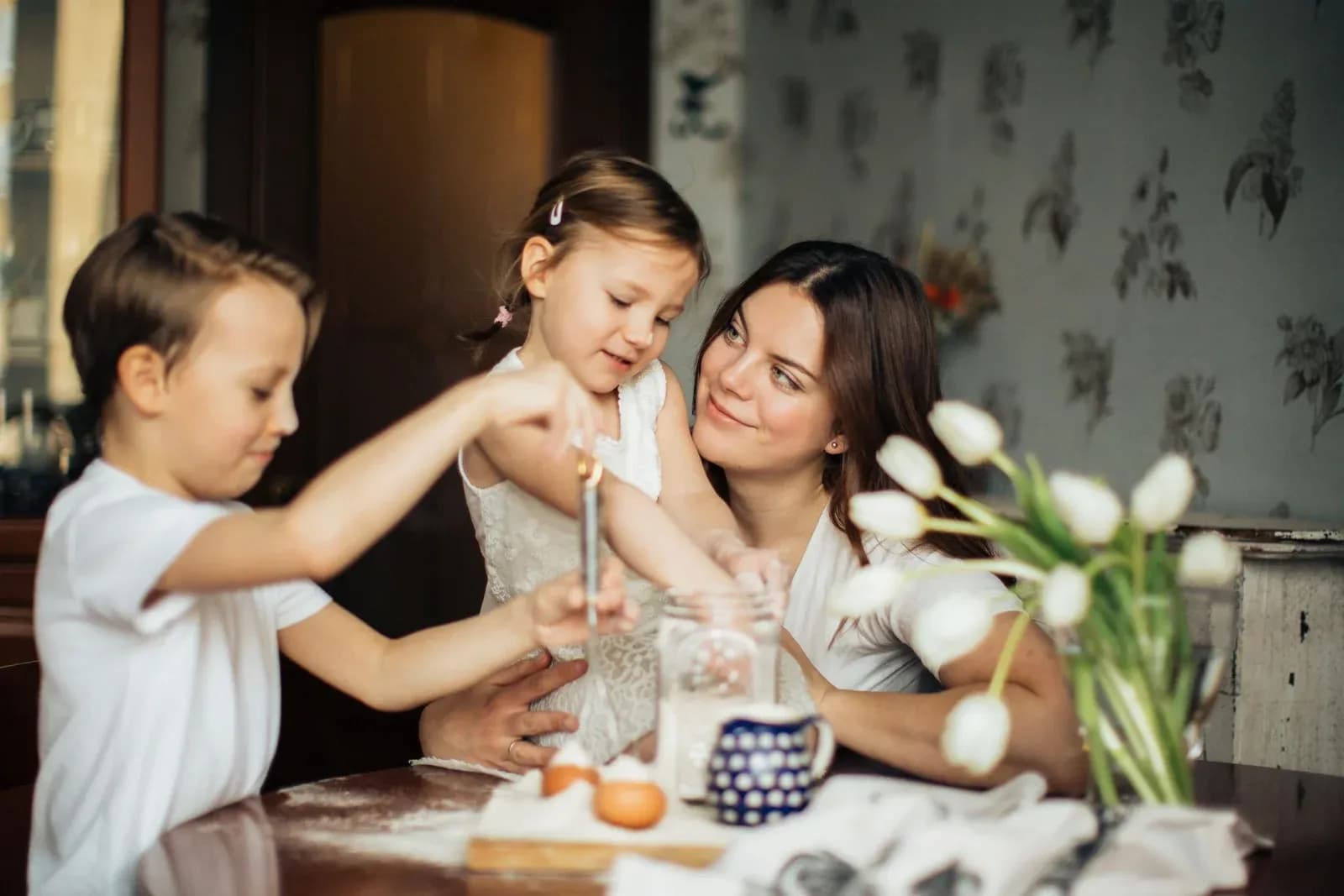

It starts over something small, whose turn it was to book the boiler service, and within a minute both of your voices are sharper than either of you meant. Then you notice your daughter in the doorway, reading book in hand, watching your faces. Your partner heads out to the garden and you go upstairs. An hour later you are chatting normally in the kitchen, the boiler is booked, and your daughter has no idea how any of it was settled.
That last part matters more than the row itself. Every couple disagrees, and children see it. What many children never see is the repair, the moment two people who love each other find their way back. They witness the storm and miss the calm that follows.
What Your Children Pick Up
Children are tuned in to the mood between their parents from the very start. A 2016 review by the Early Intervention Foundation, a British charity that worked on support for children and families, found that babies as young as six months show signs of distress, such as a raised heart rate, when they are exposed to open conflict between their parents. Children of every age can be affected by hostile, unresolved conflict, whether it comes out as anger and acting up or turns inward as anxiety and low self-esteem. Children also see themselves as part of both parents, so when they hear one of you criticise the other, they can take the criticism personally.
This does not mean you should never disagree in front of them. Council guidance in England for people who work with families describes conflict between parents as a normal part of family life. What harms children is conflict that is frequent, intense and never resolved, along with behaviour such as shouting, slamming doors or freezing each other out with silence. Disagreements handled with respect, careful listening and compromise are linked with healthier emotional development in children, and children can pick up problem-solving skills from watching them, especially when a parent explains afterwards what happened.
How to Disagree in Front of Them
Keep the disagreement about the issue in front of you, not about who your partner is. 'I am worried we will forget the boiler again' opens a conversation. 'You never remember anything' closes it. Speaking about how you feel, rather than what the other person always does, keeps both of you out of attack and defence.
Watch your volume and your body. Children read a raised voice, a pointed finger or a turned back long before they follow the words. If you feel your temper rising, say so and pause. A line as simple as 'Let us finish this later, when we have both calmed down' shows your children that strong feelings can be managed.
Some subjects belong behind a closed door. Serious money worries, criticism of each other's families and anything about the children themselves are better saved for when they are asleep or out of the house. Never ask a child to take sides, carry a message or keep a secret from the other parent.
Let Them See the Making Up
If your children saw the disagreement, let them see the repair too. It does not need to be a speech. 'We disagreed about the boiler earlier. We were both cross, and we talked it through. It is sorted now, and we are fine' gives a child everything they need to know.
If one of you spoke unkindly, apologise in front of them. Hearing a parent say 'I am sorry I snapped at you' teaches a child more about apology than any lecture. Let them see the compromise as well, so they learn that two people can each give a little and both come away feeling heard.
If your child looked worried while you were disagreeing, go to them afterwards and name what they saw. Tell them that grown-ups who love each other sometimes disagree, that the disagreement was not about them and that nothing they did caused it. Younger children in particular can believe a row is their fault, and a few plain words from you can lift a weight they would otherwise carry alone.
These are the same skills you hope your children will use with each other. The patience you show your partner across the kitchen table becomes the pattern they copy when siblings clash over the remote control, and a habit of saying things softly enough to be heard passes from one generation to the next.
When It Is More Than a Disagreement
Everything here applies to ordinary disagreements between two people who feel safe with each other. If you feel afraid of your partner, or you are threatened, controlled, belittled or hurt, that is not parental conflict but domestic abuse, and it is not something to model or manage. The National Domestic Abuse Helpline, run by Refuge, is free and open 24 hours a day on 0808 2000 247. In an emergency, call 999.
Your children will disagree with friends, teachers, colleagues and one day perhaps partners of their own. Nobody can spare them that, and nobody should try. What you can give them is a picture, stored somewhere deep, of how a disagreement ends in a home where people love each other: not with a slammed door and a long silence, but with two people talking it through, saying sorry and sitting down to supper together. Let them see the whole of it. The row lasts minutes, and the memory of how you made up can stay with them for a lifetime.
Enjoying this article?
Subscribe to our newsletter and never miss a story. No spam, ever.