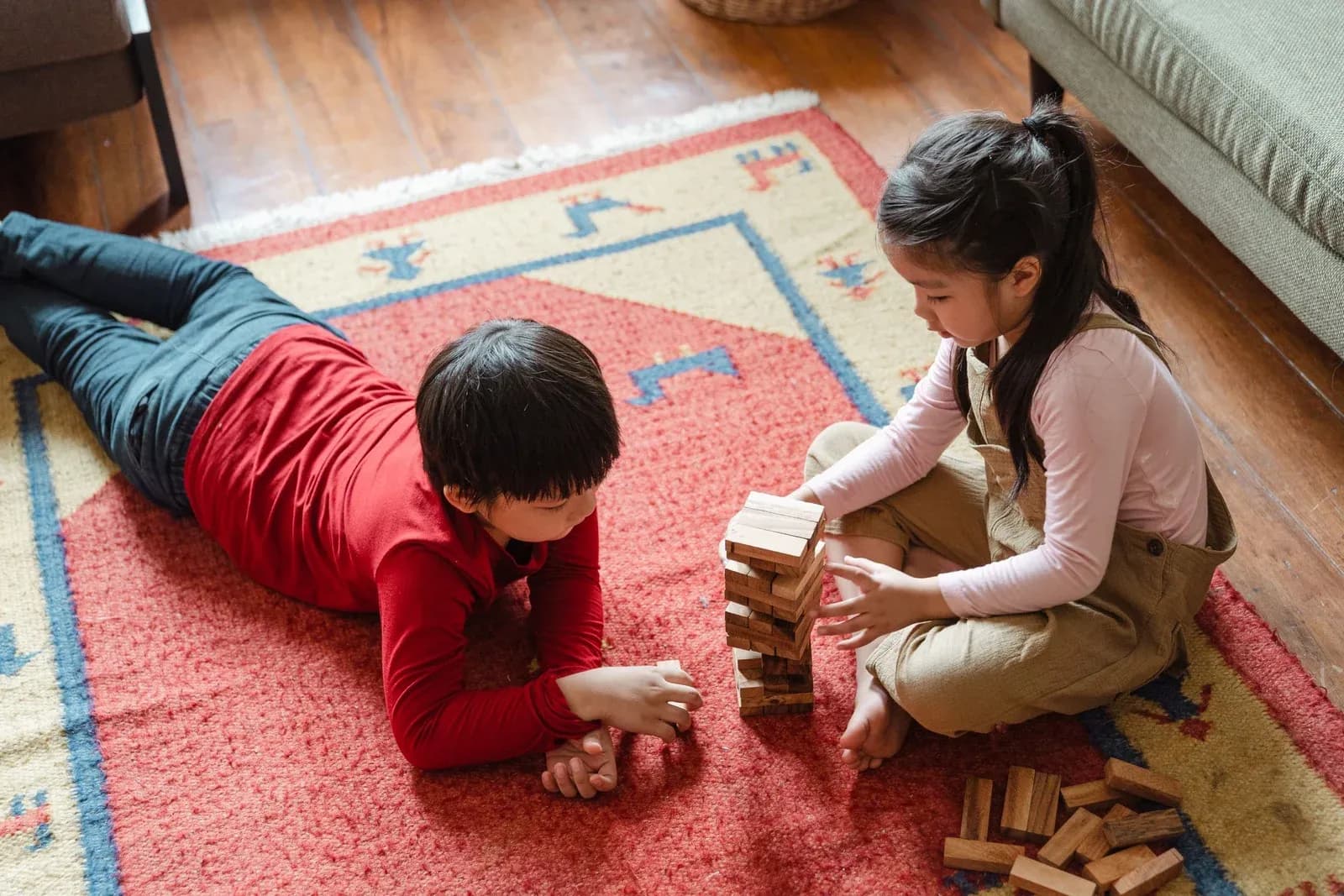
'She started it!' 'No, he did!' You walk into the living room to find one child in tears, the other red in the face, and a tower of wooden blocks scattered across the rug between them. Both children turn to you for a verdict. You were not in the room, you have no idea who started it, and there is a pan on the hob. Whatever you decide, one of them will feel the decision was unfair, and twenty minutes later you will be back in the same spot over a different toy.
If that scene plays out in your home several times a day, you are not failing. When children aged three to seven were observed playing at home, they clashed with a brother or sister about three and a half times an hour, and those fights took up around ten minutes of every hour of play. Squabbling is part of growing up together. What shapes the outcome is the role you take when it happens.
Coach, Not Referee
A referee decides who is right, hands out the penalty and moves on. A coach helps the players get better at the game. When you step in as the judge, you take sides even when you try hard not to, and the child who loses learns that the way to win next time is to reach you first. When you step in as a coach, you help both children learn what to do instead.
Leaving siblings to sort everything out alone is not the answer either. Children under eight are generally not yet able to settle a fight with a brother or sister on their own, so they need you close by, guiding rather than ruling.
Coaching starts with describing what you see, without blame: 'I can see two children who both want the same blocks.' Give each child a turn to speak while the other listens, and repeat back what you heard so that each one feels understood. Then ask what they could do so that both of them can carry on playing, and let them suggest the answer. A timer, taking turns or building two towers instead of one all come more willingly from a child who thought of the idea.
Agree a few simple ground rules at a calm moment, such as no interrupting, no insults and no shouting. When the name-calling starts in the heat of a squabble, you only need to ask whether that is one of the rules.
If you are working on stepping back without losing sight of your child, coaching sibling fights is the same skill in action: close enough to help, far enough away to let them learn.
When to Step In
Some moments need you straight away. If anyone is in danger of getting hurt, separate the children at once. Let them calm down in different rooms before anyone tries to talk it through, as nobody can reason while they are furious. A breather of around ten minutes, followed by a simple 'Are you ready to talk?', gives everyone time to cool down.
When you do step in, solve the problem with your children, not for them. Resist the urge to find out who hit whom first. That search rarely ends in a clear answer, and it turns the conversation into a trial.
Watch for patterns too. A fight that breaks out over a toy after a long spell of happy play can be a bid for your attention. Noticing your children when they play well together, and telling them so, can head off the next squabble before it starts.
Build More Good Times Than Bad
The number of fights between young siblings matters less than you might fear. What predicts a close relationship in adulthood is having enough happy times together to outweigh the difficult ones, and that gives you something positive to work on every week.
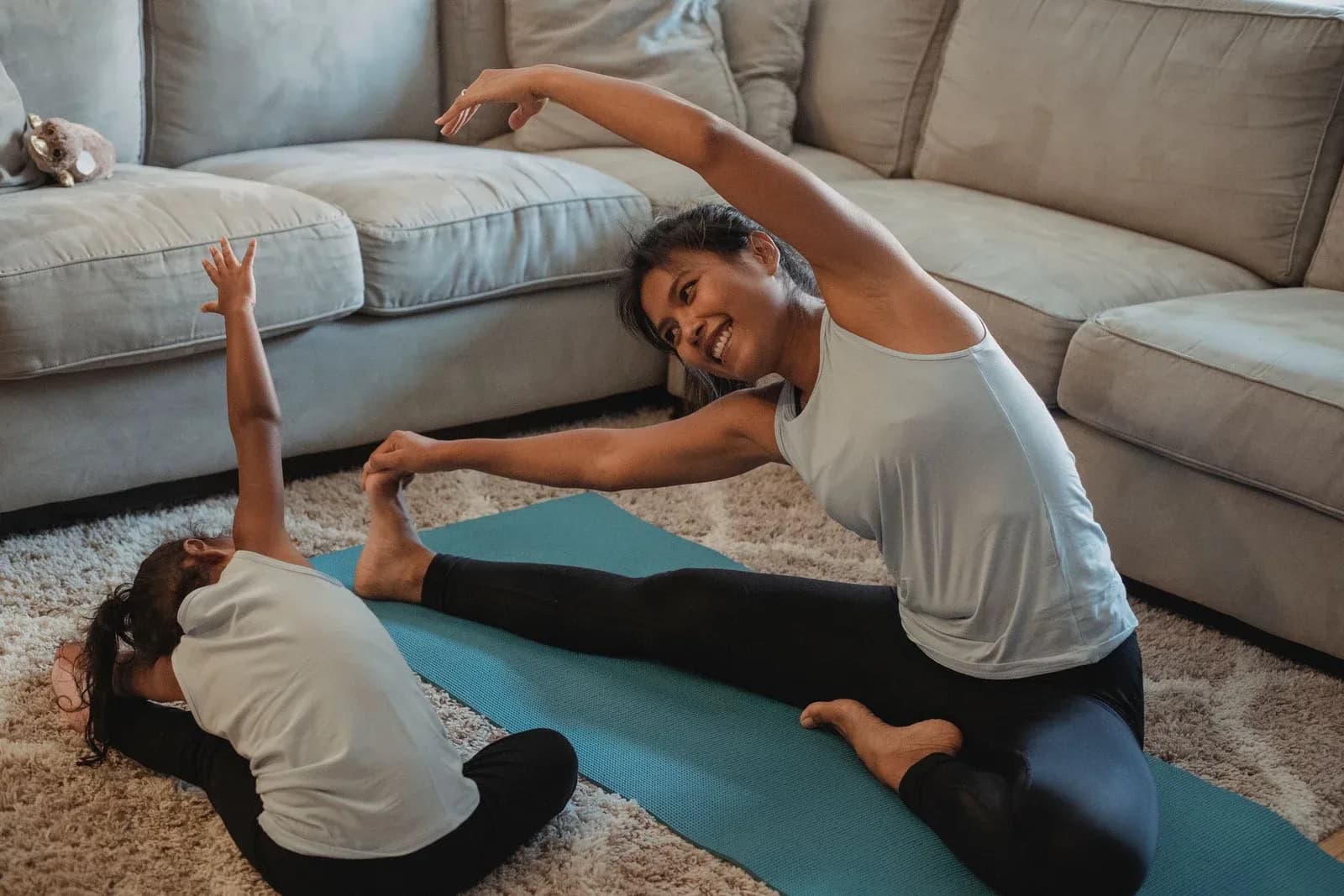
Plan things your children can only enjoy together: building a den from sofa cushions, baking with one child on the whisk and the other on the sprinkles, or a joint project such as a jigsaw or a model. Steer clear of comparisons. 'Why can you not be more like your sister?' sets one child against the other, while praise for each child's own effort leaves no one in second place.
One-to-one time helps too. Many sibling fights grow from competition for your attention, and ten or fifteen minutes of your undivided time with each child can ease that competition and work wonders for the mood at home. Small, everyday moments like these are the same ones that build capable children at home.
Go back to the living room, the tears and the scattered blocks. This time you crouch down between your children and say what you see. You let each of them speak while the other listens. Your son suggests a timer, your daughter asks for the first turn, and after a little haggling they agree. Nobody wins and nobody loses. Ten minutes later you hear them laughing over a tower taller than the first one, and you realise that the skill they practised on that rug, listening, giving a little and finding a way through together, is the one that can keep them close long after they have both left home.
Enjoying this article?
Subscribe to our newsletter and never miss a story. No spam, ever.