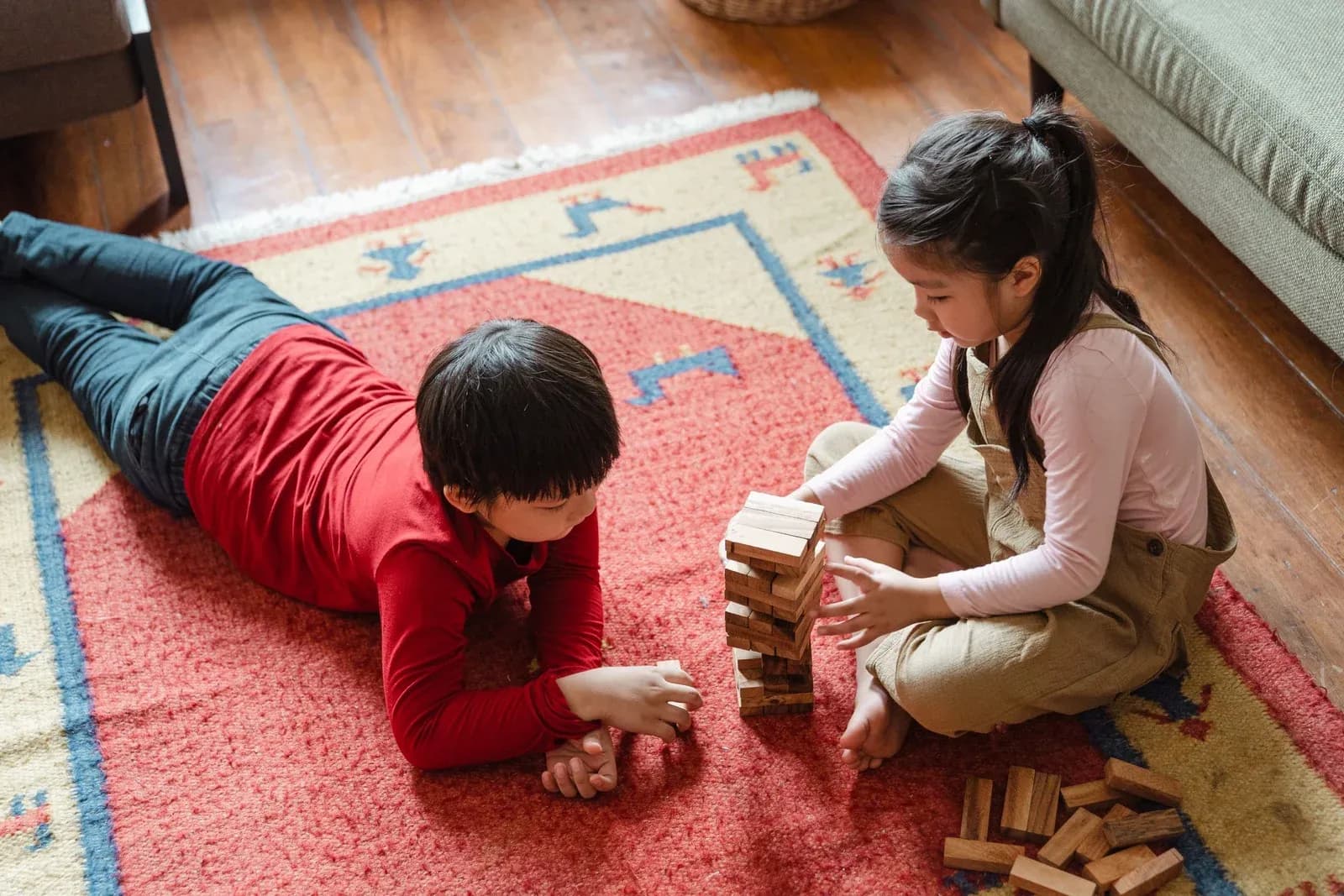
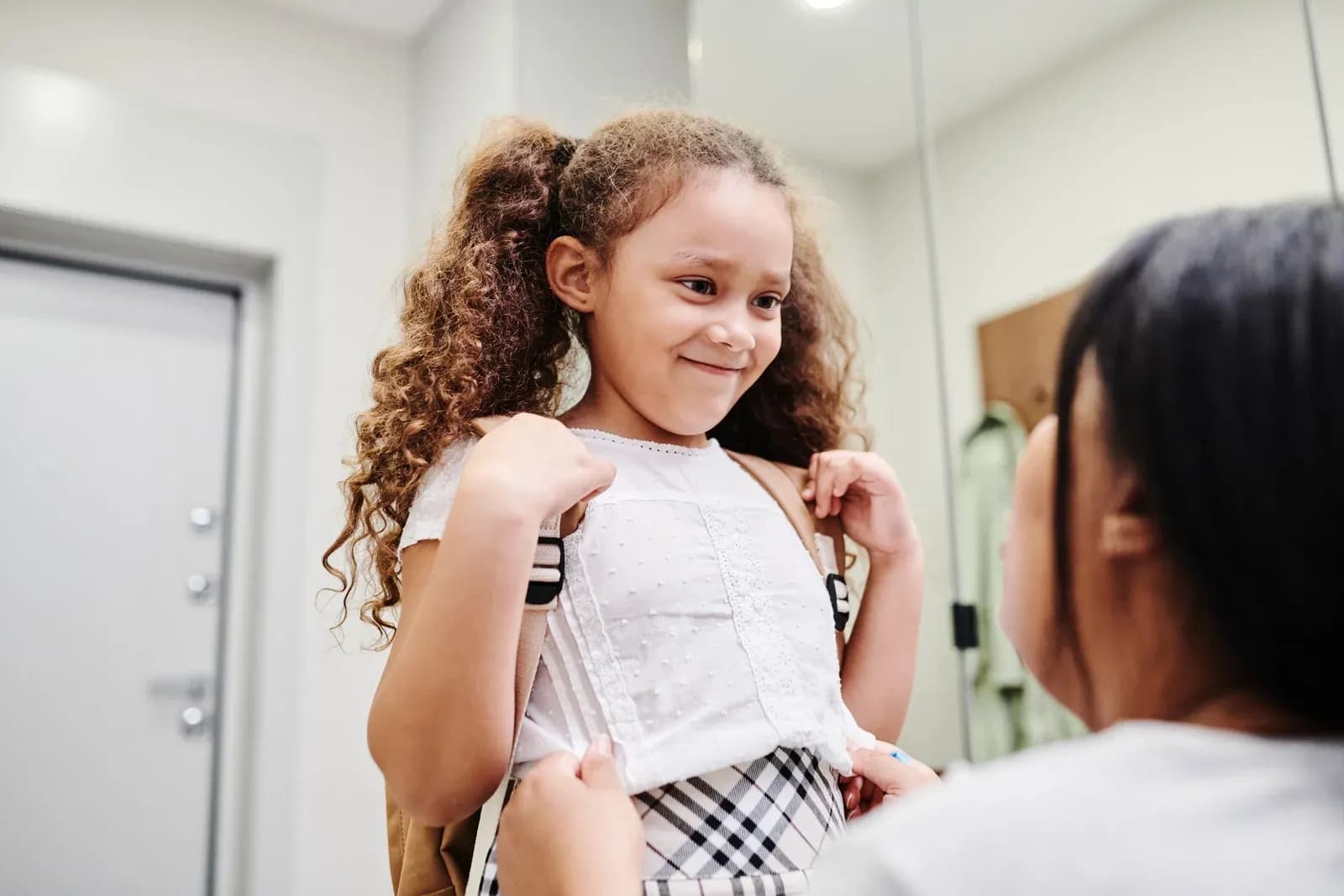
You have asked for shoes four times, and the fifth request comes out louder than you meant it to. Your youngest is sitting on the stairs in one sock, studying a crack in the wall, and your eldest has gone back upstairs for a book nobody needs. The car keys are already in your hand. By the time everyone is buckled in, the morning feels spent on reminders, and nobody in the car is smiling, least of all you.
Most school mornings are not lost to bad behaviour. They are lost to a long list of small steps that is hard for a young child to keep in mind, and to the fact that the whole list lives in your head alone. A picture routine chart moves that list out of your head and onto the wall, where your child can see it, follow it and tick it off.
Why Pictures Work
Picture schedules show each step of a routine as an image, and children find them simpler to follow than written lists. Long before your child can read the words 'brush teeth', they can recognise a toothbrush. Visual timetables are a familiar sight in nursery and primary school classrooms, and the same idea works on the wall at home. For children aged five and under, pictures alone do the job. Children of six to eight, who are learning to read, do well with a picture and a word side by side.
Once the steps are on the wall, you no longer have to be the reminder. Instead of calling out 'Shoes! Coat! Teeth!', you point to the chart and ask, 'What comes next?' Your child looks, finds the answer and moves. You are still involved, but the job of remembering now belongs to your child, and so does the small pride of getting it right.
Make the Chart Together
Involving your child in making the chart helps them follow it on their own. Sit down together at a calm moment, when nobody is rushing, and agree the steps of a school morning in order: get dressed, eat breakfast, brush teeth, shoes on, coat on, bag by the door. Five or six steps are plenty for a young child, so the whole morning fits on one strip of card.
Photographs of your own child doing each step work beautifully. A picture of your daughter pulling on her jumper makes the chart feel like hers, and young children love seeing themselves. If photographs feel like too much, simple drawings or printed pictures work well. Laminate the card or slip it into a plastic sleeve, then add a peg, a magnet or a dry-wipe tick for each step, so your child can move something with their own hand as each job is done.
Hang the chart at your child's eye level, close to where the morning happens. For many families that means the bottom of the stairs or the wall by the front door. A chart taped high on the fridge, above a small child's line of sight, is easy to miss.
If you already set aside one hour to plan your whole family week, that hour is a good time to make the chart and check that the steps still fit the week ahead. You can also tie each step to something your child already does without thinking, in the same way that habit stacks build new routines into the day you already have.
Practise Before You Need It
Run through the new routine once or twice on a morning when there is no school to get to. Treat it as a game: you play the sleepy one and let your child be the one who points to the chart. A relaxed rehearsal gives your child the chance to learn the steps before the clock starts to matter.
For the first couple of weeks, expect to stand beside the chart with your child, pointing and asking. Over time, step back a little further. Name what your child did, so they know exactly what to repeat: 'You got dressed and found your shoes all by yourself.'
Expect wobbles too. School-age children are often disorganised in the morning, especially when they are tired or very young. A poor night's sleep, a new baby or the first week back after a holiday can undo some of the progress, and that is normal. The chart is still on the wall the next morning, ready to start again.
The same idea works at the other end of the day. A second chart for bedtime, with bath, pyjamas, teeth and a story, sits naturally alongside screen-free family evenings.
A Calmer Start for You
The chart helps your child, and it helps you just as much. Every reminder you no longer have to give leaves a little more patience for the moments that truly need it, and fewer raised voices leave more room for a proper goodbye at the school gate.
Picture the same morning a few weeks from now. Your youngest is still on the stairs, but this time she is looking at a photograph of herself with her shoes on, and she is reaching for her own. Your eldest slides a peg across the card and calls out that he is ready. The car keys are in your hand as before, but your voice is your own again, and the last thing your children hear from you at the school gate is not one more reminder. It is 'Have a lovely day.'
Enjoying this article?
Subscribe to our newsletter and never miss a story. No spam, ever.