You pay for a gym membership you have used twice since the summer. Each week you promise yourself that this will be the one, and each week the hours fill up with the school run, work, washing, homework and dinner before you have changed out of your slippers. By nine in the evening your trainers are still by the door, and you are too tired to do anything but sit down.
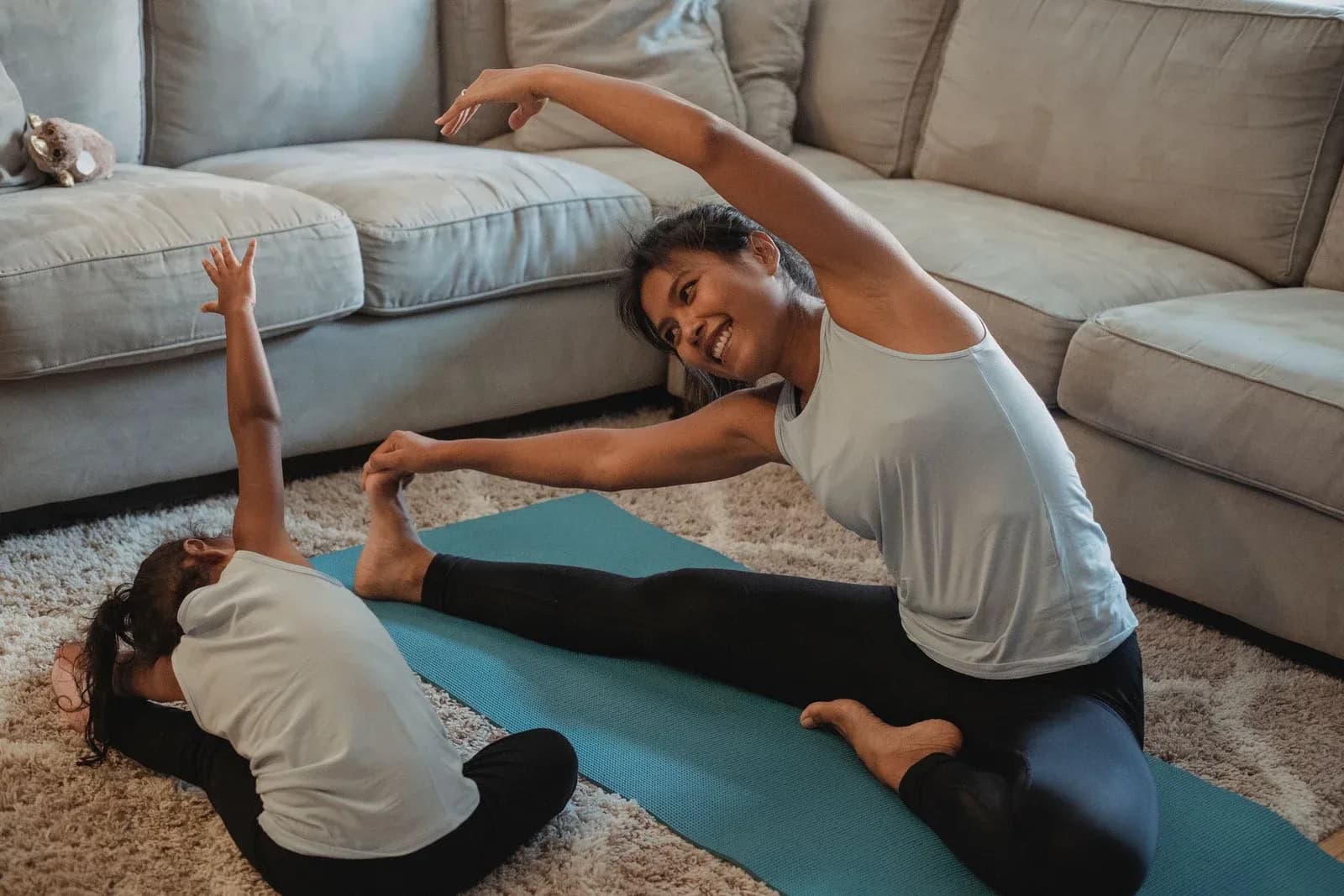
Your body does not need a full hour in a gym to benefit from moving. It responds to minutes, and you have more spare minutes in your day than it feels like you do.
Every Minute Counts
The four Chief Medical Officers of the United Kingdom advise adults to build up at least 150 minutes of moderate activity a week, or 75 minutes of vigorous activity, with something that strengthens the muscles on at least two days. In 2019 they dropped the old advice that activity only counted in blocks of ten minutes or more, so short bursts now count towards the total. Their refreshed guidelines, published on 10th July 2026, say that even small amounts of movement bring important benefits compared with doing nothing, and that the gains rise steadily up to the 150 minutes.
A minute of real effort may be worth more than you think. A large study followed more than 25,000 adults in the United Kingdom who did no exercise in their spare time and wore activity monitors to record how they moved. Those who managed three bursts of vigorous activity a day, each lasting about a minute, had around a 39 per cent lower risk of dying from any cause over the following years than those who had none, and about half the risk of dying from heart and circulatory disease. The study observed people rather than testing a plan, so it cannot prove cause and effect, but the link was strong.
These short, deliberate spells of hard movement have a name: exercise snacks. The best ones are hiding in things you already do every day.
Snacks That Fit Your Day
Vigorous activity makes you breathe hard and fast, so that you can only say a few words before you have to pause for breath. That is the level to aim for, and a minute of it is enough to count as one snack.
The stairs are the easiest place to start. Climbing stairs quickly was one of the everyday efforts the study counted, so carry the laundry basket up at a brisk pace, or go up and down twice when you take the clean towels upstairs.
The school run gives you another chance. On the walk home, without small legs to keep pace with, walk as fast as you can for a minute or two. Bursts of very fast walking between places were another of the efforts that counted.
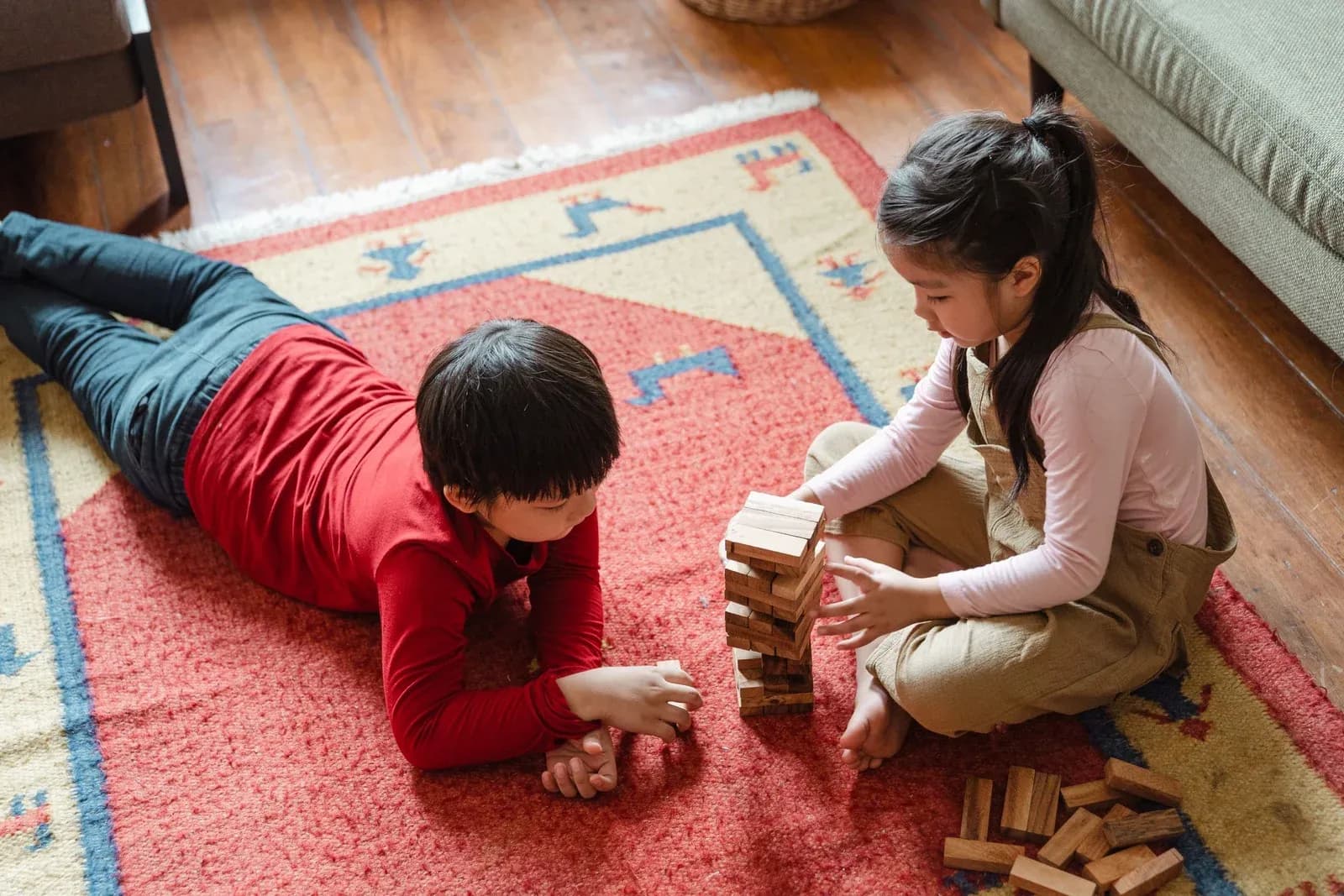
Your children are the best training partners you have. A minute of chasing in the park, a race to the garden gate or a game of tag in the hallway all count as high-energy play, and most children will gladly race you.
Strength counts as well. The guidelines name heavy gardening and carrying heavy shopping among the activities that build muscle. Ten squats while the kettle boils, a few slow press-ups against the kitchen worktop while the pasta cooks, or carrying all the shopping bags in from the car in one trip all add to the two strength days a week.
On a day with a little more room, join several snacks into a ten-minute burst: a minute of marching on the spot, a minute of squats, a minute up and down the stairs, then round again while the dinner is in the oven.
Make It Stick
Exercise snacks last longest when each one is tied to something that already happens every day, so you never have to find the time or remember to do it. Choose two or three anchors, such as the kettle, the walk back from the school gate and the stairs after the bedtime story, and attach one snack to each. If you liked the idea of three hard minutes a day, this is the simplest way to fit them into family life.
Do not worry about counting. Notice the effort instead, and be pleased with every minute that leaves you out of breath. On days when hard bursts feel impossible, a short walk of ten minutes or less still lifts your mood and your energy, and breaking up long hours of sitting matters too. Make room for proper rest as well, and keep looking after the ways you rest and restore.
If you are pregnant, have recently had a baby or live with a health condition, talk to your doctor or midwife before you add vigorous activity to your day.
Movement You Can Keep
Those trainers by the door do not need a free hour that never comes. Put them on for the school run and walk home fast. Race your son to the park bench and let him win by a nose. Take the washing up the stairs at a pace that leaves your heart pounding for a minute. None of it looks like a workout, and none of it needs a membership card, yet by the time the new year arrives those minutes will have added up to hours, and you will have found them inside the life you already lead.
Enjoying this article?
Subscribe to our newsletter and never miss a story. No spam, ever.